Programme·National Museum of Modern and Contemporary Art, KoreaOn nowFree
MMCA Seoul's architecture tour, and the four centuries stacked under it
Summary
MMCA Seoul runs a free architecture tour of its own building on Friday mornings until 20 November, walking the site rather than the exhibitions. No booking — you sign up on the spot at 10:50am by the red postbox, thirty places. It is conducted in Korean and borrowing a receiver requires a physical Korean ID card, but the history it covers is worth knowing whether or not you join.
Article
In short
- The tour runs on Fridays at 11:00am until 20 November 2026, lasts fifty minutes, and is free.
- There is no booking. Names are taken from 10:50am at the red postbox beside the museum shop, thirty places a session.
- It is conducted in Korean, and borrowing the wireless receiver requires a physical ID card — a photograph or app version is not accepted.
- The subject is the building and the ground it stands on, not the art: a Joseon royal office, a colonial-era hospital, a military security command, and a museum, all on one site.
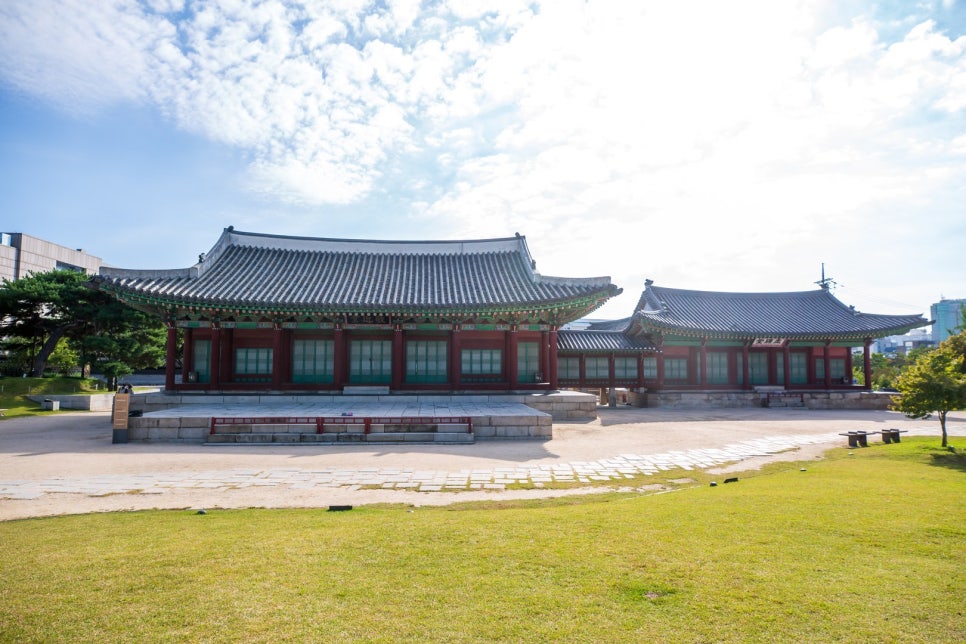
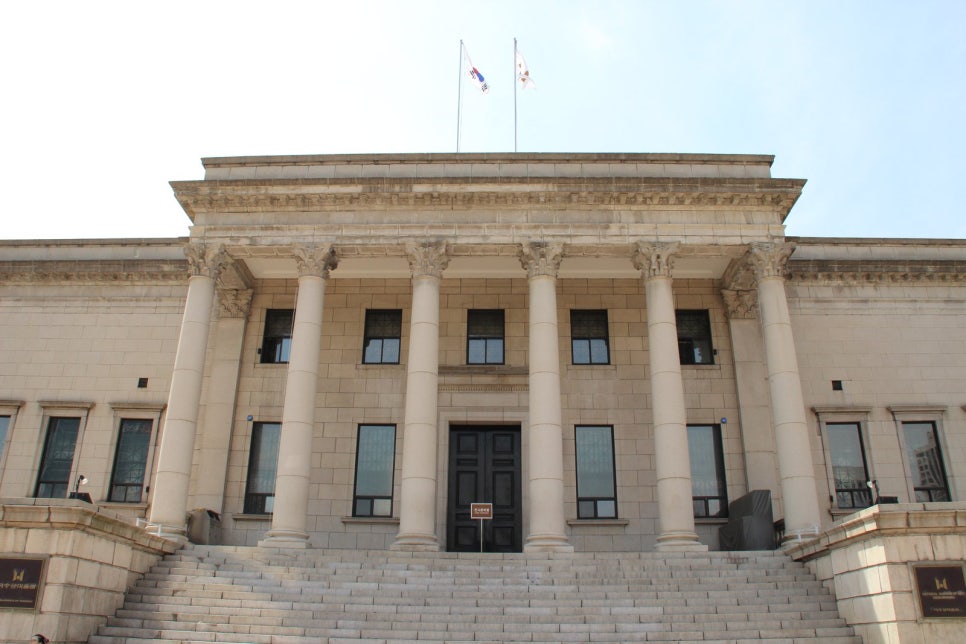
Most museum tours are about what is hanging on the walls. This one is about the walls, and about a piece of ground in Sogyeok-dong that has been four quite different things in a hundred and sixty years. Whether or not you take the tour — it is in Korean, and the receiver loan needs a Korean ID — the layering is visible to anyone walking the courtyards, and knowing what you are looking at changes the building completely.
Four periods on one site
What has stood here
- 1866
- The Jongchinbu, the office of the royal clan, is enlarged under the Heungseon Daewongun. Its Gyeongeundang and Okcheopdang halls are rebuilt; the complex reaches 302 bays
- 1928
- Part of the site is taken over and the teaching hospital of Keijo Medical College opens on it
- 1932–33
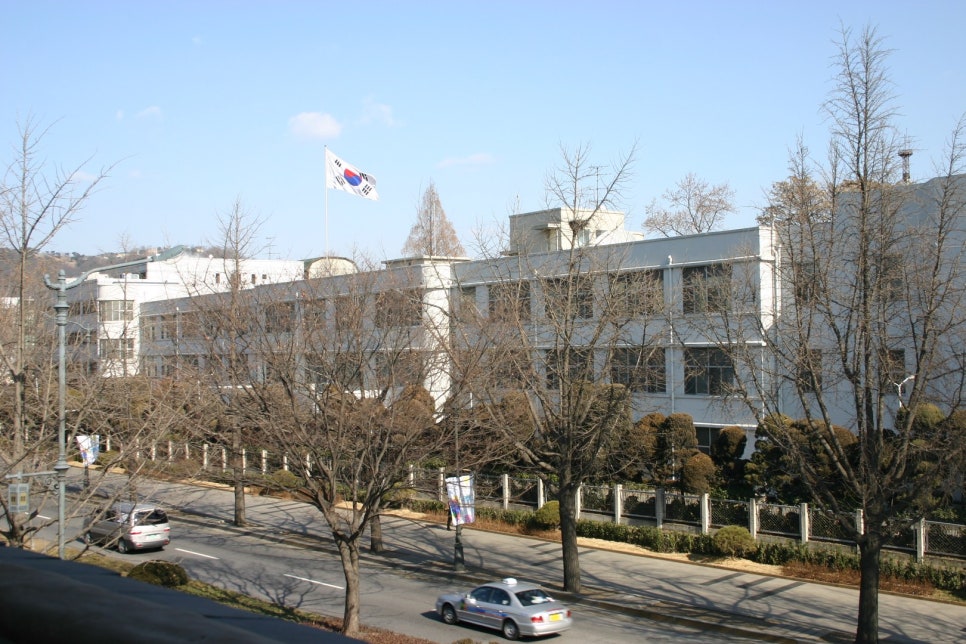
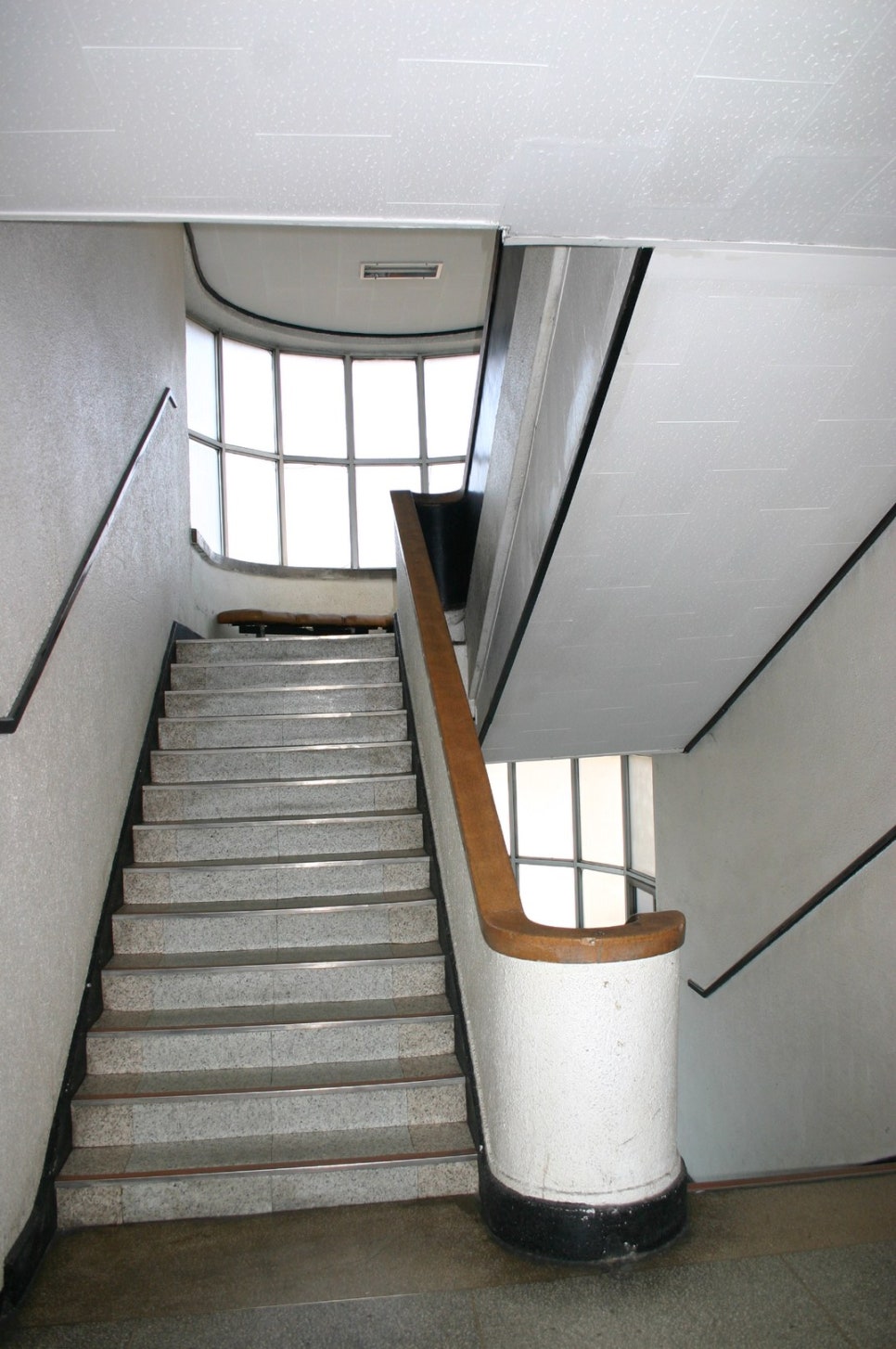
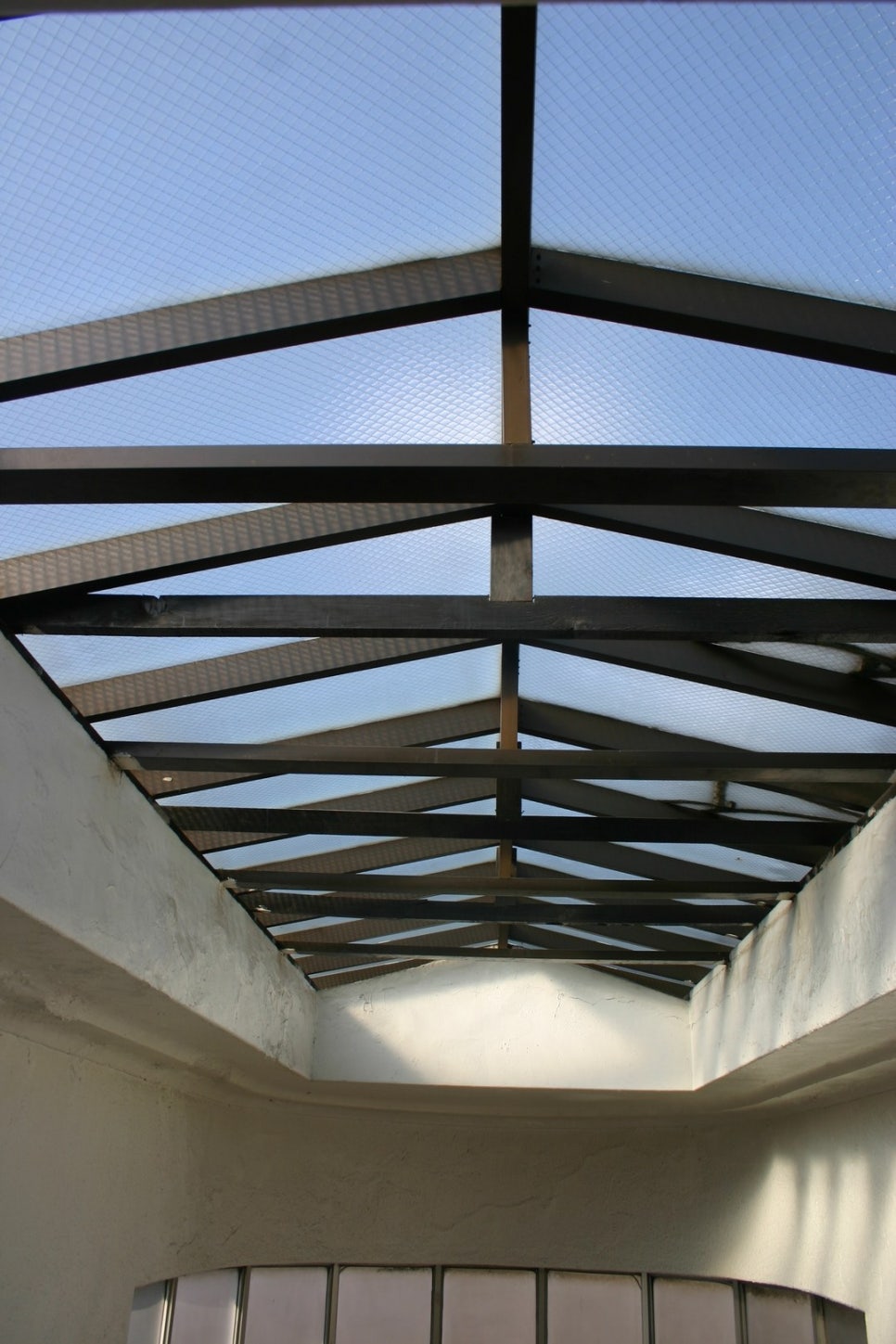
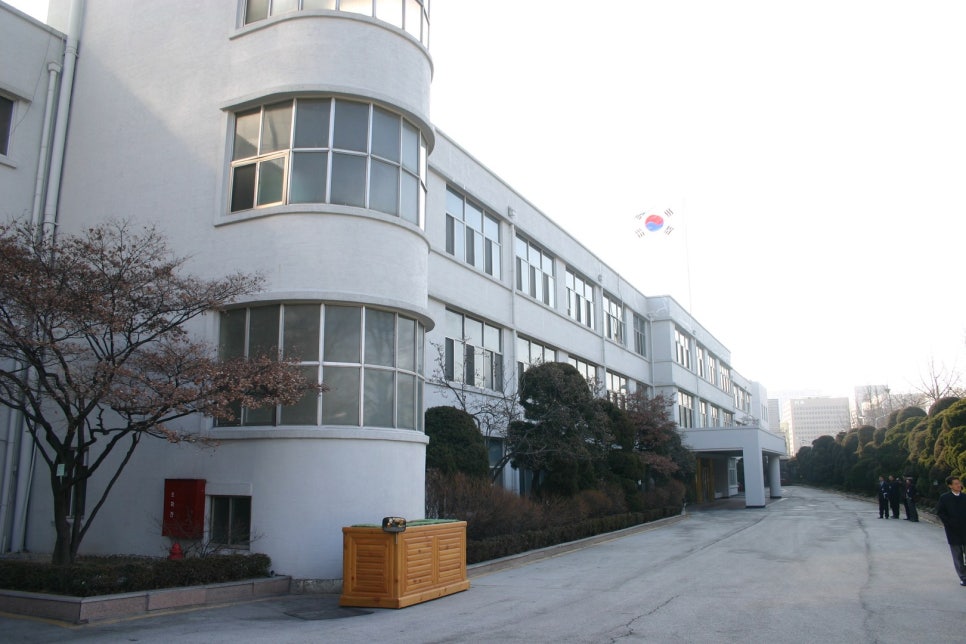
- A three-storey reinforced concrete outpatients building is completed in two phases. This is the building later known as the Defense Security Command headquarters
- After 1945
- It passes to Seoul National University Hospital, then to a military hospital, then to the Defense Security Command
- 1981
- The two Jongchinbu halls are moved off the site altogether
- 2008
- The outpatients building is listed as a registered cultural heritage property
- 2013
- MMCA Seoul opens, and the Jongchinbu halls are returned to the site
The two halls in the courtyard are a Treasure
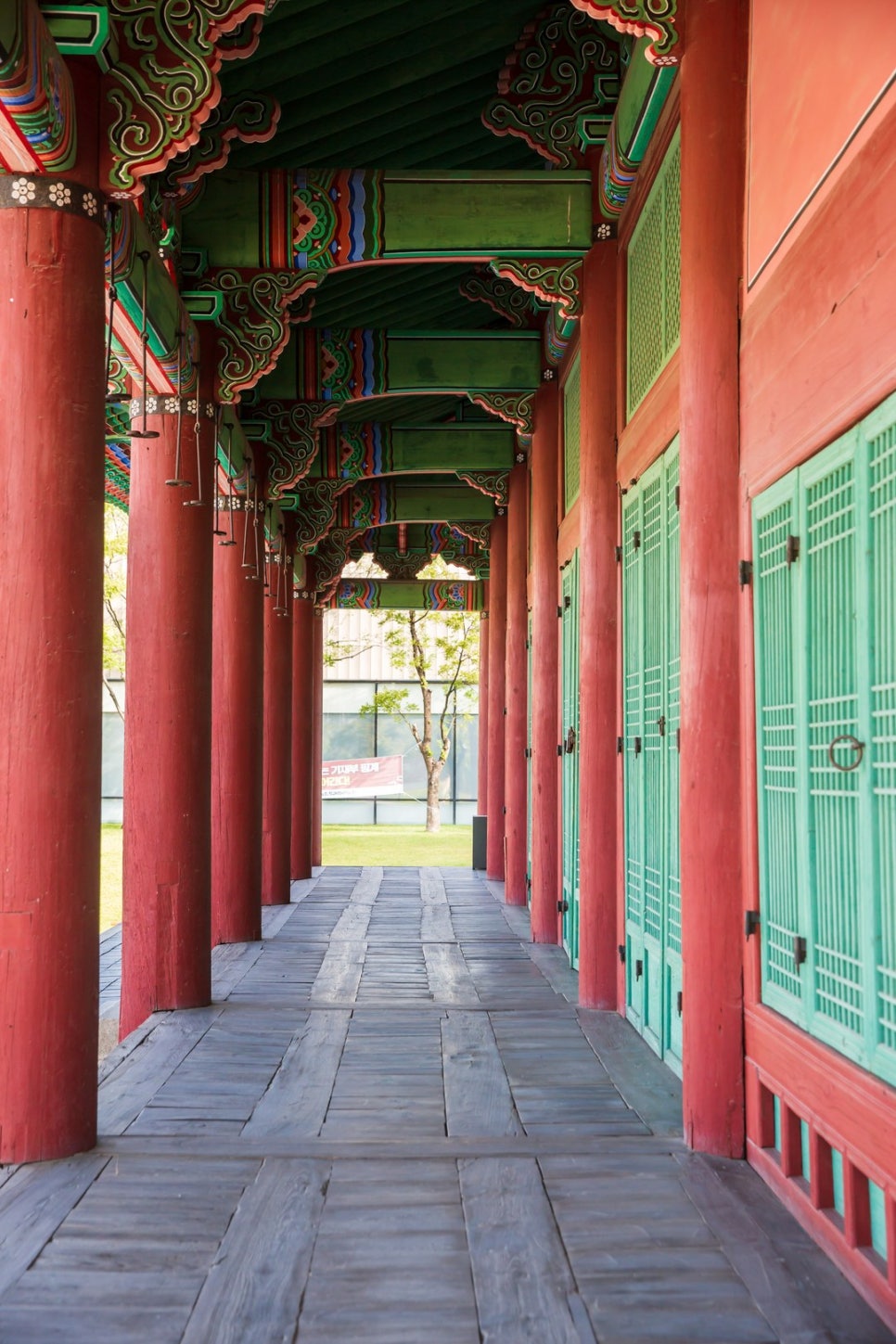
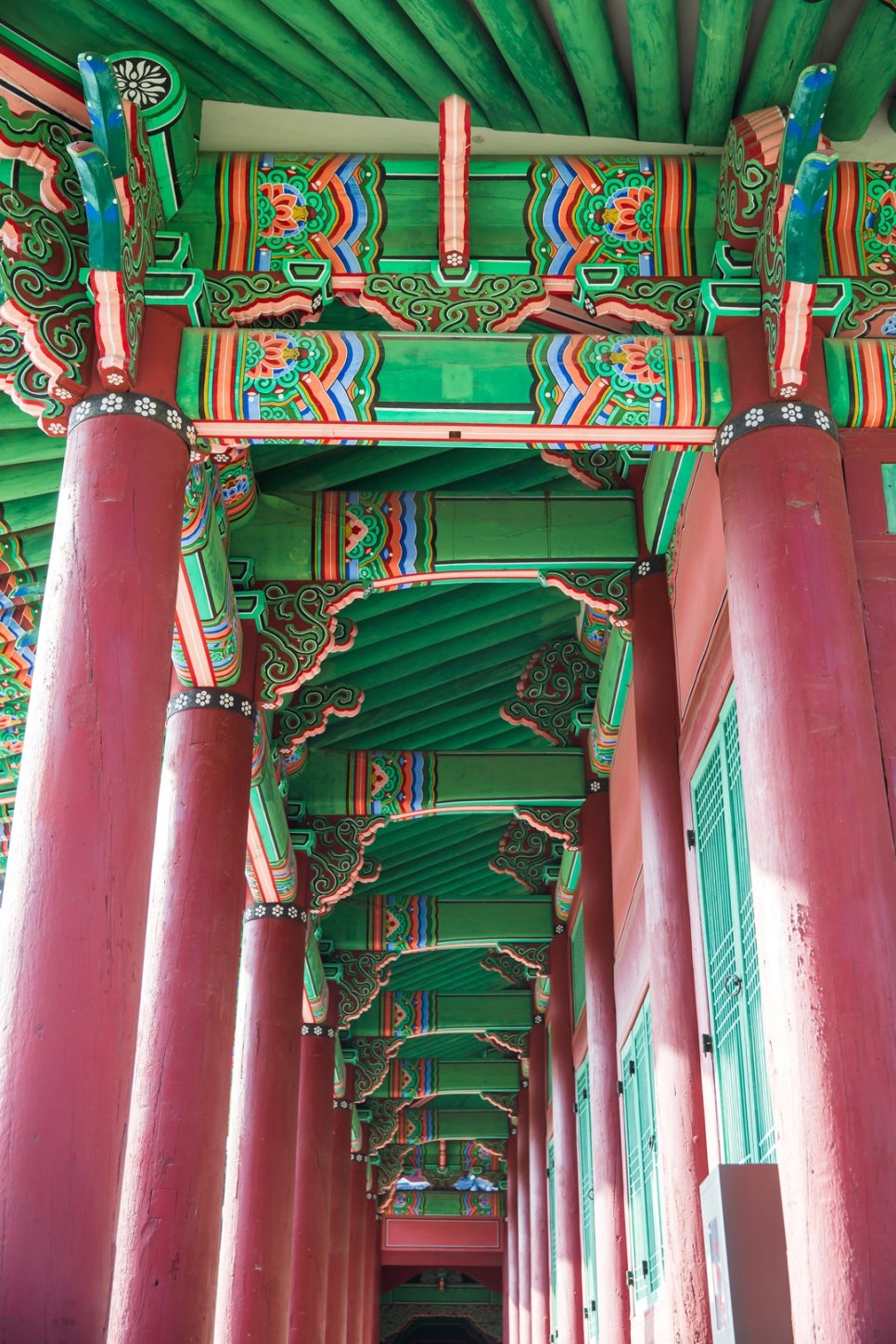
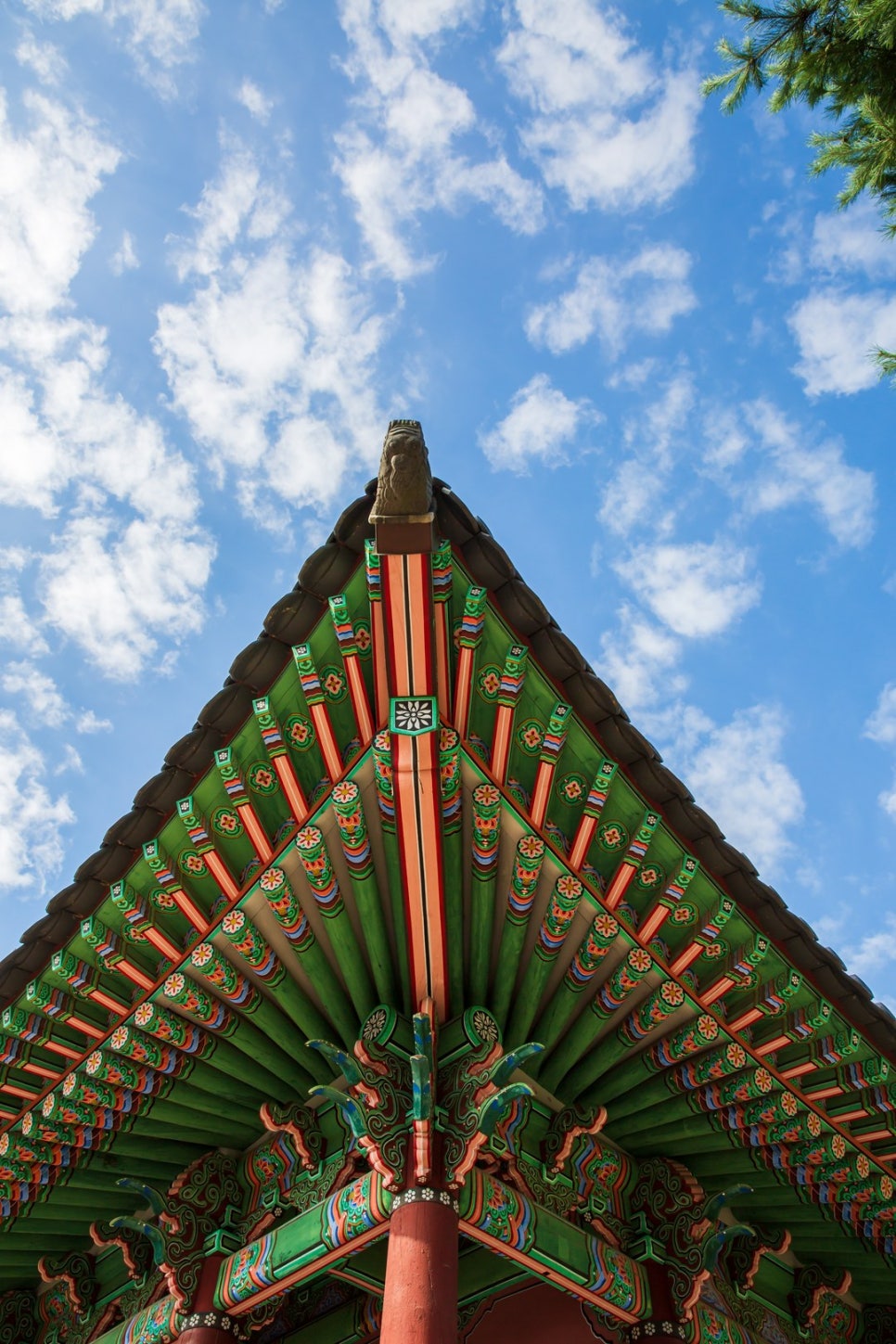
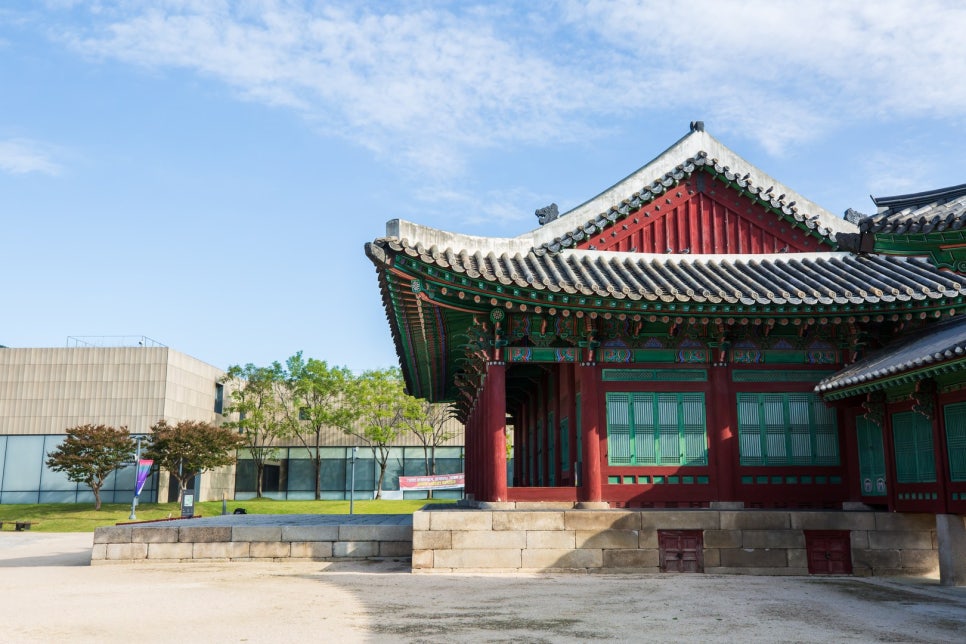
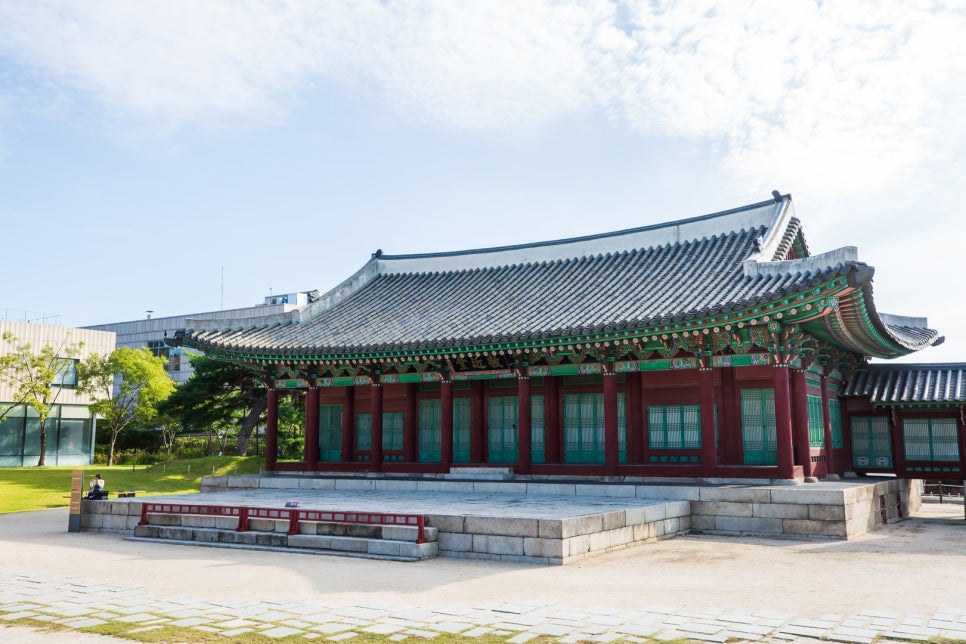
Gyeongeundang and Okcheopdang, the surviving Jongchinbu buildings, stand in one of the museum's courtyards and can be walked around freely. They are worth a minute of attention for one specific reason: the difference between them is deliberate. Gyeongeundang, where royal clansmen assembled, is seven bays by four with a higher bracket type and a wide stone terrace in front; Okcheopdang is five by three with a simpler bracket. The hierarchy is written into the carpentry.
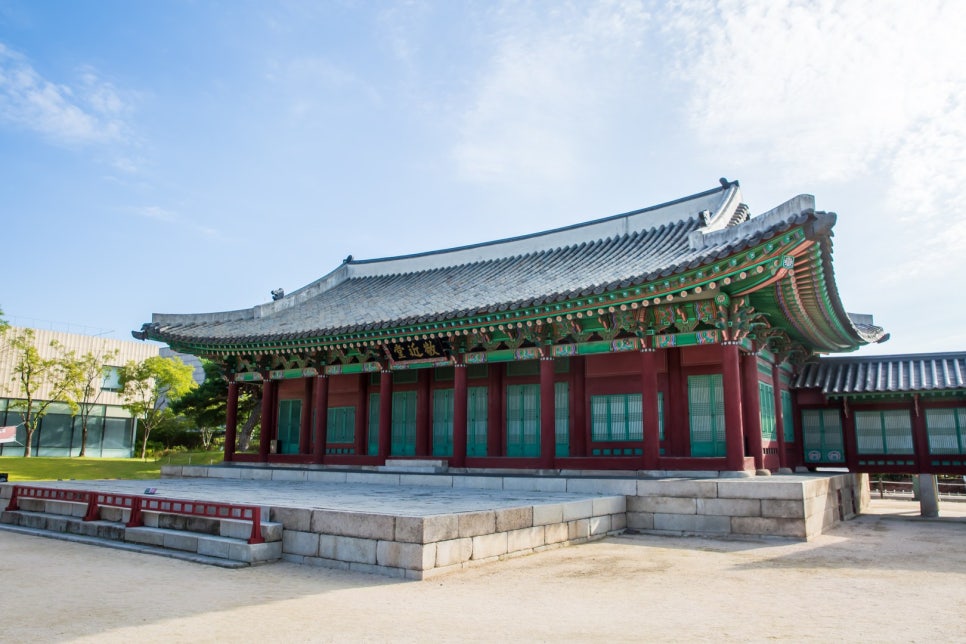
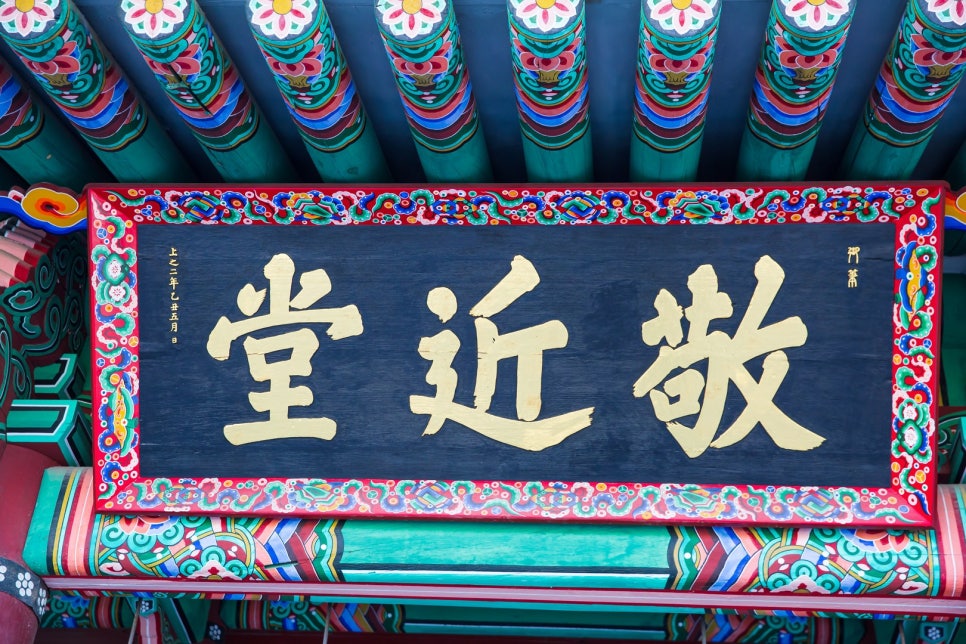
They were moved out of the site in 1981 and brought back in 2013. A good deal of the original timber was reused in that return, and that reuse is part of why they carry Treasure designation rather than being treated as a reconstruction.
A museum without a wall
The architect's move on this site was to refuse a single front door. MMCA Seoul is organised around six courtyards, entered from different streets, so the museum is something you pass through rather than into. One of them is sunk below ground to bring daylight into the underground galleries; another frames the roofline of Gyeongbokgung over the wall. If you only have ten minutes, walking the courtyards is the building's argument in short form.
The tour itself
2026 schedule, Fridays 11:00–11:50am
- September
- 4 and 11 (finished), 18
- October
- 2, 16, 23, 30
- November
- 6, 13, 20
- Meet at
- The red postbox beside the museum shop, MMCA Seoul
- Sign-up
- On site from 10:50am, thirty places, first come
- Bring
- A physical ID card — a mobile copy is not accepted
Confirm before travelling for it
This schedule is from the museum's own news post. Cancellations and time changes are posted to the same board, so check it or ring 02-3701-9605 before making a special trip. Exhibition admission is separate from the tour.
MMCA Seoul in numbers
The building
- Opened
- 12 November 2013, public from the following day
- Architect
- Min Hyun-jun, mpArt
- Site area
- 27,264 m²
- Floor area
- 52,125 m²
- Spaces
- Eight galleries plus a multi-purpose hall, cinema, library and digital archive
- Address
- 30 Samcheong-ro, Jongno-gu — Anguk Station, Line 3, exit 1
- Hours
- Mon, Tue, Thu, Fri, Sun 10:00am–6:00pm; Wed and Sat 10:00am–9:00pm
Before you go
- Be at the postbox before 10:50am. Sign-up starts ten minutes before and closes at thirty people.
- Take a physical ID card. It is held against the receiver and returned at the end.
- Part of the route is outdoors, across the courtyards and around the restored halls — dress and shoes accordingly.
- It is in Korean. No foreign-language version has been announced.
- The tour is free but the galleries are not. If you plan to see the exhibitions afterwards, check what is on and what it costs.
Frequently asked questions
- Q. Do I need to book the architecture tour?
- No, and you cannot. Names are taken on site from 10:50am by the red postbox beside the museum shop, with thirty places per session on a first-come basis. Individual visitors are given priority over groups.
- Q. Does it cost anything?
- The tour is free. Exhibition admission is separate and is not included, so if you want to see the galleries afterwards check the current prices — and remember admission is free after 6pm on Wednesdays and Saturdays.
- Q. Is it available in English?
- No. It is conducted in Korean and no foreign-language version has been announced. The courtyards, the restored Jongchinbu halls and the former hospital building can all be walked and read about without the tour.
- Q. Why do I need an ID card?
- To borrow the wireless receiver the guide's commentary is transmitted on. It is held for the duration and returned at the end, and it has to be a physical card — a photograph or mobile version will not be accepted.
- Q. How is this different from an exhibition tour?
- It does not go into the galleries. It walks the site and the building — the Joseon royal office, the 1930s hospital, the courtyards and the underground galleries — and treats the architecture and the history of the ground as the subject.
Sources
- Official notice (Korean)
- Official page (Korean)
- Official page (Korean)
- Official page (Korean)
- Official page (Korean)
- Official page (Korean)
- Official page (Korean)
Written in our own words from the sources above, never copied from them, and every date and price checked against at least two pages. The originals are in Korean. Spotted a mistake? Ask for a correction.
Latest from National Museum of Modern and Contemporary Art, Korea
 National Museum of Modern and Contemporary Art, KoreaEvent22 September 2026EndedFreeMMCA is free across the Chuseok weekend, 24 to 27 September
 National Museum of Modern and Contemporary Art, KoreaNotice22 September 2026MMCA runs a free shuttle between its three buildings, Tuesday to Friday
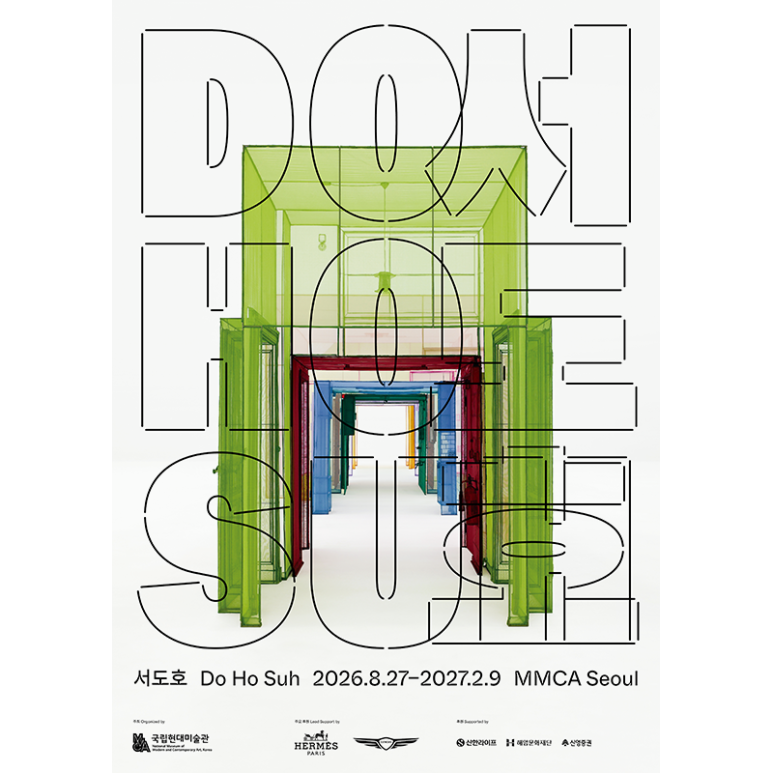 National Museum of Modern and Contemporary Art, KoreaExhibition22 September 2026On nowHow to get into the Do Ho Suh show at MMCA Seoul, where tickets drop weekly