Summary
On 21 September 2026 the Korea Forest Service named 30 of Korea's 194 registered private gardens as its '30 Beautiful Private Gardens', chosen by expert site visits and an online vote of 19,204 people. Half are in Jeonnam-Gwangju in the south-west. Admission and opening hours differ by garden and were not announced. Most gardens are rural and easiest to reach by car, and on-site information is likely to be in Korean only.
Article
In short
- On 21 September 2026 the Korea Forest Service named 30 of the country's 194 registered private gardens as its '30 Beautiful Private Gardens'. A document review narrowed the applicants to 45, and the final 30 combined an expert site visit with an online vote in which 19,204 people took part.
- Fifteen of the 30 are in Jeonnam-Gwangju in the south-west. Boseong has three, the most of any county, and Goheung, Hwasun, Gurye and Tongyeong have two each.
- Sixteen were also on the 2024 list. The Forest Service says it checked that these had been looked after consistently in between.
- The gardens fall into five types: classical charm, country romance, art and culture, rest and recovery, and special theme, with 5, 6, 7, 6 and 6 gardens respectively.
- Admission and opening hours differ by garden and are not part of the announcement. Most gardens are rural and best reached by car, and on-site information is likely to be in Korean only.
A private garden in Korea is one that an individual, company or association has made and keeps up, and opens to the public. Registration began in 2015, and by June 2026 there were 194 of them. They vary so much in size and character that it is hard to know where to start. The Korea Forest Service and the Korea Arboreta and Gardens Institute have now picked a list of 30 for the second time, two years after the first, and it is a good place to begin. This page sorts the official list by region and by type, keeps the addresses in Korean for navigation apps, and adds what someone who does not read Korean needs to know before going.
How were the 30 chosen?
Garden owners applied in May 2026, and a document review cut the field to 45. External experts then visited each garden, and their scores were combined with an online preference vote in which 19,204 people took part to settle the final 30. The Forest Service says that for gardens applying a second time after 2024 it paid particular attention to whether they had been looked after consistently in between. Sixteen were picked again. All 30 receive a 'Beautiful Private Garden' mark. The official in charge recommended the gardens as an autumn outing over the holiday, and said the service plans to develop them into local tourist attractions and places to rest.
How do the five types differ?
The Forest Service sorted the 30 into five groups by character. Deciding what mood you want first narrows the choice quickly. The counts below are our own tally of the official list.
The five types and how many gardens each has (Korea Forest Service)
- Type
- What you go for
- Classical charm (5)
- East Asian gardens built on empty space and natural beauty: Banyawon and Ssangsanjae in Gurye, Solmaeeum Garden in Hwasun, Galmel Garden in Boseong, Gasirim Arboretum in Seogwipo
- Country romance (6)
- Lush planting that changes with the seasons, in a European mood: Yasaenghwa Ilgi in Gyeongju, Grace Garden in Goseong, Jjikbakgol Garden in Inje and others
- Art and culture (7)
- Sculpture and creative spaces set among plants: Gonggan Garden in Cheongju, Sani Garden in Haenam, F1963 in Busan, Hwaga-ui Jeongwon Sanchaek in Suncheon and others
- Rest and recovery (6)
- Woods and views for slowing down with all five senses: Ssukseom Ssukseom in Goheung, Mulbitsori Garden in Tongyeong, Bimirui Hwawon in Chilgok and others
- Special theme (6)
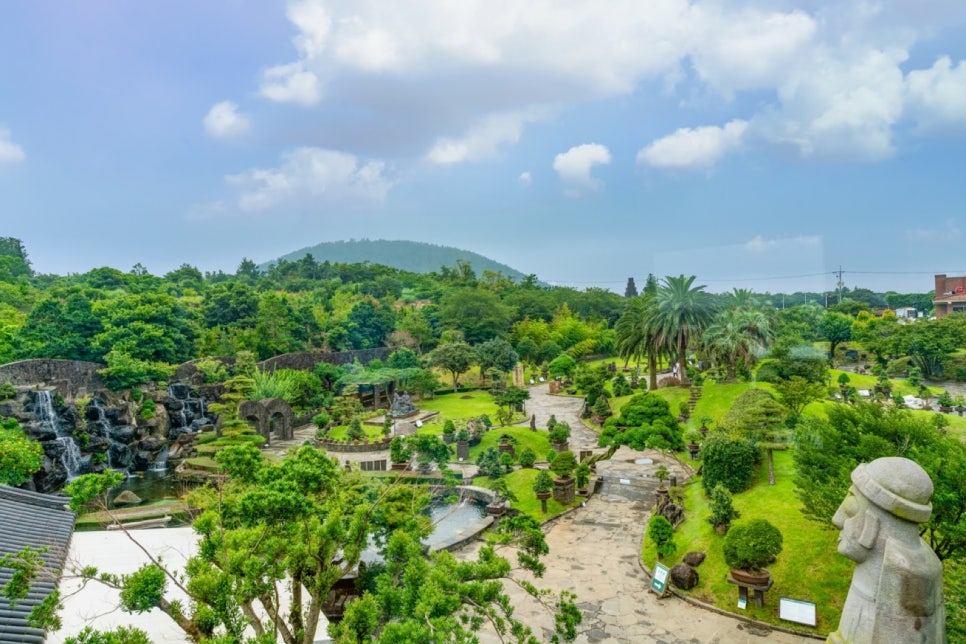
- One clear subject such as bonsai or stone: Spirited Garden in Jeju, Jukhwagyeong in Damyang, Hwasumok in Cheonan and others
A note on the type names
In the body of the press release, the art-and-culture type is a garden 'where art and culture are'; in the attached list it is one 'that holds art and culture'. They are the same type, and we follow the body text.
Which gardens are easiest to reach?
Half of the gardens, 15, are in Jeonnam-Gwangju in the south-west, so a trip there can string two or three together in a day. The closest to Seoul are Hwasumok Beautiful Garden in Cheonan and Gonggan Garden in Cheongju, and Jjikbakgol Garden in Inje fits a trip to the Seoraksan area.
Gardens by region
- Region
- Gardens
- Jeonnam-Gwangju (15)
- Sani Garden (Haenam) · Ssukseom Ssukseom and Hadamjeong (Goheung) · Solmaeeum Garden and Mudeungsan Bau Garden (Hwasun) · Mongbereu (Hampyeong) · Galmel, Seongnim and Seonyuwon (Boseong) · Haneulbit Arboretum Garden (Jangheung) · Jukhwagyeong (Damyang) · Banyawon and Ssangsanjae (Gurye) · Dreaming Garden (Yeosu) · Painter's Garden Walk (Suncheon)
- South Gyeongsang (4)
- Chunhwaui Garden and Mulbitsori Garden (Tongyeong) · Grace Garden (Goseong) · Mollangtteul Garden (Hadong)
- North Gyeongsang (2)
- Bimirui Hwawon (Chilgok) · Yasaenghwa Ilgi (Gyeongju)
- Ulsan (2)
- Nauije (Buk-gu) · Five Seasons Garden (Ulju)
- Jeju (2)
- Gasirim Arboretum (Seogwipo) · Spirited Garden (Jeju City)
- One each: South and North Chungcheong, North Jeolla, Busan, Gangwon
- Hwasumok (Cheonan) · Gonggan Garden (Cheongju) · Jeongeup Deulkkot Madang (Jeongeup) · F1963 (Busan) · Jjikbakgol Garden (Inje)
All 30 gardens, with addresses
These are in the order the Forest Service received the applications, as listed in its final results. The addresses are copied in Korean from the official list. Paste them into Naver Map or Kakao Map rather than Google Maps, which is weak on Korean rural addresses. Where an address is a land-lot number or covers several plots (marked 외), searching the garden's Korean name is more reliable.
30 Beautiful Private Gardens 2026, in order of application
- Garden (place)
- Type · address as given by the Forest Service
- 1. Hwasumok Beautiful Garden (아름다운정원 화수목), Cheonan, South Chungcheong
- Special theme · (천안시 동남구 목천읍 교천지산길 175)
- 2. Sani Garden (산이정원), Haenam, Jeonnam-Gwangju
- Art and culture · (해남군 산이면 구성리 664)
- 3. Ssukseom Ssukseom Healing Park (힐링파크 쑥섬쑥섬), Goheung, Jeonnam-Gwangju
- Rest and recovery · (고흥군 봉래면 쑥섬길 43)
- 4. Bimirui Hwawon (Secret Garden) (비밀의화원), Chilgok, North Gyeongsang
- Rest and recovery · (칠곡군 동명면 득명2길 97-21)
- 5. Solmaeeum Garden (솔매음정원), Hwasun, Jeonnam-Gwangju
- Classical charm · (화순군 이양면 개기로 1105)
- 6. Hampyeongcheonji Mongbereu (함평천지 몽베르), Hampyeong, Jeonnam-Gwangju
- Country romance · (함평군 학교면 죽정리 494-1 외)
- 7. Gonggan Garden (공간정원), Cheongju, North Chungcheong
- Art and culture · (청주시 상당구 목련로 106-22)
- 8. Mudeungsan Bau Garden (무등산바우정원), Hwasun, Jeonnam-Gwangju
- Special theme · (화순군 화순읍 안양산로 616-2)
- 9. Chunhwaui Garden (춘화의정원), Tongyeong, South Gyeongsang
- Special theme · (통영시 도산면 도산일주로 56)
- 10. Jeongeup Deulkkot Madang (Wildflower Yard) (정읍들꽃마당), Jeongeup, North Jeolla
- Special theme · (정읍시 정읍사로 388)
- 11. Galmel Garden (갈멜정원), Boseong, Jeonnam-Gwangju
- Classical charm · (보성군 웅치면 봉산리 106-12)
- 12. Grace Garden (그레이스정원), Goseong, South Gyeongsang
- Country romance · (고성군 상리면 삼상로 1312-71)
- 13. Seongnim Garden (성림정원), Boseong, Jeonnam-Gwangju
- Rest and recovery · (보성군 겸백면 수남리 1-6 외)
- 14. Hadamjeong (하담정), Goheung, Jeonnam-Gwangju
- Art and culture · (고흥군 영남면 팔영로 1081)
- 15. Haneulbit Arboretum Garden (하늘빛수목정원), Jangheung, Jeonnam-Gwangju
- Rest and recovery · (장흥군 용산면 장흥대로 2746)
- 16. Gasirim Arboretum (가시림수목원), Seogwipo, Jeju
- Classical charm · (서귀포시 표선면 녹산로5번길 1)
- 17. Jukhwagyeong (죽화경), Damyang, Jeonnam-Gwangju
- Special theme · (담양군 봉산면 유산리 190 외)
- 18. Seonyuwon, the Dreaming Forest (꿈꾸는 숲 선유원), Boseong, Jeonnam-Gwangju
- Rest and recovery · (보성군 보성읍 녹차로 1047-190)
- 19. Spirited Garden (생각하는정원), Jeju City, Jeju
- Special theme · (제주시 한경면 저지리 1534)
- 20. Nauije (나우이제), Buk-gu, Ulsan
- Art and culture · (울산 북구 제내4길 16-6)
- 21. Banyawon (반야원), Gurye, Jeonnam-Gwangju
- Classical charm · (구례군 광의면 한국통신로 83-22)
- 22. Kkumkkuneun Jeongwon (Dreaming Garden) (꿈꾸는 정원), Yeosu, Jeonnam-Gwangju
- Country romance · (여수시 소호동 1059)
- 23. Ogyejeol Garden (Five Seasons Garden) (오계절정원), Ulju, Ulsan
- Art and culture · (울주군 두동면 박제상로 294-108)
- 24. Mulbitsori Garden (물빛소리정원), Tongyeong, South Gyeongsang
- Rest and recovery · (통영시 도산면 수월리 655-3 일원)
- 25. Ssangsanjae (쌍산재), Gurye, Jeonnam-Gwangju
- Classical charm · (구례군 마산면 장수길 3-2)
- 26. Mollangtteul Garden (몰랑뜰정원), Hadong, South Gyeongsang
- Country romance · (하동군 청암면 깊은골길 2-1)
- 27. Yasaenghwa Ilgi (Wildflower Diary) (야생화일기), Gyeongju, North Gyeongsang
- Country romance · (경주시 강동면 오금큰길 332-6)
- 28. F1963, Suyeong-gu, Busan
- Art and culture · (부산 수영구 구락로123번길 20)
- 29. Hwaga-ui Jeongwon Sanchaek (Painter's Garden Walk) (화가의 정원산책), Suncheon, Jeonnam-Gwangju
- Art and culture · (순천시 별량면 장학길 34)
- 30. Jjikbakgol Garden (찍박골정원), Inje, Gangwon
- Country romance · (인제군 하우고개길 171-66)
What should you check before going?
Unlike public arboretums, private gardens are run by their owners, so admission, closing days and booking rules differ from garden to garden and can change with the seasons. The announcement itself carries no opening information, so check the garden's own website, social media or phone line before setting out.
- Admission and hours: some gardens are free, some charge admission, and some ask you to buy a drink instead. This is what has been reported; the announcement itself lists no prices.
- Booking: some gardens only let visitors in at set times, or ask you to call ahead.
- Island garden: Ssukseom Ssukseom in Goheung is on an island reached by boat, which may not run in bad weather.
- Winter closing: some gardens close in winter, so check especially carefully from November on.
- Etiquette: these are private spaces their owners have tended for years. Stay on the paths, and do not touch or pick the plants.
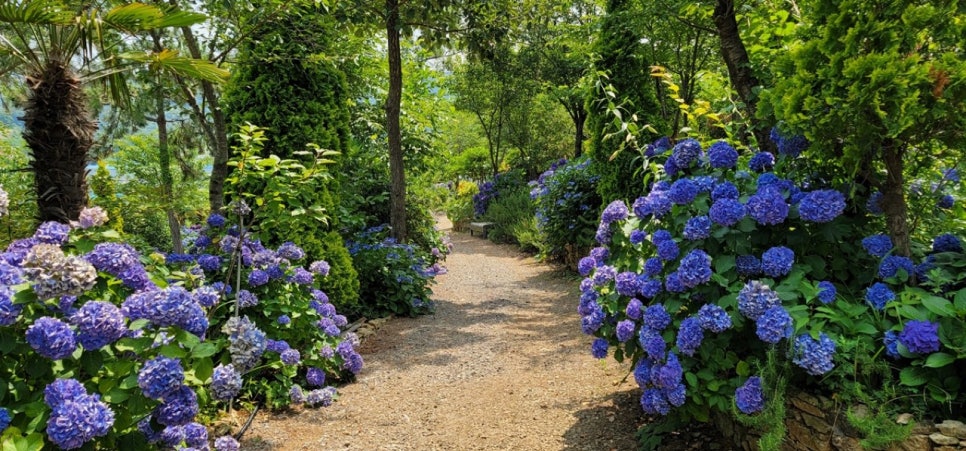
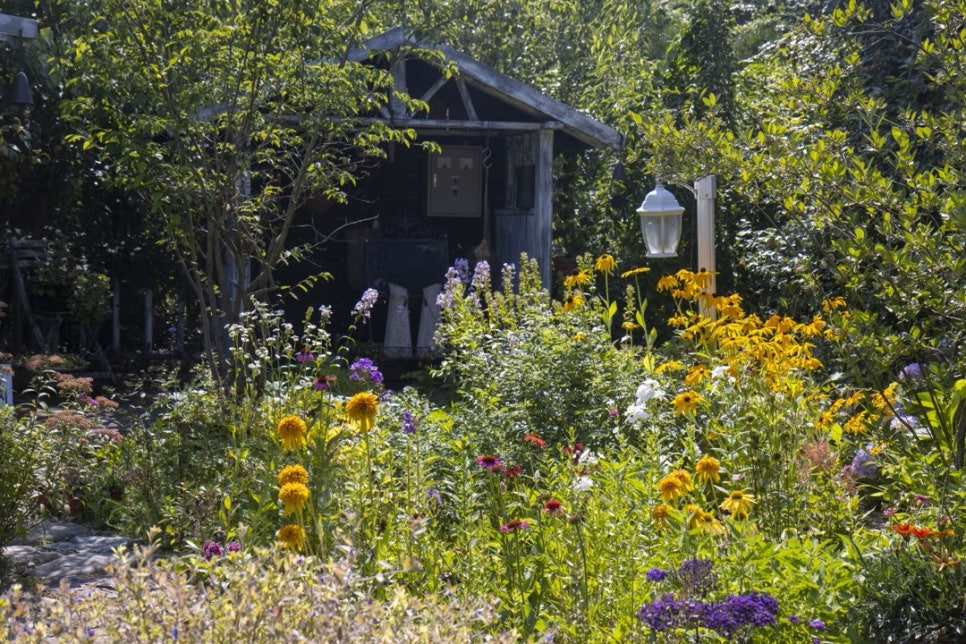
The photos are from summer
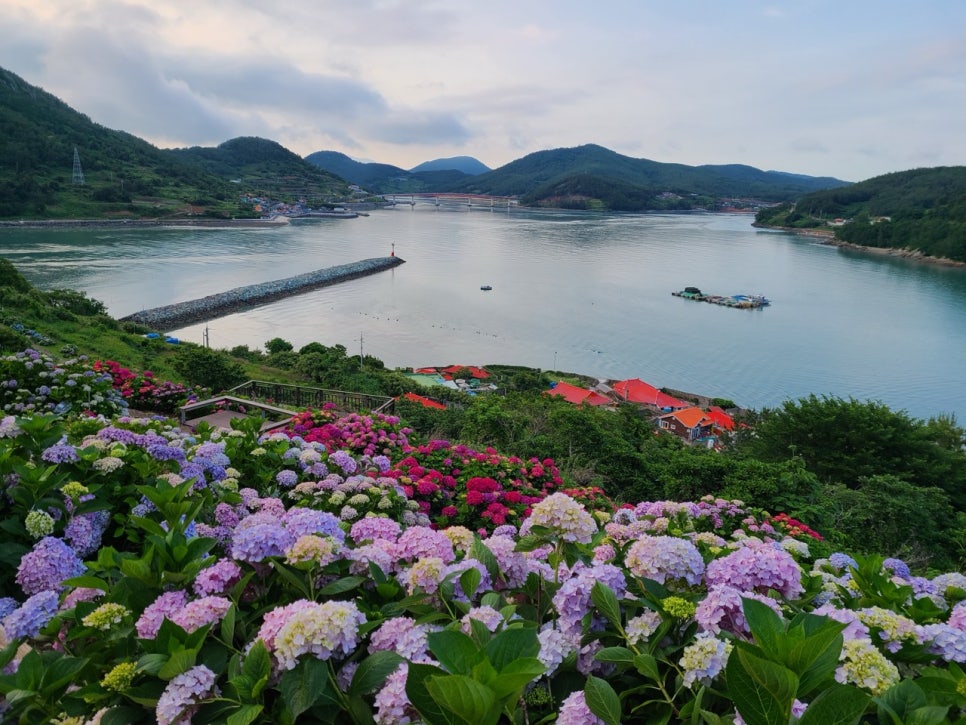
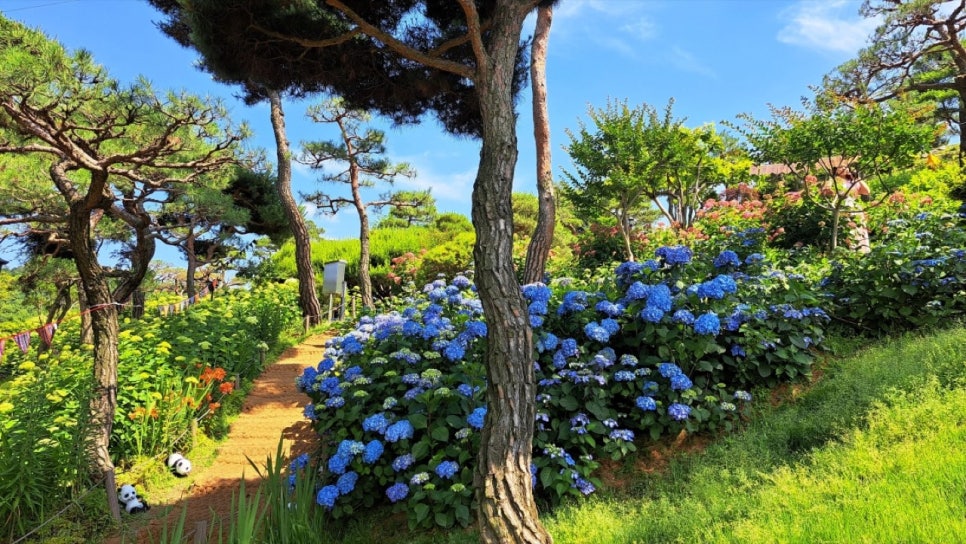
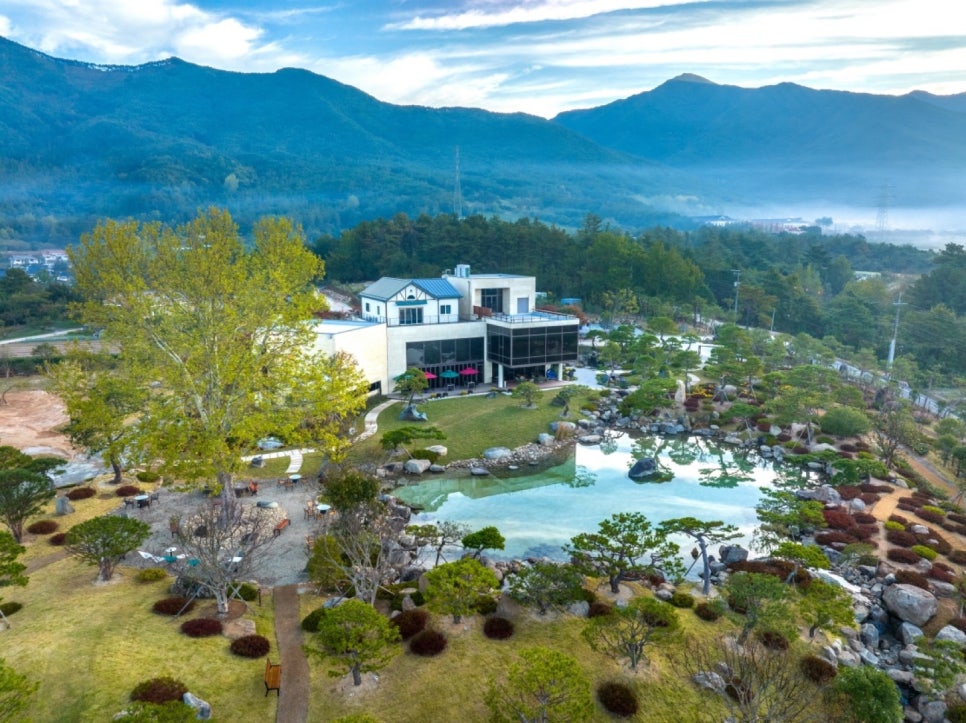
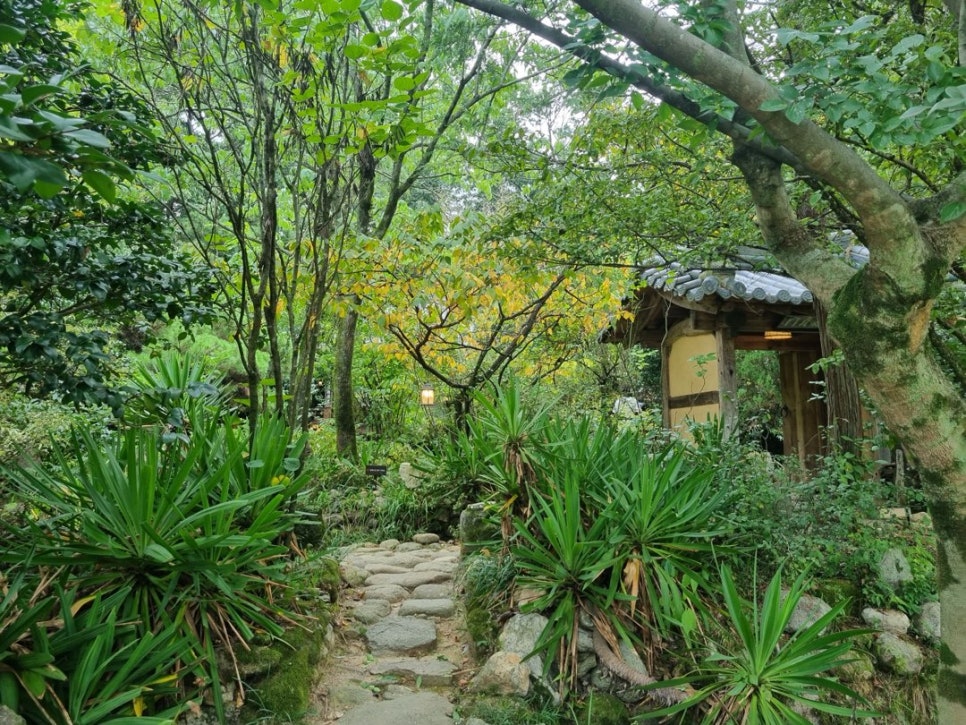
All the photos here are summer (hydrangea-season) press photos from the Korea Forest Service, and those of Ssukseom Ssukseom, Ssangsanjae and Yasaenghwa Ilgi date from 2024. The gardens look different in autumn and may have changed since.
Getting there without Korean
Most of these gardens are in the countryside, and few are near a railway station. A realistic plan is to take the KTX or an express bus to the nearest city (Suncheon, Gwangju, Mokpo or Yeosu for the south-west; Gyeongju or Ulsan for the south-east) and continue by rental car or taxi. The city exceptions are F1963 in Busan and Nauije in Ulsan. Spirited Garden in Jeju is a long-established stop on west-Jeju tours. We have not checked the signage at each garden. Most are small owner-run places, so assume information is in Korean only and keep a translation app ready. Where a garden asks you to call ahead, the call will usually be in Korean, so ask your accommodation to make it for you. Ssukseom Ssukseom is on an island reached by a short boat crossing, and the boat does not run in bad weather.
Frequently asked questions
- Q. How were Korea's 30 Beautiful Private Gardens chosen?
- Owners applied in May 2026, and a document review narrowed the field to 45. The final 30 combined an expert site visit with an online vote in which 19,204 people took part. The Korea Forest Service announced the list on 21 September 2026.
- Q. Where can I see the full 2026 list?
- The Korea Forest Service press release, published on the government's Korea.kr briefing site, has all 30 gardens with type and address in Korean. The list on this page gives the same 30 with romanised names.
- Q. Are Korea's private gardens free to visit?
- It depends on the garden. Some are free, some charge admission, and some ask you to buy a drink instead. The announcement lists no prices, so check with each garden before you go.
- Q. Which region has the most of the 30 gardens?
- Jeonnam-Gwangju in the south-west has 15, half the list. Boseong county has the most of any county, with three: Galmel Garden, Seongnim Garden and Seonyuwon.
- Q. Were any of the gardens also on the 2024 list?
- Yes. Sixteen of the 30 were picked for a second time, and the Forest Service says it paid particular attention to how well they had been looked after since.
- Q. Is it worth going if I do not read Korean?
- Yes, if you have a car or are happy to take taxis from the nearest city. A garden needs little explaining. The difficulties are practical: most gardens are rural, information on site is likely to be in Korean only, and any call to check hours or book will be in Korean. Spirited Garden in Jeju and F1963 in Busan are the easiest places to start.
Editor's note · Kang Shin-wook
For visitors planning an autumn day out among Korea's gardens: the official list of 30, sorted by region and type, with the Korean addresses kept for navigation apps. To compare them with the national arboretums and gardens, see Arboretums and gardens at a glance.
Sources
- Official notice (Korean)
- BusinessKorea: Korea Forest Service names 30 Beautiful Private Gardens (Korean)
- Nocut News: Fifteen private gardens in Jeonnam-Gwangju selected (English)
Written in our own words from the sources above, never copied from them, and every date and price checked against at least two pages. The originals are in Korean. Spotted a mistake? Ask for a correction.