Exhibition·Gimhae National MuseumOn nowFree
Gimhae shows a camel-shaped pot from a Gaya grave, free, until February
Summary
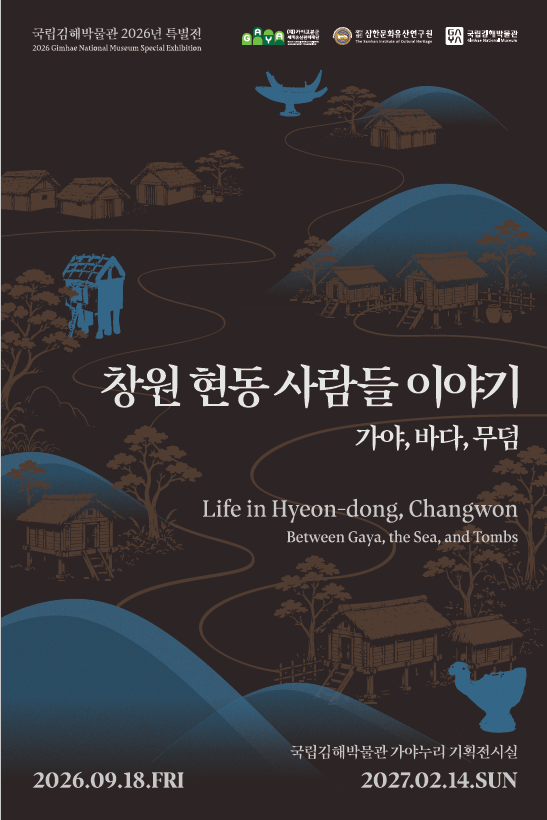
Gimhae National Museum opens the first full exhibition of the Changwon Hyeondong site on 18 September, running to 14 February 2027. Some 951 objects from a cemetery of more than 900 graves go on show, including the first camel-shaped pottery found in Korea from the Three Kingdoms period, displayed alongside two boat-shaped vessels. Admission is free and no booking is needed; it closes on Mondays.
Article
In short
- The exhibition runs 18 September 2026 to 14 February 2027 on the third floor of Gimhae National Museum, and admission is free with no booking.
- It closes on Mondays, and on 1 January, Seollal and Chuseok. Last admission is 5:30pm, half an hour before closing.
- 951 objects from the Changwon Hyeondong cemetery are shown, including the first camel-shaped pottery found in Korea from this period.
- Two boat-shaped vessels and the camel vessel appear together for the first time, alongside tactile exhibits and a hands-on activity for children.
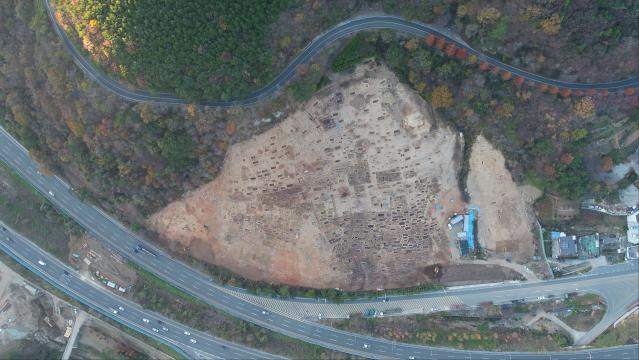
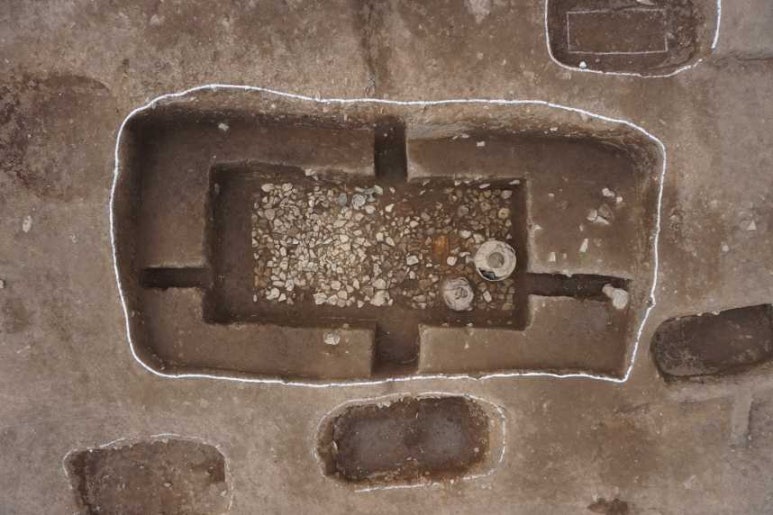
Gimhae was the seat of Geumgwan Gaya, and its national museum is where the Gaya confederacy is explained. This autumn it turns to a single site: a cemetery at Hyeondong in nearby Changwon where more than nine hundred graves have been identified. It is the first time the site has been presented as a whole, and it is free.
Why there is a camel in a Gaya grave
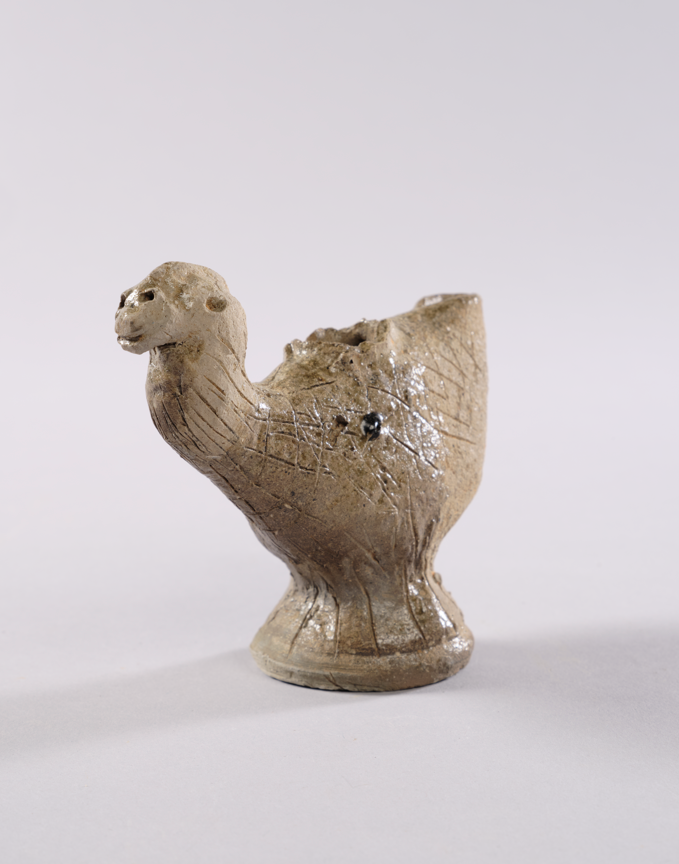
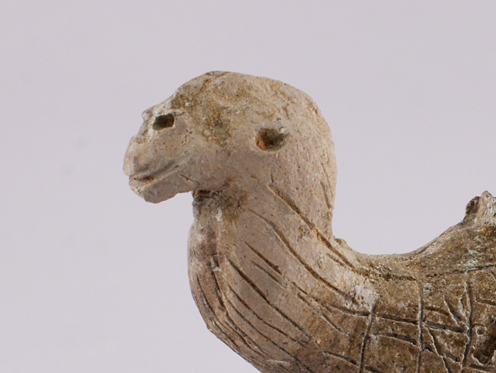
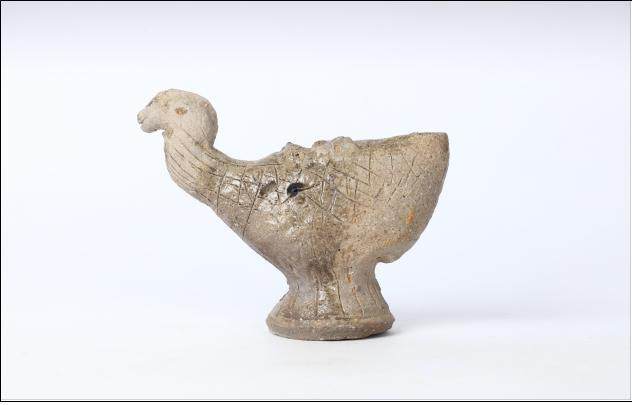
Camels are not native to the Korean peninsula and there is no evidence anyone in fourth-century Gaya had seen one. A pot shaped like one, found in a grave here, is therefore evidence of something else: that an idea of a distant animal travelled down a trade route far enough to be modelled in clay by someone who had only heard it described. It is the earliest such object known from the Three Kingdoms period in Korea.
Boats, and what they were for
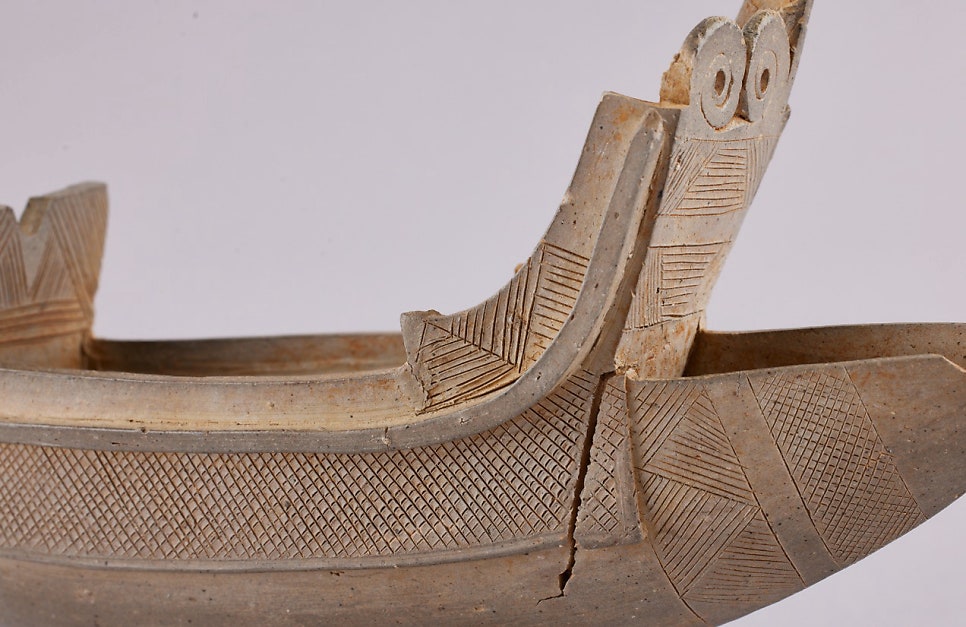
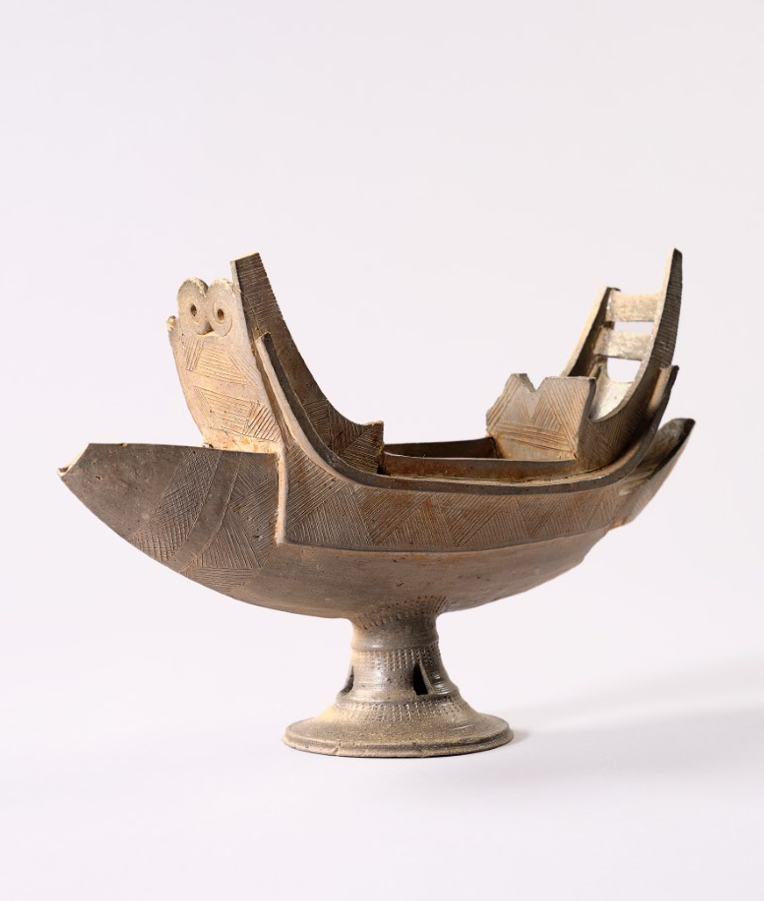
The two boat-shaped vessels shown with it make the same argument from the other direction. Hyeondong sits near the coast, and its people buried models of boats with their dead. Whether those were vehicles for trade, for the journey after death, or for both, they place this community in a maritime network rather than a valley.
Why the grave numbers differ between sources
A 2019 heritage-service release gave the boat vessel as coming from grave 387 and the camel's head from grave 335; the museum's 2026 material gives 399 and 449. We follow the museum's current numbering as the exhibition's organiser. The numbering appears to have been revised during the excavation report, and photographs confirm the same objects are meant.
How the exhibition is laid out
A prologue and three parts
- Prologue: Meeting Hyeondong
- Large-scale projection and sound reconstructing the landscape and people of 1,600 years ago
- Part 1: The world beyond the sea
- The boat and camel vessels, and what the people here understood of places they had not been
- Part 2: Hyeondong as a place to live
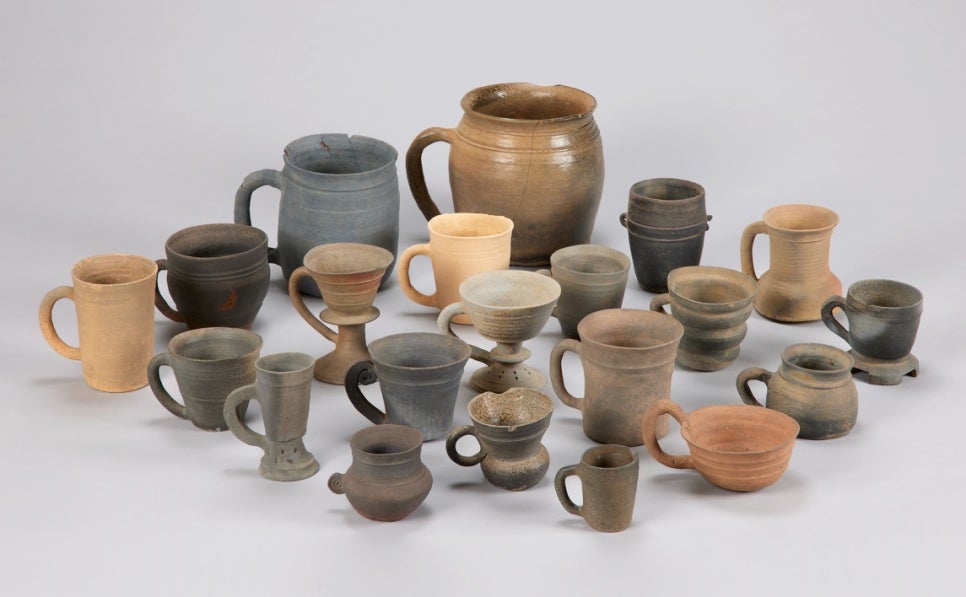
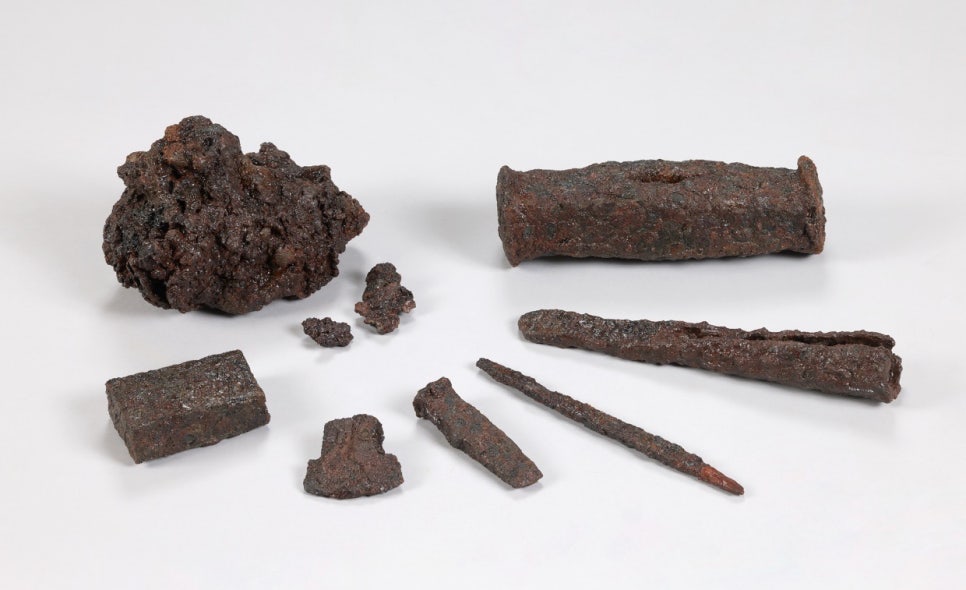
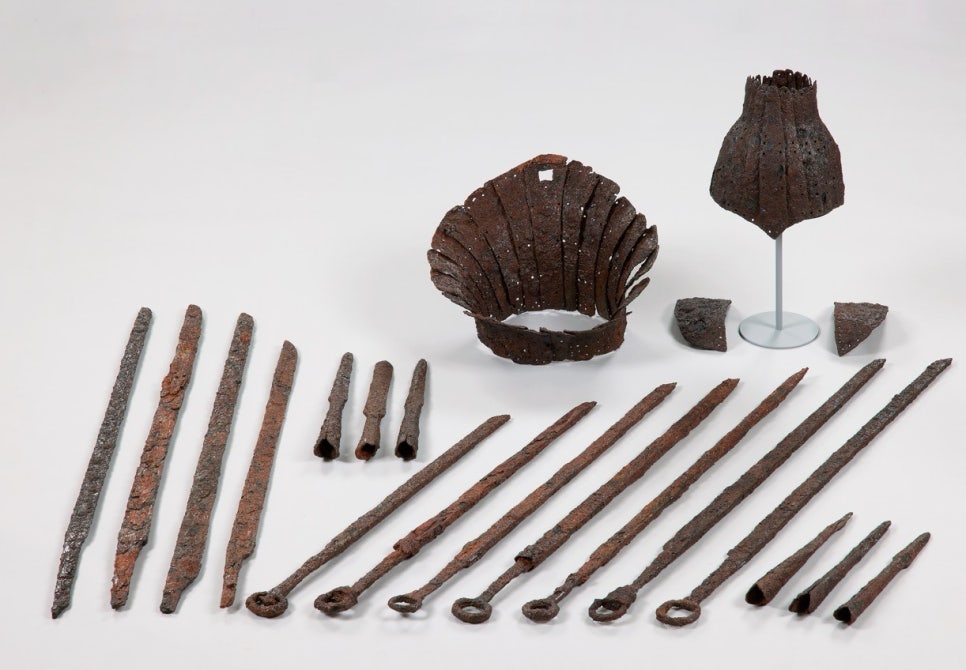
- Farming, manufacture, ironworking and burial — the evidence of ordinary life and death
- Part 3: People who made change
- Trade and growth at the community's height, and the very large graves that appear with it

Iron ingots and the very large graves
Part three turns on a familiar archaeological signal: when a cemetery starts producing graves markedly larger than the rest, something has changed in how the community was organised. At Hyeondong that coincides with iron ingots, the standardised bars that functioned as both material and currency across this region. Gaya's iron is the reason its ports mattered.
Things to touch and smell, not only look at
- Projection and sound in the prologue, reconstructing the valley as it was.
- A scent element, using smell to convey the environment and daily life of the period.
- Tactile exhibits, so blind and partially sighted visitors can handle the forms of the objects.
- A hands-on activity in which children assemble their own grave and its goods.
Before you go
- Closed every Monday, or the next working day when that Monday is a public holiday, plus 1 January, Seollal and Chuseok.
- Open 9:00am to 6:00pm with last admission at 5:30pm.
- Admission is free. The museum's general pages note that special exhibitions may charge, but no charge has been announced for this one.
- The children's museum needs booking by the day before and closes on 17 September for the opening preparations.
- Flash photography, tripods and food are not permitted in the galleries.
Frequently asked questions
- Q. When is the Changwon Hyeondong exhibition on?
- From 18 September 2026 to 14 February 2027, on the third floor of Gimhae National Museum. That is a long run by Korean standards, so there is no particular urgency about catching it.
- Q. How much is it?
- Nothing. Admission to the museum and to this exhibition is free, consistent with the national museums generally, and there is no booking for the main galleries.
- Q. Is the camel pottery really the first found in Korea?
- The first from the Three Kingdoms period, yes, according to the museum. Camels were not present on the peninsula, which is precisely what makes the object interesting — it records an idea that arrived along a trade route rather than an animal that did.
- Q. Is it suitable for children?
- Yes. There is projection and sound, a scent element, objects made to be touched, and an activity in which children build their own grave assemblage. The building is a standard national museum, so it is easy going with a pushchair.
Sources
Written in our own words from the sources above, never copied from them, and every date and price checked against at least two pages. The originals are in Korean. Spotted a mistake? Ask for a correction.