Event·Royal Palaces and Tombs CenterIn 4 daysFree
Jongmyo autumn royal ancestral rite — 7 November, free, no booking
Summary
Chuhyang Daeje, the autumn performance of the Jongmyo royal ancestral rite, takes place at Jongmyo Shrine in Seoul on Saturday 7 November 2026: at Yeongnyeongjeon Hall from 10:00 and at the main hall, Jeongjeon, from 14:00. You watch it as an ordinary visitor with no booking, and Jongmyo's admission is free during the Korea Grand Festival period (29 October – 15 November). The catch for visitors who do not read Korean: Saturday is the one day of the week with no English, Japanese or Chinese guided tour, so come prepared — this article walks through what you will be watching.
Article
In short
- The 2026 Jongmyo Chuhyang Daeje takes place at Jongmyo Shrine in Seoul on Saturday 7 November: the Yeongnyeongjeon rite from 10:00 to 12:00, then the Jeongjeon rite from 14:00 to 16:30.
- There is no sign-up: you enter as an ordinary visitor and watch. From 29 October to 15 November Jongmyo is in the free-admission Korea Grand Festival period, so entry costs nothing.
- On the day (a Saturday) there are five Korean-language guided tours (10:00, 11:00, 13:00, 14:00, 15:00) and no foreign-language tours.
- Chuhyang Daeje is the autumn rite performed by the Jeonju Lee Royal Family Association, separate from the spring Jongmyo Daeje in May hosted by the Korea Heritage Service. Enquiries go to the organising committee (+82 2-765-2124).
- Jongmyo is a five-minute walk from Jongno 3-ga Station (Lines 1, 3 and 5). With no English commentary on the day, read the order of the rite below before you go — it makes the two hours easy to follow.
The Jongmyo royal ancestral rite is best known as the Jongmyo Daeje held on the first Sunday of May, but it is performed once more in autumn. In a notice on 21 October the Royal Palaces and Tombs Center announced that the 2026 Jongmyo Chuhyang Daeje will be held on Saturday 7 November. The rite runs at Yeongnyeongjeon Hall in the morning and at Jeongjeon, the main hall, in the afternoon, and visitors can watch without booking. It also falls in Jongmyo's free-admission period, so there is no entry charge. If you missed the spring rite, this is the chance to see the Jongmyo rite and its ritual music — inscribed together by UNESCO as Intangible Cultural Heritage — among the autumn leaves.
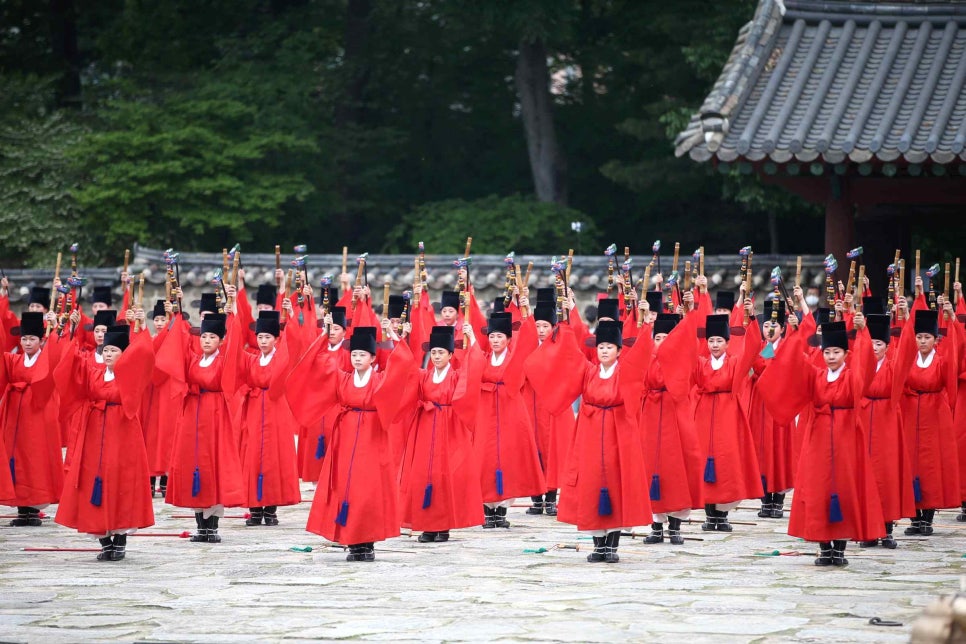
How does 7 November run?
2026 Jongmyo Chuhyang Daeje schedule (Royal Palaces and Tombs Center notice)
- 10:00–12:00
- Rite at Yeongnyeongjeon Hall
- 14:00–16:30
- Rite at Jeongjeon Hall
- Watching
- Enter as an ordinary visitor, no booking needed
- Admission
- Free (Korea Grand Festival period, 29 Oct – 15 Nov)
- Tours (Saturday)
- Korean only, 10:00 · 11:00 · 13:00 · 14:00 · 15:00; no foreign-language tours
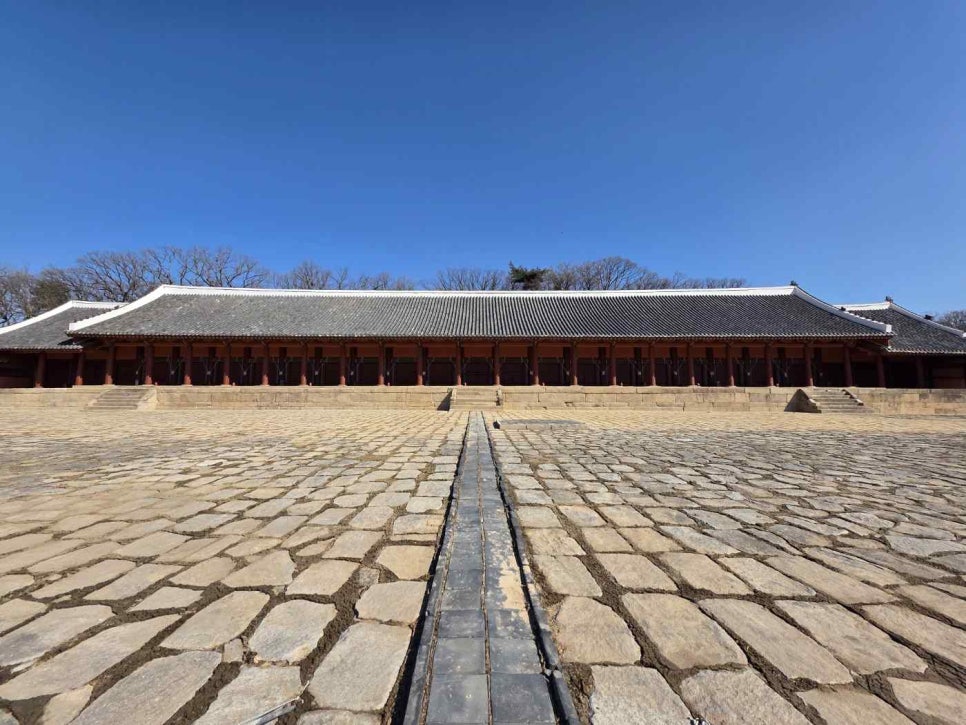
To see both rites, go in before 10am and start at Yeongnyeongjeon, have lunch, then move to Jeongjeon for 2pm. Jeongjeon reopened in 2025 after almost five years of repairs that began in 2020, so seeing a rite in front of it was not possible for some time. On Saturdays Jongmyo's north gate, Buksinmun, is also open, so you can come and go on the Changgyeonggung Palace side.
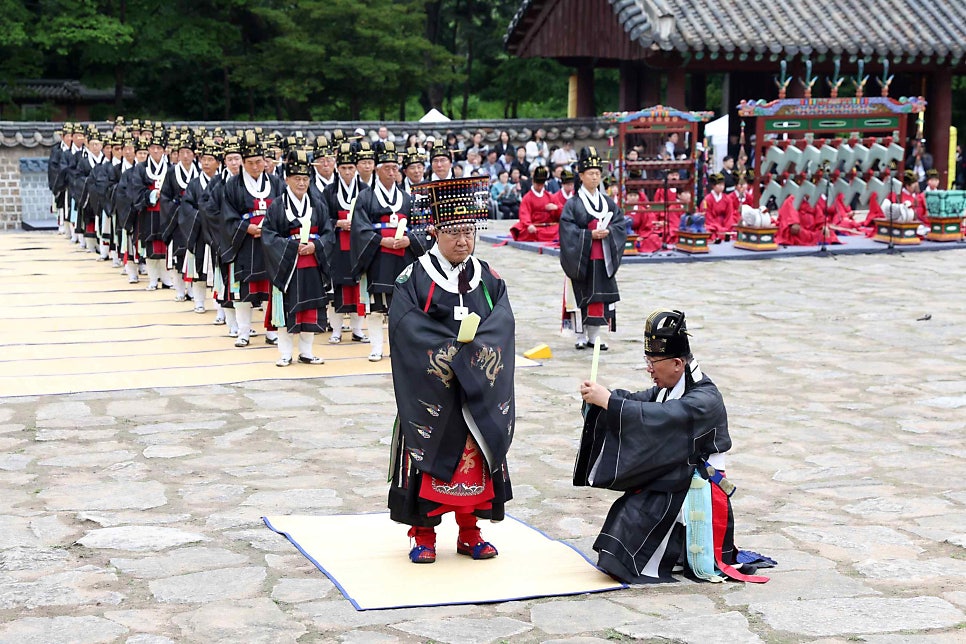
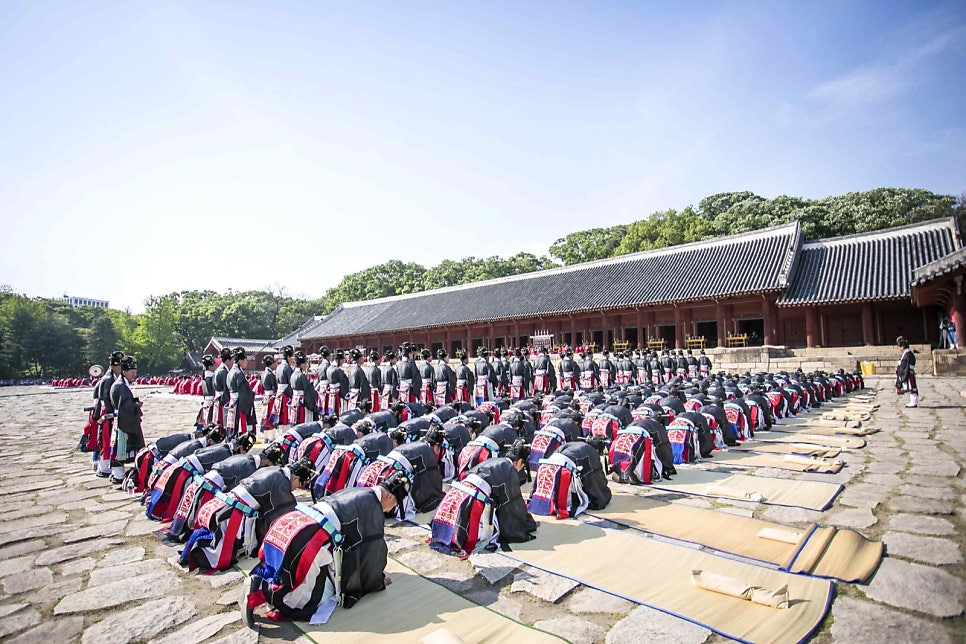
How is it different from the spring Jongmyo Daeje?
The main difference is who holds it. The spring Jongmyo Daeje is the Korea Heritage Service's flagship event; the autumn Chuhyang Daeje is performed by an organising committee of the Jeonju Lee Royal Family Association, the descendants of the Joseon royal house, whose own calendar also lists 'Jongmyo Chuhyang Daeje, 7 November'. The notice does not say whether it is staged on the spring rite's scale, with the full dance troupe and side events, so we do not assume it is.
Scale and rain plans are not in the notice
The Royal Palaces and Tombs Center's notice gives only the times, places and how to watch. It says nothing about the size of the music and dance ensembles or what happens in rain. If the weather looks poor, or you are going for a particular part of the rite, ask the organising committee (+82 2-765-2124) first.
What is the Jongmyo royal ancestral rite?
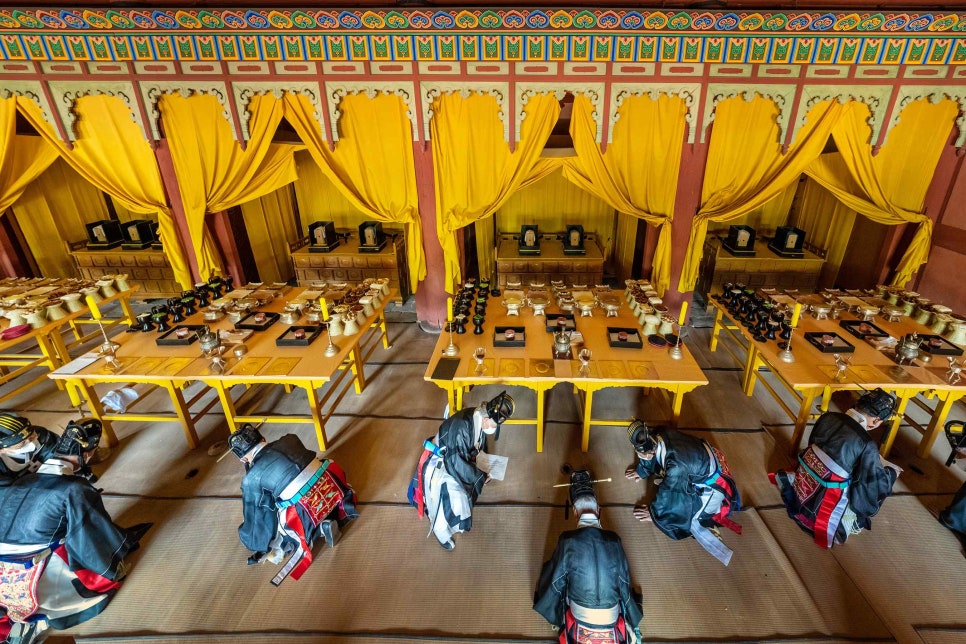
Jongmyo is the shrine that holds the spirit tablets of the kings and queens of Joseon and the emperors and empresses of the Korean Empire, and the Jongmyo rite is the highest-ranking state ancestral ceremony held there. What makes it distinctive is that the rite itself, its ritual music (Jongmyo jeryeak) and its dance (ilmu) form a single whole. Jongmyo became a UNESCO World Heritage Site in 1995, and the rite and its music were proclaimed a Masterpiece of the Oral and Intangible Heritage of Humanity in 2001.
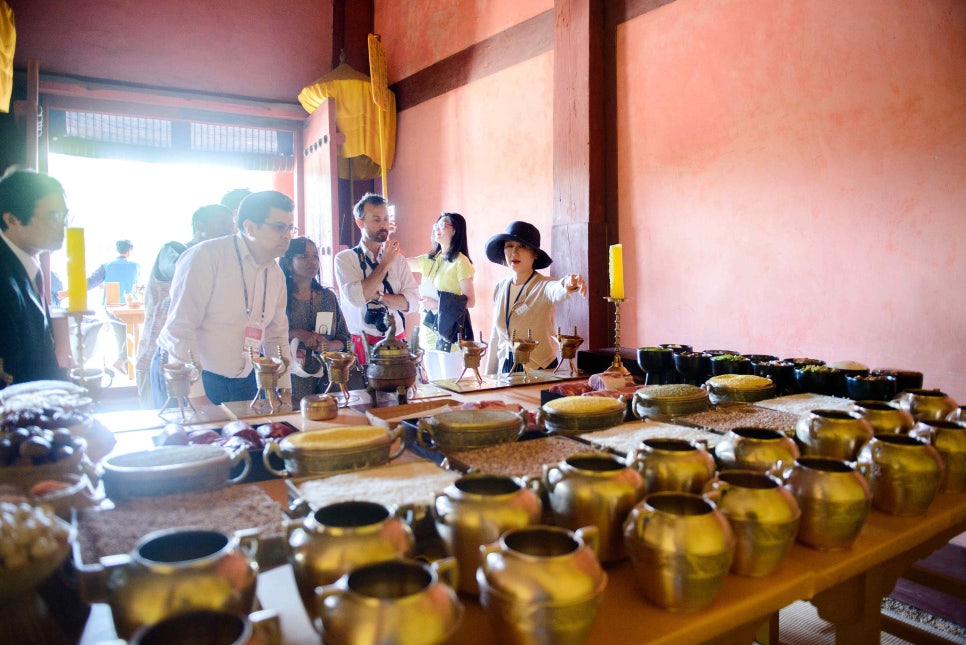
How should I watch the music and the dance?
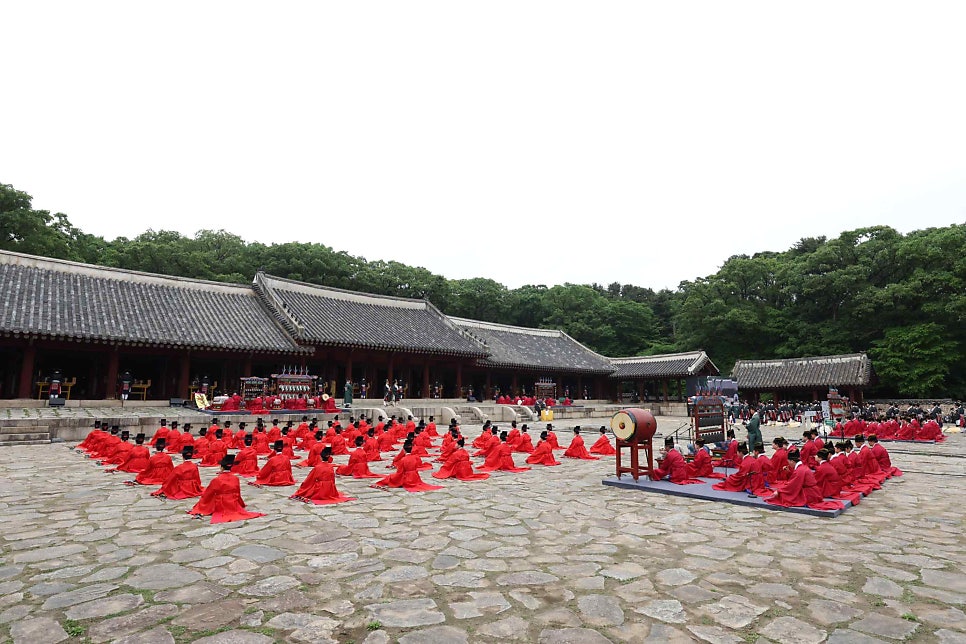
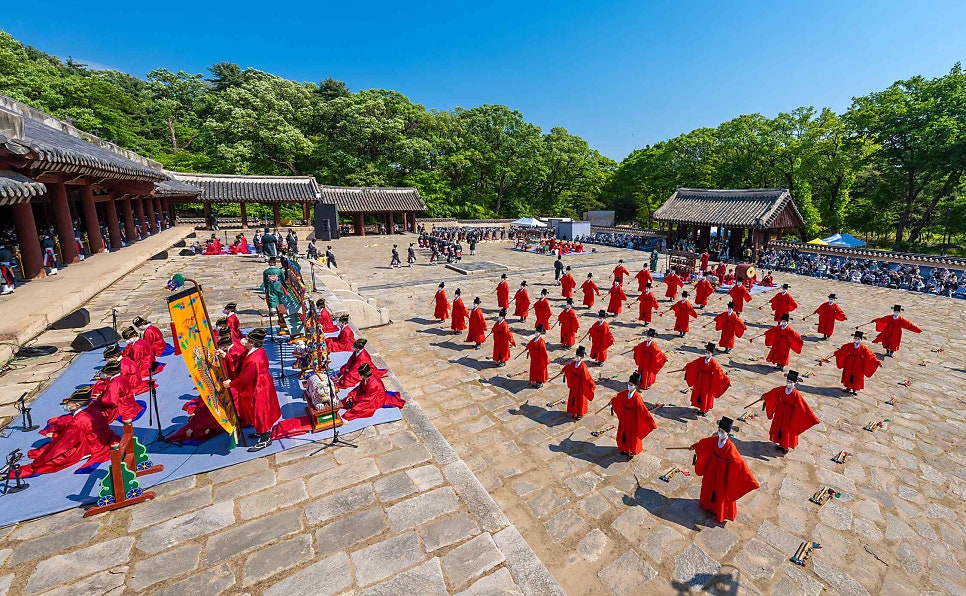
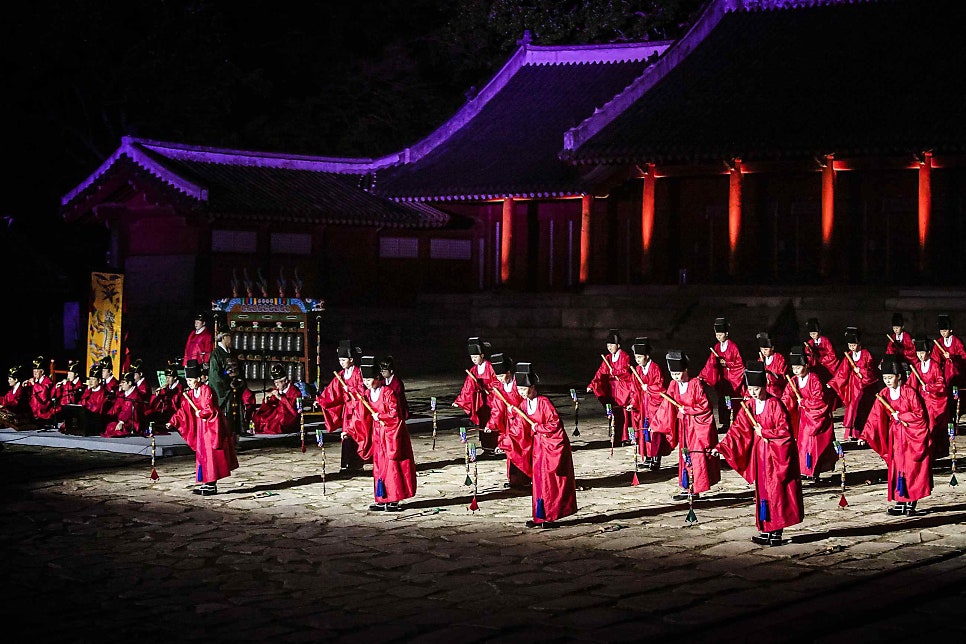
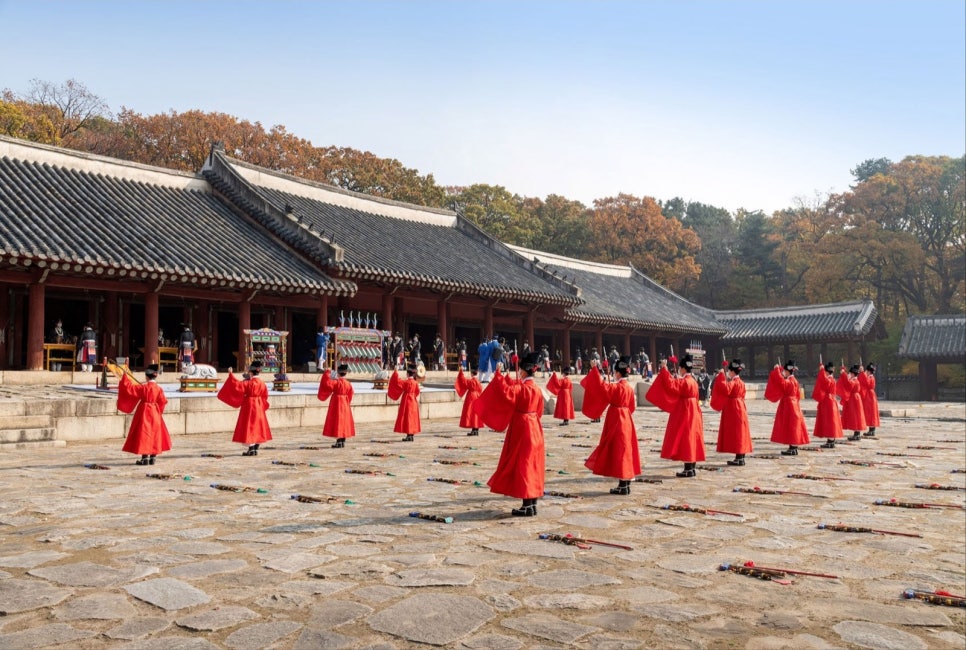
Jongmyo jeryeak, played by the orchestra throughout the rite, is music created under King Sejong and adapted for the rite under King Sejo. It comes in two suites: Botaepyeong, praising the civil virtues of past kings, and Jeongdaeeop, praising their military achievements. The dance follows suit. During Botaepyeong the dancers perform the civil dance holding a flute and a pheasant-feather wand; during Jeongdaeeop they perform the military dance with wooden swords and spears. Remember that the civil dance accompanies the first offering of wine and the military dance the second and third, and you will always know where you are in the rite.
What is the order of the rite?
- Chwiwi — the officiants take their places.
- Yeongsin — the spirits are welcomed.
- Singwallye and jinchan — the spirits are invited down and the food offerings are presented.
- Choheollye — the first cup of wine is offered (Botaepyeong music, civil dance).
- Aheollye and jongheollye — the second and third cups are offered (Jeongdaeeop music, military dance).
- Eumbongnye and cheolbyeondu — the offerings are shared and the vessels cleared.
- Mangnyo — the prayer text and silk offering are burned and the rite ends.
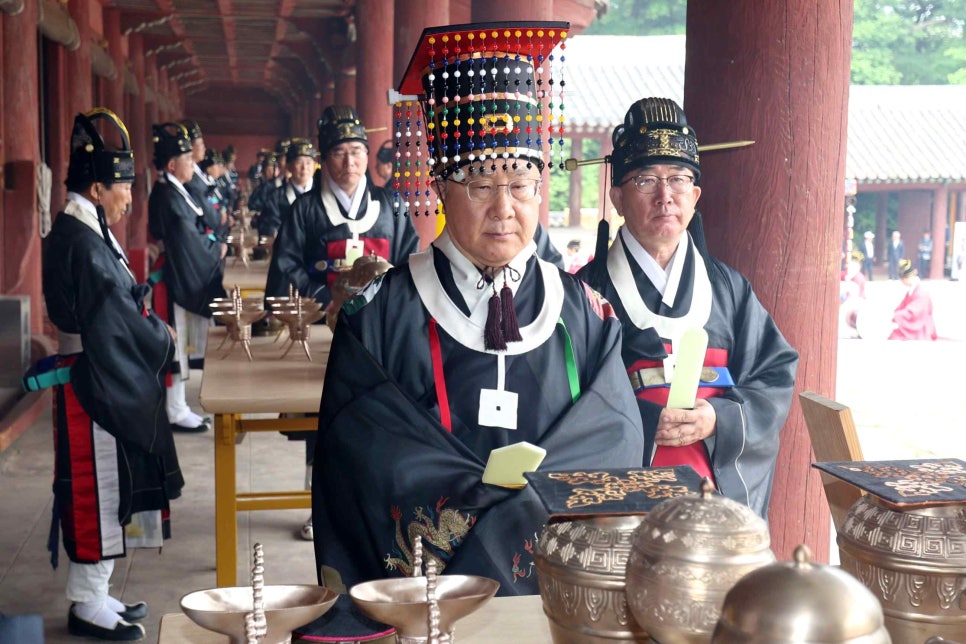
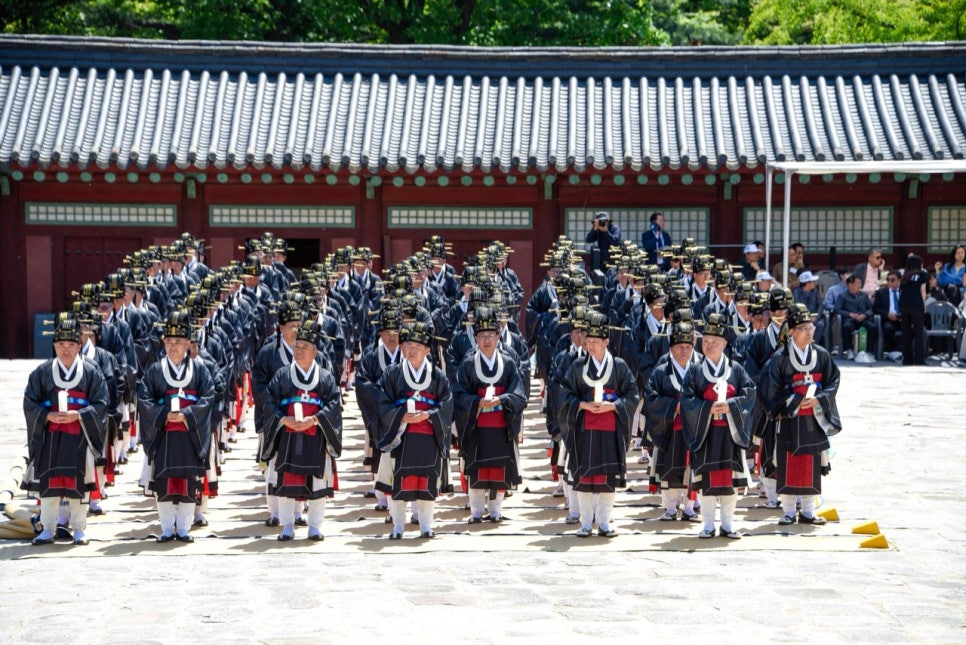
An autumn rite at Jongmyo is not new. In 2020 the pandemic pushed the May Jongmyo Daeje to November, and it was performed without an audience. We could not confirm from official sources when Chuhyang Daeje began in its present form.
Before you go
- Check again: times and arrangements are from the Royal Palaces and Tombs Center's notice of 21 October. Look again before you set off.
- Foreign-language tours: none on Saturdays. English, Japanese and Chinese tours run on the other open days of the free period (Jongmyo is closed on Tuesdays).
- Etiquette: this is a real ancestral rite. Keep out of the officiants' path, and avoid flash and loud talk when taking photos.
- Location: 157 Jong-ro, Jongno-gu, Seoul, about five minutes' walk from Jongno 3-ga Station on Lines 1, 3 and 5.
Getting there, and what works without Korean
Take Seoul Subway Line 1, 3 or 5 to Jongno 3-ga Station; Jongmyo's main gate is a few minutes' walk north-east, past the park in front of it. There is nothing to book, so a foreign phone number or card is never a problem, and during the free-admission period you simply walk in. What you will not get on Saturday is any English: the rite has no commentary, and the day's guided tours are in Korean only. If you want the English tour of Jongmyo itself, come on another day in the free period (10:00 or 14:00, not Tuesdays) and return for the rite on Saturday. The rite is a long, slow ceremony — two hours in the morning, two and a half in the afternoon — so pick one hall rather than trying to stand through both, and use the order of the rite above to follow along. The Royal Palaces and Tombs Center's notice for the day is bilingual, so the essentials can be checked in English.
Frequently asked questions
- Q. When is the 2026 Jongmyo Chuhyang Daeje?
- Saturday 7 November 2026. According to the Royal Palaces and Tombs Center, the Yeongnyeongjeon rite runs 10:00–12:00 and the Jeongjeon rite 14:00–16:30.
- Q. Do I need to book to watch the Jongmyo Chuhyang Daeje?
- No. You enter Jongmyo as an ordinary visitor and watch; no advance booking is needed.
- Q. Is there an admission charge on the day of the Jongmyo Chuhyang Daeje?
- No. From 29 October to 15 November Jongmyo is in the Korea Grand Festival free-admission period.
- Q. What is the difference between Jongmyo Daeje and Jongmyo Chuhyang Daeje?
- Jongmyo Daeje is the spring rite in May hosted by the Korea Heritage Service; Chuhyang Daeje is the autumn rite performed in early November by the Jeonju Lee Royal Family Association. Enquiries about Chuhyang Daeje go to its organising committee (+82 2-765-2124).
- Q. Is there an English tour on the day of the Jongmyo Chuhyang Daeje?
- No. On Saturdays only Korean tours run, five a day (10:00, 11:00, 13:00, 14:00, 15:00). English tours run at 10:00 and 14:00 on the other open days of the free period, except Saturdays and Tuesdays.
- Q. Is it worth going if I do not read Korean?
- Yes, if you come prepared. The rite is a visual and musical spectacle — ritual music, slow ranks of dancers, officials in court dress — and it is free with no booking. But there is no commentary and no foreign-language tour on Saturdays, so without the order of the rite in hand the two hours can feel opaque. Read the steps above, choose one of the two halls, and it is one of the most remarkable things to see in Seoul.
Editor's note · Kang Shin-wook
For visitors who missed the big spring rite in May, and anyone in Seoul on the first weekend of November looking for something beyond the palaces. How Jongmyo's visits work and its closing day are in our royal palaces and Jongmyo guide, and other dated events are on the events board.
Sources
- Official notice (Korean)
- Jeonju Lee Royal Family Association — calendar listing Jongmyo Chuhyang Daeje on 7 November (Korean)
Written in our own words from the sources above, never copied from them, and every date and price checked against at least two pages. The originals are in Korean. Spotted a mistake? Ask for a correction.
Latest from Royal Palaces and Tombs Center
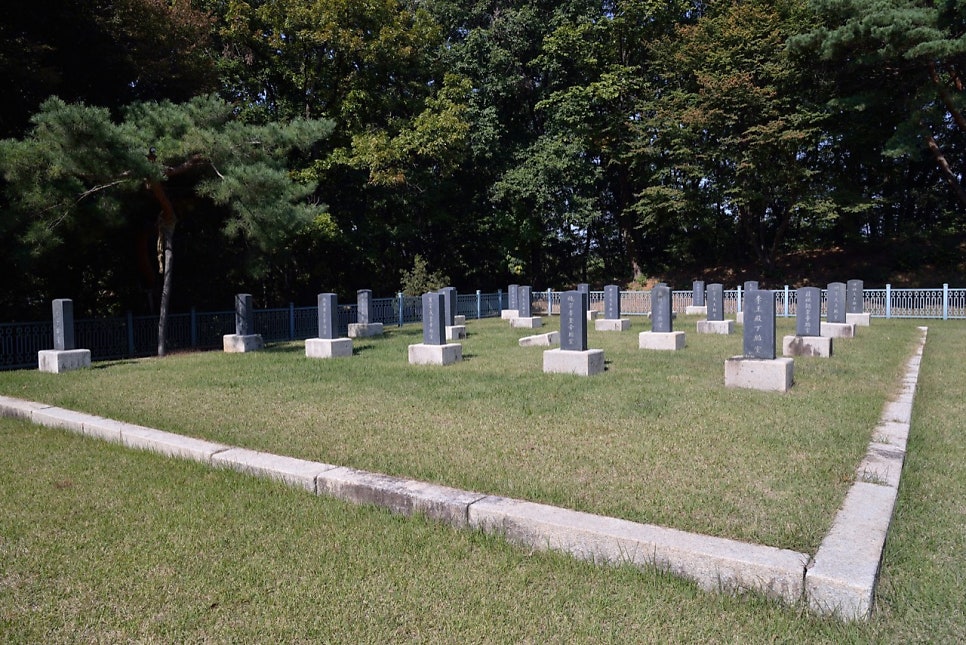 Royal Palaces and Tombs CenterProgramme3 November 2026Year-roundFreeSeosamneung Hyoreung and royal placenta tombs — free guided walks
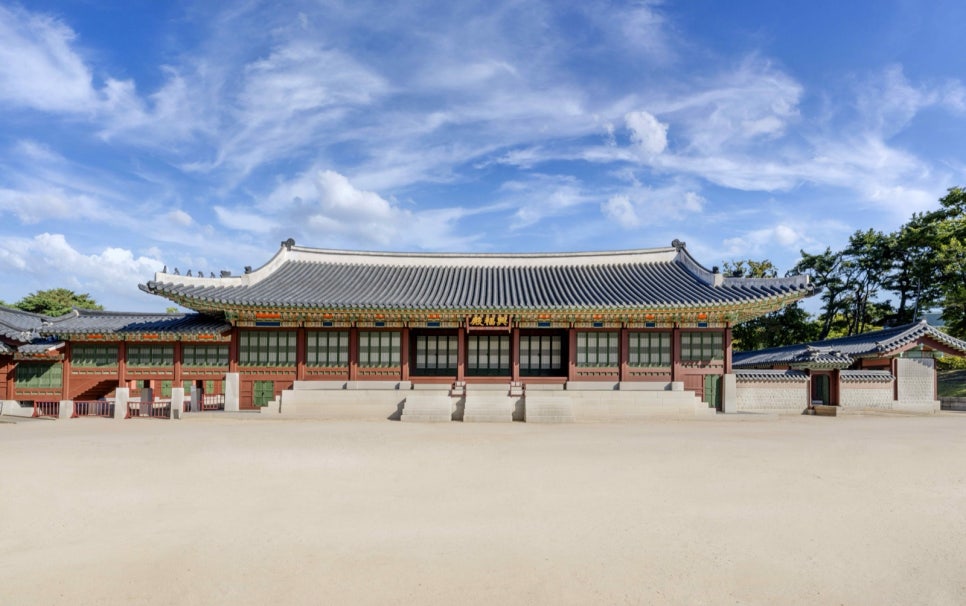 Royal Palaces and Tombs CenterProgramme2 November 2026In 4 daysFreeGyeongbokgung incense burners regain their lids — November talks full
 Royal Palaces and Tombs CenterNotice1 November 2026Changgyeonggung free phone audio guide in English — from 29 Oct
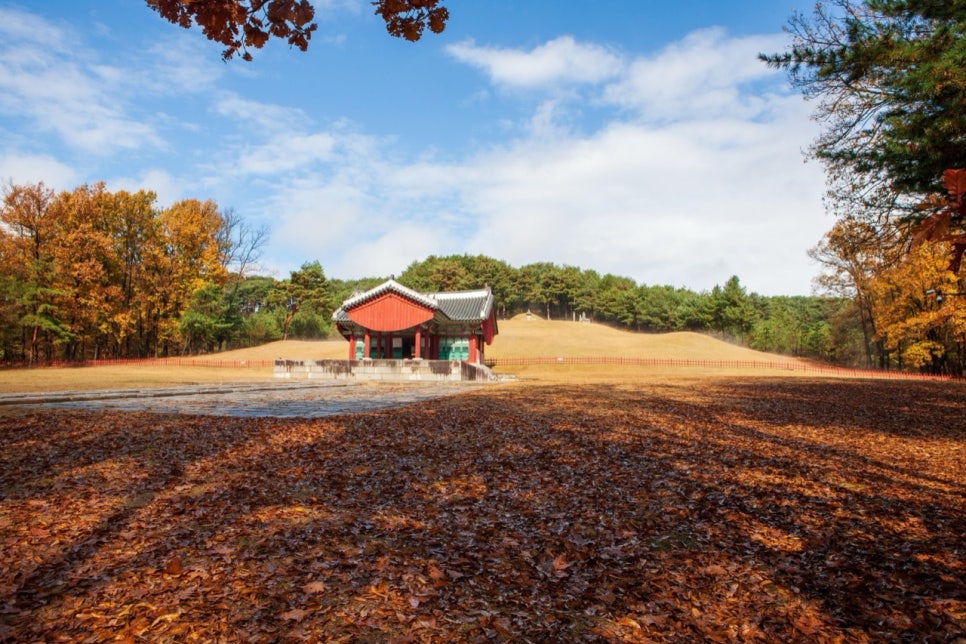 Royal Palaces and Tombs CenterProgramme31 October 2026On nowJoseon royal tomb day tours: last six of 2026 — 1–14 November