Programme·Korea National Park ServiceOn now
Night walks in three Korean national parks — Fridays and Saturdays to 14 November
Summary
The Korea National Park Service is running its first guided night walks, a pilot in three parks that sit next to cities and heritage sites: Gyeongju, the Dobong side of Bukhansan, and western Palgongsan above Daegu. Each walk is about a kilometre with two park interpreters, on Friday and Saturday evenings from 23 October to 14 November 2026, for around twenty people at a time. Booking goes through the park service's Korean-language reservation system, which is hard to use without Korean identity verification — but the park service says some places are kept for on-site booking, partly for foreign visitors, and Gyeongju also takes phone bookings. No fee has been published.
Article
In short
- Korea's first national park night walks run on Friday and Saturday evenings only, from 23 October to 14 November 2026, as a pilot.
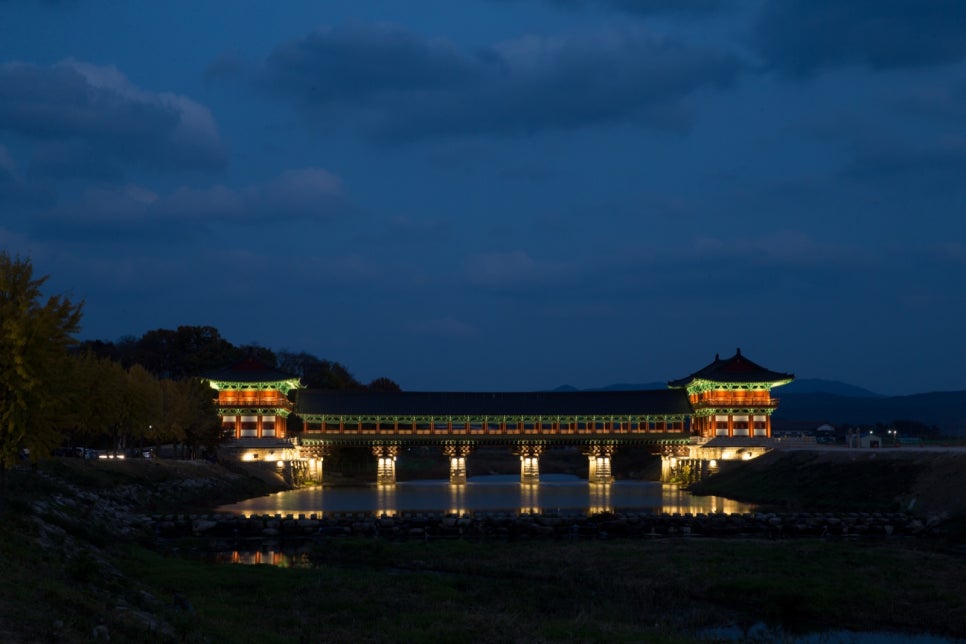
- There are three routes: Woljeonggyo Bridge to Gyerim to the Wolseong moat in Gyeongju (1.2 km), Musugol to the twin observation decks on the Dobong side of Bukhansan (1 km), and Seonbonsa to Gatbawi on Palgongsan (1 km).
- Each session takes about twenty people and is booked through the park service's reservation system; Gyeongju also takes bookings by phone and on the spot.
- Two park interpreters walk with each group and hand out head torches and reflective bands. No fee has been published.
- The commentary is in Korean and the booking site needs Korean identity verification, but the park service says some on-site places are kept partly for foreign visitors.
The Korea National Park Service has, for the first time, opened its parks after dark as an official guided programme. In three parks that border a city or a heritage site — Gyeongju, the Dobong side of Bukhansan, and western Palgongsan — a short walk of about a kilometre is led by park interpreters. The first sessions ran on 23 October, and the walks continue on Friday and Saturday evenings until 14 November. This year is a pilot, and the park service has said it will look at extending the walks to more parks and routes in 2027.
Which route suits you?
All three are about a kilometre, so the effort is similar; what you see is not. Gyeongju is for Silla-era heritage with a guide, Bukhansan Dobong for the lights of Seoul and a forest at night, Palgongsan for the Daegu skyline and the Gatbawi Buddha.
The three night walks compared
- Gyeongju
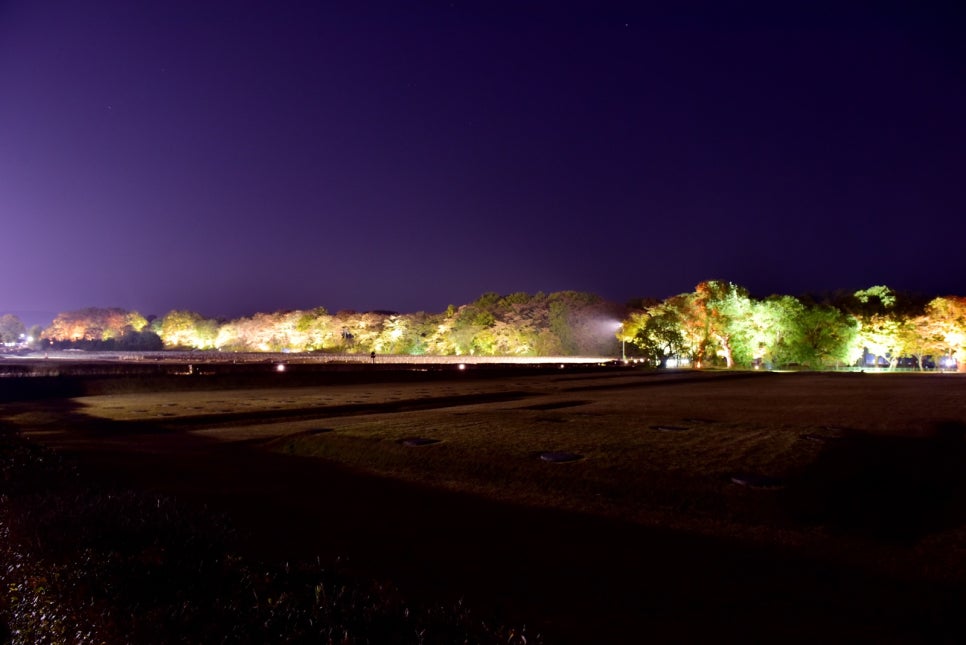
- Woljeonggyo Bridge → Gyerim → Wolseong moat, 1.2 km · Silla capital heritage commentary plus making a paper lantern · Gyeongju National Park Office
- Bukhansan (Dobong)
- Musugol → twin observation decks, 1 km · Seoul city lights and the sounds of the forest at night · Bukhansan National Park Dobong Office
- Palgongsan (west)
- Seonbonsa → Gatbawi (Gwanbong), 1 km · Daegu city lights and making a wish at Gatbawi · Palgongsan National Park West Office
- Times
- Only Gyeongju publishes a time: 5:00–6:30pm (90 minutes) · ask the Bukhansan and Palgongsan offices for theirs
What happens on the Gyeongju walk
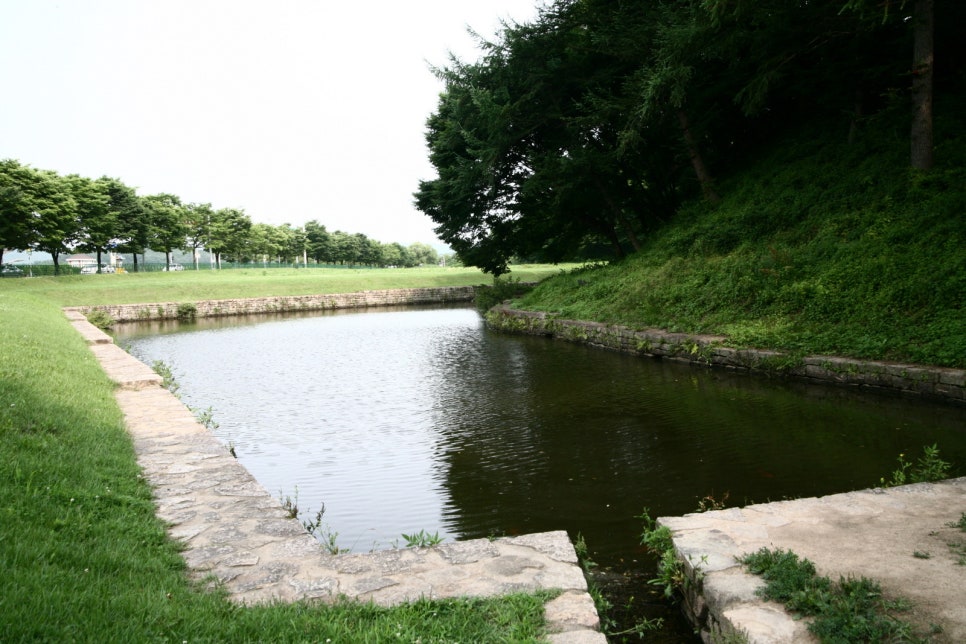
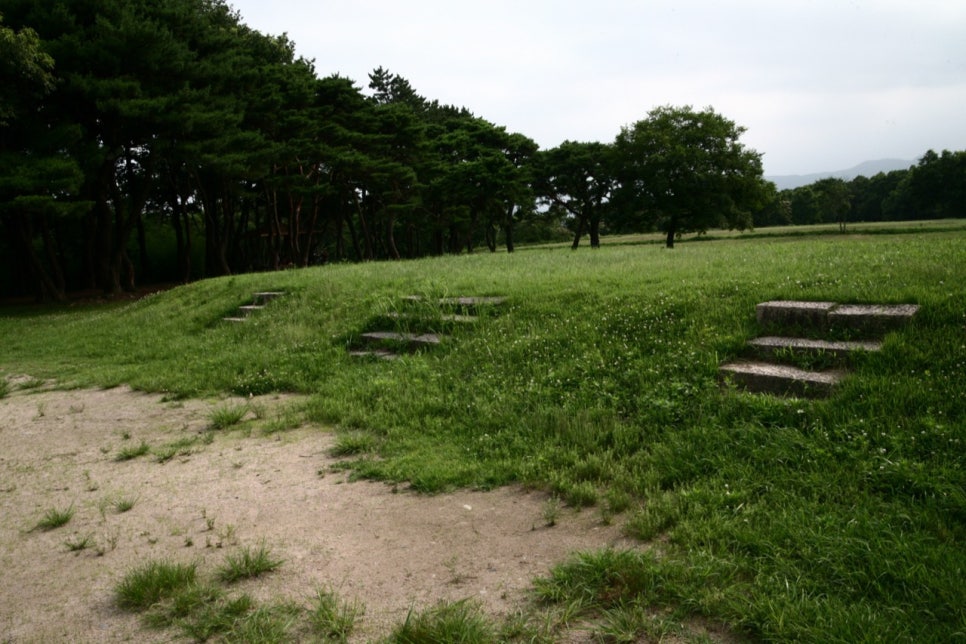
Gyeongju has the most detailed listing of the three. It appears in the reservation system as a night tour of the Silla royal capital by moonlight; the group meets at the south gate of Woljeonggyo Bridge (274 Gyo-dong) and walks for ninety minutes. You can book it through the reservation system, by phone, or on the spot.
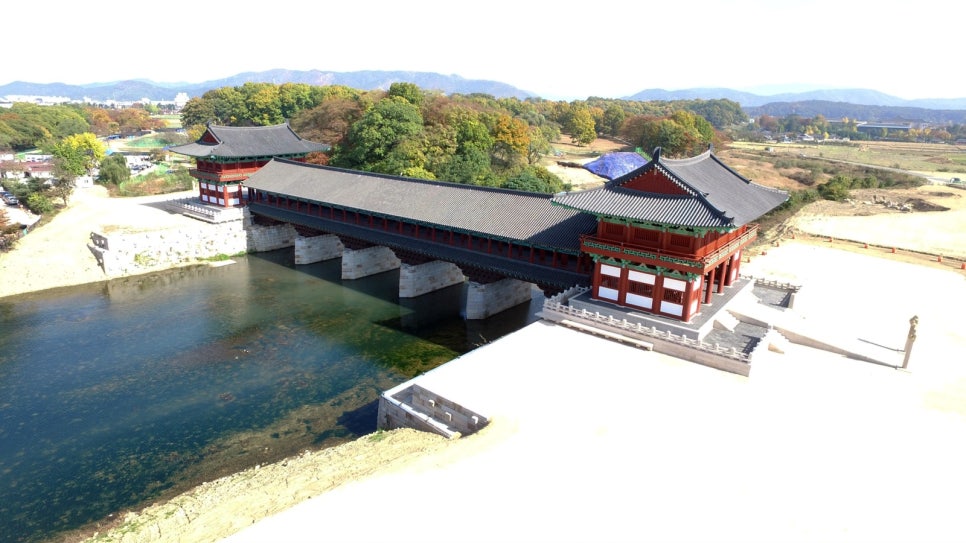
- Woljeonggyo Bridge — once the gateway to Namsan, and how the bridge was rebuilt
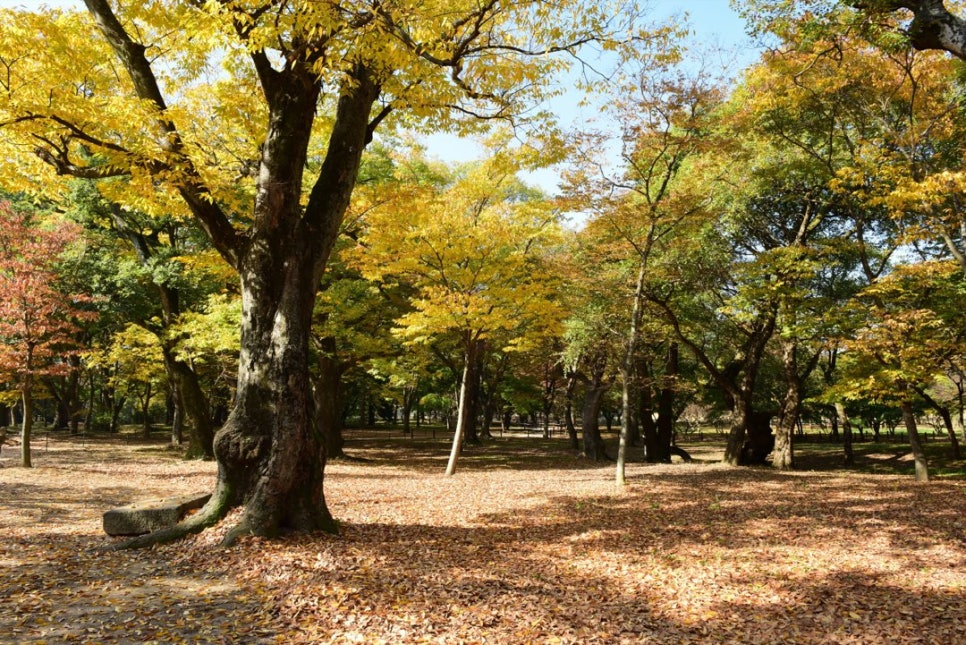
- Gyerim — the grove where the founder of the Gyeongju Kim clan is said to have been born, and the founding myths of Silla
- Wolseong moat — the water channel that guarded the royal palace, and the layout of the old capital
- Hands-on — you make a paper (hanji) lantern to carry on the walk
The Bukhansan Dobong walk: Seoul's lights from above
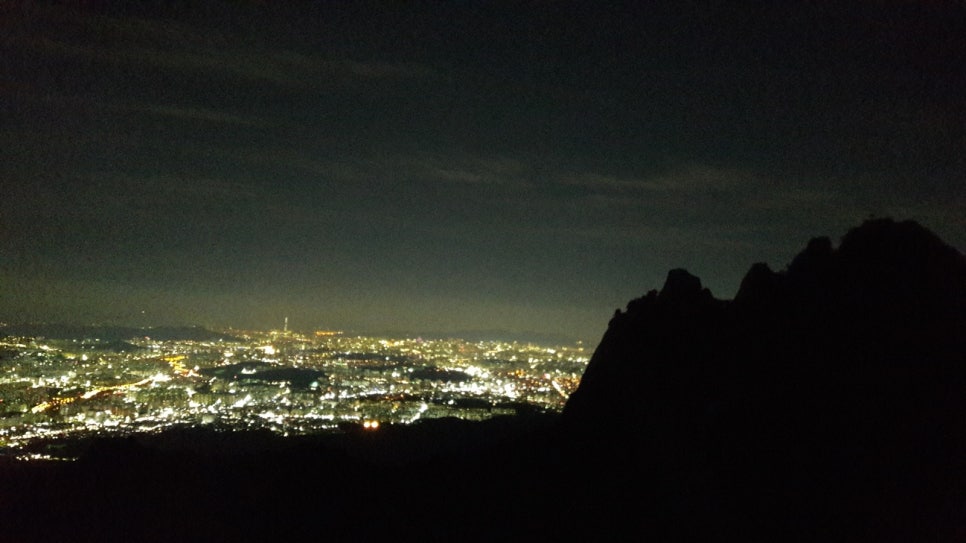
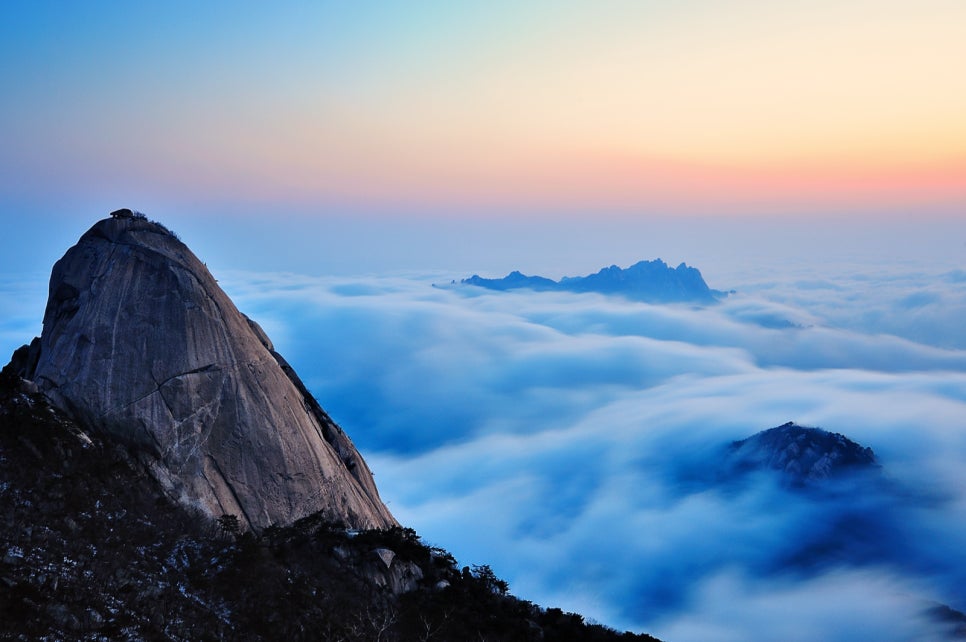
The Dobong route climbs from Musugol to the twin observation decks. The idea is to look down on the lights of Seoul and to listen to a forest that is quiet by day. The product name and times for this route have not yet been confirmed in the reservation system, so it is worth contacting the Bukhansan National Park Dobong Office before you go.
The Palgongsan walk: the Daegu skyline and Gatbawi
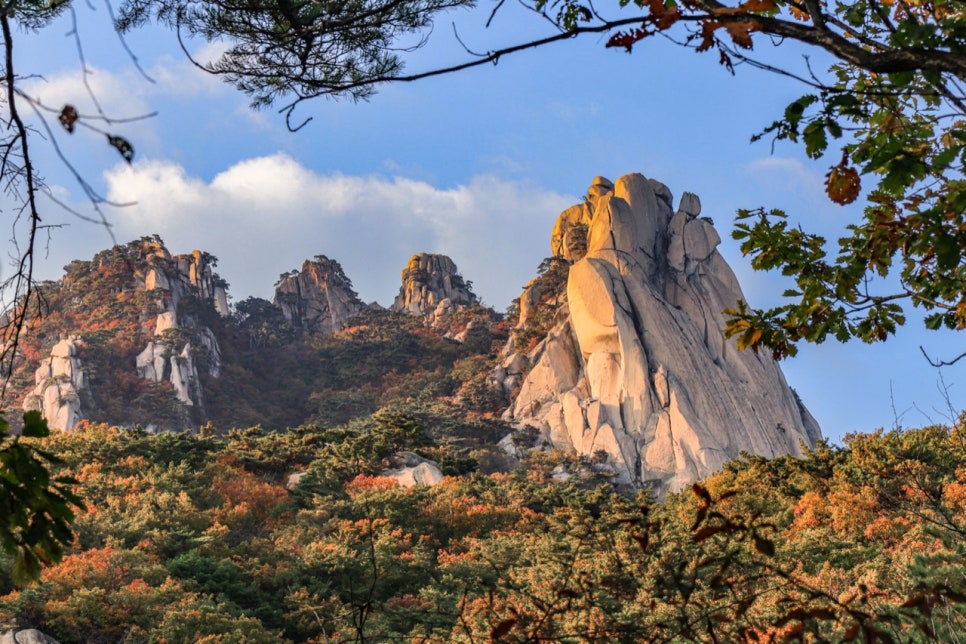
The Palgongsan route climbs a kilometre from Seonbonsa temple to Gwanbong, the peak better known as Gatbawi for the stone Buddha that sits there. At the top you look out over the lights of Daegu and make a wish in front of the seated Buddha.
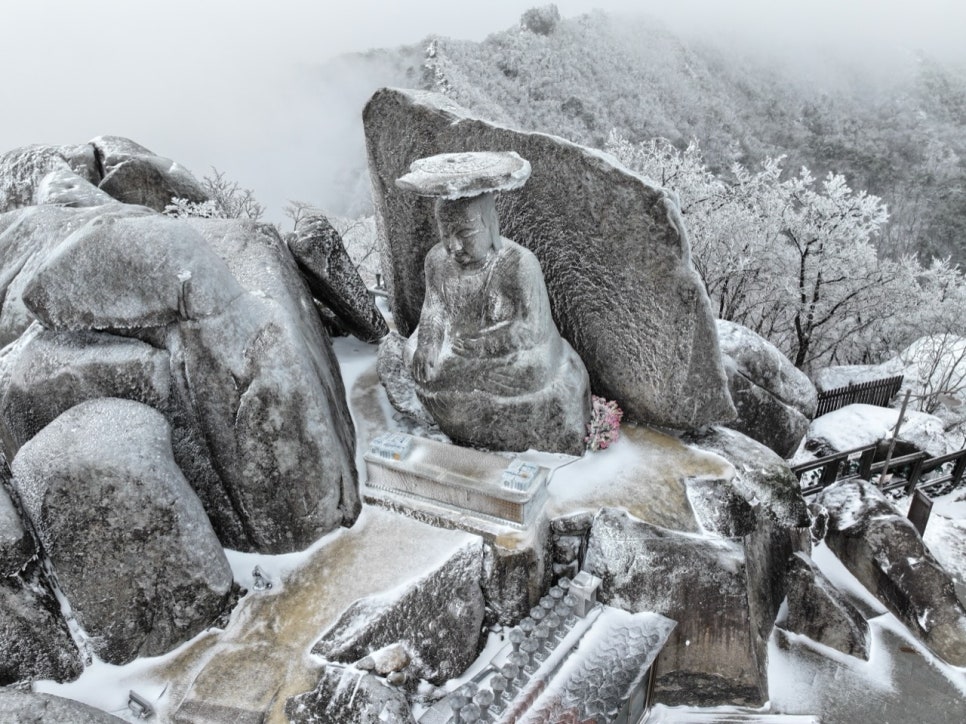
Do not confuse it with the Gatbawi starlight trek
The Palgongsan West booking menu also lists a separate evening programme, a Gatbawi starlight trek. It runs 5:30–8:30pm (three hours) for up to fifteen people, which does not match the night-walk announcement (1 km, up to twenty), so we could not confirm that the two are the same programme. Check the product name and dates carefully when booking.
Is it safe to walk a national park at night?
The interpreters work in pairs. The lead interpreter explains the night landscape, wildlife and history; the second walks at the back, looks after anyone falling behind and handles emergencies. Everyone is given a head torch and a reflective band, and the group walks quietly to limit the disturbance to wildlife.
- November evenings get cold quickly. Bring a windproof or light padded jacket and shoes with ankle support.
- Walks may be cancelled in rain. Check the notice on the booking page before you set out.
- Because this is a pilot, sessions, times and booking methods may change.
Will it run again next year?
The park service says it will review how the pilot ran and how safe the night walks were, then work towards more parks and routes in 2027. After 14 November, the next chance will depend on that announcement.
Getting there, booking and language
Gyeongju: take the KTX from Seoul to Singyeongju, then a taxi or city bus to the Gyochon village area by Woljeonggyo Bridge; the meeting point is the bridge's south gate. Bukhansan Dobong: the Musugol entrance is on the Dobong side of the park in northern Seoul, reached from Dobong Station on subway Line 1 — confirm the meeting point with the Dobong office. Palgongsan: Seonbonsa and Gatbawi are on the Gyeongsan side of the mountain, east of Daegu; a taxi from Dongdaegu Station is the simplest route. The walks finish after dark, so plan your trip back before you book.
Language and booking: the commentary is in Korean and no English session has been announced. The reservation site is Korean-only and normally asks for Korean identity verification, which is the main obstacle for a visitor. Two routes around it: the park service says some places are kept for on-site booking, partly for foreign visitors, and Gyeongju also books by phone on +82 54-778-4100. Turning up without a booking is a gamble on a session of twenty, so call ahead if you can.
Frequently asked questions
- Q. When are the national park night walks?
- On Friday and Saturday evenings from 23 October to 14 November 2026, as a pilot. The Gyeongju walk is listed for 5:00–6:30pm (90 minutes); ask the park offices for the Bukhansan and Palgongsan times.
- Q. Where do I book a national park night walk?
- In the Korea National Park Service reservation system (reservation.knps.or.kr), under guided programmes, by choosing the park. Gyeongju also takes bookings by phone on +82 54-778-4100 and on the spot, and the park service keeps some on-site places, partly for foreign visitors.
- Q. How much does the night walk cost?
- No fee has been published, either in the park service's announcement or on the Gyeongju booking page. Check the price shown at booking or ask the park office.
- Q. How many people go on each walk?
- Up to about twenty per session. Two park interpreters walk with the group, one explaining and one looking after safety.
- Q. Is it worth going if I do not read Korean?
- For the walk itself, yes: it is short and gentle, the views of the lights are the point, and the safety kit is provided. But the commentary is in Korean, so on the heritage-heavy Gyeongju route you will miss most of the stories. Bukhansan and Palgongsan, where the view does the work, lose less in translation.
Editor's note · Kang Shin-wook
For anyone in Seoul, Gyeongju or Daegu on a Friday or Saturday evening this autumn who wants a short, guided walk after dark rather than a hike. More on the parks themselves is in our Korea National Park Service guide.
Sources
- Official notice (Korean)
- National Park reservation system — Gatbawi starlight trek, Palgongsan West (Korean)
- Aju Business Daily — night tours launch in Gyeongju, Bukhansan and Palgongsan, 22 October 2026 (Korean)
- Kuki News — night walks introduced in Gyeongju, Bukhansan and Palgongsan (Korean)
Written in our own words from the sources above, never copied from them, and every date and price checked against at least two pages. The originals are in Korean. Spotted a mistake? Ask for a correction.
Latest from Korea National Park Service
 Korea National Park ServiceExhibition23 October 2026On nowNational Park Museum, Daejeon: fox exhibition — to 31 March 2027
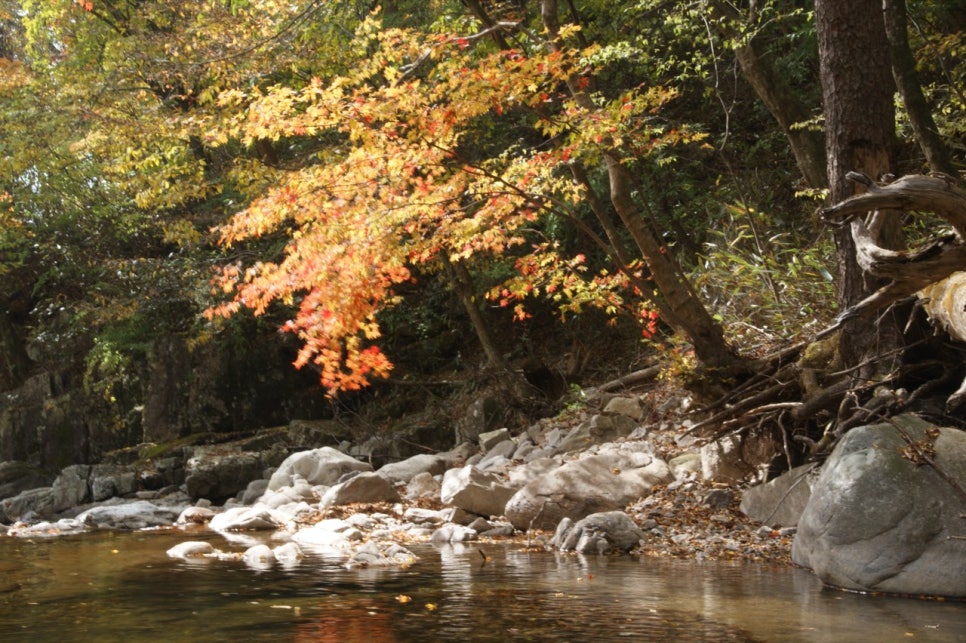 Korea National Park ServiceEvent22 October 2026On nowFreeGayasan Sori-gil: autumn valley walk to Haeinsa — photo draw to 15 Nov
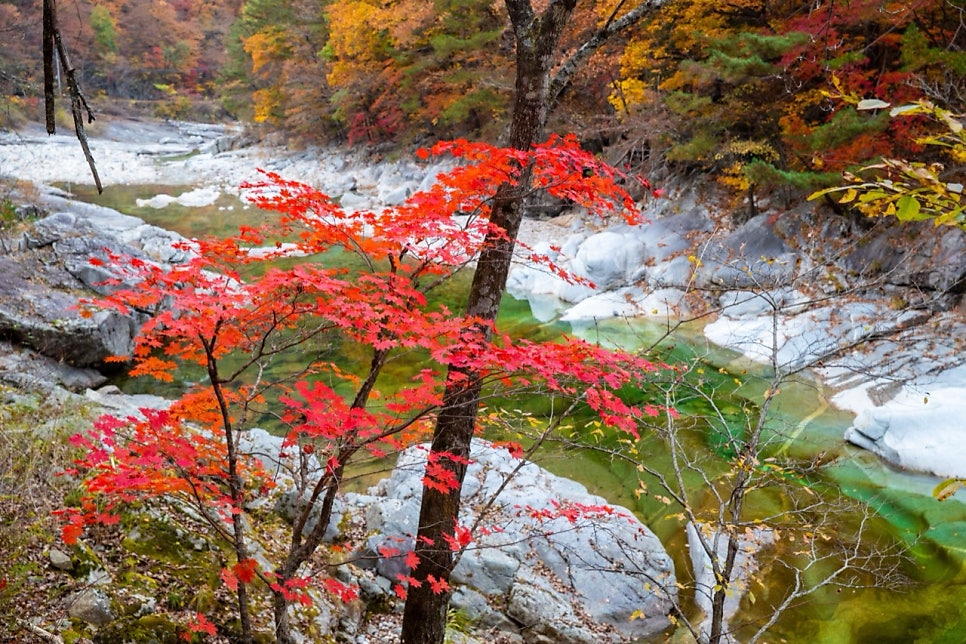 Korea National Park ServiceEvent22 October 2026On nowFreeSeoraksan: Baekdamsa riverside trail opens — 23 Oct–6 Nov
 Korea National Park ServiceNotice22 October 2026Akeobong, Woraksan: free hiking-gear rental — weekends to 8 Nov