National parks · Ministry of Climate, Energy and Environment
Korea National Park Service
Twenty-four national parks, no entrance fee anywhere, and a designated-entry-time rule that catches people out
Korea has twenty-five national parks and none of them charges an entrance fee — the ticket booths were abolished years ago. Twenty-four are run by the Korea National Park Service; Hallasan on Jeju is managed by the province and works differently. The range is wider than "mountains" suggests: Hallyeohaesang and Dadohaehaesang are marine parks made of islands, Taeanhaean is dunes and beaches, and Gyeongju is a historic-site park where the walking is among Silla tombs and temple remains.
The rule that trips people up is the designated entry-time system. Every park except Taeanhaean sets, for each trail and each season, the latest hour you may start up and the hour by which you must be coming down, and rangers enforce it. Night hiking is not permitted. On top of that, trails close at short notice for fire-risk periods, weather warnings and ecological recovery, so the trail-closure page is the thing to check the morning you go, not the week before.
Visiting
- Hours
- Each park and each trail sets designated entry times by season — every park except Taeanhaean. Gayasan, for example, admits walkers from 4:00 am and closes the trail at 3:00 pm in summer, and 5:00 am to 2:00 pm in winter. Night hiking is not permitted
- Closed
- Open year-round. Individual trails close for fire-risk periods, weather warnings and ecological recovery, so check the trail-closure page
- Admission
- No entrance fee. Car parks, campsites, shelters and ranger-led programmes are charged and are booked through the reservation system
- Address
- Head office: 22 Hyeoksin-ro, Wonju, Gangwon State. Each park office publishes its own address
- Getting there
- Varies by park — use the directions page on the individual park's site and the reservation system's access notes
- From the airport
- Bukhansan is the one reachable on a Seoul subway card: Line 3 to Gupabal or the Ui LRT to Bukhansan Ui, about 90 minutes from Incheon via AREX and a change. Everything else is an intercity bus or KTX from Seoul, Seoul Nambu or Dong Seoul terminals
- Bukhansan is inside Seoul's city limits and is the busiest national park in the country — go on a weekday if you can.
- Hallasan on Jeju is not managed by the Korea National Park Service and has its own separate booking system.
- The reservation call centre is on 1670-9201.
Checked against the official pages on 2026-09-21. Hours and fees change — confirm before you travel. Official site
How much English you will find
- The trail-closure notices and the designated entry-time tables are published in Korean and are the authoritative versions; there is no complete English mirror of them, so translate or ask rather than assume.
- Trailhead signage and route markers are generally bilingual in the major parks, and less so on minor trails.
- The reservation system for shelters, campsites and programmes is primarily Korean-language and built around domestic identity verification — check what it requires before depending on a booking.
- Seoul's Hiking Tourism Center near Bukhansan Ui Station offers English-language route advice and gear rental for foreign visitors.
Exhibitions and events
Full schedule- 1 Sept – 15 NovKorea National Park Service · Woljeongsa car park, Odaesan National ParkOdaesan: a car to Sangwonsa for less-mobile visitors — to 15 NovOn now
- 1 Sept – 28 FebKorea National Park Service · Chilseon Valley, Jirisan National Park, Hamyang-gun, Gyeongnam. Starts at the Chuseong car parkJirisan's Chilseon Valley gets a QR stamp trail with AI narration, in English tooOn nowFree
- From 1 SeptKorea National Park Service · Naejangsan National Park, Jeongeup, Jeonbuk — visitor centre to the 108 Maple Road, the natural-monument maple, and Naejangsa templeNaejangsan's new wishing trail, and when the maples actually turnOn nowFree
- From 21 SeptKorea National Park Service · Songnisan National Park, Beopjusa to Sujeongbong, Boeun-gun, ChungbukA new 30-minute trail at Songnisan opens on 21 September, with a view over BeopjusaOn nowFree
- 1 Oct – 22 OctKorea National Park Service · Seoul City Tour Bus Gwanghwamun ticket booth, 68-2 Taepyeong-ro 1-ga, Jung-gu, SeoulBukhansan City & Nature Tour from Gwanghwamun — 4 Thursdays in OctoberEnding soon
- 1 Oct – 31 DecKorea National Park Service · Sangui Visitor Centre, Juwangsan National ParkJuwangsan National Park shows a 1939 guidebook in Korean translation — free, 1 Oct to year-endOn nowFree
How to visit
- 1
Check the entry-time table for your trail before you set out
Each trail has a season-by-season latest start time and a time by which you must be descending, and rangers turn people back at the trailhead. The times move with sunrise and sunset, so a table you read in spring will be wrong in November. Only Taeanhaean is outside the system.
- 2
Book shelters, campsites and programmes through the one reservation site
Everything that is not simply walking — a bunk in a mountain shelter, a campsite pitch, a ranger-led programme — goes through reservation.knps.or.kr and nowhere else. Popular shelters on Jirisan and Seoraksan go quickly at weekends and in the autumn colour season.
- 3
Read the closure page the morning you go
Trails close for spring and autumn fire-risk periods, for weather warnings and for ecological recovery, sometimes at a day's notice. The closure page is the authoritative list; a guidebook or a blog post from last season is not.
Frequently asked questions
Do I have to pay to enter a national park in Korea?
No. Entrance fees were abolished and none of the twenty-four parks charges to walk in. What does cost money is parking, a campsite pitch, a bunk in a mountain shelter and the ranger-led programmes, all of which are booked through the single national reservation site.
What is the designated entry-time system?
For each trail and each season the park sets the latest time you may start climbing and the time by which you must be on the way down, and rangers enforce it at the trailhead. It exists because night hiking is prohibited and rescues are difficult after dark. Every park except Taeanhaean operates it.
Can I book a mountain shelter without a Korean phone number?
The reservation system is the only route to a shelter bunk, and it is primarily a Korean-language system built around domestic identity verification, which is the single biggest obstacle for a visitor. Check the current rules on reservation.knps.or.kr before planning a multi-day traverse around a shelter you may not be able to book.
Which park can I reach from Seoul without a long journey?
Bukhansan, which is within the city boundary and reachable by subway — and consequently the most visited national park in the country. Its granite peaks and the fortress wall are a genuine day's walking, but do not expect solitude at a weekend or during the autumn colours.
Why is Hallasan not on this list?
Hallasan is a national park but it is administered by Jeju Province rather than the Korea National Park Service, so its permits, booking system and trail rules are entirely separate. That is why Korea has twenty-five national parks and this service manages twenty-four of them.
Buildings and branches
- Jirisan National Park
Korea's first national park, designated 1967; mountain shelters must be booked
Admission: Free to enter. Car parks, campsites, shelters and ranger-led programmes are charged and booked through the reservation system
- Gyeryongsan National Park
Admission: Free to enter. Car parks, campsites, shelters and ranger-led programmes are charged and booked through the reservation system
- Hallyeohaesang National Park
A marine and island park
Admission: Free to enter. Car parks, campsites, shelters and ranger-led programmes are charged and booked through the reservation system
- Seoraksan National Park
Has shelters and sections that must be booked in advance
Admission: Free to enter. Car parks, campsites, shelters and ranger-led programmes are charged and booked through the reservation system
- Songnisan National Park
Admission: Free to enter. Car parks, campsites, shelters and ranger-led programmes are charged and booked through the reservation system
- Naejangsan National Park
Admission: Free to enter. Car parks, campsites, shelters and ranger-led programmes are charged and booked through the reservation system
- Gayasan National Park
Admission: Free to enter. Car parks, campsites, shelters and ranger-led programmes are charged and booked through the reservation system
- Deogyusan National Park
Admission: Free to enter. Car parks, campsites, shelters and ranger-led programmes are charged and booked through the reservation system
- Odaesan National Park
Admission: Free to enter. Car parks, campsites, shelters and ranger-led programmes are charged and booked through the reservation system
- Juwangsan National Park
Admission: Free to enter. Car parks, campsites, shelters and ranger-led programmes are charged and booked through the reservation system
- Taeanhaean National Park
The one park with no designated entry-time system
Admission: Free to enter. Car parks, campsites, shelters and ranger-led programmes are charged and booked through the reservation system
- Dadohaehaesang National Park
Island walking — check the ferry timetable first
Admission: Free to enter. Car parks, campsites, shelters and ranger-led programmes are charged and booked through the reservation system
- Chiaksan National Park
Admission: Free to enter. Car parks, campsites, shelters and ranger-led programmes are charged and booked through the reservation system
- Woraksan National Park
Admission: Free to enter. Car parks, campsites, shelters and ranger-led programmes are charged and booked through the reservation system
- Bukhansan National Park
Within reach of Seoul, and free to enter
Admission: Free to enter. Car parks, campsites, shelters and ranger-led programmes are charged and booked through the reservation system
- Sobaeksan National Park
Admission: Free to enter. Car parks, campsites, shelters and ranger-led programmes are charged and booked through the reservation system
- Wolchulsan National Park
Admission: Free to enter. Car parks, campsites, shelters and ranger-led programmes are charged and booked through the reservation system
- Byeonsanbando National Park
Admission: Free to enter. Car parks, campsites, shelters and ranger-led programmes are charged and booked through the reservation system
- Gyeongju National Park
A historic-site park rather than a wilderness one
Admission: Free to enter. Car parks, campsites, shelters and ranger-led programmes are charged and booked through the reservation system
- Mudeungsan National Park
On the edge of Gwangju
Admission: Free to enter. Car parks, campsites, shelters and ranger-led programmes are charged and booked through the reservation system
- Taebaeksan National Park
Admission: Free to enter. Car parks, campsites, shelters and ranger-led programmes are charged and booked through the reservation system
- Palgongsan National Park
Designated in 2023, the twenty-third national park
Admission: Free to enter. Car parks, campsites, shelters and ranger-led programmes are charged and booked through the reservation system
- Geumjeongsan National Park
Designated in 2025 as the twenty-fourth, and the first urban national park
Admission: Free to enter. Car parks, campsites, shelters and ranger-led programmes are charged and booked through the reservation system
Official channels
Latest from Korea National Park Service
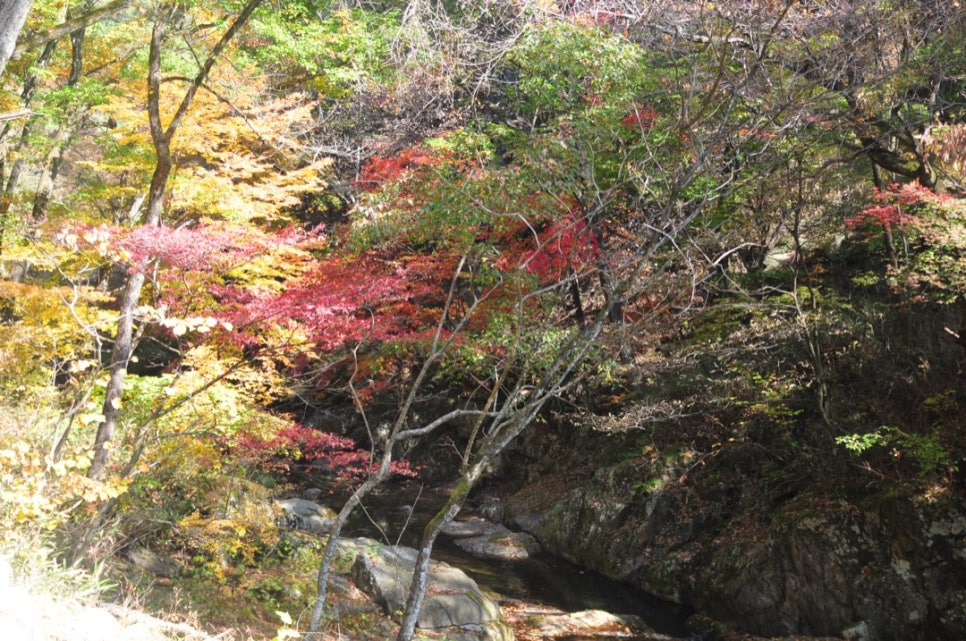 Korea National Park ServiceProgramme17 October 2026On nowFreeChiaksan: free weekend shuttle to Guryongsa — to 15 Nov
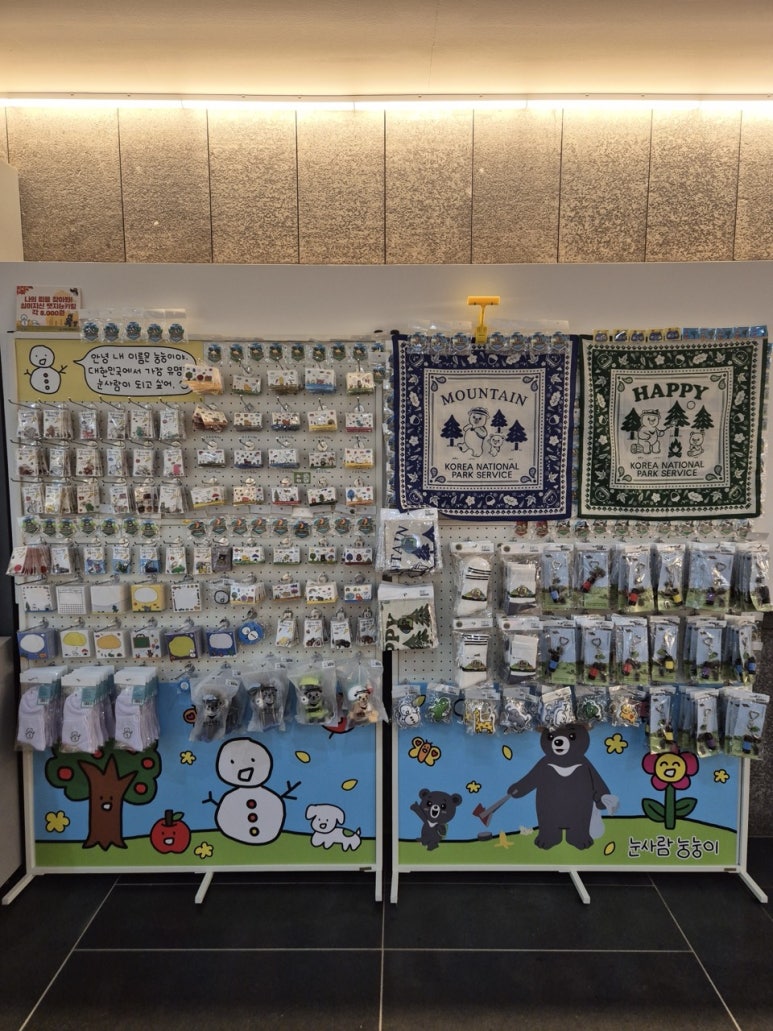 Korea National Park ServiceEvent13 October 2026On nowFreeNungnungi pop-up at Juwangsan National Park's shop — 23 Oct–15 Nov, preview 16–18 Oct
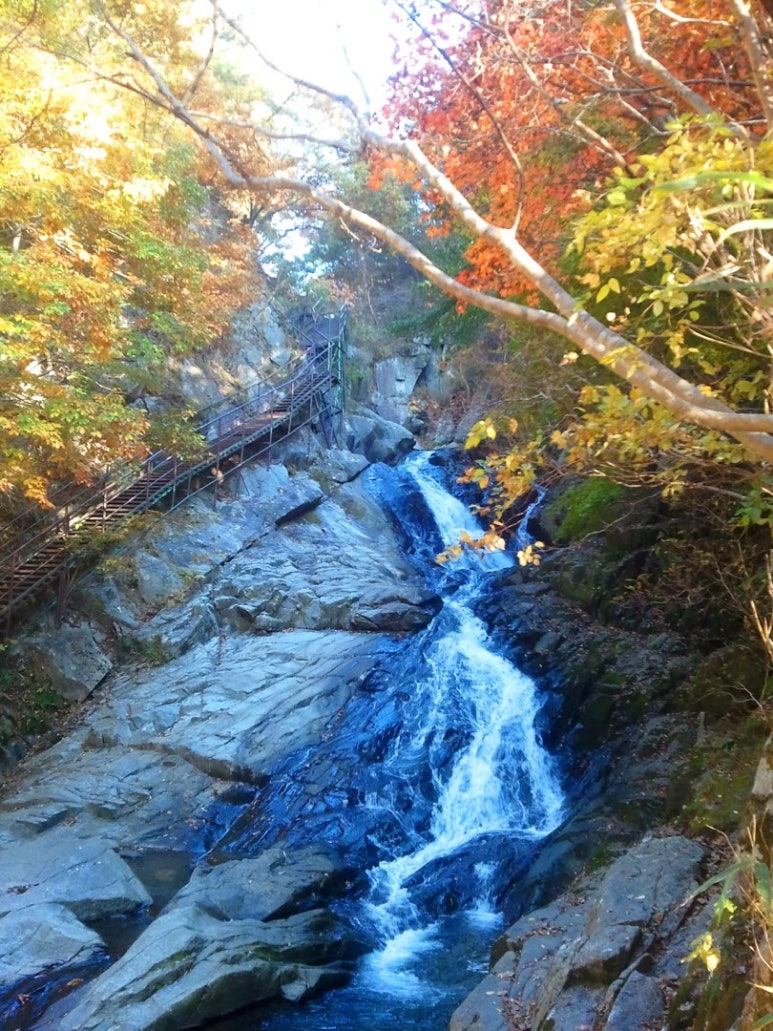 Korea National Park ServiceNotice8 October 2026Jirisan's Guryong Valley trail reopens Oct 9 — waterfall route restored
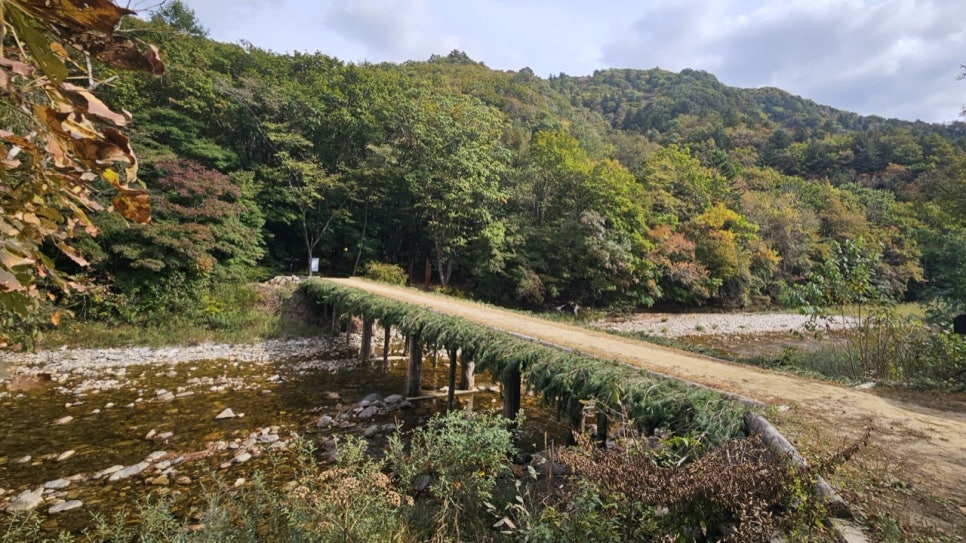 Korea National Park ServiceProgramme7 October 2026On nowOdaesan: a car to Sangwonsa for less-mobile visitors — to 15 Nov
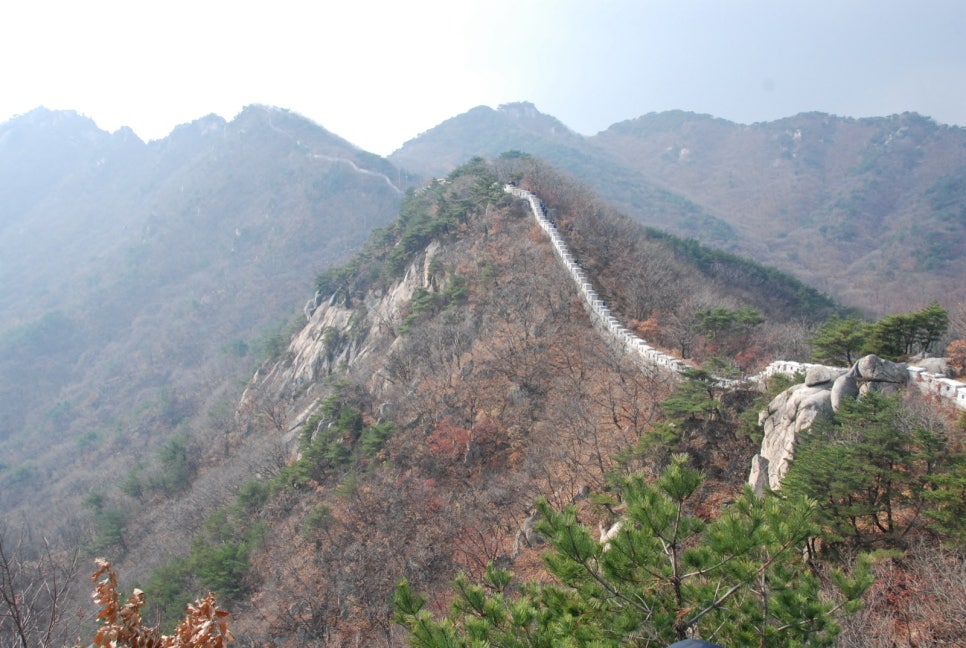 Korea National Park ServiceProgramme4 October 2026Ending soonBukhansan City & Nature Tour from Gwanghwamun — 4 Thursdays in October
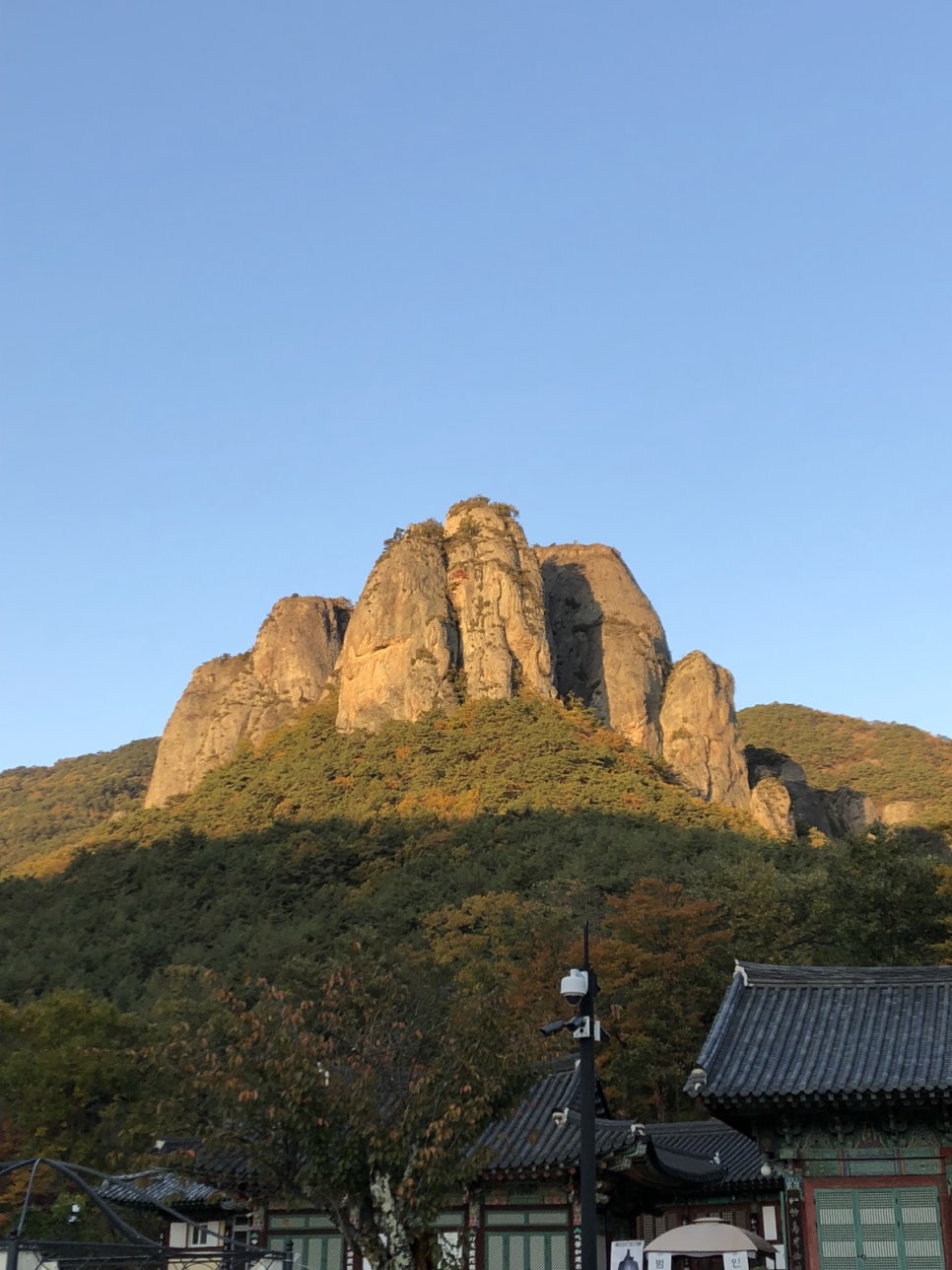 Korea National Park ServiceExhibition1 October 2026On nowFreeJuwangsan National Park shows a 1939 guidebook in Korean translation — free, 1 Oct to year-end