Event·Korea National Park ServiceOn nowFree
A new 30-minute trail at Songnisan opens on 21 September, with a view over Beopjusa
Summary
Songnisan National Park opens a new 0.8 km path from Beopjusa temple to Sujeongbong peak on 21 September 2026. It takes about thirty minutes one way, needs no booking and costs nothing, and the summit looks across to Cheonwangbong, the highest peak in the park, and down over Beopjusa, a UNESCO World Heritage temple. It is a permanent trail with no closing date.
Article
In short
- The Beopjusa to Sujeongbong trail opens on Monday 21 September 2026 and is permanent, not a seasonal or temporary route.
- It is 0.8 km and about thirty minutes one way, so the round trip is a little over an hour without any mountaineering kit.
- Sujeongbong is 576 m, and from the top you see Cheonwangbong at 1,058 m and the whole of Beopjusa temple below you.
- There is no fee and no booking. Note that the days after opening are the Chuseok holiday, when the Beopjusa area is at its busiest.
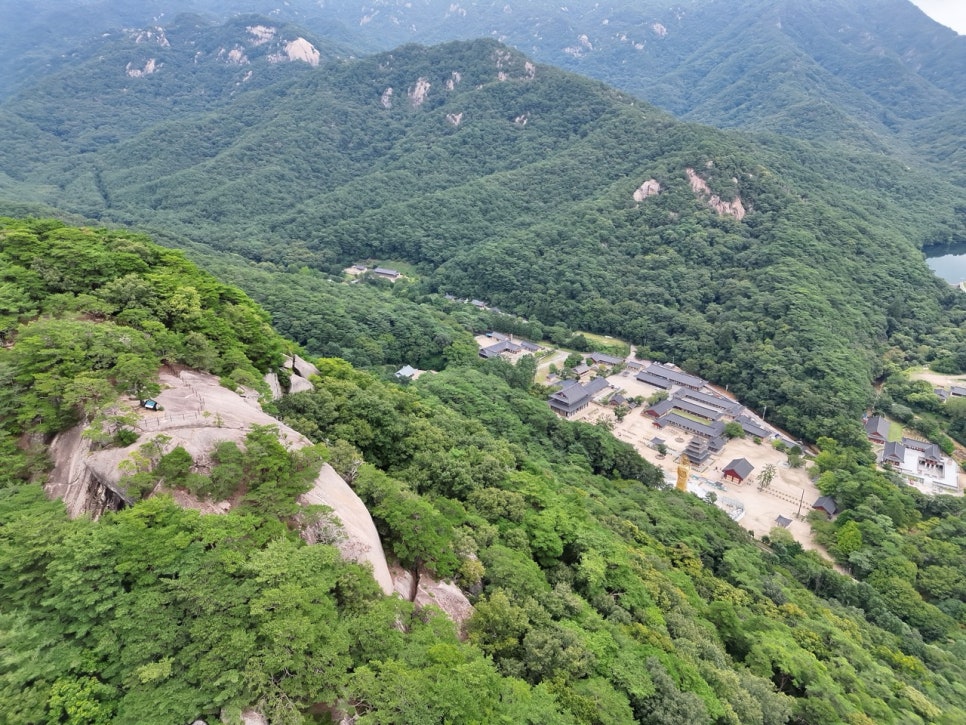
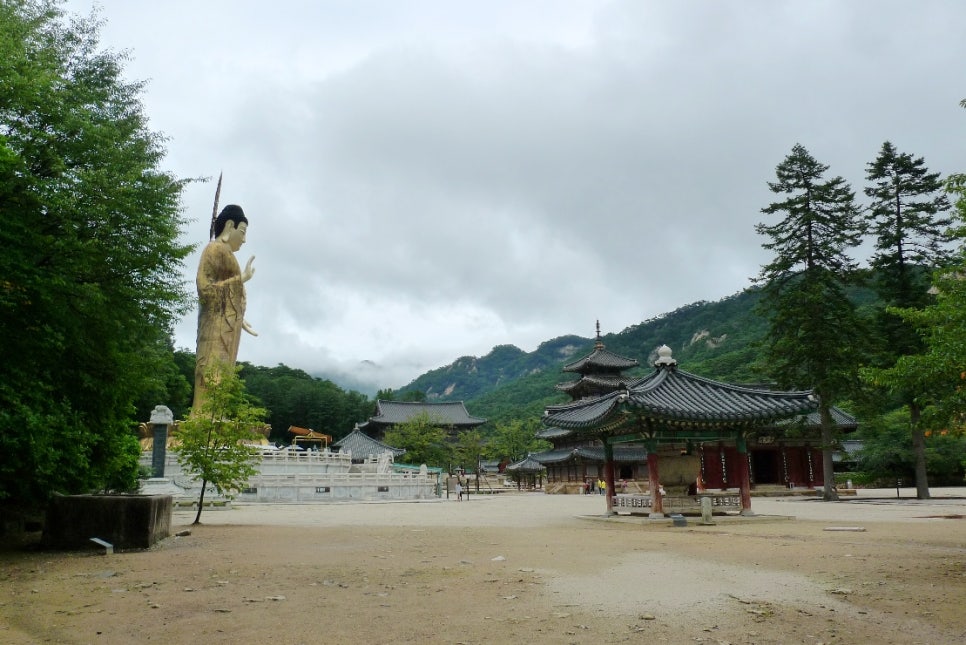
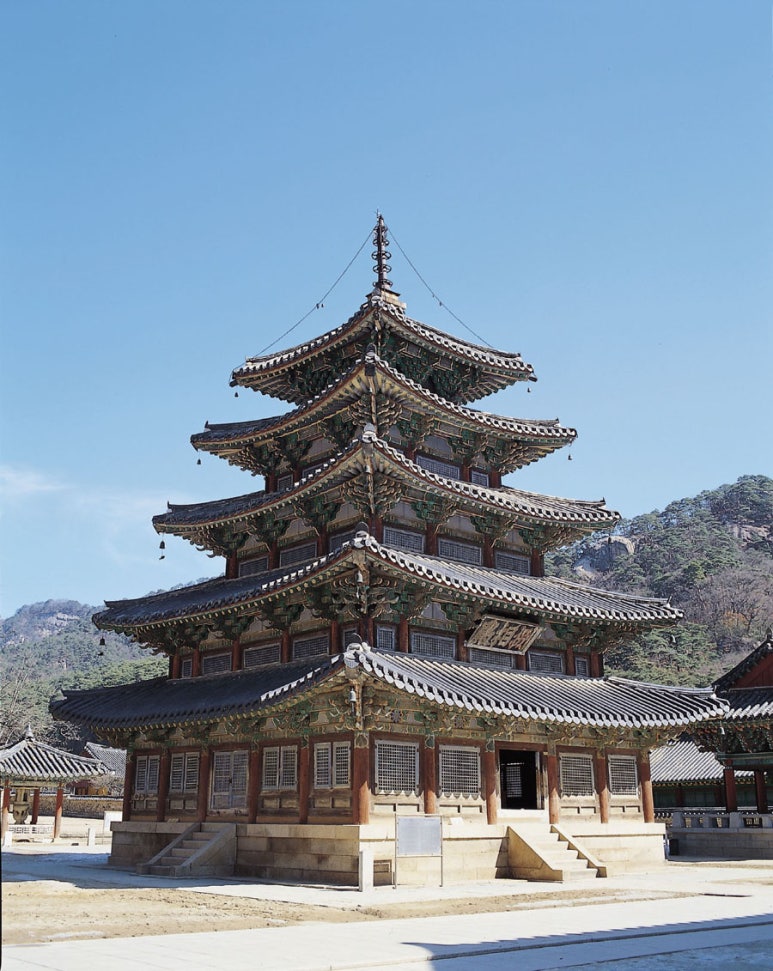
Songnisan is one of Korea's older national parks and most people go there for Beopjusa, the temple at its western entrance, which is on the UNESCO World Heritage list as one of the Sansa mountain monasteries. The walking from that side has tended to be either a stroll around the temple or a serious ascent. From 21 September there is something in between: a short new path to a rocky viewpoint that repays about an hour of effort.
How long it takes, and where it starts
The trail runs 0.8 km from the Beopjusa area up to Sujeongbong, and the park puts it at roughly thirty minutes one way. That makes the round trip comfortably under an hour and a half at an unhurried pace, on a route short enough not to need boots, poles or an early start — unusual for a national park path in Korea that ends on a summit.
What you see from the top
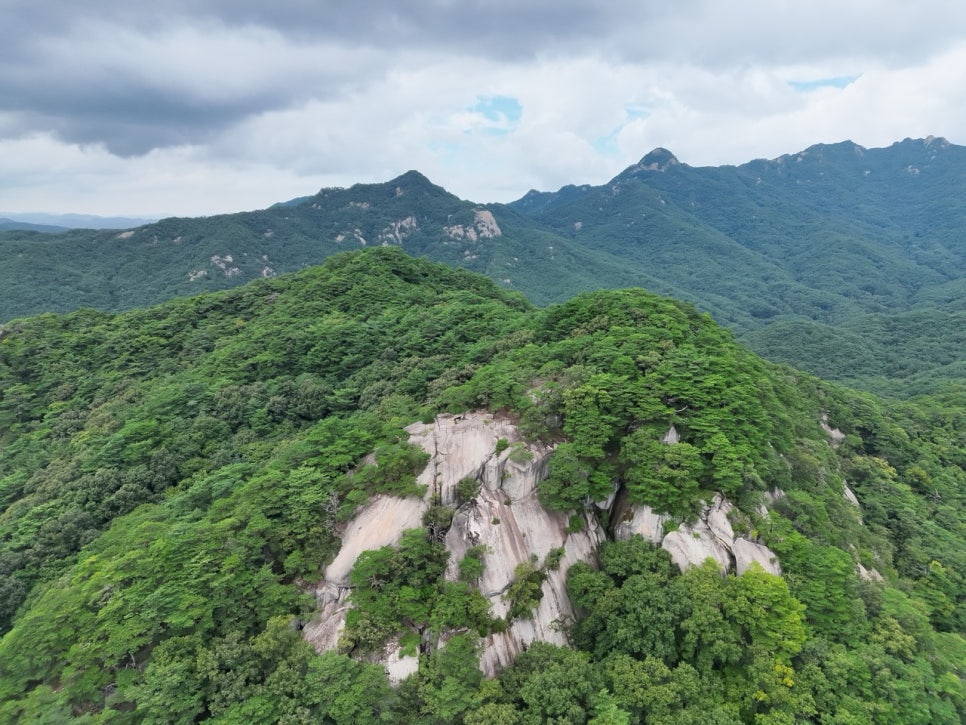
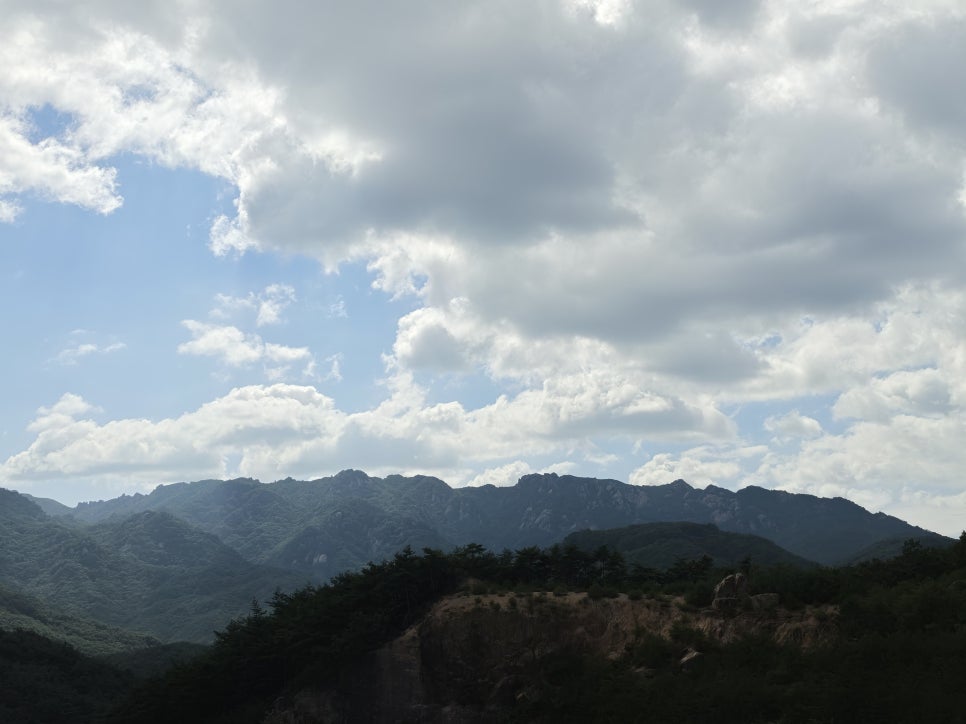
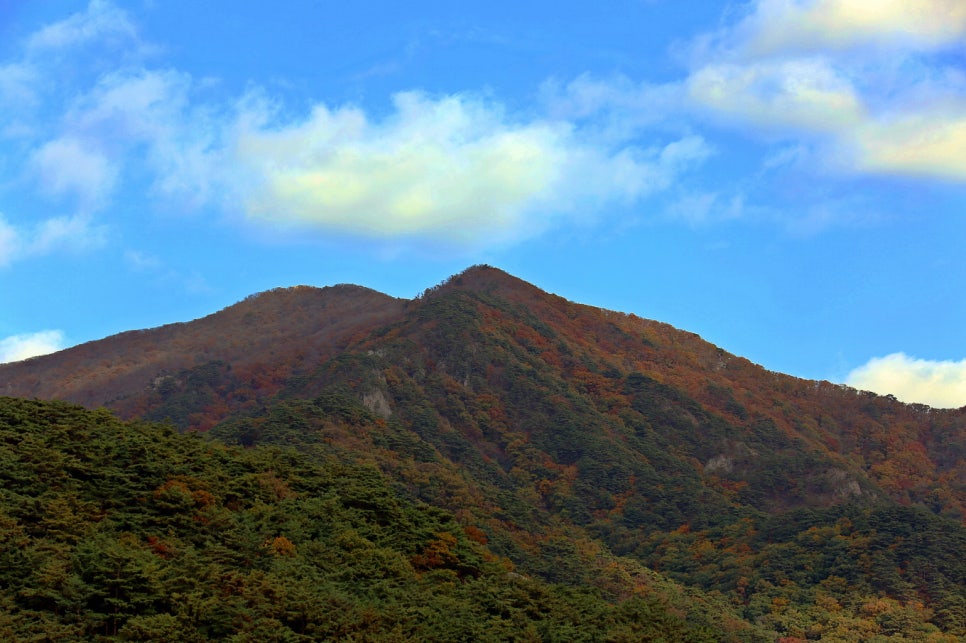
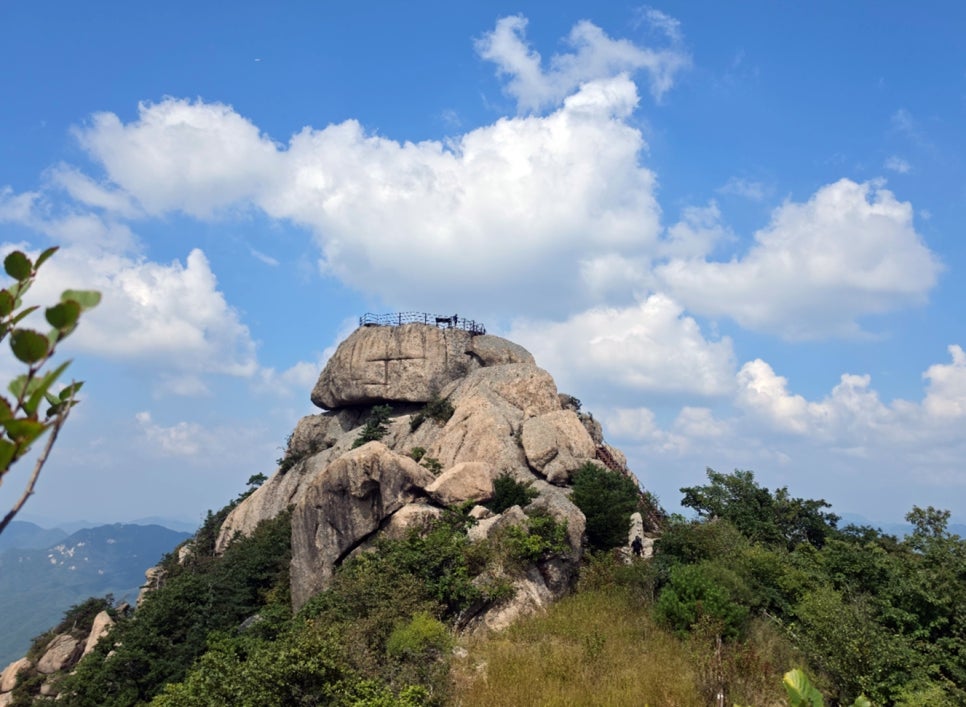
Sujeongbong is 576 m, which is modest by Songnisan standards, and that is rather the point: it is low enough to look across at the ridge rather than stand on it. Cheonwangbong, the park's highest peak at 1,058 m, fills the view in one direction, and Beopjusa lies below in the other, which is a perspective you cannot get from inside the temple grounds.
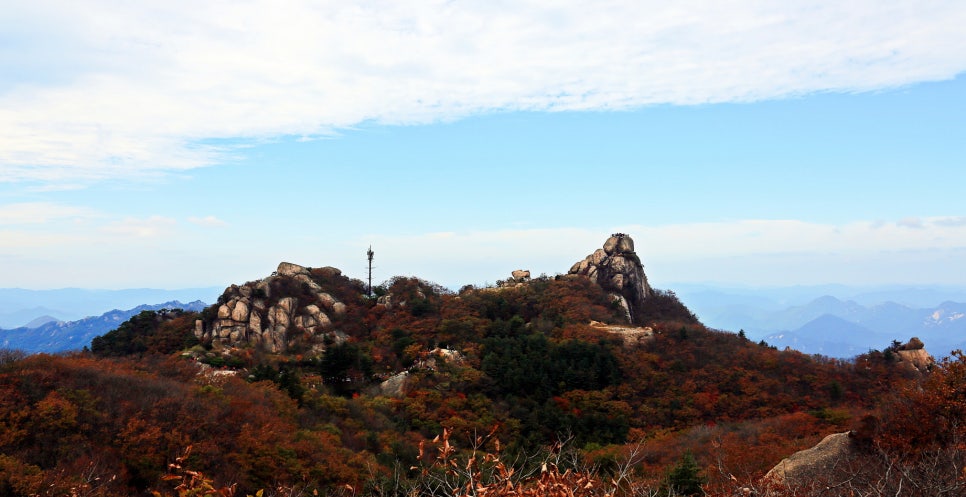
On the summit there is a rock formation shaped like a turtle, which carries a legend connecting it to Emperor Taizong of Tang. The park service confirms that the rock exists and that a legend attaches to it; the various embellishments about when the turtle's head was cut and how the peak got its name are oral tradition rather than documented history, and are worth enjoying as such.
Opening week runs into the Chuseok holiday
Dates to be aware of
- Monday 21 September
- The trail opens. Worth ringing the park office to confirm on-site arrangements on day one
- Thursday 24 to Sunday 27 September
- Chuseok holiday — expect the Beopjusa car park and the trailhead to be busy
- Friday 25 September
- Chuseok day itself, the heaviest travel day of the Korean year
- Immediately after opening
- The designated entry times for the new section may not yet appear on the park's published tables
Before you set out
- Booking: this trail has not been listed under the park's booked-entry system. Songnisan's Myobong and Domyeongsan routes are booked, so do not confuse them.
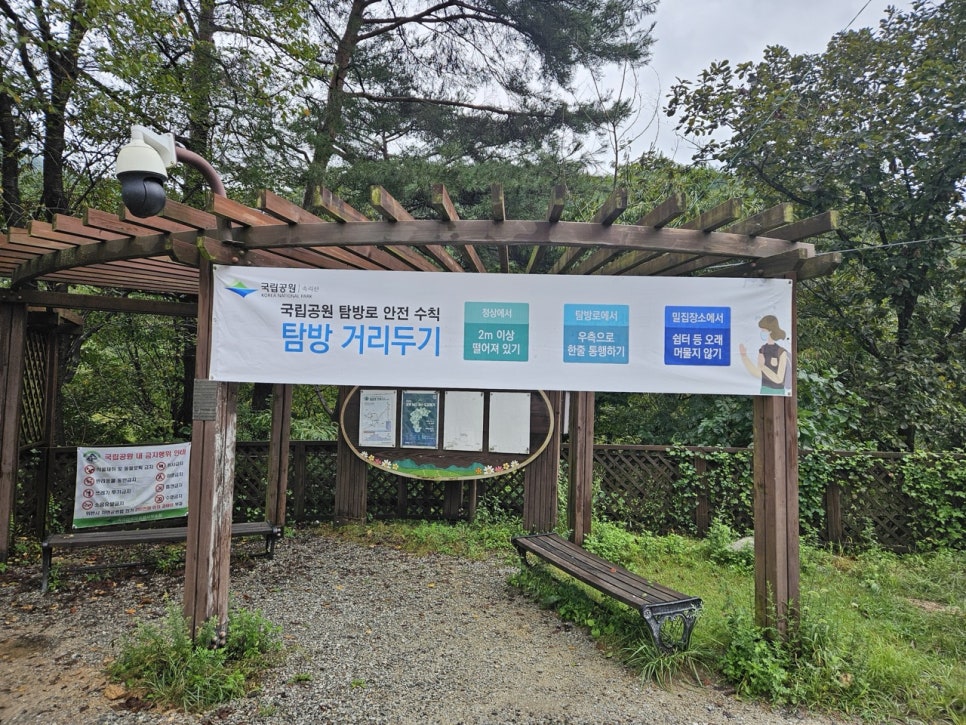
- Entry times: the Beopjusa sector admits walkers from 4:00am in summer and 5:00am in winter. Confirm the times for the new section once it opens.
- The summit is bare rock and not large. Give other people room rather than crowding the top.
- Enquiries: Songnisan National Park office on 043-542-5269.

Frequently asked questions
- Q. When does the Sujeongbong trail open?
- Monday 21 September 2026, and it is a permanent addition rather than a seasonal opening — there is no announced closing date, so it will be there whenever you visit.
- Q. How long does it take from Beopjusa?
- About thirty minutes each way over 0.8 km, so allow a little over an hour for the round trip including time at the top. It does not need hiking boots or an early start.
- Q. What can you see from the summit?
- Cheonwangbong, the highest peak in Songnisan at 1,058 m, and a full view down over Beopjusa temple, which is on the UNESCO World Heritage list. There is also a turtle-shaped rock on the summit with a legend attached to it.
- Q. Do I need to book or pay?
- Neither. Korea's national parks charge no entrance fee, and this trail is not on the park's booked-entry list. What does apply is the designated entry-time system, which sets the latest hour you may start up — check the board at the trailhead.
- Q. Can I go during the Chuseok holiday?
- Yes, the park does not close. But the holiday falls three days after the trail opens and the Beopjusa area is one of the busier temple destinations in the country at that time of year, so expect company.
Sources
Written in our own words from the sources above, never copied from them, and every date and price checked against at least two pages. The originals are in Korean. Spotted a mistake? Ask for a correction.
Latest from Korea National Park Service
 Korea National Park ServiceProgramme17 October 2026On nowFreeChiaksan: free weekend shuttle to Guryongsa — to 15 Nov
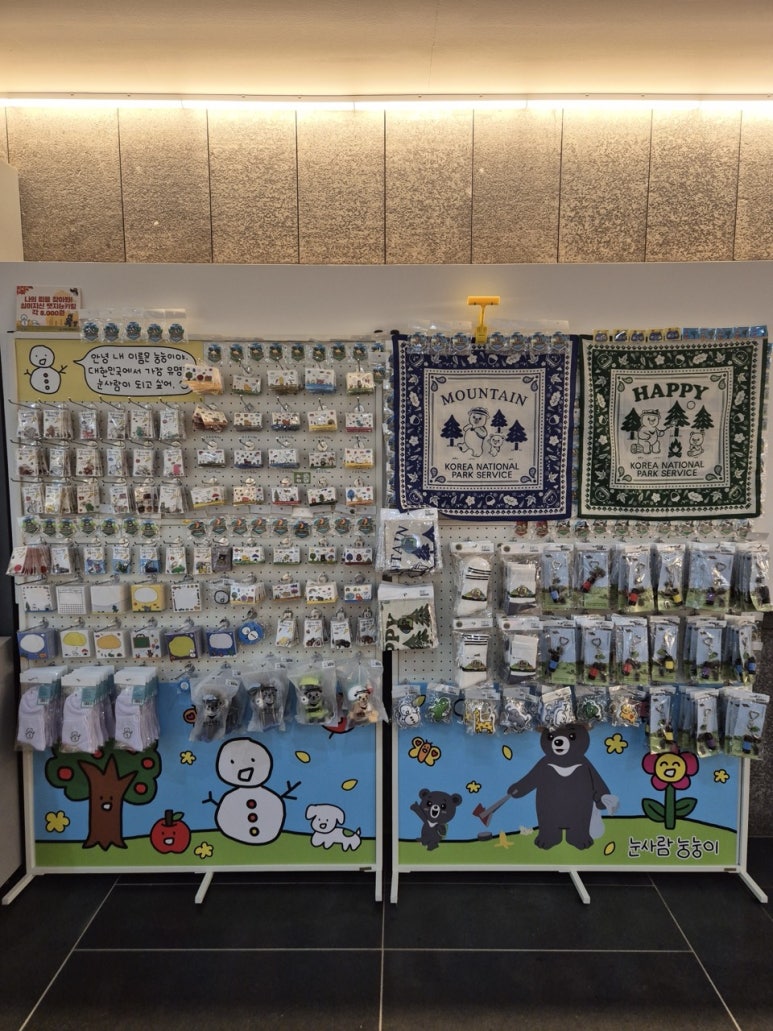 Korea National Park ServiceEvent13 October 2026On nowFreeNungnungi pop-up at Juwangsan National Park's shop — 23 Oct–15 Nov, preview 16–18 Oct
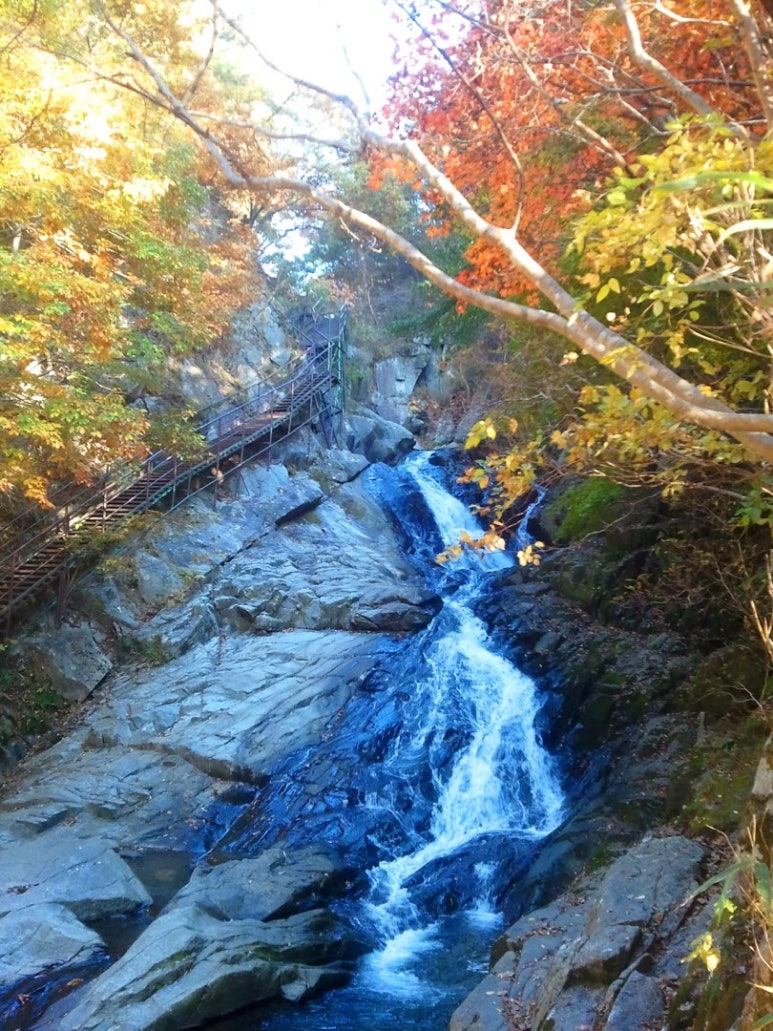 Korea National Park ServiceNotice8 October 2026Jirisan's Guryong Valley trail reopens Oct 9 — waterfall route restored
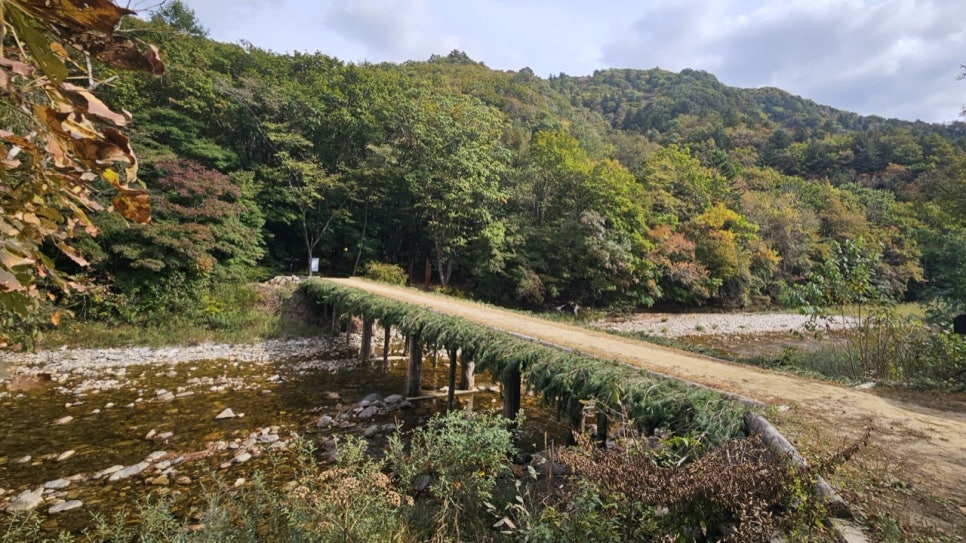 Korea National Park ServiceProgramme7 October 2026On nowOdaesan: a car to Sangwonsa for less-mobile visitors — to 15 Nov