Event·Korea Tourism OrganizationIn 16 daysFree
Moseulpo Yellowtail Festival, Jeju — 19–22 November 2026, free entry
Summary
The 26th Southernmost Bangeo (Yellowtail) Festival runs from Thursday 19 to Sunday 22 November 2026 around Moseulpo Port in Daejeong-eup, on the south-west tip of Jeju, and entry is free. The opening ceremony is at 5 pm on the 19th, and the fireworks close the festival on the evening of the 22nd. Catching a yellowtail by hand and fishing from a sea pen cost KRW 20,000 per person; the children's hand-catch and the yellowtail auction are free. There is nothing to book in advance: every hands-on activity takes walk-in sign-ups at the venue on the day, run in Korean, so a non-resident can simply turn up.
Article
In short
- The 26th Southernmost Bangeo (Yellowtail) Festival runs for four days, Thursday 19 to Sunday 22 November 2026, around Moseulpo Port (66 Choenamdanhaean-ro, Daejeong-eup, Seogwipo, Jeju). Entry is free.
- The opening ceremony is at 17:00 on Thursday 19 November, after a street parade and warm-up performances from 15:00. The closing ceremony and fireworks are on the evening of Sunday 22 November.
- Catching a yellowtail by hand and sea-pen fishing cost KRW 20,000 per person; the children's hand-catch (20–22 November) and the yellowtail auction are free. Everything is a walk-in sign-up on the day — there is no advance booking.
- By public transport from Jeju International Airport, take express bus 151 or 152, get off at Hamo Sports Park (하모체육공원) and walk about 300 m to the port; the trip takes about 1 hour 15 minutes.
- For a visitor who reads no Korean: nothing needs booking and the activities are hands-on, but the stage programme, announcements and sign-up desks are in Korean only.
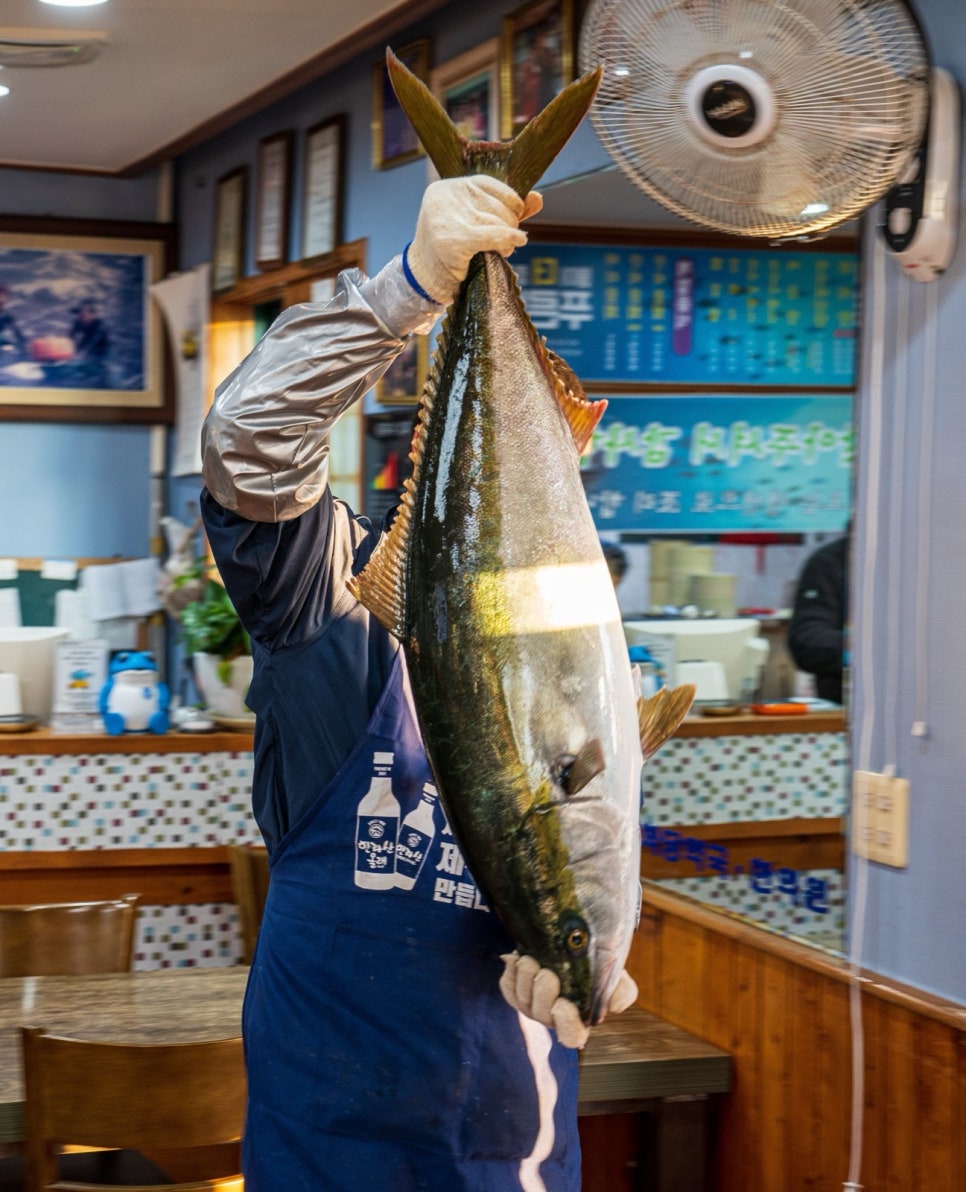
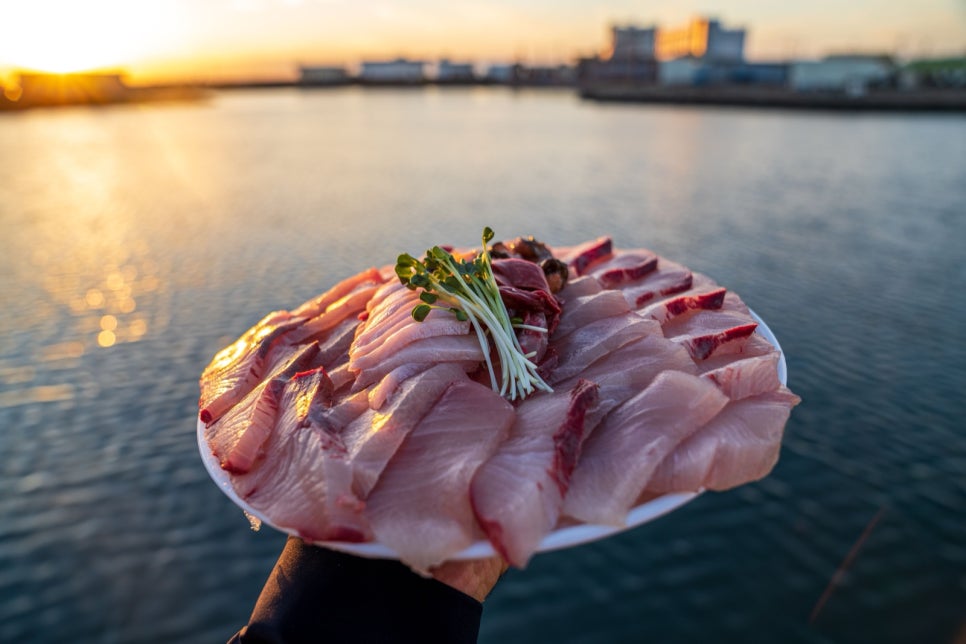
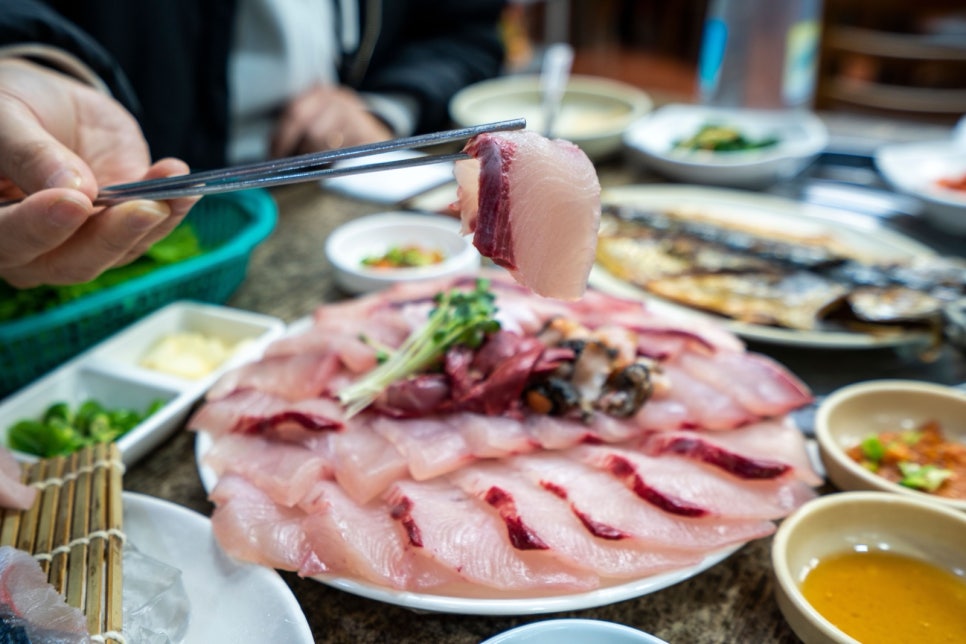
The Southernmost Bangeo Festival at Moseulpo — bangeo is Japanese amberjack, sold in English as yellowtail — reaches its 26th edition this November. It began in 2001 and has run almost every year since, skipping only 2020 for COVID-19, and it is Jeju's best-known seafood festival: you catch winter yellowtail by hand, bid for it at auction and eat it at free tastings. This year it runs from Thursday 19 to Sunday 22 November 2026, and the Korea Tourism Organization's VisitKorea listing, Visit Jeju and the festival committee's website all give the same dates and venue. We matched the three on 3 November and added the opening time and activity fees, which had not been published when the story first appeared on our blog.
When and where is the 2026 festival, and what is on?
The festival fills the waterfront around Moseulpo Port in Hamo-ri, Daejeong-eup. According to the committee's notice of 3 September, the opening ceremony is at 17:00 on Thursday 19 November and the closing ceremony on the evening of Sunday 22 November; the day-by-day stage timetable sits on a separate 'stage events' page of the festival website. VisitKorea gives this year's subtitle as 'a festival linking the sea, the land and people', which is the organisers' way of saying they want visitors to stay for the day, with other Daejeong produce and performances alongside the fish.
Main stage programme by day (festival website, stage events page, checked 3 November 2026)
- Thu 19 November
- 15:00 street parade → warm-up performances → 17:00 opening ceremony → 18:00 guest singers
- Fri 20 November
- 10:00–14:00 games for older residents (yut, tuho and others) · from 16:30 two rounds of heats for the yellowtail song contest, then the finalists are announced
- Sat 21 November
- 11:00 filleting of a giant yellowtail · 12:00 yellowtail eating contest (walk-in sign-up) · 13:00 conch scramble and haenyeo float-making · 14:00 haenyeo (women divers) singing contest · guest singers in the evening
- Sun 22 November
- 16:30 song contest final · prizes and a raffle, then the closing ceremony and fireworks
Two closing times are published
The committee's notice of 3 September puts the closing ceremony at 19:00 on the 22nd; the stage timetable on the same website lists 'closing ceremony and fireworks' at 20:00–20:30. Both say the schedule may change, so if you want the fireworks, be there before 19:00.
Why eat yellowtail at Moseulpo in November?
The festival committee puts it down to the sea. Yellowtail follow the Kuroshio Current and are caught off Korea's south and east coasts in summer and autumn too, but the fish that winter in the windy, fast-running water off south-west Jeju grow larger and firmer, the committee says. With plenty of food such as damselfish, they start to fatten from November to February and are at their oiliest around the time the snow comes. The festival is timed to that season.
Hand-catching, fishing and the auction: what do they cost?
Entry is free, but some activities are paid. The table follows the festival website's 'sea activities' page; all of them take sign-ups at the venue on the day. There is no online booking.
Sea activities and fees (festival website, sea activities page, checked 3 November 2026)
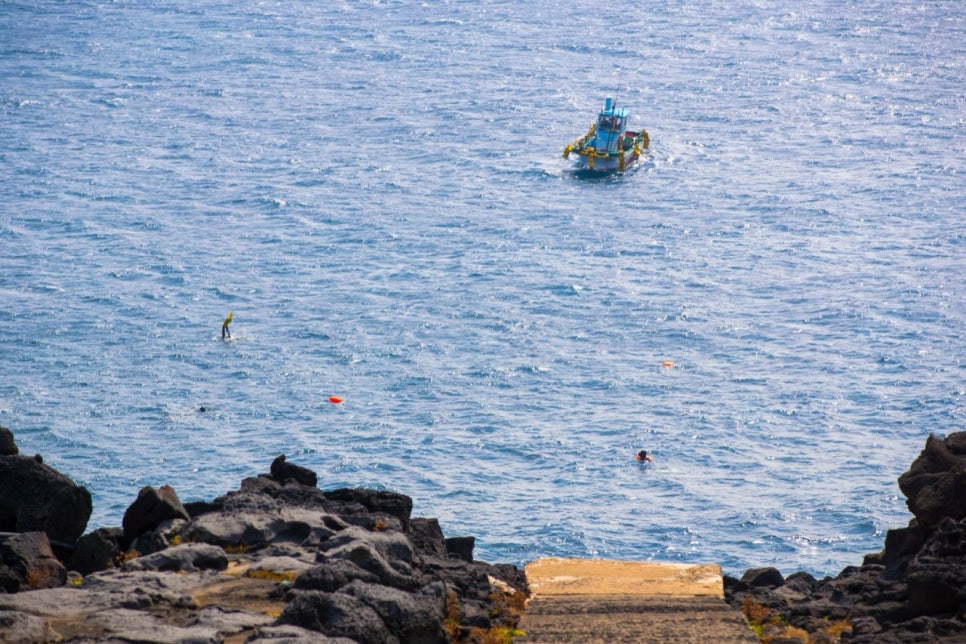
- Catching a yellowtail by hand
- KRW 20,000 · 19–22 November, 11:00–17:00
- Children's hand-catch
- Free (walk-in on the day, first come, first served) · 20–22 November, 12:00–15:00
- Sea-pen yellowtail fishing
- KRW 20,000 (walk-in on the day) · 19–22 November, 11:00–17:00
- Yellowtail auction
- Free to take part — you pay for any fish you win · 20–22 November, 11:00–17:00
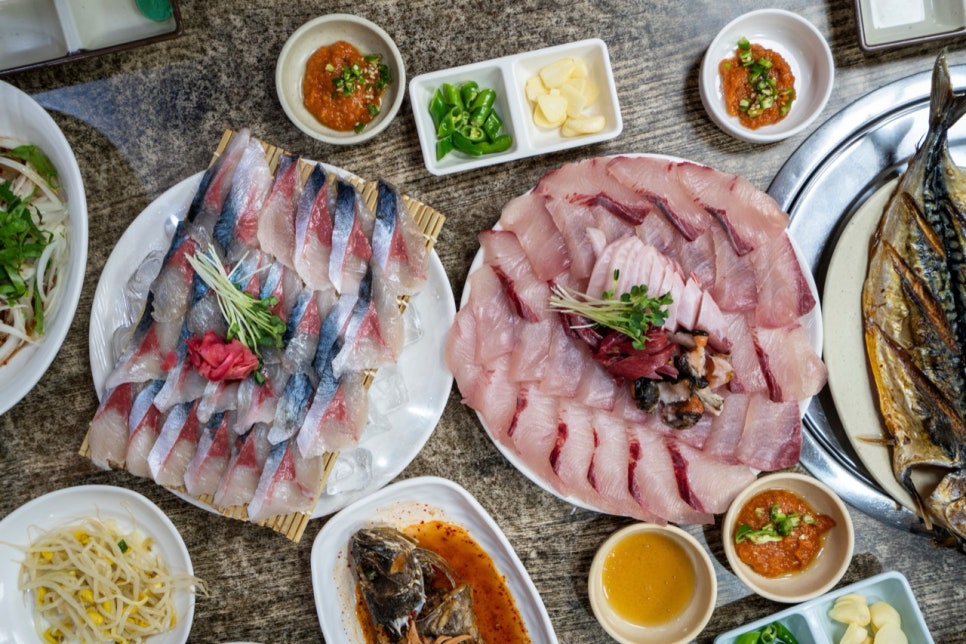
There is plenty that costs nothing. From 20 to 22 November, 11:00–16:00, a free giant-yellowtail tasting lets visitors open 'lucky keys' to win a fish, and the booths run free tastings of yellowtail dishes and a stall selling sashimi cheaply. A fire-service experience, a police booth and a public-health check-up tent are open on all four days.
Activity times differ between pages
The sea-activities page gives 11:00–17:00; the stage timetable gives 10:00–16:30, and only until 14:30 on the last day, the 22nd. Hand-catching happens outdoors in the water and depends on the weather, so if you are going on the last day or arriving late in the afternoon, check with the committee first (+82 64-794-8032, Korean).
How do you get from Jeju Airport to Moseulpo Port?
Moseulpo Port is about 40 km from Jeju International Airport. The committee's directions page says the drive takes about 1 hour 10 minutes via the Pyeonghwa-ro road; set the navigation to Moseulpo Port car park (모슬포항 주차장). As of 3 November no temporary car parks or shuttle buses had been announced. By bus, the committee lists three routes:
- Express 151 (towards Unjin Port) → get off at Hamo Sports Park (하모체육공원) → walk about 300 m to the port (about 1 hour 15 minutes)
- Express 152 (towards Unjin Port) → get off at Hamo Sports Park → walk about 300 m (about 1 hour 17 minutes)
- Express 182 → change to trunk bus 255 (towards Unjin Port) and get off at Moseulpo Port (모슬포항) (about 1 hour 30 minutes)
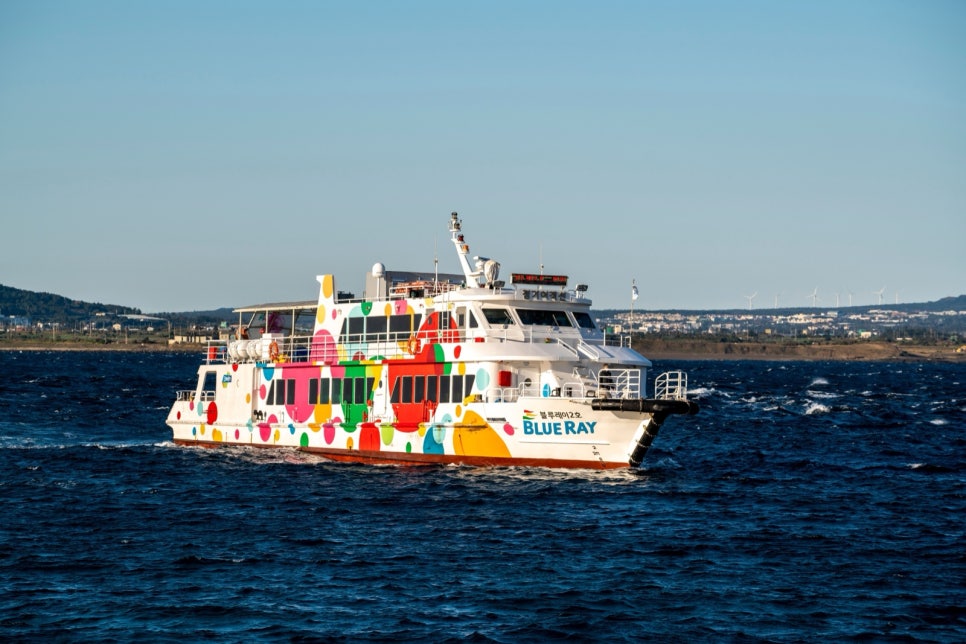
Unjin Port (Moseulpo South Port), south of the festival site, is where ferries leave for the islands of Gapado and Marado, so you can visit an island in the morning and come to the festival in the afternoon. Winter winds often stop the boats, though — check on the day whether they are sailing.

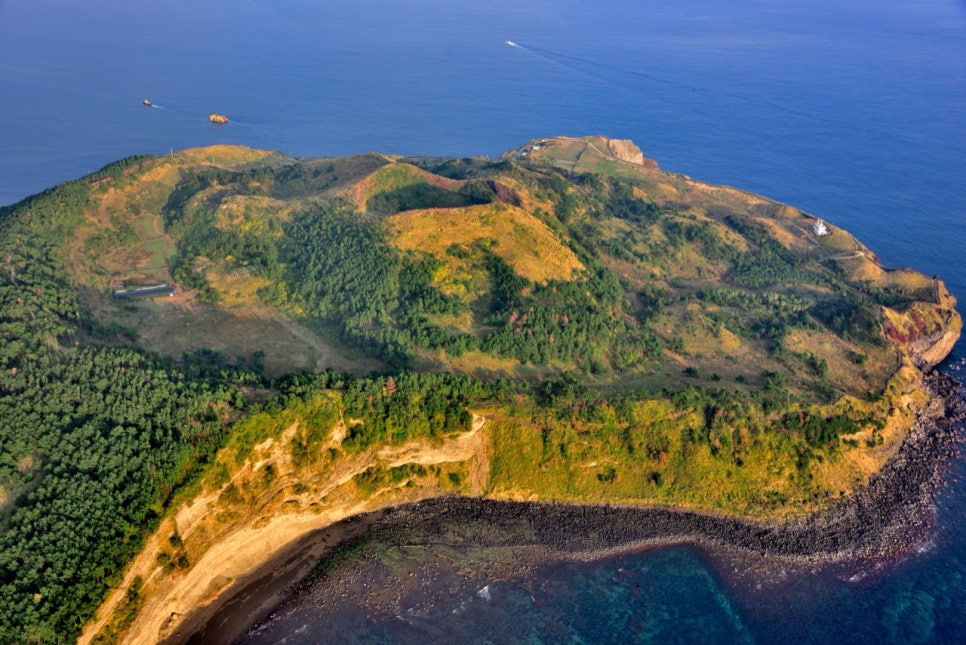
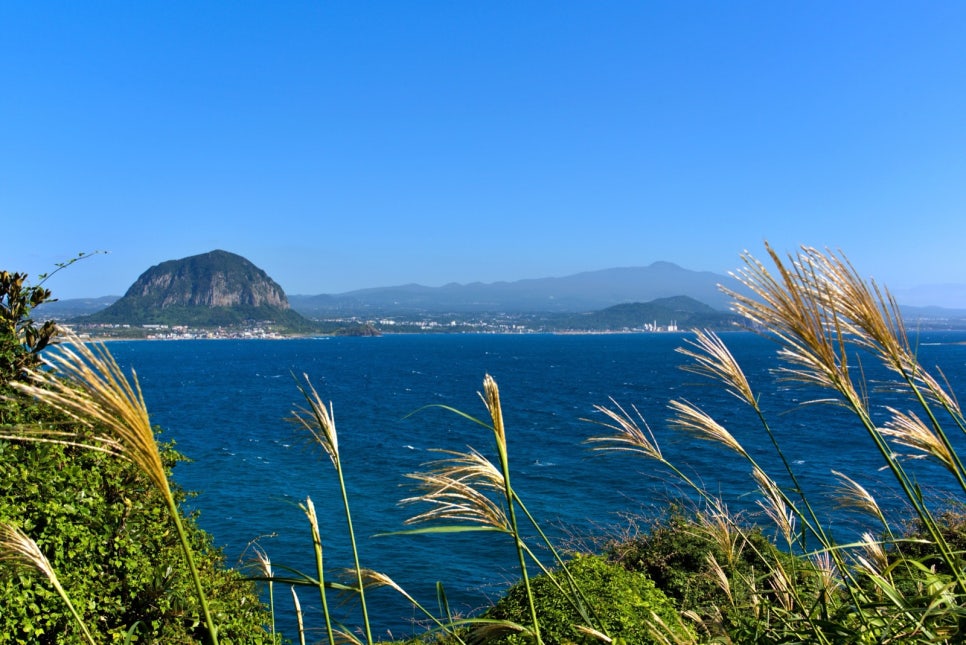
If there is no time for an island, Songaksan, also in Daejeong-eup, is close by. It is a small volcanic cone jutting into the sea with a crater on top and a trail along the cliffs, where late-autumn silver grass frames Sanbangsan mountain. The festival committee itself suggests pairing the festival with the Songaksan coast and the area's historic sites.
What to bring
- Activity fees are paid on site. Doing both the hand-catch and the fishing costs KRW 40,000 per person.
- The hand-catch means getting into the water, so a change of clothes and a towel are sensible. The official pages do not list what to bring.
- The Moseulpo waterfront is windy in late November. If you are staying for the opening ceremony or the closing fireworks, bring a windproof layer.
- The committee says the stage programme and activity times may change, so check the website's notices again before you set off.
Getting there and what to expect if you do not read Korean
Most visitors arrive through Jeju International Airport, with frequent domestic flights from Seoul Gimpo and other Korean airports; from the airport, the express buses above run to Moseulpo without a change, or it is about 70 minutes by hire car. Moseulpo is a working fishing town rather than a resort, so if you plan to stay for the evening events, look for a room in Moseulpo itself or in nearby Hallim or Jungmun before you go. On the day, expect a Korean-only festival: the stage, the announcements and the sign-up desks for the hand-catch and fishing all work in Korean, and the website lists no English signage or interpreter. That matters less than it sounds. The paid activities are a queue, a fee and a pen of fish — pointing and paying works — and the free tastings, the giant-yellowtail filleting show and the fireworks need no language at all. The auction is the one event where Korean helps, because bids are called aloud. Nothing is booked online, so there is no Korean phone number or card to get past; bring cash as a fallback for the activity fees, since the pages do not say which payment methods are accepted.
Frequently asked questions
- Q. When and where is the 2026 Moseulpo yellowtail festival?
- The 26th Southernmost Bangeo (Yellowtail) Festival runs for four days, from Thursday 19 to Sunday 22 November 2026, around Moseulpo Port, 66 Choenamdanhaean-ro, Daejeong-eup, Seogwipo, Jeju. The opening ceremony is at 17:00 on the 19th.
- Q. Is there an entry fee for the yellowtail festival?
- No, entry is free. Catching a yellowtail by hand and sea-pen fishing cost KRW 20,000 per person, while the children's hand-catch and the yellowtail auction are free (you pay for any fish you win at auction).
- Q. Do I need to book the yellowtail hand-catch?
- No. There is no advance booking; you sign up at the venue on the day. The general hand-catch runs 19–22 November, and the children's hand-catch runs 20–22 November, 12:00–15:00, first come, first served.
- Q. When are the fireworks at the Moseulpo yellowtail festival?
- On the evening of the last day, Sunday 22 November 2026, with the closing ceremony. The committee's notice gives 19:00 and its stage timetable gives 20:00–20:30, so arriving before 19:00 is the safe choice.
- Q. How do I get from Jeju Airport to Moseulpo Port by bus?
- Take express bus 151 or 152 towards Unjin Port, get off at Hamo Sports Park and walk about 300 m. It takes about 1 hour 15 minutes. Another route is express 182, changing to trunk bus 255.
- Q. Is it worth going if I do not read Korean?
- Yes, if you go for the food and the hands-on activities. Nothing needs booking, the hand-catch and fishing are simply queue-and-pay, and the free tastings and fireworks need no language. The stage programme, announcements and the auction are in Korean only, with no English signage listed, so treat the evening shows as atmosphere rather than something to follow.
Editor's note · Kang Shin-wook
For visitors putting the west of Jeju into a late-November trip. We checked the Korea Tourism Organization's VisitKorea festival listing (updated 2 November), Visit Jeju and the festival committee's own notice, programme and directions pages on 3 November 2026, and put the dates, fees and bus routes in one place. Other November food festivals are in November food festivals, and what is coming up next is on /en/events.
Sources
- Official notice (Korean)
- Visit Jeju — 26th Southernmost Bangeo Festival (Korean)
- Festival committee notice — 26th Southernmost Bangeo Festival, 3 September 2026 (Korean)
- Festival website — stage events timetable (Korean)
- Festival website — sea activities and fees (Korean)
- Festival website — special activities and free tasting (Korean)
- Festival website — directions (Korean)
- Festival website — about the festival (Korean)
- Festival website — history (Korean)
- VisitKorea festival listing — Southernmost Bangeo Festival (Korean)
Written in our own words from the sources above, never copied from them, and every date and price checked against at least two pages. The originals are in Korean. Spotted a mistake? Ask for a correction.
Latest from Korea Tourism Organization
 Korea Tourism OrganizationNews30 October 2026Autumn leaves in southern Korea: November peak dates for 24 spots
 Korea Tourism OrganizationEvent29 October 2026In 16 daysFreePohang International Fire & Light Festival, Yeongildae Beach — 19–21 November 2026, free, fireworks on Saturday
 Korea Tourism OrganizationEvent28 October 2026On nowFreeNamsan Night Festival, Seoul — last dates to 14 Nov, deposit and booking
 Korea Tourism OrganizationEvent26 October 2026In 3 daysFreeKorea's November food festivals 2026 — ramyeon, kimchi, seafood and yuja, 6–15 November