Exhibition·Korea National ArboretumEnded
Star-shaped succulent flowers at the Korea National Arboretum, to 30 September
This event has ended. The institution's visiting guide is still current. Visiting guide · What's on
Summary
The Korea National Arboretum is showing succulents whose flowers open as five-pointed stars in its tropical research glasshouse until 30 September. Between Monday closures and the Chuseok forest rest period there are only about ten days left to see it. Admission is the standard arboretum ticket of KRW 1,000 for an adult, and arriving by car requires a parking reservation.
Article
In short
- The exhibition runs 8 to 30 September 2026 in the tropical glasshouse at the Korea National Arboretum.
- Mondays are closed and the arboretum shuts for a forest rest period over Chuseok, 24 to 26 September, which removes five days from the run.
- No separate charge was announced: the standard arboretum ticket of KRW 1,000 for an adult covers it, and 27 September is a free day.
- If you drive, you cannot park without a reservation. Arriving on foot or by bus needs no booking at all.
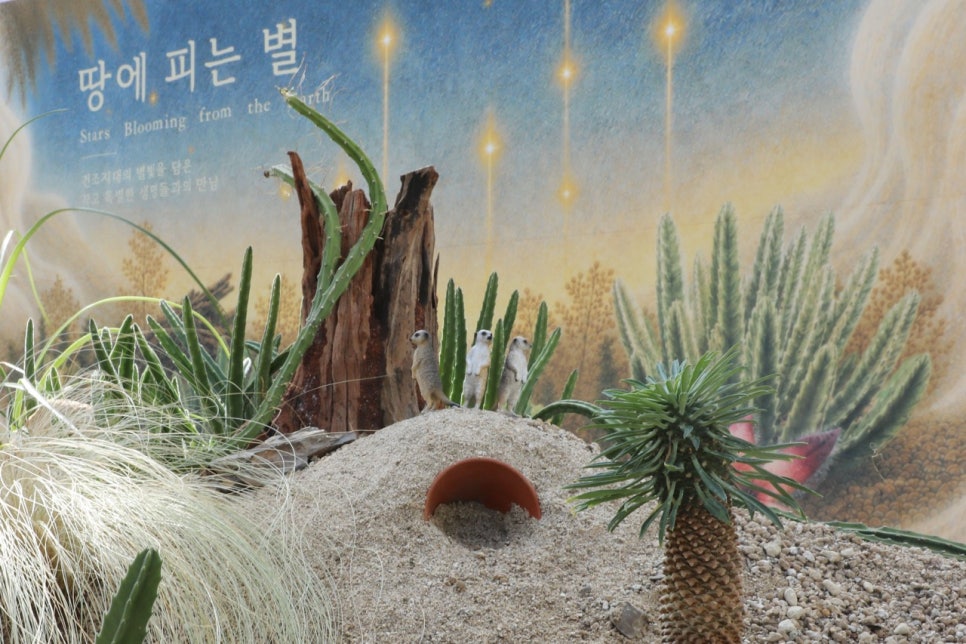
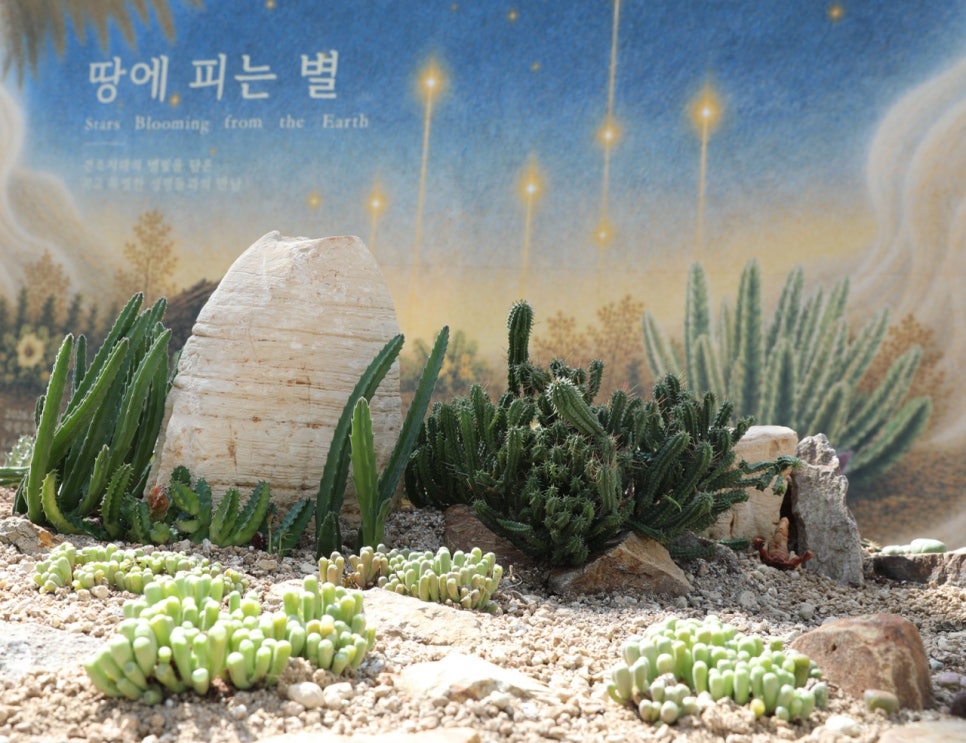
The Korea National Arboretum keeps a tropical research glasshouse alongside its temperate collections, and this month it has filled part of it with succulents from three genera whose flowers open as five-pointed stars. It is a small, specific exhibition rather than a major show — the reason to note it is that the window is shorter than the dates suggest.
.jpg?type=w966)
How many days are actually left
Days you can and cannot go
- Last day of the exhibition
- Wednesday 30 September
- Monday closures
- 21 and 28 September
- Chuseok forest rest period
- Closed 24 to 26 September
- Free admission day
- Sunday 27 September — no admission charge, but parking is still charged and still booked
- Days remaining
- Roughly ten, counting from the middle of the month
Why these flowers are shaped like stars
The star shape is not decorative; it is a lure. Two of the three genera are pollinated by flies, and their flowers imitate dead animal tissue in colour, texture and — memorably — smell. The third works the opposite shift, opening large scented white flowers at night to draw moths. In all three cases the five-lobed star is the landing platform.
The three genera on show
- Stapelia
- Dry regions of southern Africa. Spineless stem succulents whose hairy, fleshy flowers mimic carrion to attract flies
- Huernia
- Eastern and southern Africa and the Arabian peninsula. Five-lobed bell or funnel flowers with strong banding, also fly-pollinated
- Selenicereus
- Mexico, Central America and the Caribbean. Large, strongly scented white flowers that usually open for a single night to attract moths
.jpeg?type=w966)
.jpeg?type=w966)
.jpeg?type=w966)
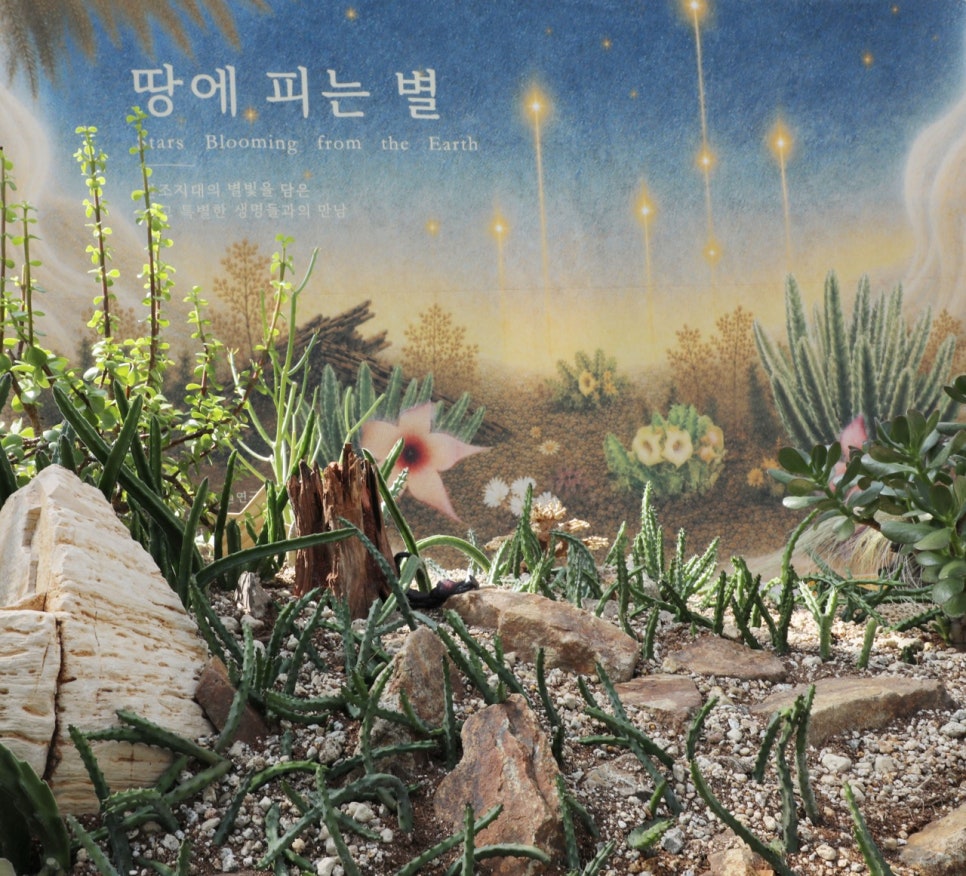
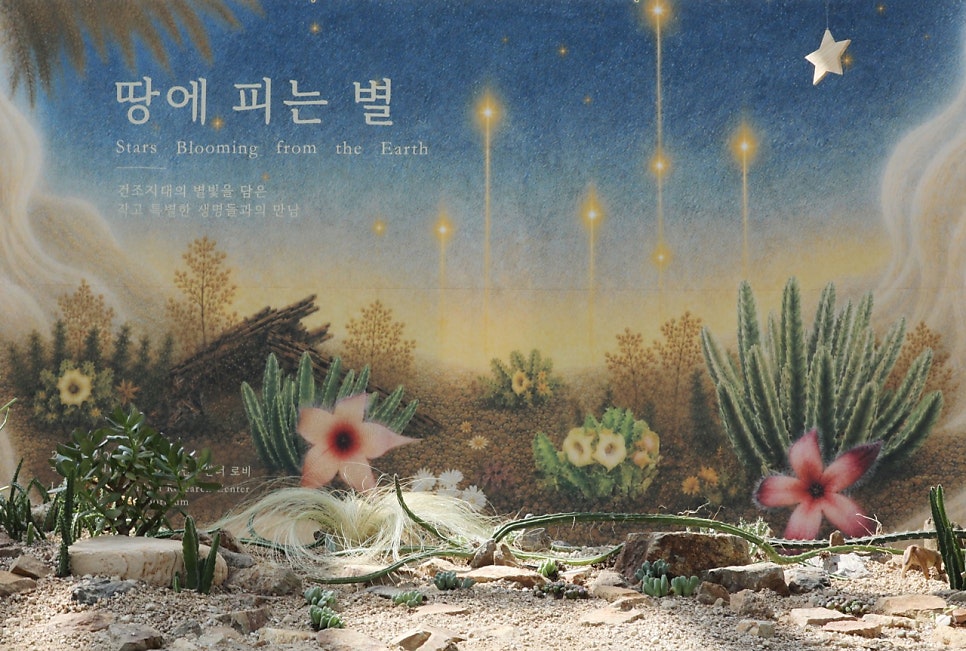
The pink star in the publicity is not a flower
The image used to promote the exhibition shows a structure that is not the flower itself. Flowering times are not published, so whether you will see anything open on a given day is a matter of luck — ring 031-540-2000 if that is the point of your trip.
.jpg?type=w966)
Getting in, and the parking rule that catches people
- Driving is 100% pre-booked. Cars without a reservation are turned away at the gate, not sent to overflow parking.
- Arriving on foot or by public transport needs no reservation.
- Same-day parking can be booked online up to an hour before last admission, if spaces remain.
- Visitors entitled to free admission — over-65s, disabled visitors, larger families — still need a parking reservation if they drive, and collect their ticket at the staffed window with proof.
- Cancel through the booking system before last admission on the day; no-show admission is not refunded.
The visitor cap is stated differently in two places
The visitor-information page gives a daily ceiling of 4,500 for people arriving without a car, while the booking page gives 3,000 on weekdays and 4,500 at weekends and on holidays. Assume the lower figure if you are walking in on a weekday.
Frequently asked questions
- Q. How long is the succulent exhibition on?
- Until 30 September 2026. Between the Monday closures and the Chuseok forest rest period from 24 to 26 September, the number of days you can actually visit is closer to ten than to the full three weeks.
- Q. When is the arboretum closed?
- Every Monday, and over the Chuseok rest period this year on 24, 25 and 26 September. It also closes on 1 January and across the Seollal holiday.
- Q. Can I visit without booking?
- Yes, if you are not driving. The reservation system controls parking spaces, not people, so arriving on foot or by bus needs nothing booked. If you bring a car without a reservation you will be turned round at the gate.
- Q. What does it cost?
- The standard arboretum admission — KRW 1,000 for an adult, KRW 700 for teenagers, KRW 500 for children. No separate exhibition charge was announced, and 27 September is a free admission day.
- Q. Will I see the flowers open?
- Possibly not. Flowering times are not published and one of the genera opens only at night. If seeing an open flower is the reason for the trip, call the arboretum on 031-540-2000 before travelling.
Sources
- Official notice (Korean)
- Official page (Korean)
- Official page (Korean)
- Official page (Korean)
- Official page (Korean)
Written in our own words from the sources above, never copied from them, and every date and price checked against at least two pages. The originals are in Korean. Spotted a mistake? Ask for a correction.
Latest from Korea National Arboretum
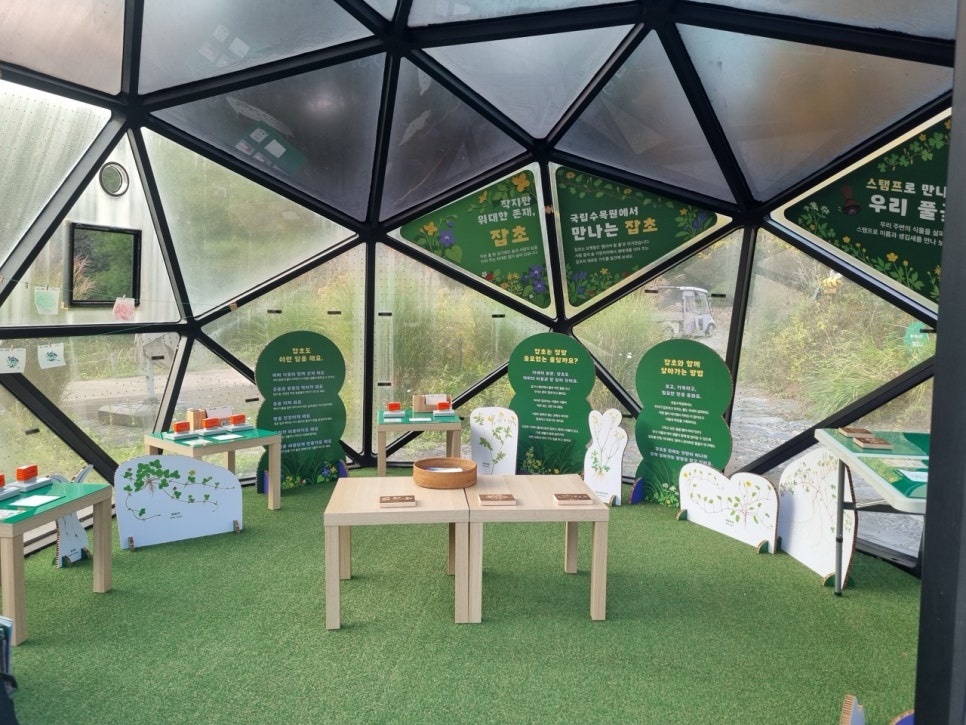 Korea National ArboretumExhibition10 October 2026On nowFreeKorea National Arboretum weeds exhibition — hands-on, to 29 Nov
 Korea National ArboretumNews29 September 2026When Korea's autumn leaves peak in 2026 — Seoraksan from 20 October
 Korea National ArboretumNotice22 September 2026The Korea National Arboretum shuts for three days over Chuseok, then opens free on the 27th