Exhibition·Royal Palaces and Tombs CenterOn nowFree
Changdeokgung opens the Huiuru pavilion for the first time, 22 September to 8 November
Summary
The pavilion on the east side of Seongjeonggak at Changdeokgung, closed to visitors until now, opens from 22 September to 8 November 2026. There is no booking: you sign up on the spot, Tuesday to Saturday between 10:30am and 4:30pm, for a fifteen-minute slot with a maximum of eight people. Everything in the programme is free, but you still need a Changdeokgung ticket to reach it.
Article
In short
- The programme runs 22 September to 8 November 2026 at the Seongjeonggak and Gwanmulheon buildings of Changdeokgung, 10:00am to 5:00pm.
- Huiuru, the pavilion east of Seongjeonggak, opens to visitors for the first time: Tuesday to Saturday, 10:30am to 4:30pm, fifteen minutes per group, eight people maximum.
- Access to the pavilion is by signing up on site, not by booking in advance — which means turning up rather than planning around a reservation system.
- Everything is free, but you need a Changdeokgung ticket to get into the palace in the first place, and the palace closes on Mondays.
- On Sundays the pavilion is given over to a children's programme and there is no general access, so adults should aim for Tuesday to Saturday.
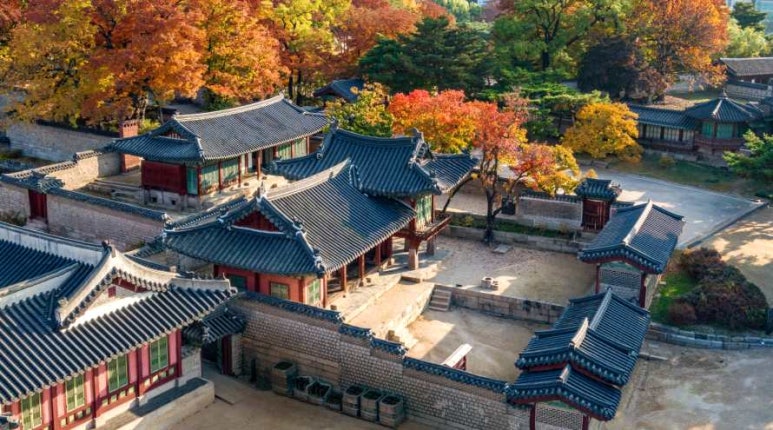
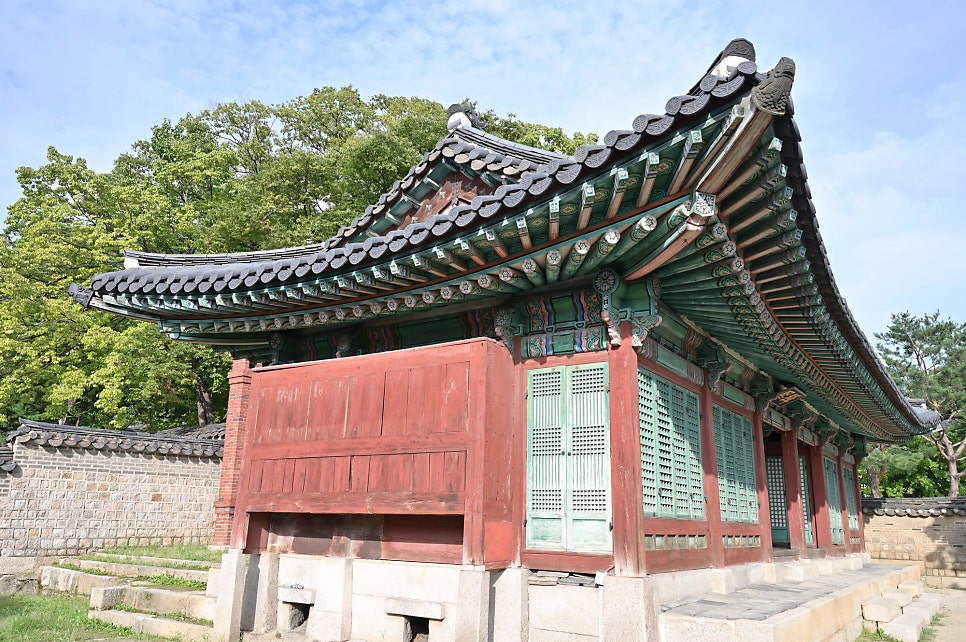
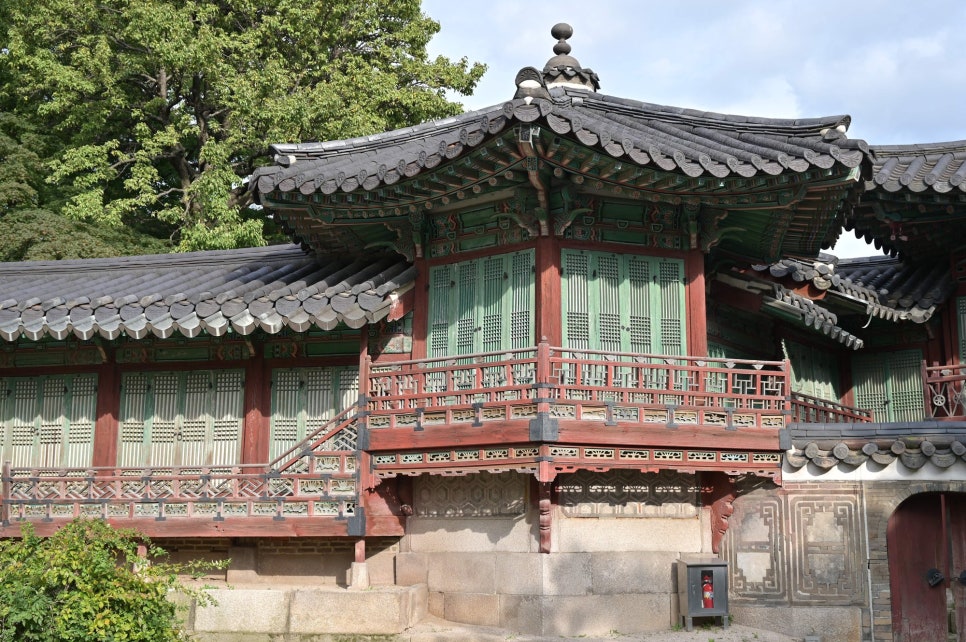
Changdeokgung is the best preserved of Seoul's five palaces and the one on the UNESCO World Heritage list, and parts of it have always been off limits. Seongjeonggak, where the crown prince studied, is open; the small pavilion attached to its east side, Huiuru, has not been. For seven weeks this autumn it is, as part of a programme built around the daily routine of a Joseon crown prince.
Getting into the pavilion: sign up on the day
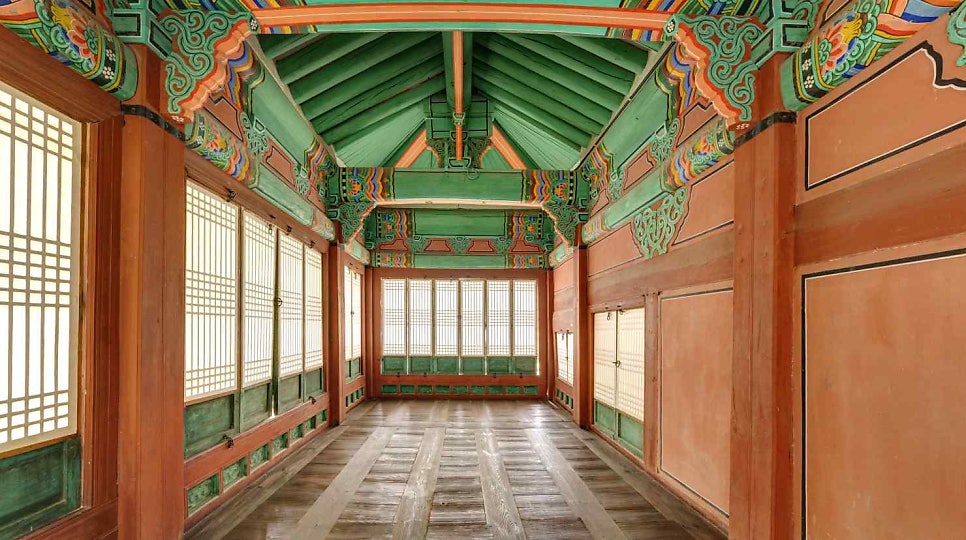
This is the unusual part and the part worth getting right. There is no online booking for Huiuru. You put your name down at the site, and groups go in every fifteen minutes between 10:30am and 4:30pm, Tuesday to Saturday, up to eight people at a time — twenty-four slots across the day. In practice that means arriving reasonably early on a weekend and being relaxed about the exact time, rather than building an itinerary around a confirmed slot.

What else is running at Seongjeonggak
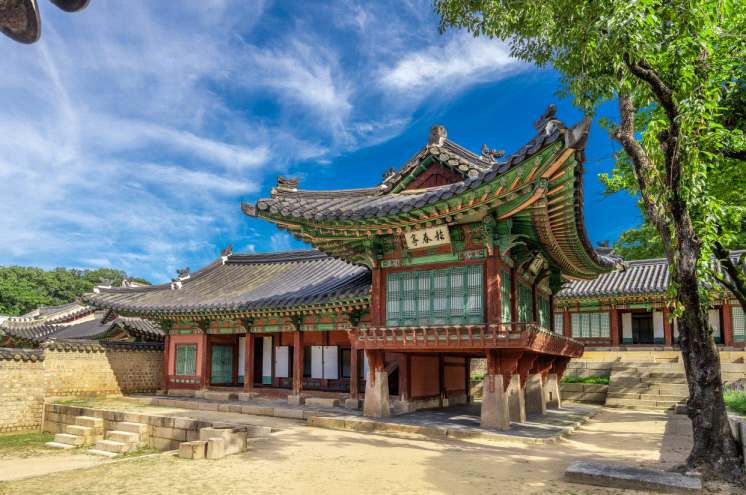
The pavilion sits inside a larger programme. Seongjeonggak holds an exhibition about the crown prince's education, and Gwanmulheon runs hands-on activities including VR archery and traditional counting rods. On Saturdays there is a short play staged at Seongjeonggak at 1:00pm, 2:00pm and 3:00pm, performed in Korean.
What is open on which day, 22 September to 8 November
- Monday
- Palace closed — nothing runs
- Tuesday to Friday
- Exhibition and hands-on activities, plus pavilion sign-up 10:30am – 4:30pm
- Saturday
- As above, plus the play at 1:00pm, 2:00pm and 3:00pm
- Sunday
- Exhibition and activities only. The pavilion is used by the children's programme and is not open to general visitors


The palace ticket is separate
All of the programme is free, but Seongjeonggak is inside Changdeokgung and you need a palace ticket to get there — KRW 3,000, or free in hanbok, or free if you are 24 or under or 65 or over. In September and October the palace is open 9:00am to 6:00pm with last admission at 5:00pm, and closes on Mondays. Note that the palace hours and the programme hours are not the same, so work backwards from 5:00pm rather than 6:00pm.
The Sunday children's programme
- For children in school years 1 to 3, in Korean.
- Sundays at 11:00am, 1:00pm and 3:00pm, about fifty minutes each.
- Ten places per session, maximum two bookings per person.
- Hanbok is worn as part of the activity.
- Booked in advance through a Korean-language ticketing service, first come, first served.
- While it runs, the pavilion is closed to everyone else — plan an adult visit for Tuesday to Saturday.
Why the crown prince, and why this building
Seongjeonggak was where the heir was taught, and the programme is framed around that daily routine — the lessons, the ritual, the slow accumulation of a king. Attaching the first public opening of Huiuru to that theme makes a certain sense: it is the building next door to where the work was done, and until now visitors have only been able to look at it from outside.
About the name
A widely repeated explanation is that Huiuru was named in celebration of rain after a drought. We could not find that in the Korea Heritage Service's own material or the national heritage portal while checking this piece, so we are not repeating it as fact. The on-site interpretation board is the place to check.
Frequently asked questions
- Q. Do I need to book to see Huiuru?
- No, and you cannot. Access is by signing up on site between 10:30am and 4:30pm, Tuesday to Saturday, in fifteen-minute slots of up to eight people. There is no online reservation for the pavilion at all.
- Q. How much does the programme cost?
- Nothing. The exhibition, the activities, the pavilion and the Saturday play are all free. What you do pay is Changdeokgung's own admission — KRW 3,000, or nothing at all if you are wearing hanbok, or are 24 or under or 65 or over.
- Q. Can I see the pavilion on a Sunday?
- No. On Sundays Huiuru is used for the children's programme and general access is suspended. The exhibition and hands-on activities still run, but for the pavilion itself you need to come Tuesday to Saturday.
- Q. Is it worth going if I do not read Korean?
- For the pavilion, yes — it is a building you walk into, and its interest is architectural rather than textual. The exhibition panels and the play are in Korean. Changdeokgung also runs free guided tours in English, which are the better way into the rest of the palace.
- Q. When is the Saturday play?
- At 1:00pm, 2:00pm and 3:00pm at Seongjeonggak, every Saturday of the run. It is performed in Korean and needs no booking.
Sources
Written in our own words from the sources above, never copied from them, and every date and price checked against at least two pages. The originals are in Korean. Spotted a mistake? Ask for a correction.
Latest from Royal Palaces and Tombs Center
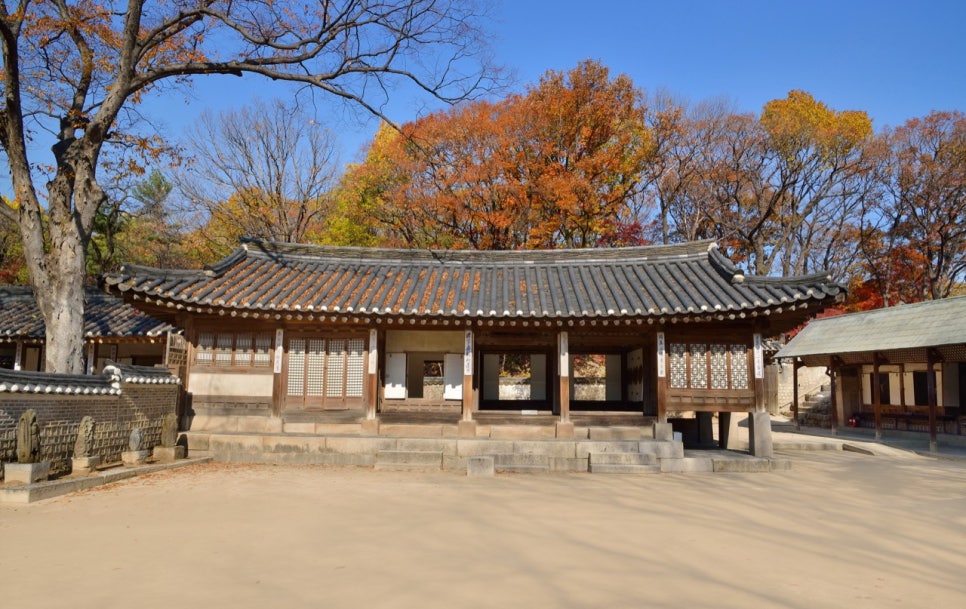 Royal Palaces and Tombs CenterEvent11 October 2026Last dayFreeChangdeokgung Secret Garden: read inside a royal library — until 18 October
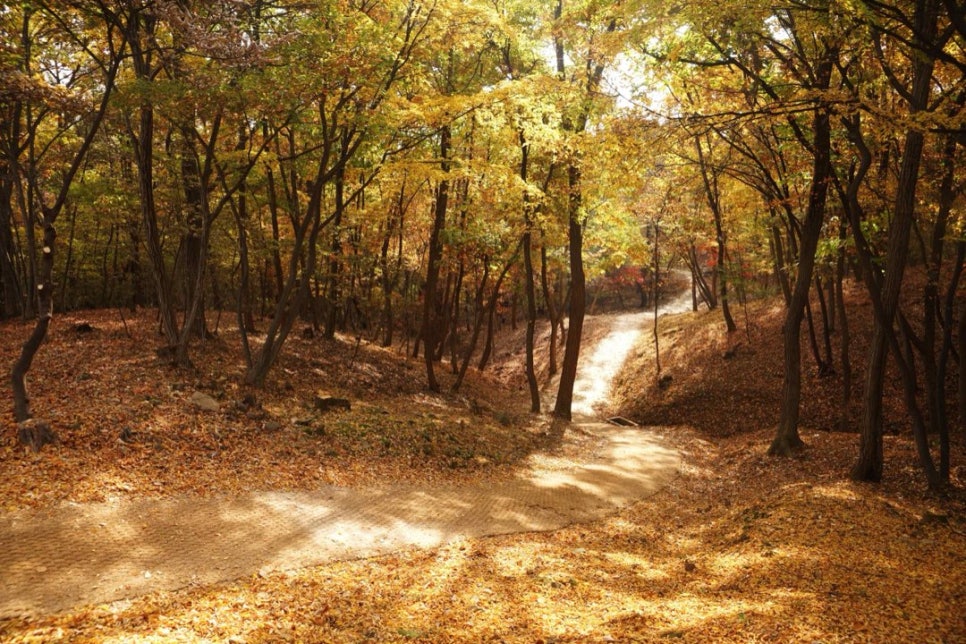 Royal Palaces and Tombs CenterEvent11 October 2026On nowJoseon royal tomb forest trails open for autumn — until 29 November
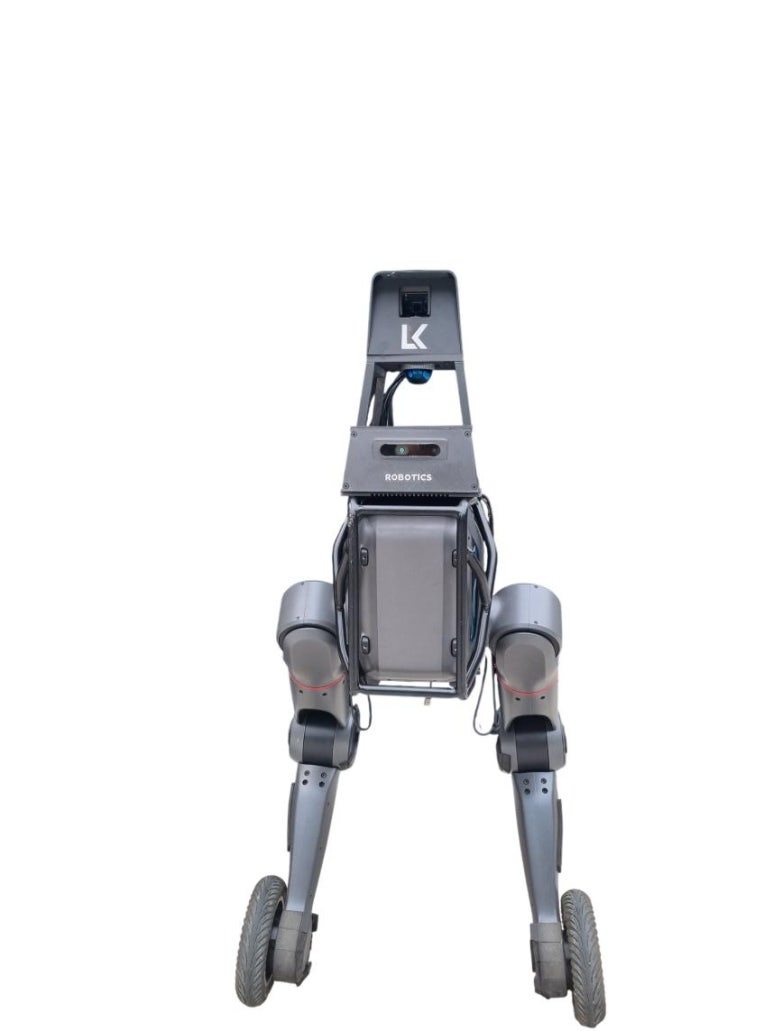 Royal Palaces and Tombs CenterNotice26 September 2026AI patrol robots at Deoksugung and Seooreung — wheels or legs, until November 2026
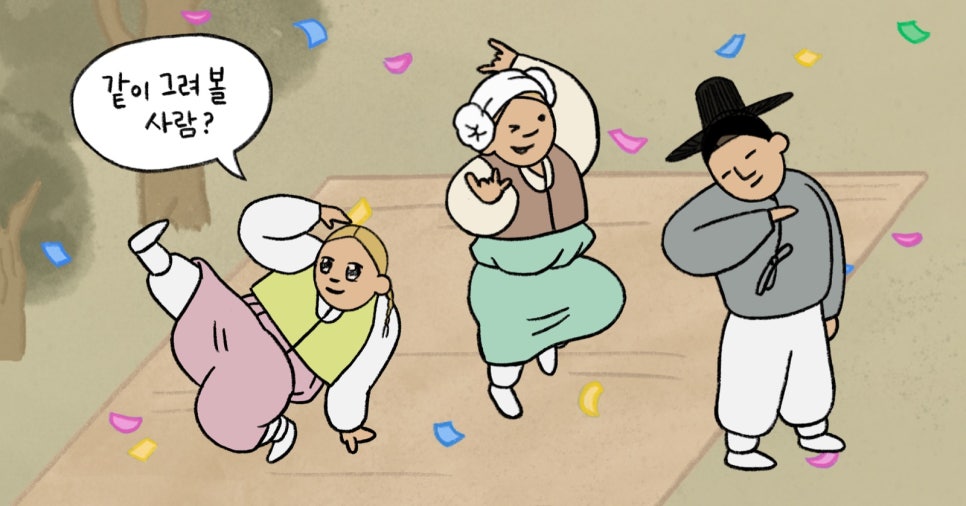 Royal Palaces and Tombs CenterProgramme25 September 2026On nowFreeGenre Painting for All 2026: make a Joseon character — free to 1 Nov