Event·Royal Palaces and Tombs CenterOn now
Joseon royal tomb forest trails open for autumn — until 29 November
Summary
Forest paths inside nine Joseon royal tombs around Seoul — 19.04 km in all, from Donggureung in Guri to Yungneung and Geolleung in Hwaseong — are open from 1 October to 29 November 2026. There is nothing to book: the trail is included in the tomb's own ticket, KRW 1,000 for adults (KRW 500 at Yeongneung in Yeoju), bought at the gate. The catch is the clock: the listed trail hours end at 17:00 in October and 16:30 in November, which is the tombs' last entry, not closing time, so arrive early enough to walk the whole loop. Closed on Mondays.
Article
In short
- Forest trails inside nine Joseon royal tombs, 19.04 km in total, are open from 1 October to 29 November 2026.
- No booking: once you are inside the tomb grounds, the trail costs nothing extra and is open to everyone.
- Tomb admission is KRW 1,000 for adults (KRW 500 at Yeongneung, Yeoju); foreign visitors aged 19–64 pay, younger and older Korean nationals enter free.
- Trail hours are 09:00–17:00 in October and 09:00–16:30 in November; the tombs are closed on Mondays.
- Tickets are sold at the gate with no phone verification, so this is one of the easiest heritage visits in the Seoul area to make without Korean.
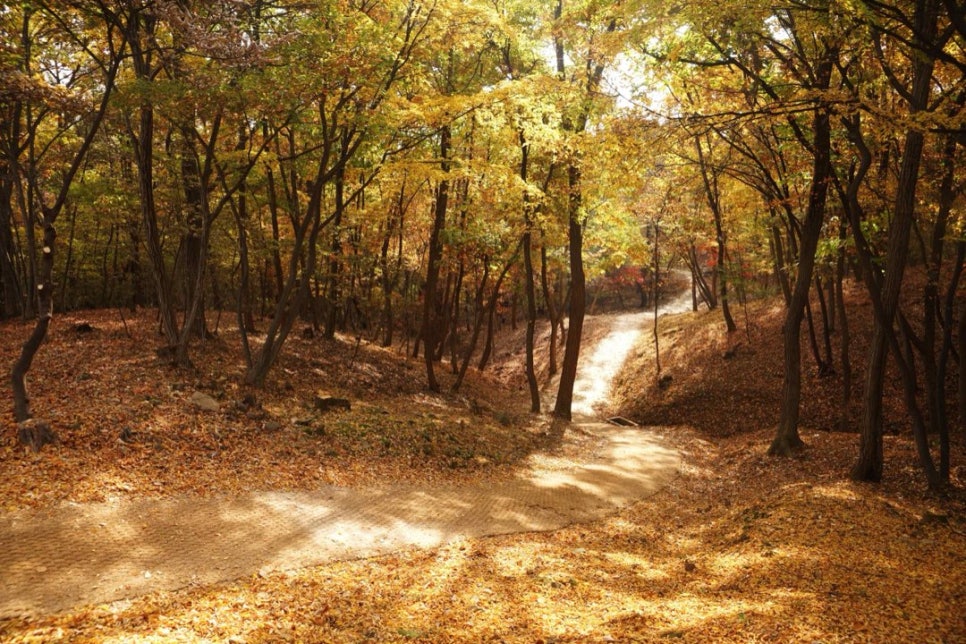
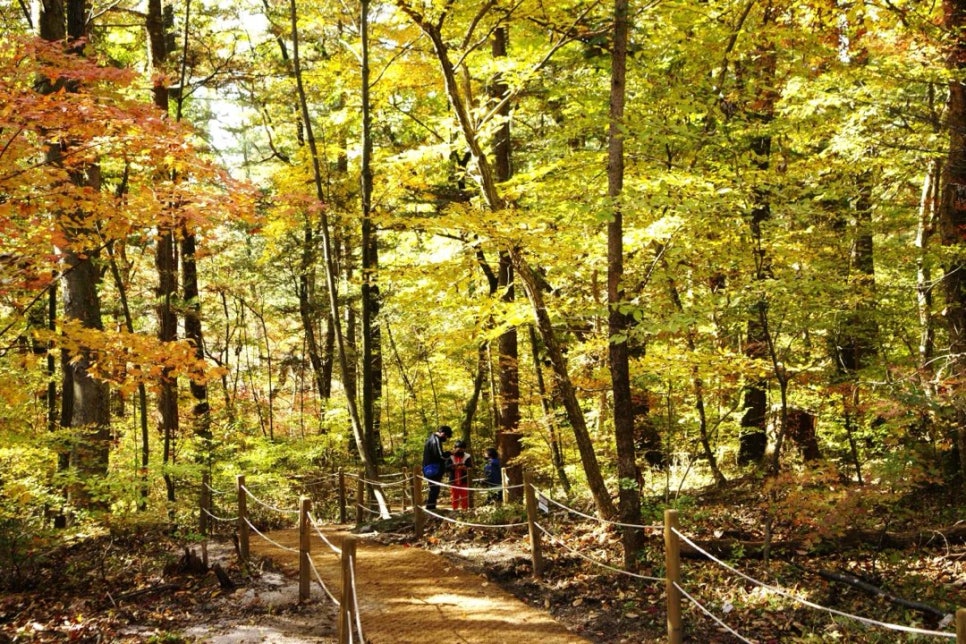
The Joseon royal tombs, a UNESCO World Heritage Site, are usually visited along a fixed route from the gate to the shrine in front of the burial mound. The woods behind and around the mounds are fenced off for most of the year. From 1 October to 29 November 2026 the Royal Palaces and Tombs Center of the Korea Heritage Service opens forest paths at nine of the tombs — Donggureung, Gwangneung, Uireung, Yungneung and Geolleung among them — adding up to 19.04 km. The center has opened these trails each spring and autumn since 2019. What makes this worth an afternoon is that it is a walk through World Heritage woodland, in autumn colour, within about an hour of central Seoul.
Do I need to book, and how much is it?
No booking is needed. There is no separate trail fee either: buy a ticket for the tomb at its own booth and walk through to the start of the trail. Most tombs charge adults KRW 1,000; Yeongneung in Yeoju charges KRW 500. For foreign visitors the paying age is 19–64; for Korean nationals it is 25–64, which is why Korean visitors aged 24 and under or 65 and over go in free. Residents of the district where a tomb stands get 50% off with ID.
Where are the nine trails, and how long are they?
The tombs are managed in four groups: the eastern tombs (Guri and Namyangju), the central ones (Seoul), the western ones (Hwaseong and Paju) and Yeoju. The routes and lengths below are copied from the opening plan attached to the Korea Heritage Service press release; names in brackets are the main rest spots along the way.
Autumn 2026 royal tomb forest trails (from the press release attachment)
- Donggureung, Guri (east)
- Hwireung–Wolleung and Gyeongneung–tree nursery · 2,719 m
- Gwangneung, Namyangju (east)
- Dismount stone–burial mound–paperbark maple wood · 945 m
- Sareung, Namyangju (east)
- Red gate–north side of the mound (pine path behind the mound) · 775 m
- Taereung and Gangneung, Seoul (central)
- Taereung–Gangneung · 1,700 m
- Uireung, Seoul (central)
- Cheonjangsan trail · 1,100 m
- Yungneung and Geolleung, Hwaseong (west)
- Yungneung–Geolleung (wildflower yard) · 3,693 m
- Jangneung, Paju (west)
- North side of the Jangneung mound · 1,675 m
- Samneung, Paju (west)
- Small-pond woods between Yeongneung and Sulleung, north side of the Gongneung mound · 3,180 m
- Yeongneung, Yeoju
- Outer loop of Yeongneung (Dureumgil rest area) · 3,250 m
For a long walk pick one of the three trails over 3 km — Yungneung–Geolleung, Yeongneung or Samneung. With children or older walkers, Sareung and Gwangneung are both under 1 km. For an easy trip by subway within Seoul, Taereung and Gangneung and Uireung are the closest.
The eastern tombs: Donggureung, Gwangneung and Sareung
Donggureung holds nine royal tombs, the largest group of any Joseon burial site, and its two trails together run to more than 2.7 km. Gwangneung's path goes from the dismount stone past the mound to a wood of paperbark maples, which turn red in autumn, so late October is the time to aim for. Sareung's is a short 775 m from the red gate to the pine path behind the mound.

The central tombs: Taereung–Gangneung and Uireung, inside Seoul
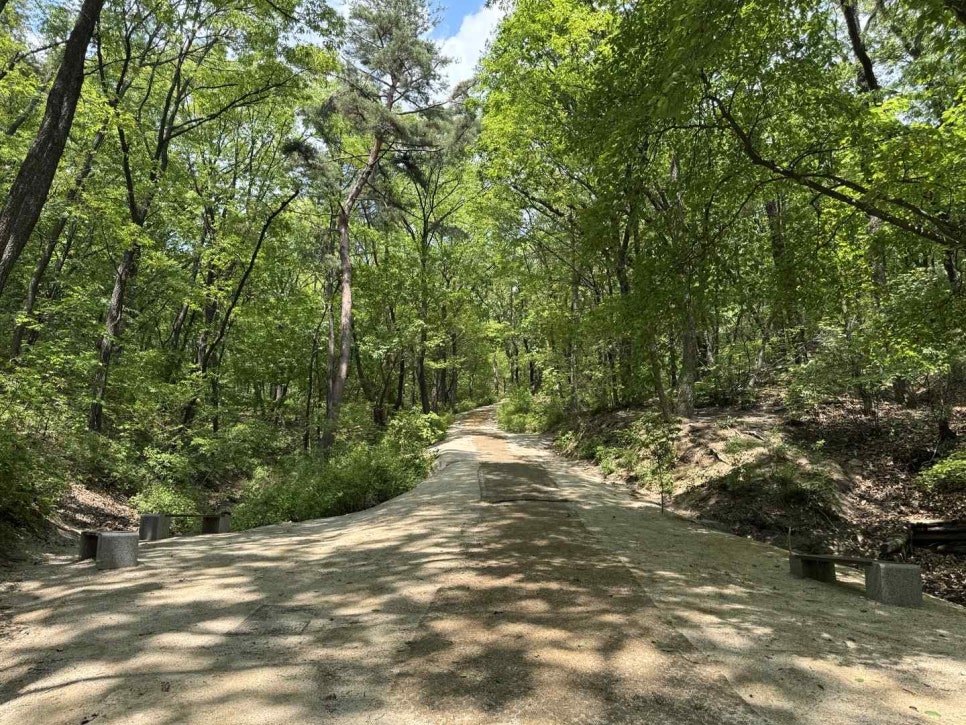
The 1.7 km trail between Taereung and Gangneung links the two tombs, and the 1.1 km Uireung trail climbs into the foot of Cheonjangsan behind it. The photo below is from the spring opening, so the colours are different now. We could not find a usable photo of the Uireung trail, so it appears in text only.
Uireung and Yungneung–Geolleung are 'always open' trails
The press release table notes that the Uireung and Yungneung–Geolleung trails are 'open year-round May to November, closed during the wildfire-caution season (except November)'. That reads as open through November even though the autumn wildfire season starts on 1 November, but if your visit falls in November, a call to the central office (+82-2-972-0370) or western office (+82-2-359-0090) is the safe move. The Paju Jangneung trail is listed as 'open year-round March to November, closed in winter'.
The western tombs and Yeoju: which trail is longest?
The longest of the nine is the Yungneung–Geolleung trail (3,693 m) in Hwaseong. It links the tombs of Crown Prince Sado and his son King Jeongjo and passes a rest area called the wildflower yard. The Samneung trail in Paju (3,180 m) loops through the small-pond woods between Yeongneung and Sulleung and round the north side of the Gongneung mound; Paju Jangneung's trail runs 1,675 m along the north side of its mound.
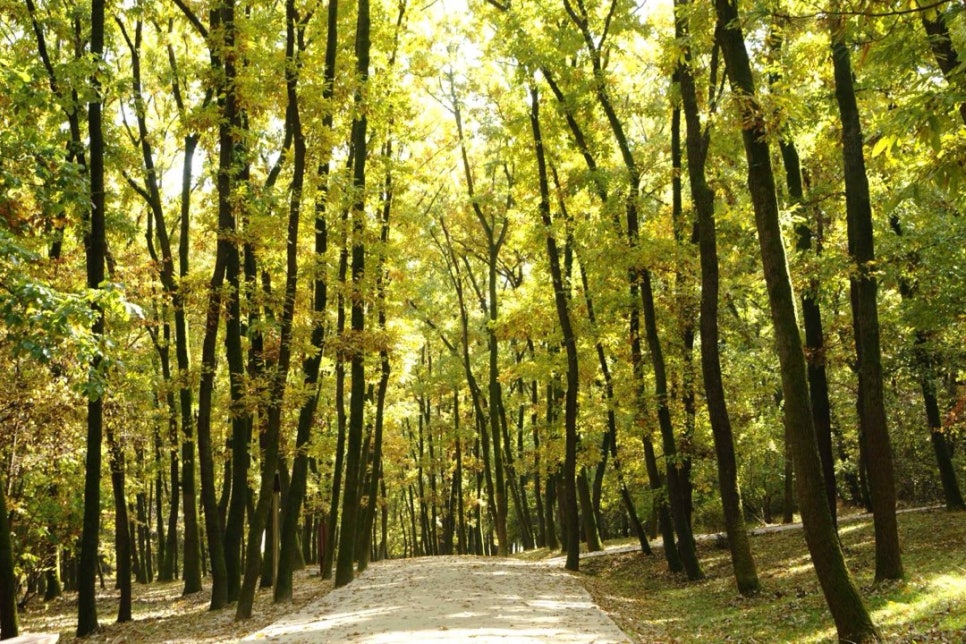
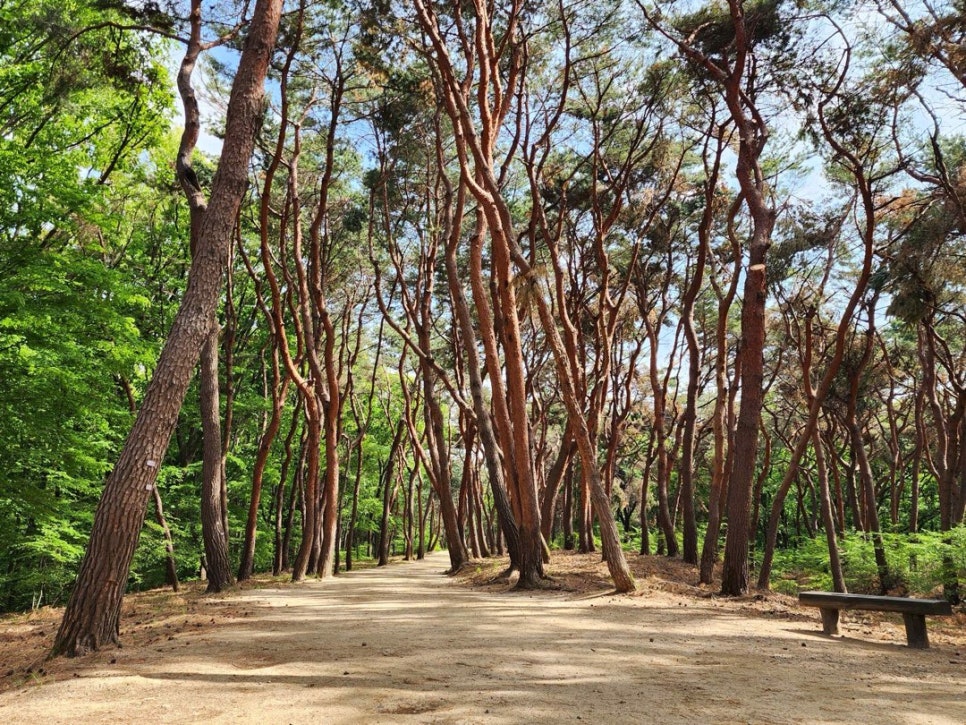
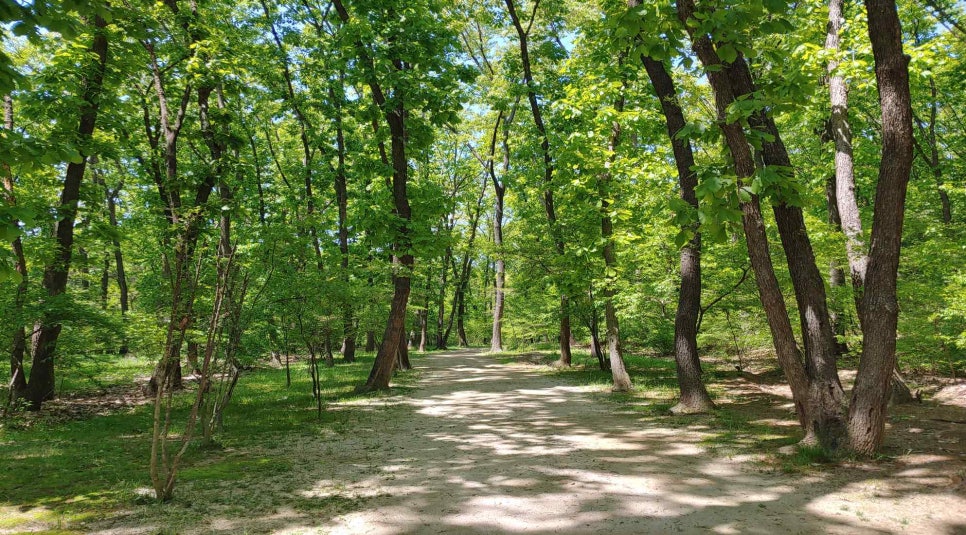
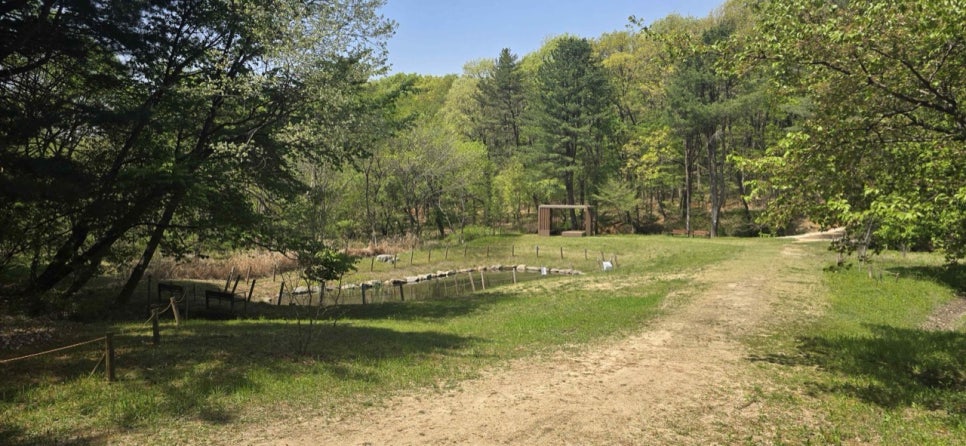
The outer loop at Yeongneung in Yeoju — the tombs of King Sejong and King Hyojong — is 3,250 m, the second longest. There is no official photo of it, so none appears here. At KRW 500 for adults it is also the cheapest of the nine.
When is last entry, and when is it closed?
The press release gives the trail hours as 09:00–17:00 in October and 09:00–16:30 in November and says they match the tombs' own opening hours. The center's hours page, though, lists the tombs as open 09:00–18:00 in September–October (last entry 17:00) and 09:00–17:30 in November (last entry 16:30). The press release figures are the last entry times, so plan to arrive an hour or two before them if you want to walk a trail to the end.
- The tombs close every Monday. When a Monday is a public holiday they open and close the next day instead.
- Donggureung opens its grounds at 06:00, but the press release gives the trail hours from 09:00.
- Openings may be adjusted for weather.
- The center has posted a separate notice (30 September 2026) listing holiday openings and free-admission days for October and November; check it before picking a date.
When should I go this autumn?
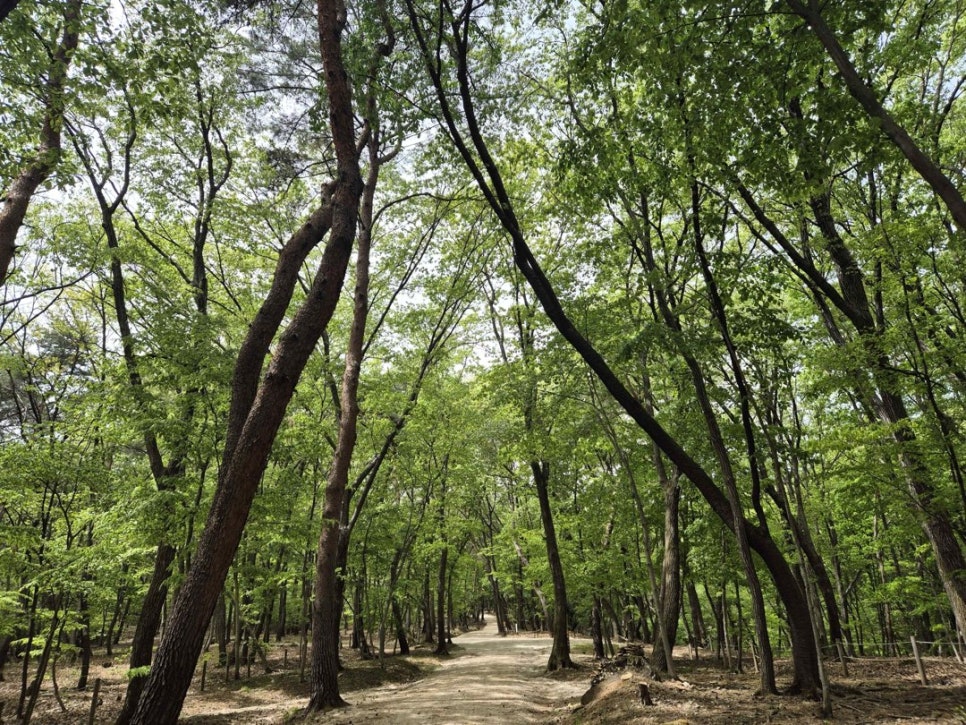
The trails close on 29 November and reopen next spring. Leaves turn first in the north of Gyeonggi (Paju, Namyangju, Guri) and later in Hwaseong and Yeoju, so late October suits the northern tombs and early November the southern ones. Each tomb also has its own route to the shrine and the mound; do not walk the trail and leave without seeing those.
Getting there and what to expect without Korean
The two Seoul tombs are the simplest to reach. Uireung is in Seokgwan-dong, Seongbuk-gu, a walk of roughly 15–20 minutes from Dolgoji Station (Line 6). Taereung and Gangneung sit beside Hwarangno in Nowon-gu, a short bus or taxi ride from Hwarangdae Station (Line 6). Yeongneung in Yeoju has its own stop on the Gyeonggang Line, Sejong Daewangneung Station (세종대왕릉역), from which it is a short taxi ride. For Donggureung, Gwangneung, Sareung, the Paju tombs and Yungneung–Geolleung, search the tomb's name in Naver Map or KakaoMap, which handle bus transfers better than Google Maps does in Korea. Tickets are sold at the gate by card or cash, with nothing to book and no phone verification. The main information boards at the tombs carry English; signage along the forest paths may be Korean only, but the trails are short, fenced loops that bring you back to the main grounds.
Frequently asked questions
- Q. Do I need to book the Joseon royal tomb forest trails?
- No. The autumn 2026 forest trails have no reservation; anyone with a ticket for that tomb can walk them.
- Q. How much does it cost to walk the royal tomb forest trails?
- There is no trail fee, only the tomb admission: KRW 1,000 for adults, KRW 500 at Yeongneung in Yeoju. Foreign visitors aged 19–64 pay; Korean nationals aged 24 and under or 65 and over enter free, and local residents get 50% off.
- Q. Until when are the royal tomb forest trails open?
- From 1 October to 29 November 2026, 60 days in all. They are closed on Mondays; hours are 09:00–17:00 in October and 09:00–16:30 in November.
- Q. Which royal tomb forest trail is the longest?
- The Yungneung–Geolleung trail in Hwaseong, at 3,693 m. The shortest is the pine path behind the mound at Sareung, Namyangju (775 m).
- Q. Which royal tomb forest trails are closest to central Seoul?
- Inside Seoul, Taereung and Gangneung in Nowon-gu (1,700 m between the two tombs) and Uireung in Seongbuk-gu (the 1,100 m Cheonjangsan trail) are open. Just outside the city, Donggureung in Guri is close.
- Q. Is it worth going if I do not read Korean?
- Yes. There is nothing to book, tickets are bought at the gate, and the main boards at each tomb have English. Trail signage may be Korean only, but each trail is a short fenced loop, and the point is the walk rather than the reading.
Editor's note · Kang Shin-wook
For anyone in Seoul this autumn who wants a quiet woodland walk with some history attached, without a booking system to fight. Opening hours and closing days for the palaces and tombs are on our Royal Palaces and Tombs guide.
Sources
- Official notice (Korean)
- Royal Palaces and Tombs Center press release, same text (Korean)
- Royal Palaces and Tombs Center opening hours (Korean)
- Royal Palaces and Tombs Center admission fees (Korean)
- Notice on holiday openings and free-admission days, October–November 2026 (Korean)
Written in our own words from the sources above, never copied from them, and every date and price checked against at least two pages. The originals are in Korean. Spotted a mistake? Ask for a correction.
Latest from Royal Palaces and Tombs Center
 Royal Palaces and Tombs CenterEvent11 October 2026Last dayFreeChangdeokgung Secret Garden: read inside a royal library — until 18 October
 Royal Palaces and Tombs CenterNotice26 September 2026AI patrol robots at Deoksugung and Seooreung — wheels or legs, until November 2026
 Royal Palaces and Tombs CenterProgramme25 September 2026On nowFreeGenre Painting for All 2026: make a Joseon character — free to 1 Nov
 Royal Palaces and Tombs CenterExhibition22 September 2026On nowFreeChangdeokgung opens the Huiuru pavilion for the first time, 22 September to 8 November