Exhibition·Gongju National MuseumOn nowFree
Gyeryongsan special exhibition at Gongju National Museum — free until 1 March 2027
Summary
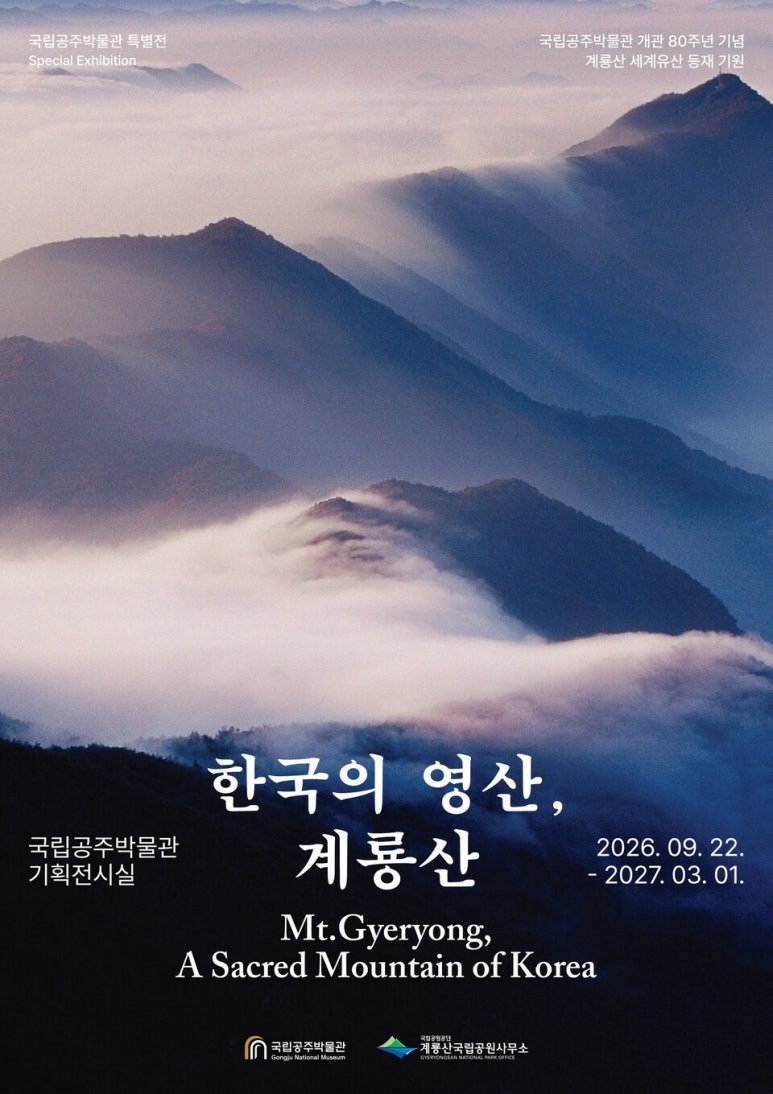
Gongju National Museum and the Gyeryongsan National Park Office have put together "Gyeryongsan, Korea's Sacred Mountain" (한국의 영산, 계룡산), a special exhibition on how one mountain became a place of state rites, Buddhism, prophecy and shamanism. It runs from 22 September 2026 to 1 March 2027 in the museum's special exhibition hall. Entry is free and needs no booking; the whole museum is shut on Mondays (Tuesday when the Monday is a substitute holiday). The panels are written for Korean readers, so plan on the objects doing most of the talking.
Article
In short
- "Gyeryongsan, Korea's Sacred Mountain" runs from Tuesday 22 September 2026 to Monday 1 March 2027 in the special exhibition hall of Gongju National Museum.
- Admission is free and there is nothing to book. The museum is open 9:00 am – 6:00 pm.
- The museum closes on Mondays (Tuesday when the Monday is a substitute holiday), on 1 January, and on the days of Seollal and Chuseok.
- Old maps, texts, temple treasures and iron-painted buncheong ware from the Hakbong-ri kilns show how state rites, Buddhism, prophecy (the Jeonggamnok) and shamanism settled on one mountain.
- Wall text is aimed at Korean readers; the objects, maps and the closing landscape film work without it.
Gongju National Museum is marking its 80th year with "Gyeryongsan, Korea's Sacred Mountain", organised jointly with the Gyeryongsan National Park Office. It is unusual for a museum and a national park to build an exhibition around one mountain together, and the timing ties in with the local campaign to have Gyeryongsan inscribed as a UNESCO World Heritage Site. The exhibition runs until 1 March 2027 and admission is free.
Why was Gyeryongsan called a sacred mountain?
The museum frames the exhibition around one question: what, concretely, did it mean for Gyeryongsan to be holy? There is more than one answer. The state held rites to the mountain; major Buddhist temples took root on its slopes; in the late Joseon period prophetic books such as the Jeonggamnok named the land below it as the site of a future capital; and in folk religion it was a centre of mountain-spirit and shamanic worship. The galleries take these four layers one at a time and show, through objects, how they came to sit on the same mountain.
How is the exhibition laid out?
Exhibition sections (as reported in the press)
- Part 1 — The Spiritual Mountain
- Gyeryongsan as a place of state rites, Buddhist temples, prophecy and shamanic worship
- Part 2 — The Mountain and Its People
- The mountain as fortress and refuge, writers' records, iron-painted buncheong ware from the Hakbong-ri kilns, and roof-tile fragments inscribed with an official's title
- Part 3 — The Nature of Gyeryongsan
- An immersive film of the Cheonwangbong, Gwaneumbong and Sambulbong ridges and the mountain's wildlife
Section titles come from press reports
The museum's own introduction does not list section titles. The three parts above are what several news outlets reported on opening day, so the wording in the galleries may differ slightly.
What objects are on show?
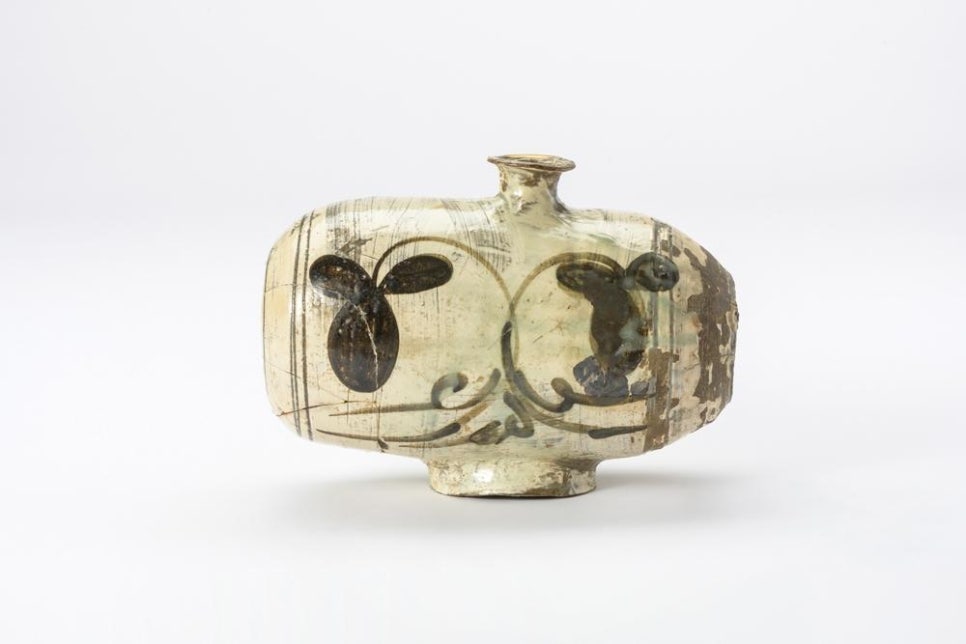
Highlights named in press coverage include woodblocks for the Worin seokbo (a 15th-century Buddhist text in Hangeul), a portrait of the writer Kim Si-seup, old maps such as that of Yeonsan county, temple treasures, and iron-painted buncheong stoneware fired at the Hakbong-ri kilns at the foot of the mountain. Those kilns are known for bold brush decoration in iron pigment over white slip, often simply called "Gyeryongsan buncheong". The two pieces below are the same type of ware from another museum's collection, not exhibits in this show.

The official introduction gives no object count
Some reports say about 150 items are on display, 12 of them designated Treasures, but the museum's exhibition page gives neither a count nor a list, so we have not stated a figure. The catalogue and gallery labels will have it.
Gyeryongsan in old maps and photo albums
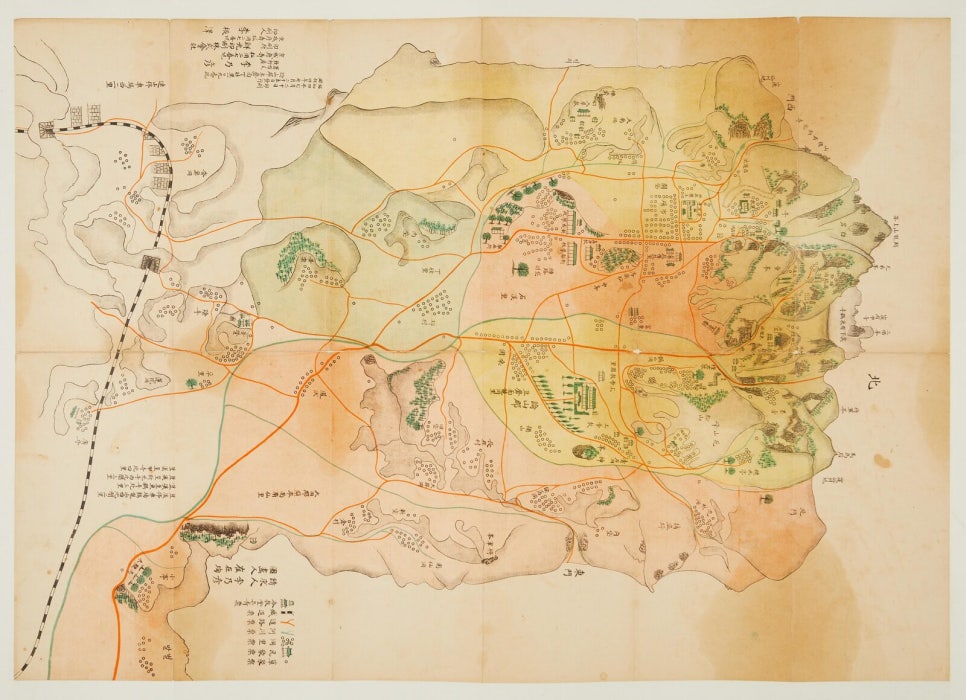
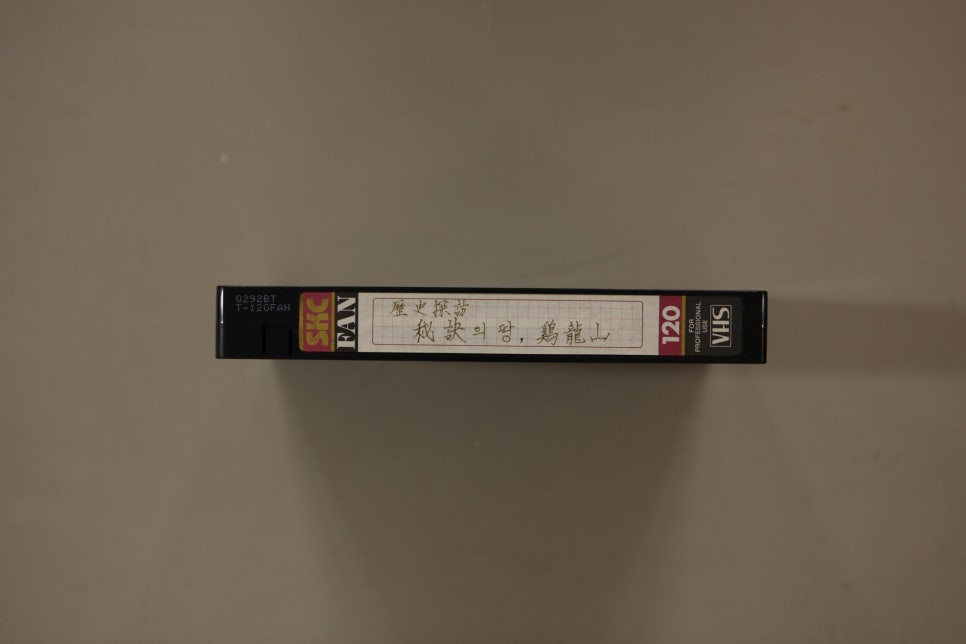
Gyeryongsan appears often in Joseon-era county maps and in early modern tourist material. Set the ridges and rivers of an old map beside a 20th-century photo album guiding visitors to Gapsa Temple, and you can see a mountain of worship turning into a mountain people travel to. The images below are reference material for the theme, not exhibits.

What do the mountain-spirit paintings and the Jeonggamnok tell us?
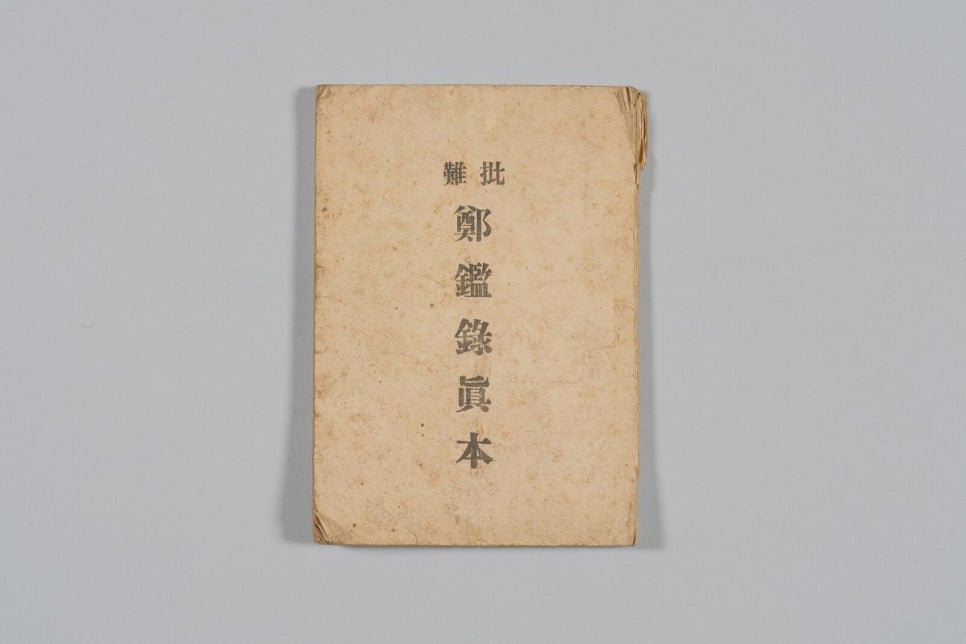
Two keys unlock Gyeryongsan's religious history: the mountain spirit and prophecy. A sansindo (mountain-spirit painting) shows the mountain's guardian as an old man with a tiger, and hung in temple shrines and village shrines alike. The Jeonggamnok foretold that when the dynasty fell a new capital would rise below Gyeryongsan, and from the late Joseon period into the 20th century it drew many people to settle in the Sindoan valley. The two pieces below illustrate these themes from other collections; there is no confirmation that they, or the same editions, are in this exhibition.

Before you go
- Opening hours are 9:00 am – 6:00 pm, the same at weekends and on public holidays.
- When a Monday is a substitute public holiday the museum opens that day and closes on the Tuesday.
- Both the special exhibition and the permanent galleries are free, and individual visitors do not book.
- The museum is close to the Songsan-ri tombs (the tomb of King Muryeong and the royal tombs), which make a good pairing.
Getting there, and what works without Korean
Gongju has no main-line railway in town. From Seoul, intercity and express buses run to Gongju bus terminal; KTX trains stop at Gongju Station, which is well outside the city, so allow for a bus or taxi from there. The museum is at 34 Gwangwangdanji-gil, a short taxi ride from the terminal. There is nothing to book and no ticket to buy, so the Korean-only booking systems that trip up visitors elsewhere do not apply here. The museum has an English website, but we could not confirm how much of this exhibition's wall text is translated, and the curator talks are in Korean. The maps, ceramics, paintings and the landscape film in Part 3 carry the story on their own.
Frequently asked questions
- Q. When does the Gyeryongsan exhibition at Gongju National Museum end?
- "Gyeryongsan, Korea's Sacred Mountain" runs from 22 September 2026 to 1 March 2027 in the museum's special exhibition hall. The museum is closed on Mondays (Tuesday when the Monday is a substitute holiday).
- Q. Is there an admission fee for the Gyeryongsan exhibition?
- No. The exhibition is free and individual visitors can walk in without booking.
- Q. What can I see in the Gyeryongsan exhibition?
- Reported highlights include woodblocks of the Worin seokbo, a portrait of Kim Si-seup, old maps and texts, temple treasures, and iron-painted buncheong ware from the Hakbong-ri kilns. The museum's official page does not give a total object count.
- Q. What are Gongju National Museum's opening hours?
- 9:00 am to 6:00 pm. It closes on Mondays (Tuesday when the Monday is a substitute holiday), on 1 January, and on the days of Seollal and Chuseok.
- Q. Is it worth going if I do not read Korean?
- Yes, if you enjoy objects and landscape: the maps, ceramics, paintings and closing film carry the story. Expect the panel text and curator talks to be mainly in Korean, and read up on the Jeonggamnok and mountain-spirit worship beforehand to get the most from it.
Editor's note · Kang Shin-wook
For visitors who know Gyeryongsan as a hiking day out and want the older story of why it was holy. It pairs well with the Baekje royal tombs in Gongju. Trail and park information is on our national parks guide; other national museums are compared on national museums at a glance.
Sources
- Official notice (Korean)
- Gongju National Museum — current exhibitions (Korean)
- Chungcheong Message — exhibition report (Korean)
- Vegan News — exhibition report (Korean)
Written in our own words from the sources above, never copied from them, and every date and price checked against at least two pages. The originals are in Korean. Spotted a mistake? Ask for a correction.