Exhibition·Royal Palaces and Tombs CenterIn 45 daysFree
Banners Korea hung at the 1893 Chicago World's Fair come home on 2 December
Summary
Five ceremonial banners displayed in the Korean pavilion at the 1893 World's Columbian Exposition in Chicago, and kept ever since at the Penn Museum in Philadelphia, go on show in Seoul from 2 December 2026 after conservation work in the United States. The National Palace Museum will show all twenty-seven of the Penn Museum's 1893 objects for the first time, alongside Korean entries to the 1900 Paris exposition. Admission is free.
Article
In short
- The exhibition opens on 2 December 2026 at the National Palace Museum in Seoul. The closing date and the final title have not been announced.
- Five ceremonial banners from the Korean pavilion at the 1893 Chicago World's Fair are shown in Korea for the first time, after conservation in the United States.
- All twenty-seven objects the Penn Museum holds from that pavilion go on display together for the first time.
- Korean Empire entries to the 1900 Paris exposition are shown alongside them. The museum is free; whether this exhibition charges has not been announced.
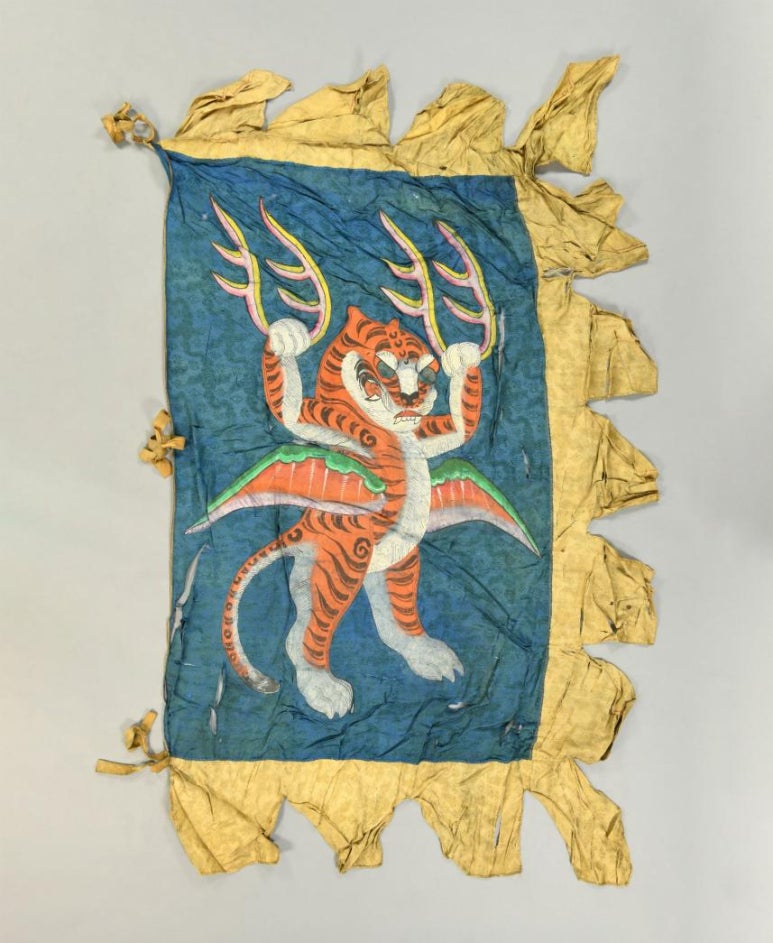
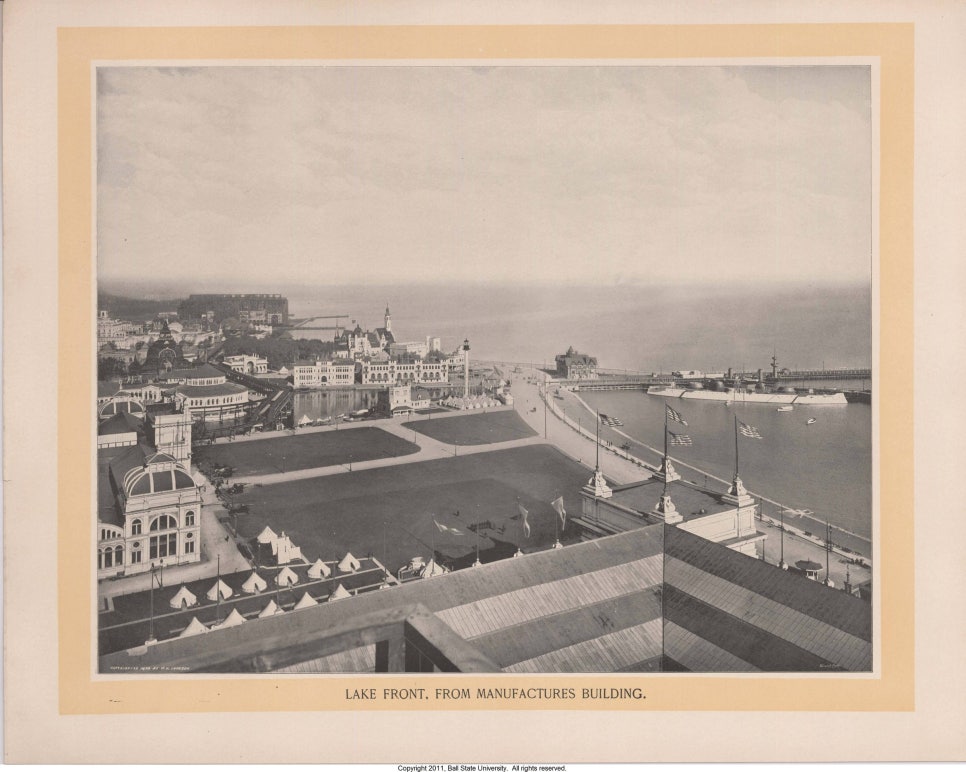
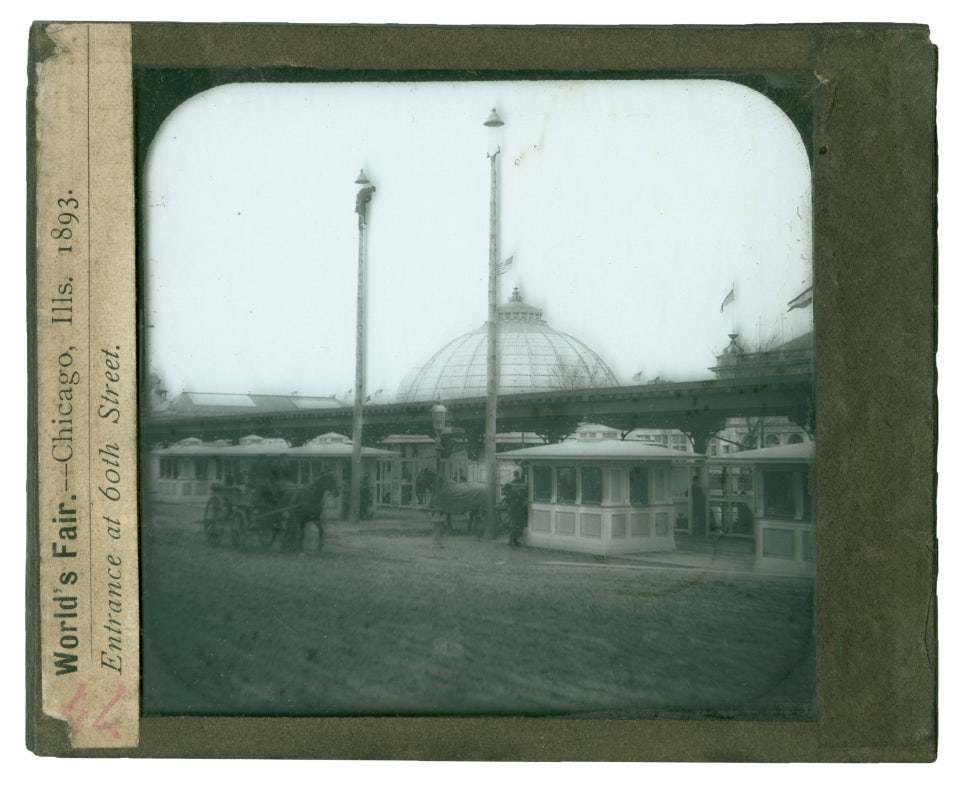
In 1893 Chicago held the World's Columbian Exposition, and Joseon Korea took a pavilion at it. It was one of the first times the country presented itself to a mass Western audience on its own terms, and a good deal of what it sent never came back. Twenty-seven of those objects ended up at the Penn Museum in Philadelphia, where they have been ever since. In December five of them return to Seoul.
What a ceremonial banner was for
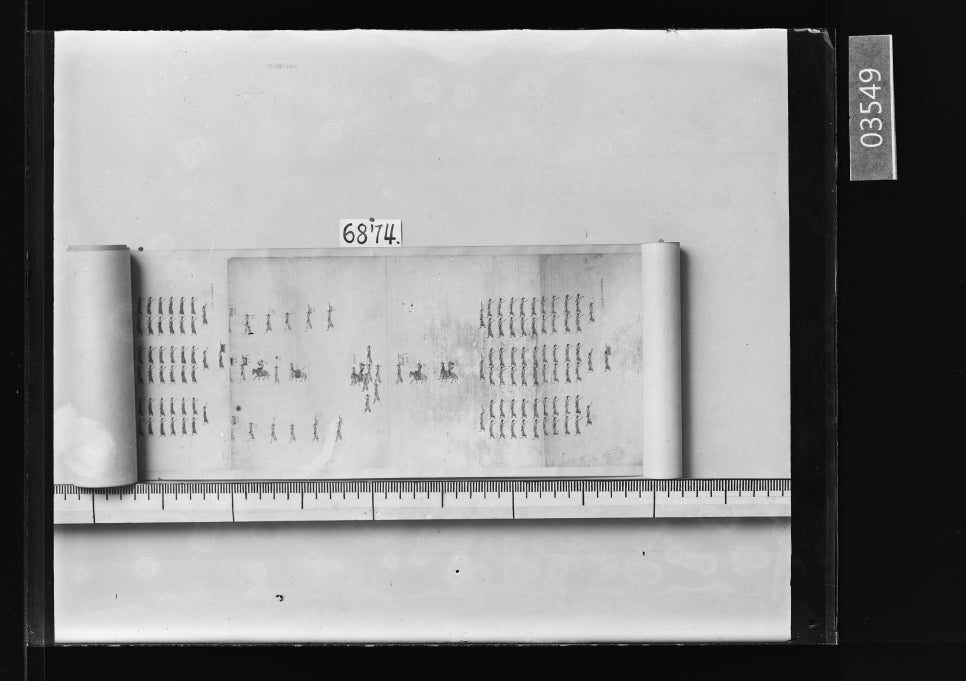
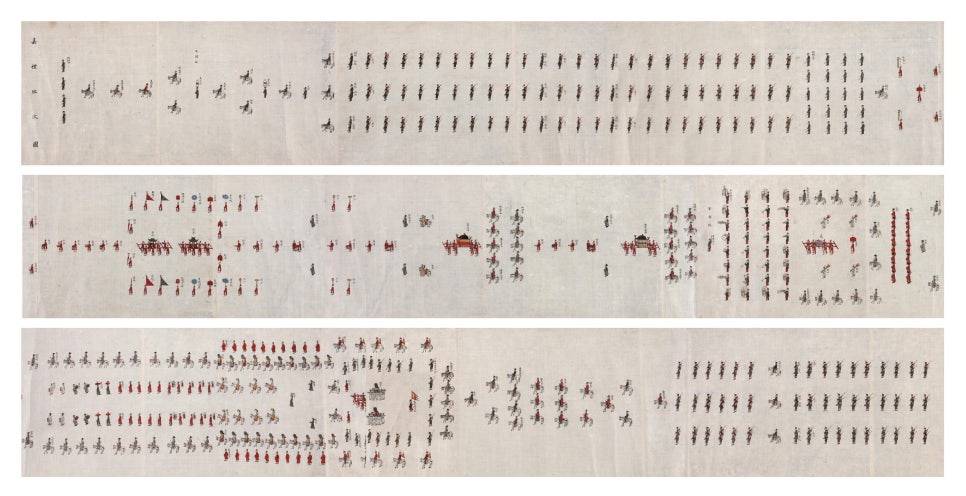
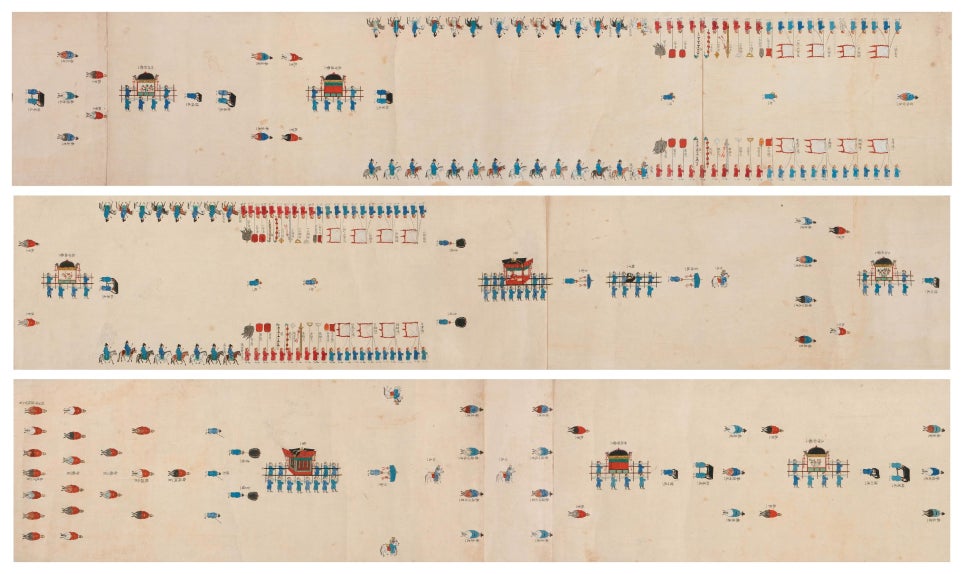
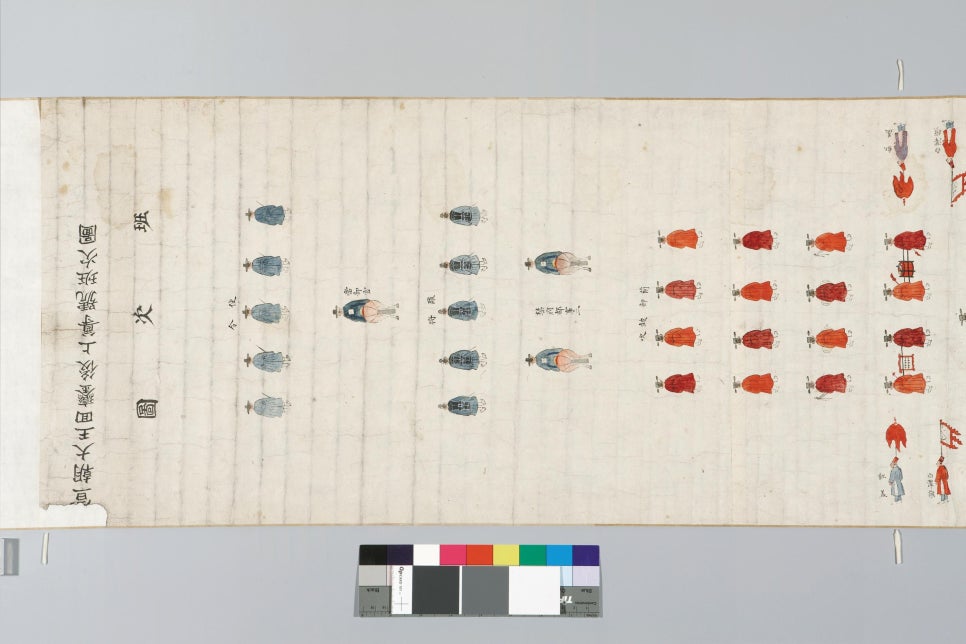
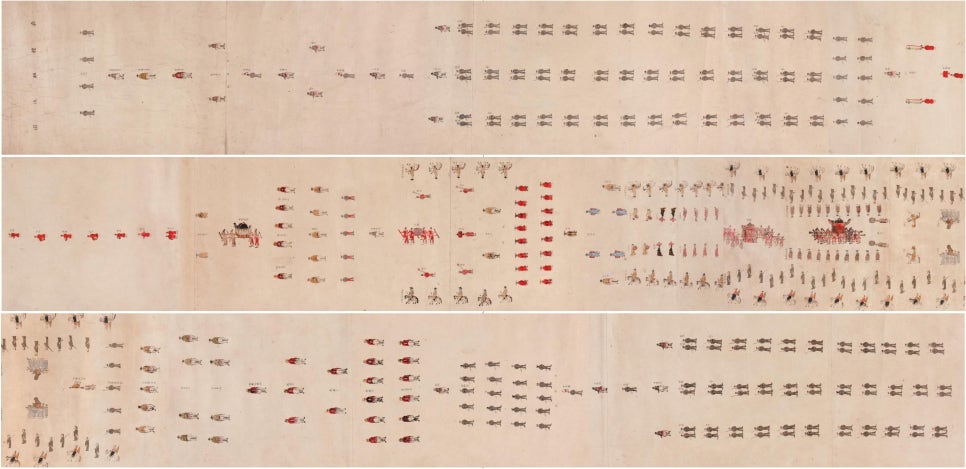
These are not flags in the national sense. Uijanggi were carried in royal processions, each one marking rank, office or auspicious meaning, and a Joseon procession was a moving diagram of the state with the banners as its labels. The processions are recorded in painted registers, which is how we know how they were arranged. A tiger banner is among the five coming back.
Why they are only being seen now
Textiles from the 1890s that have been in storage for more than a century cannot simply be hung. The banners were conserved in the United States before travelling, funded by a corporate sponsor, following a 2026 agreement between the Penn Museum and a Korean heritage trust. That is the practical reason this is happening in 2026 and not earlier.

Twenty-seven is not the total Korea sent
The figure refers to what the Penn Museum holds, not to the size of the 1893 Korean pavilion. How much Korea exhibited in Chicago altogether, and where the rest of it went, is a separate and much less settled question.
The 1900 Paris half
Seven years after Chicago, the Korean Empire took a pavilion at the Paris Exposition Universelle — a more deliberate exercise, by a state that had declared itself an empire in 1897 and was using the exposition circuit to say so. Showing the two together turns the exhibition from a homecoming into an argument about how a small country presented itself to the world while losing control of its own position in it.
Visiting
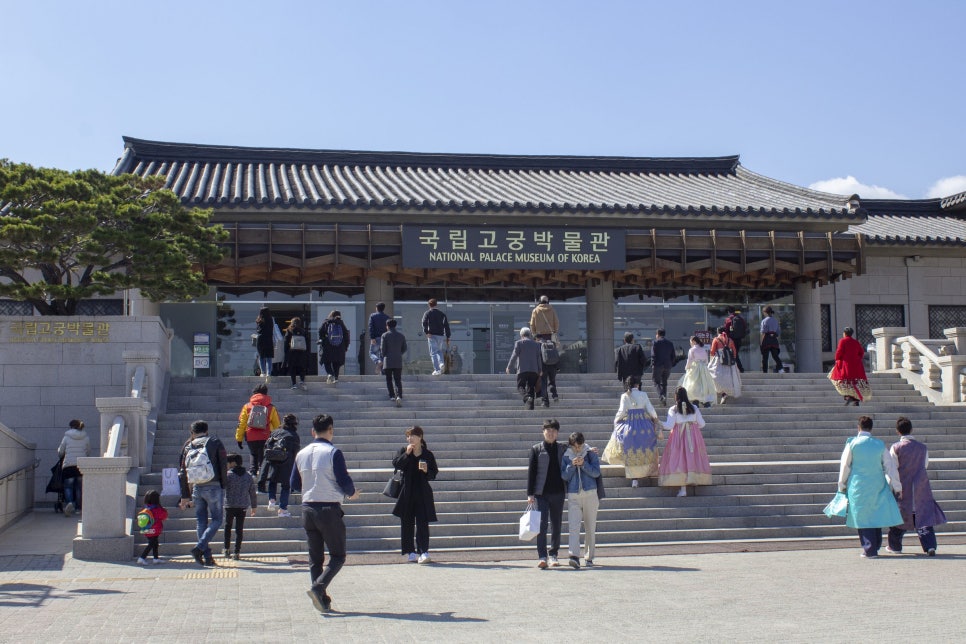
- The museum stands beside Gyeongbokgung, at exit 5 of Gyeongbokgung Station on Line 3. You do not need a palace ticket to enter it.
- It is free, and open 9:30am to 5:30pm, with Saturdays and the last Wednesday of each month running to 9:00pm.
- It closes on the last Monday of each month — not every Monday — plus 1 January, Seollal and Chuseok.
- Whether this particular exhibition is ticketed or booked had not been announced at the time of writing.
Frequently asked questions
- Q. When does the exhibition open?
- On 2 December 2026 at the National Palace Museum in Seoul. No closing date has been announced yet, and neither has the final exhibition title — the museum has been using 'World Exposition' as a working name.
- Q. What exactly is coming back?
- Five ceremonial banners, including a tiger banner, that hung in the Korean pavilion at the 1893 World's Columbian Exposition in Chicago and have been held at the Penn Museum in Philadelphia since. They have been conserved in the United States before travelling.
- Q. Did Korea only send twenty-seven objects to Chicago?
- No. Twenty-seven is the number the Penn Museum holds from that pavilion, all of which go on show together for the first time. It is not a count of what Korea exhibited in 1893.
- Q. How much does it cost?
- The National Palace Museum is free until it announces otherwise, and its permanent galleries need no booking. Whether this special exhibition carries its own charge had not been announced when this was written.
Sources
- Official notice (Korean)
- Official page (Korean)
- Official page (Korean)
- Official page (Korean)
- Official page (Korean)
- Official page (Korean)
Written in our own words from the sources above, never copied from them, and every date and price checked against at least two pages. The originals are in Korean. Spotted a mistake? Ask for a correction.
Latest from Royal Palaces and Tombs Center
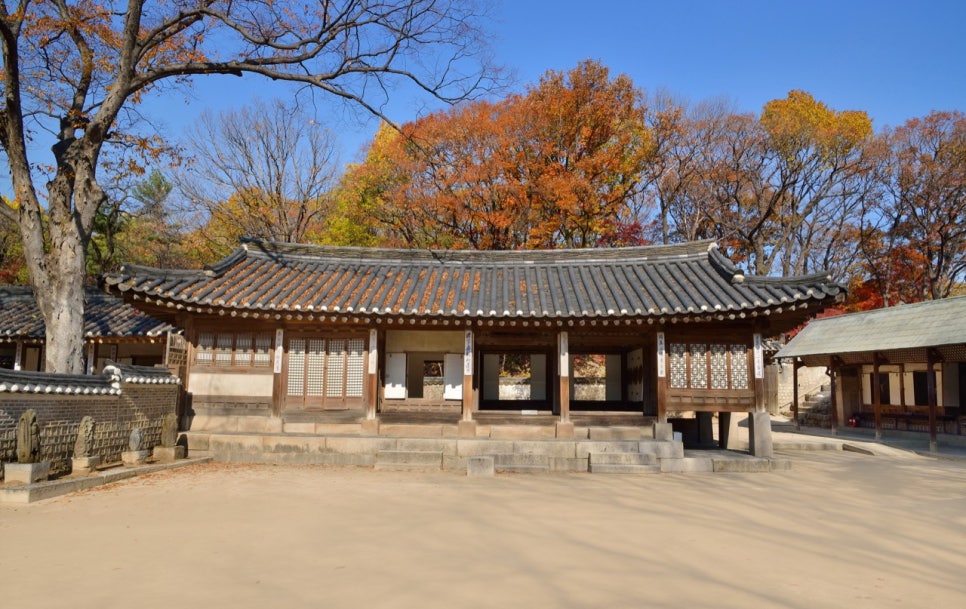 Royal Palaces and Tombs CenterEvent11 October 2026Last dayFreeChangdeokgung Secret Garden: read inside a royal library — until 18 October
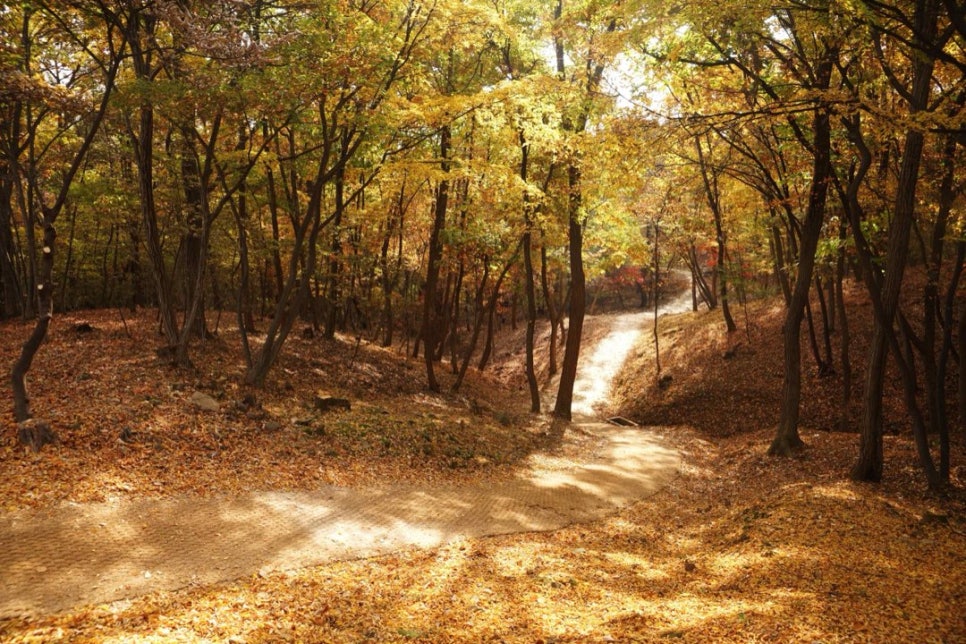 Royal Palaces and Tombs CenterEvent11 October 2026On nowJoseon royal tomb forest trails open for autumn — until 29 November
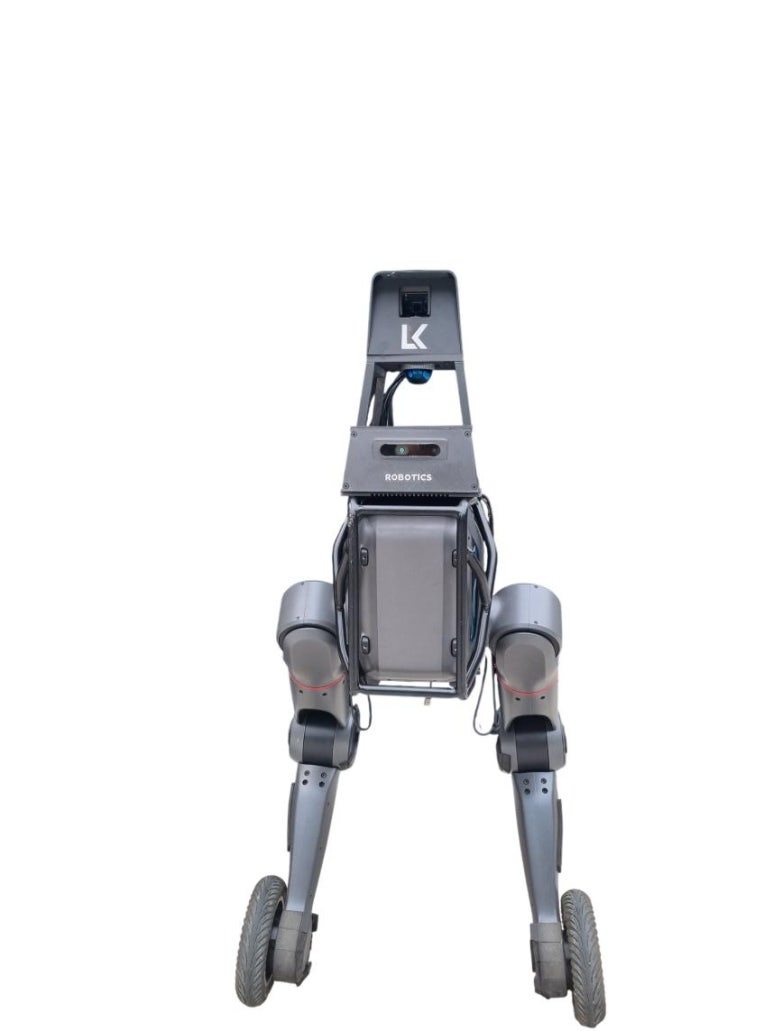 Royal Palaces and Tombs CenterNotice26 September 2026AI patrol robots at Deoksugung and Seooreung — wheels or legs, until November 2026
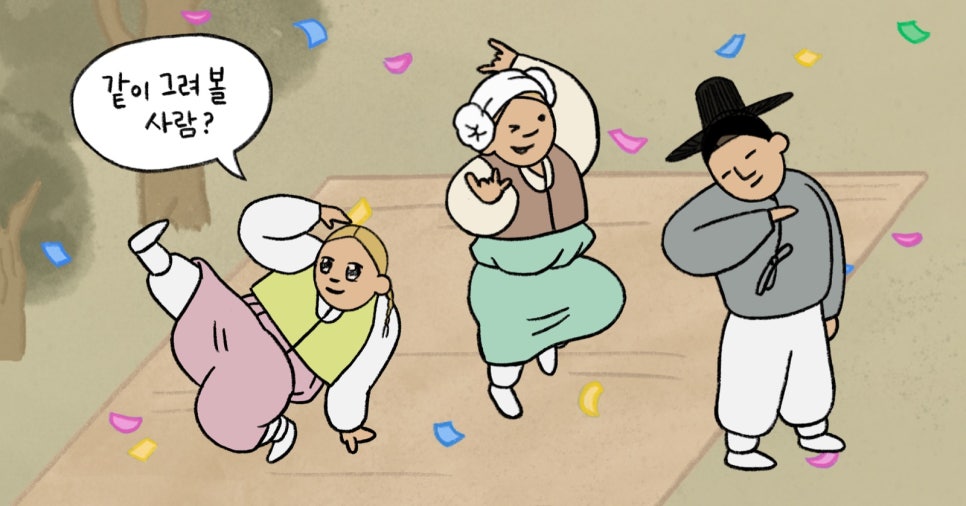 Royal Palaces and Tombs CenterProgramme25 September 2026On nowFreeGenre Painting for All 2026: make a Joseon character — free to 1 Nov