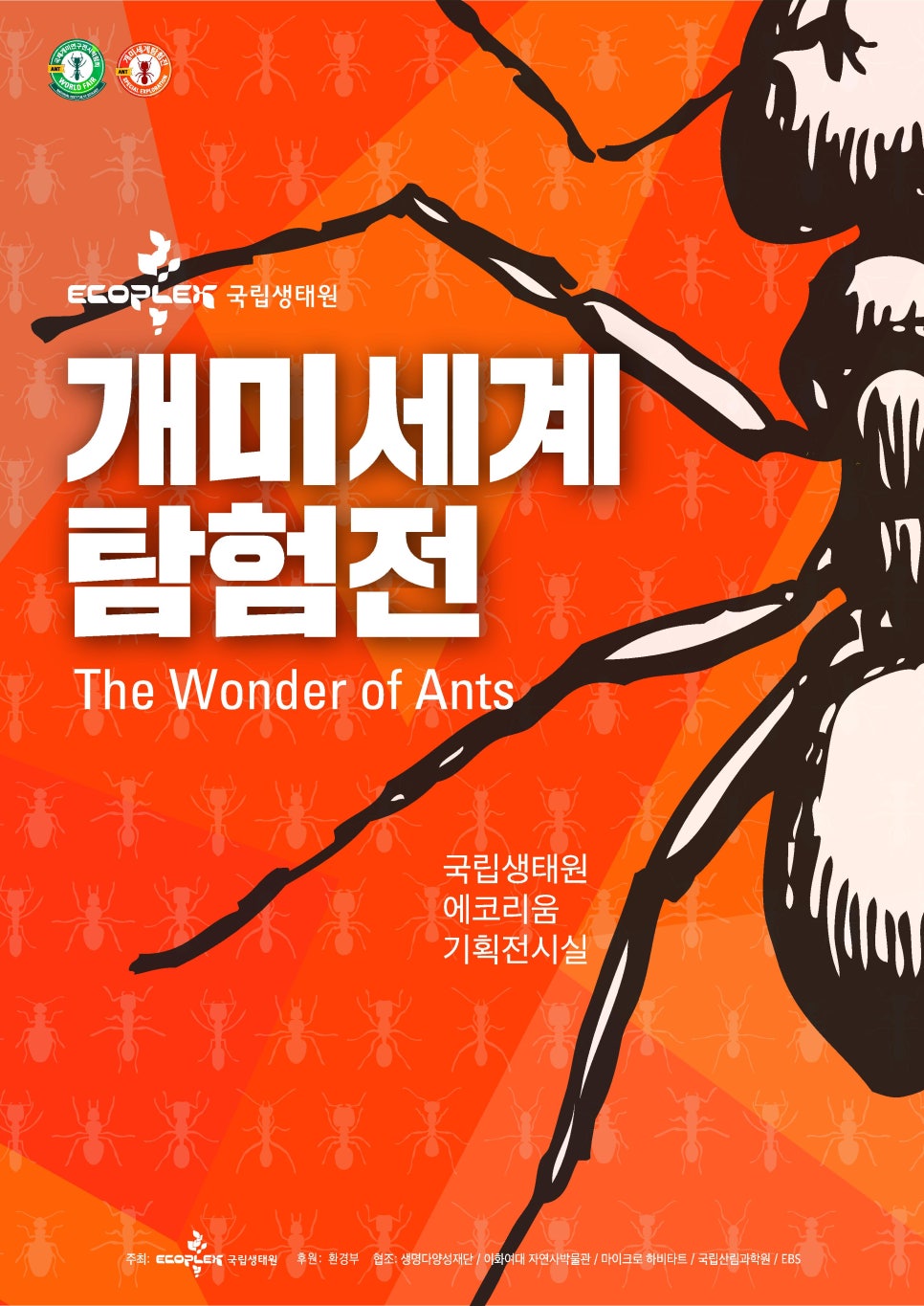
Exhibition·National Institute of EcologyOn now
Orangerie at the National Institute of Ecology, Seocheon — potted olives and palms until 15 November
Summary
The National Institute of Ecology (NIE, 국립생태원) in Seocheon has lined the entrance to its Ecorium with olive trees, Canary Island date palms and jelly palms planted in large movable containers rather than in the ground — a landscape display called "Orangerie: A History of Moving Plants", open until Sunday 15 November 2026. There is no separate charge: it is included in NIE admission (adults KRW 5,000, card payment only), and the site is closed on Mondays. No booking is needed or possible for general admission — you buy tickets at the gate, and sales stop at 4:30 pm.
Article
In short
- "Orangerie: A History of Moving Plants" is on at the entrance to the Ecorium of the National Institute of Ecology in Seocheon, South Chungcheong Province, from 28 April to Sunday 15 November 2026.
- Olive trees, Canary Island date palms and jelly palms stand in rows in large containers instead of in the ground, borrowing the European orangery practice of moving trees indoors and out with the seasons.
- There is no separate ticket: the display is included in NIE admission (adults KRW 5,000, teenagers KRW 3,000, children KRW 2,000), which is sold at the gate and taken by card only.
- Opening hours are 9:30 am to 5:30 pm, with ticket sales ending at 4:30 pm, and the site is closed on Mondays.
- Nothing needs booking and nothing on the display itself is in English, but there is little to read: it is a row of trees, and this page explains the idea behind them.
Before you step into the Ecorium at the National Institute of Ecology, the plaza at its entrance is lined with an orderly garden of very large pots — that is the exhibition. In its 28 April press release the institute said it had planted olive trees and two kinds of palm in large containers so that they can be moved at any time, and the exhibition page gives the closing date as Sunday 15 November. Because it is a landscape at the start of the route rather than an indoor gallery, it is easy to walk past; knowing why the trees are in pots and not in the ground changes what you see.
What does orangerie mean?
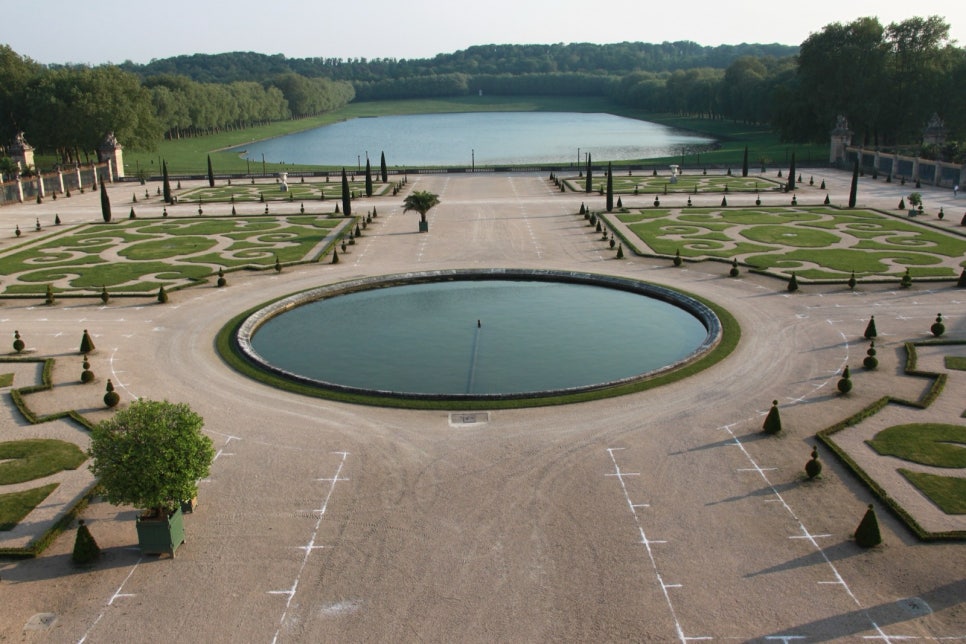
Orangerie comes from the French word for orange, and the institute's press release explains that the name goes back to greenhouse buildings put up to protect orange trees from winter cold. European courts that imported fruit trees from warmer countries kept them in planter boxes, carried them into thick-walled buildings for the winter and set them back out in the garden when the weather turned. So orangery came to mean both a building and a way of growing and showing plants by moving them with the seasons. English Wikipedia notes that orangeries spread through 17th-century Europe and, at a time when glass was expensive, also served as a display of wealth.
When was the most famous orangery, at Versailles, built?
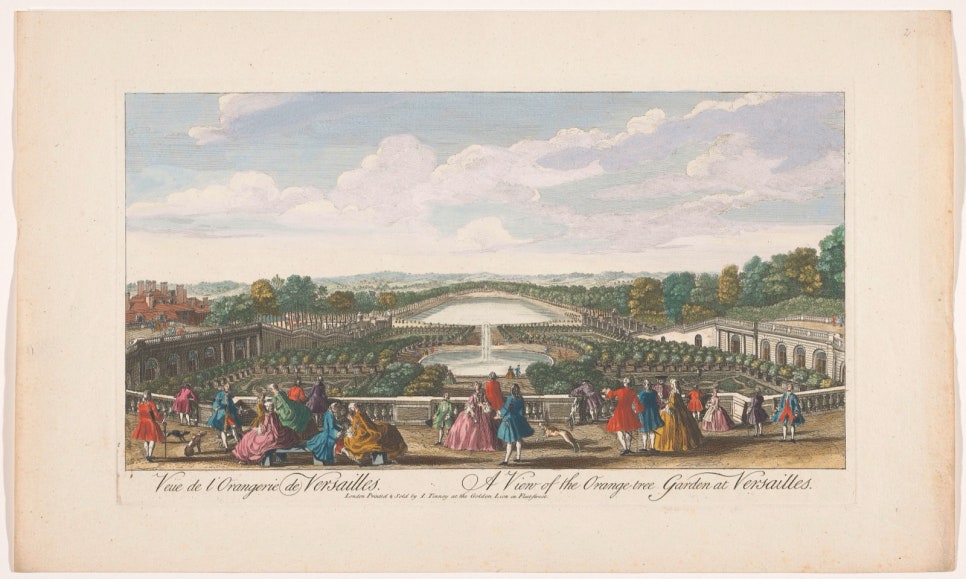
The best-known example is at the Palace of Versailles in France. According to the palace's official website, the first orangery was built in 1663 by the architect Louis Le Vau, and about twenty years later Jules Hardouin-Mansart doubled its length and breadth into the building that stands today (Wikipedia dates that rebuild to 1684–1686). The official site says 1,055 boxed trees are looked after there now, so the moving garden is still a working practice.
Where we corrected the original blog post
The 1684–1686 building dates come from Wikipedia, not from the Palace of Versailles website. The official site describes Le Vau's first building of 1663 and Mansart's enlargement about twenty years later, and this article follows it. French Wikipedia's figures of more than 1,500 trees, about 900 of them orange trees, differ from the official site's current count of 1,055, so we have left them out.
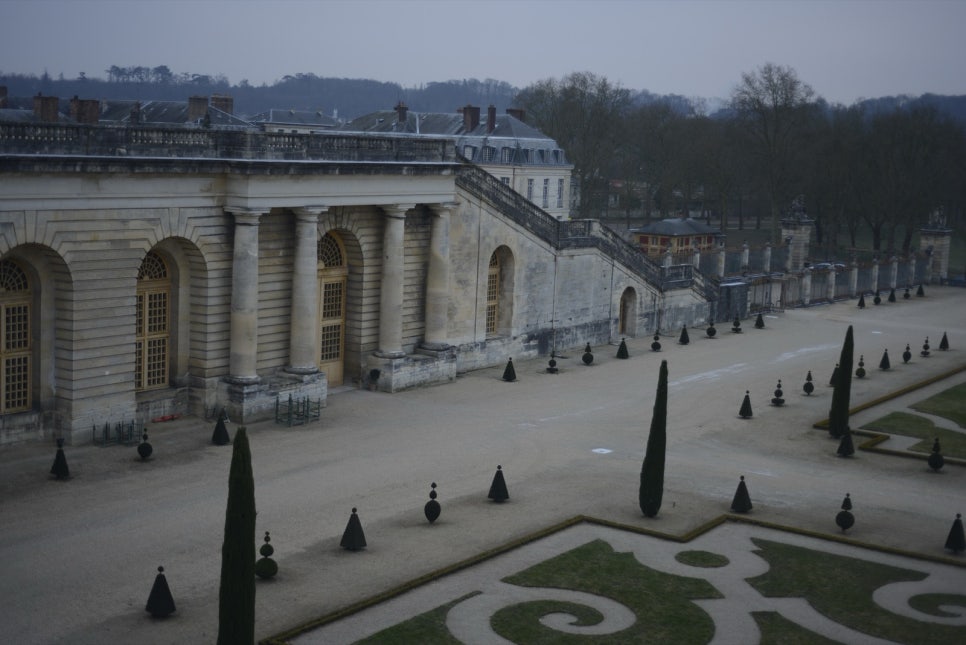
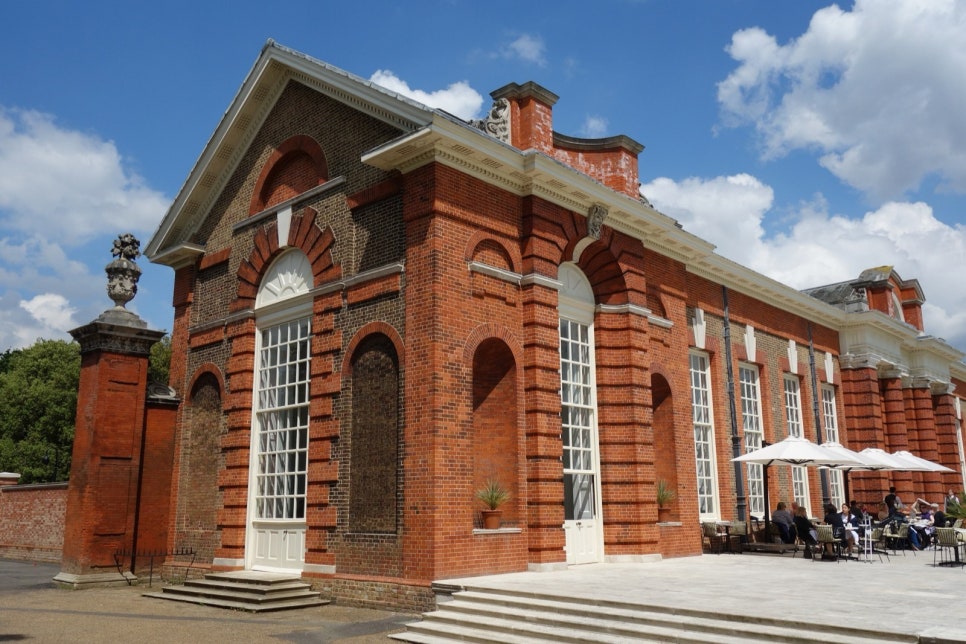
Orangeries survive well beyond Versailles, at palaces and botanic gardens in Britain, Germany and elsewhere. Both buildings below were built to take plants in for the winter, and they show in stone the "history of plants that moved to be displayed" the exhibition is about.
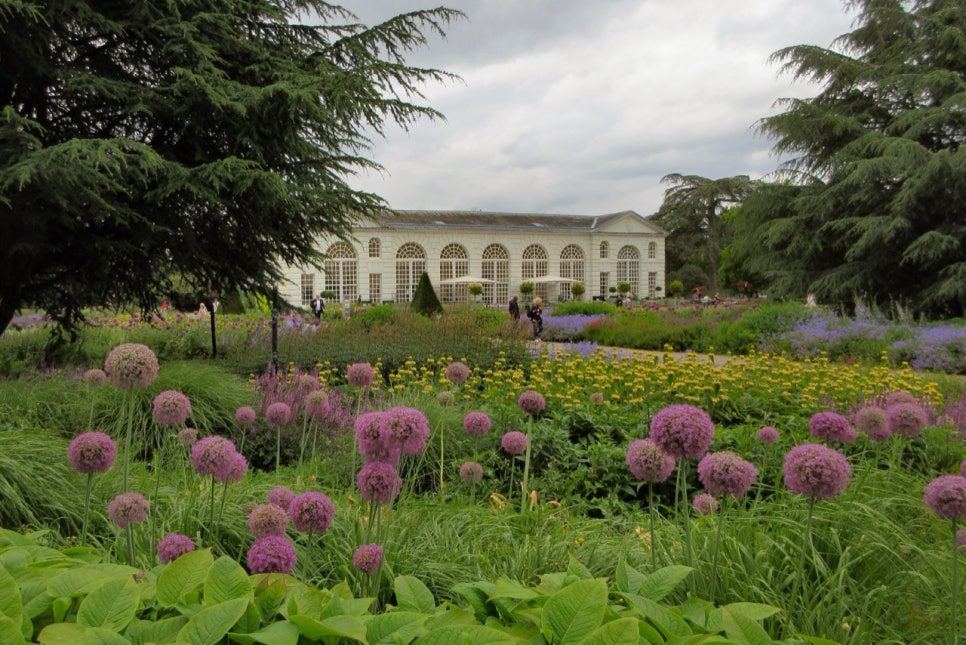
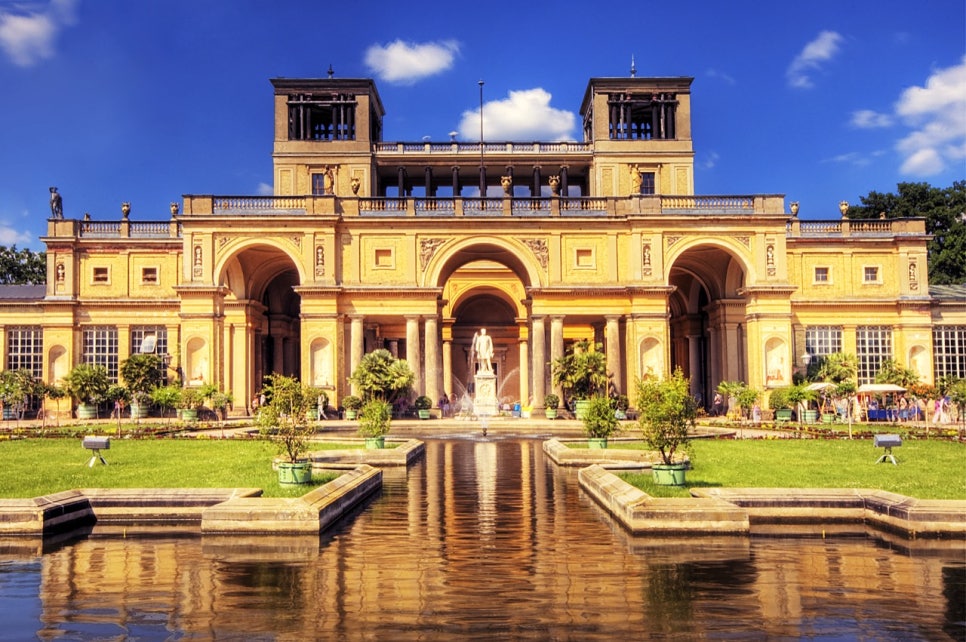
Which trees are in the NIE orangerie?
The exhibition page names three: olive trees, Canary Island date palms and jelly palms, adding "and others" to say other large plants are included. All of them come from Mediterranean or warm climates and would struggle through a Seocheon winter outdoors, which is exactly why they are in pots. The photographs below show the same species abroad, for reference; they are not the trees on display.

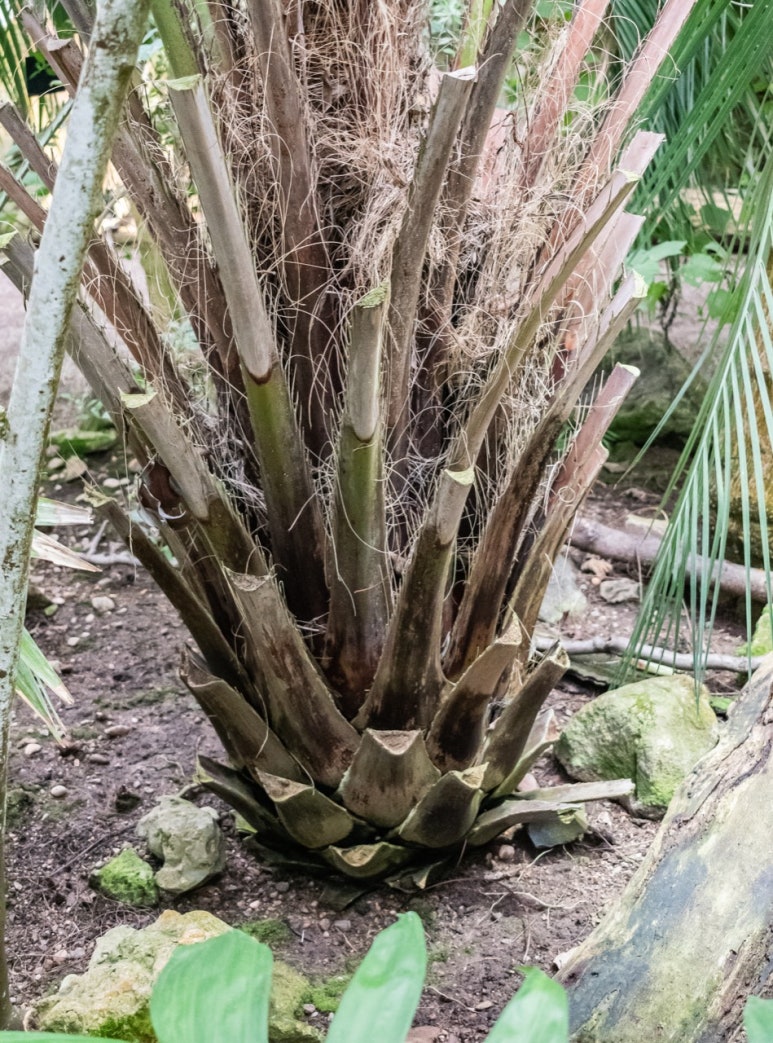
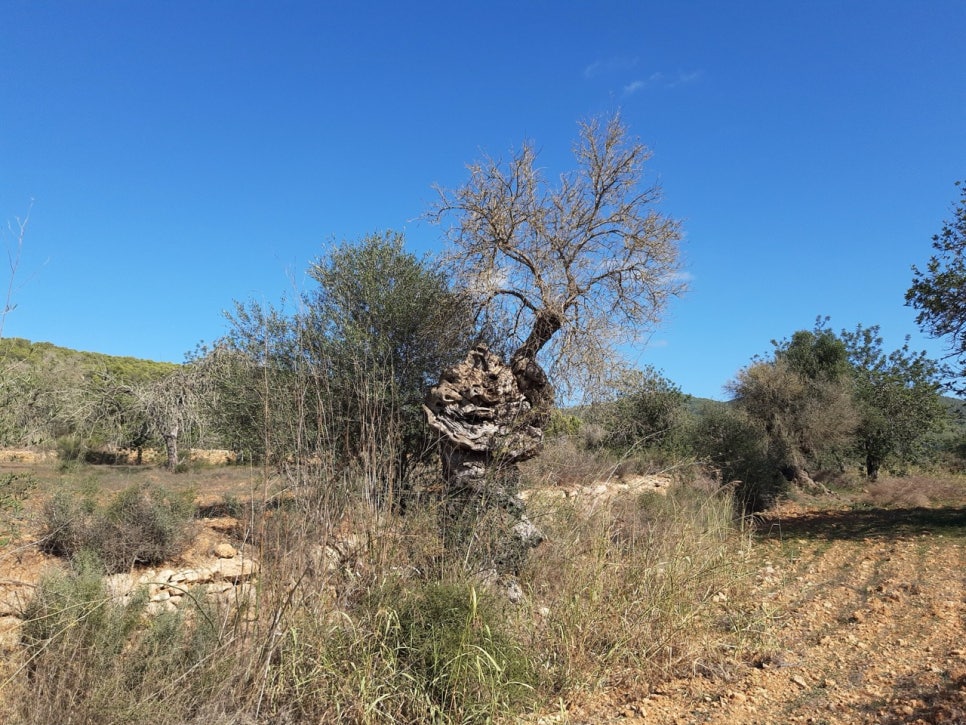
Official material does not say how many trees there are, how old they are or where they came from. If you want to know, the Ecorium information desk is the place to ask.
Why "moving plants"?
The point of the display is that nothing is planted. According to the institute's press release, the trees sit in large containers so they can be moved when needed, and a sprinkler irrigation system keeps their growing conditions steady — the orangery principle of moving trees with the seasons, brought to Seocheon. The location is deliberate as well. Placed where the Ecorium route begins, it means you walk through a planted landscape before you are even inside the building; in the press release the institute's president described the space as being about the history and meaning of plants being moved to be displayed, rather than simply an arrangement of plants.
Nothing has been announced for after 15 November
Neither the press release nor the exhibition page says whether the trees will be taken indoors for the winter after the exhibition closes, or put back in the same place next year. The display could close early or the plants could be moved, so if you are going in November, check the NIE exhibitions board first (in Korean).
Where to go after the orangerie
Past the potted garden, the Ecorium runs through five climate houses: tropical, desert, Mediterranean, temperate and polar. The one that follows on best is the Mediterranean house. You see the olive trees again, this time rooted in the ground, and its "Canary" section holds plants donated by a botanic garden in the Canary Islands, Spain. Whether these are the same individuals or varieties as the entrance display has not been confirmed.
Two Ecorium biomes compared (NIE biome pages, Korean)
- Mediterranean house
- 1,287 sq m, up to 15 m high, about 300 plant species — olive trees, and plants donated by a Canary Islands botanic garden (the "Canary" section)
- Tropical house
- 3,232 sq m, up to 35 m high, about 700 plant species — a tropical forest with palms, plus the butterfly special exhibition outside its entrance from 13 October to 1 November
Other exhibitions are on at the same time. The 2026 special exhibition "Ecology Shown by Butterflies", outside the entrance to the tropical house, ends on 1 November, two weeks before the orangerie, while "Climate and Ecosystems: Walking Through Climate Zones" in the first permanent theme hall runs until 31 August 2027. Since 23 September a Komodo dragon seized from smugglers has also been on view in the CITES animal shelter, which keeps shorter hours than the Ecorium: 10 am to 5 pm.
How much is it, and when is it open?
- Admission: no separate charge — the display is included in the NIE ticket. Adults KRW 5,000, teenagers KRW 3,000, children KRW 2,000; free for 4 and under and 65 and over with ID. Card payment only.
- Hours: 9:30 am – 5:30 pm. Ticket sales close one hour before closing, at 4:30 pm.
- Closed: Mondays; when a Monday is a public holiday, the next working day instead. The 2026 closure list is linked from the visitor information page.
- Booking: general admission is walk-in at the ticket office. The online reservation service is for guided ecology tours and education programmes only.
- Getting there: about five minutes on foot from Janghang Station on the Janghang line to the west ticket office. From the Seocheon or Gunsan intercity bus terminals, take local bus 72.
Getting there from Seoul, and what is in English
Janghang line trains from Yongsan Station in Seoul run to Janghang Station (장항역), and the institute's west ticket office is about five minutes' walk from the station exit — allow roughly three hours each way, which makes this a long day trip or, better, an overnight. From Incheon Airport, take the airport railroad or an airport bus into Seoul first. Admission is bought at the gate by card, so there is no online form to fill in and no Korean phone number to supply. The orangerie itself has no English text, but there is little to read: it is a planted landscape. Inside the Ecorium, biome names and main signs are in Korean and English; the National Tourism Organization lists audio-guide rental at the information desk in Korean, English, Japanese and Chinese, which we could not confirm on the institute's own site. NIE also runs an English ecology tour in the first and third weeks of each month, booked through its Korean-language reservation portal.
Frequently asked questions
- Q. How long is the orangerie exhibition at the National Institute of Ecology on?
- "Orangerie: A History of Moving Plants" opened on 28 April 2026 and runs until Sunday 15 November 2026 at the entrance to the Ecorium. The institute is closed on Mondays.
- Q. Is there a separate charge for the orangerie exhibition?
- No. It is included in National Institute of Ecology admission — adults KRW 5,000, teenagers KRW 3,000, children KRW 2,000 — and tickets are sold at the gate by card only.
- Q. What does orangerie mean?
- It is the name of the greenhouse buildings European courts built to protect orange trees from winter cold, and by extension the practice of keeping trees in planter boxes, taking them inside for winter and putting them out again in spring. The orangery at the Palace of Versailles is the best known.
- Q. Which plants are in the National Institute of Ecology orangerie?
- Large olive trees, Canary Island date palms and jelly palms, among others, standing in rows in big containers. You can see olive trees again, planted in the ground, in the Ecorium's Mediterranean house.
- Q. What are the National Institute of Ecology's opening hours?
- 9:30 am to 5:30 pm, with ticket sales ending at 4:30 pm. It is closed on Mondays, or on the next working day when a Monday is a public holiday.
- Q. Is it worth going if I do not read Korean?
- Yes, if you are visiting the institute anyway: the orangerie is a landscape of trees rather than a text-heavy exhibition, and the Ecorium's main signs are bilingual. It is not worth a three-hour trip from Seoul on its own, but together with the five Ecorium climate houses it makes a full day.
Editor's note · Kang Shin-wook
The display stands where the Ecorium visit begins, so it is easy to walk straight past. This piece explains what you are looking at and which biome to see next. Opening hours, parking and the walk from Janghang Station are in our National Institute of Ecology visitor guide.
Sources
- Official notice (Korean)
- NIE exhibition page: Orangerie, A History of Moving Plants (Korean)
- NIE visitor information: hours, admission, closures (Korean)
- NIE directions (Korean)
- NIE Ecorium Mediterranean house (Korean)
- NIE Ecorium tropical house (Korean)
- NIE press release: Komodo dragon goes on view, 22 September 2026 (Korean)
- Palace of Versailles: The Orangery (English)
Written in our own words from the sources above, never copied from them, and every date and price checked against at least two pages. The originals are in Korean. Spotted a mistake? Ask for a correction.