Exhibition·National Institute of EcologyOn now
A new climate gallery opens the Ecorium — Seocheon, KRW 5,000
Summary
The National Institute of Ecology has rebuilt the first gallery inside its Ecorium, the five-biome greenhouse complex in Seocheon, and opened it on 10 September 2026 as a permanent exhibition called Climate and Ecosystems. There is no separate charge and no booking: the KRW 5,000 adult ticket covers it, the building closes on Mondays, and the train from Seoul stops five minutes' walk from the west gate.
Article
In short
- Climate and Ecosystems opened on 10 September 2026 in the Ecorium's first thematic gallery and is permanent, so there is no closing date to plan around.
- The gallery costs nothing on top of admission: KRW 5,000 for adults, KRW 3,000 for teenagers, KRW 2,000 for children, and the ticket office takes cards only.
- No reservation is needed for any permanent exhibition, which makes this one of the easier Korean attractions to visit without a local phone number.
- Opening hours are 9:30 am to 5:30 pm and the last tickets are sold at 4:30 pm; the whole site closes on Mondays.
- Take the Janghang Line train to Janghang Station (장항역) — the west ticket office is less than a five-minute walk away.
The Ecorium is the reason people travel to Seocheon: five linked greenhouses holding tropical, desert, Mediterranean, temperate and polar habitats, with live animals in each. Until this month the room you walked through first was a general introduction to climate zones, built when the place opened in December 2013. That room has now been taken apart and rebuilt as a permanent exhibition called Climate and Ecosystems, and it changes the first ten minutes of every visit.

Why they pulled the first room apart
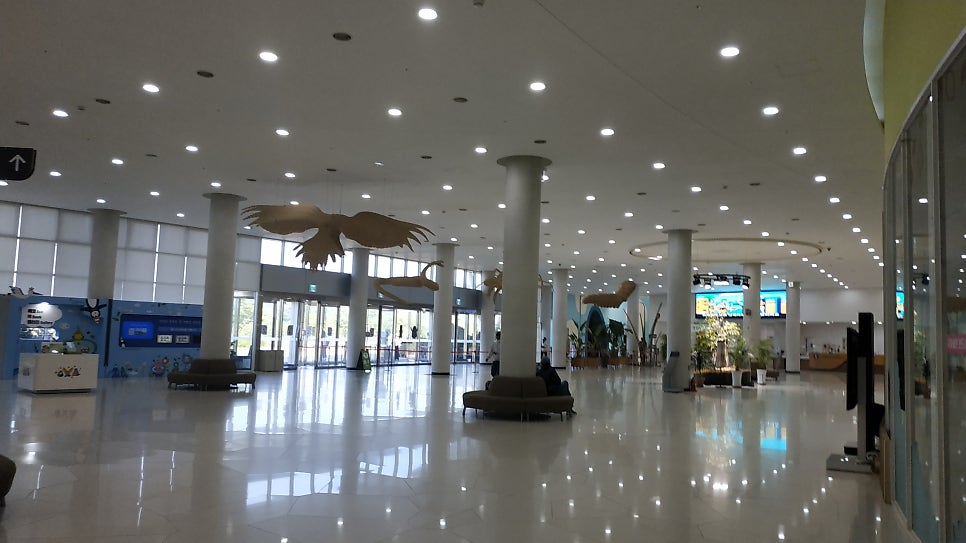
The institute gives two reasons: visitor numbers and habits have changed since 2013, and the public kept asking for the exhibition space to be reworked. What it has built instead is described as an experience space rather than an information panel — somewhere you feel what climate change is doing to ecosystems rather than read about it. Whether that lands is a matter of taste, but the design decision is visible in the first thirty seconds.

What is inside the new gallery
The first thing you meet is a clock. It counts down the time left before the global average temperature rises 1.5 degrees Celsius, and it is placed at the entrance rather than the exit, which sets the tone for everything after it. From there the gallery runs through four themes, ending not with a warning but with the institute's own research.
The four themes, as described by the institute
- Climate crisis clock
- A countdown to a 1.5°C rise in global average temperature
- Five climate zones
- Terrain and vegetation built up in relief, with a representative animal for each zone
- LED immersive film
- A 7 by 4 metre screen showing an introduction to the five greenhouses and a film on the 4.6-billion-year formation of the Earth
- Climate change research
- What the institute itself studies in the field, as the closing section
- Hands-on
- A polarising-filter lens that compares an ecosystem before and after climate change, and an augmented-reality guide that explains how animals adapt
Three animals, and where to find them afterwards
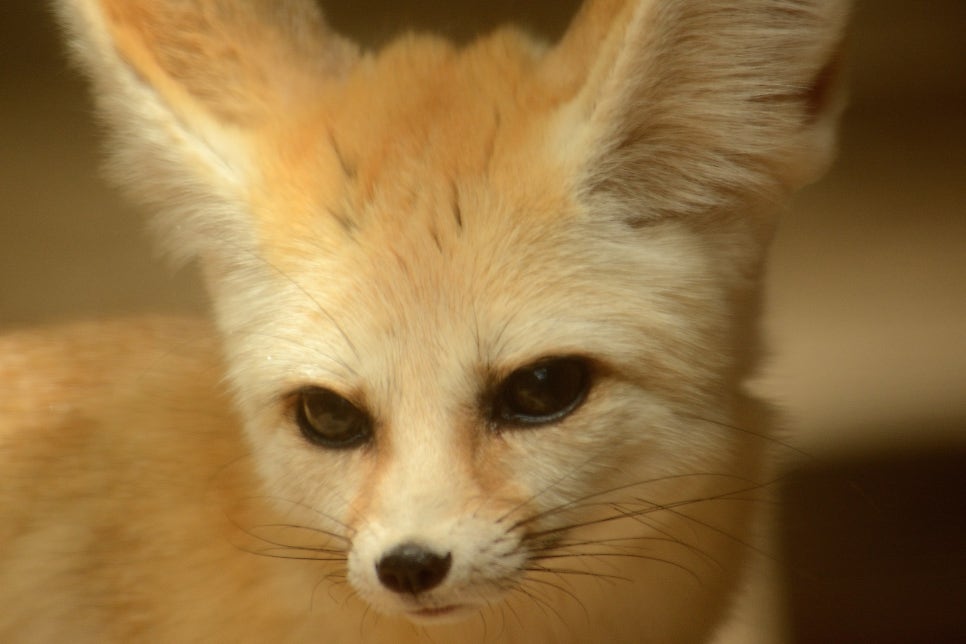
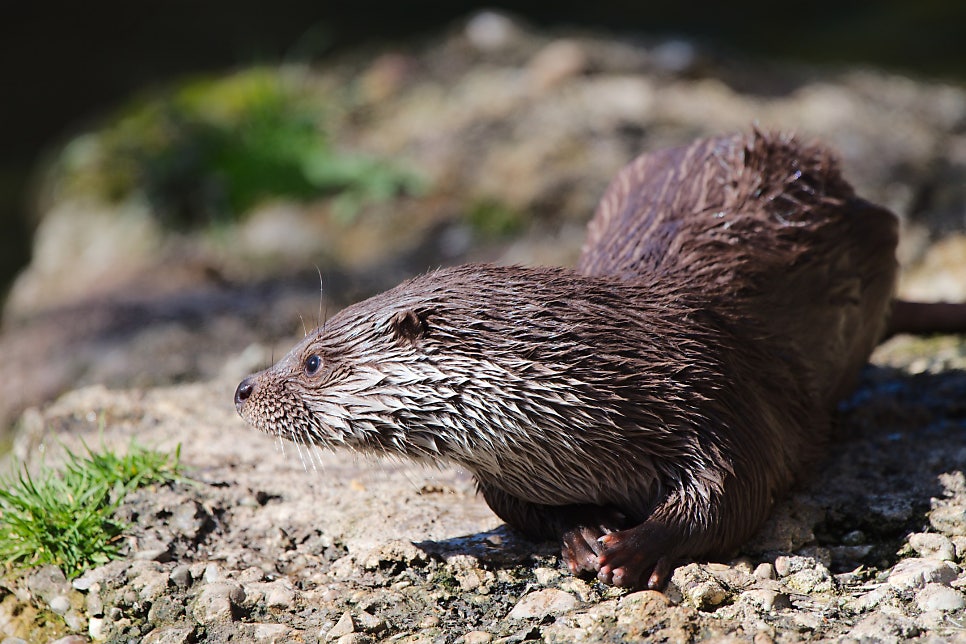
For the climate-zone section the institute picked a fennec fox, an otter and a chinstrap penguin as its representative species, and the choice is not accidental: all three live a few minutes' walk away. The fennec fox is in the desert house, the otter in the temperate house, the penguins in the polar house. The gallery is designed as a preview, and the sequence only works if you do it in that order.

The five greenhouses, and how to spend your time in them
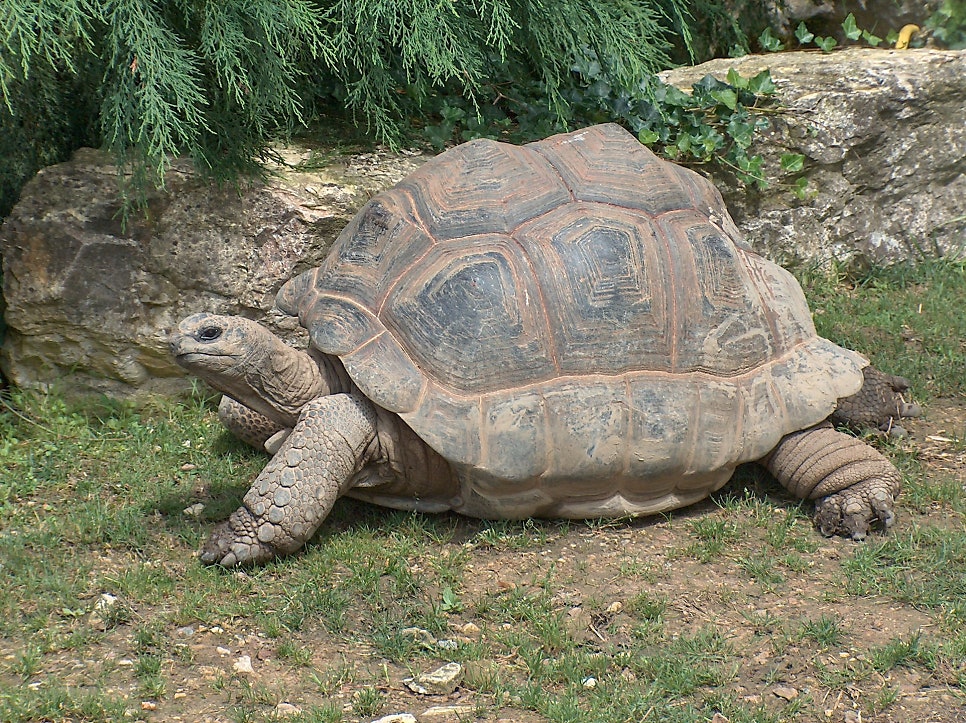
They are not equal in size and it helps to know that before you start. The tropical house is nearly two and a half times the floor area of the desert house and rises 35 metres, with hundreds of plant species and well over a hundred kinds of fish; the polar house is a cold room with two penguin species in it and little else. If you have half a day, the tropical house is where it goes.
Ecorium greenhouses, from the institute's own descriptions
- Tropical
- 3,232 m², up to 35 m high — about 140 fish species, 9 amphibians and reptiles, 25 invertebrates, some 700 plant species
- Desert
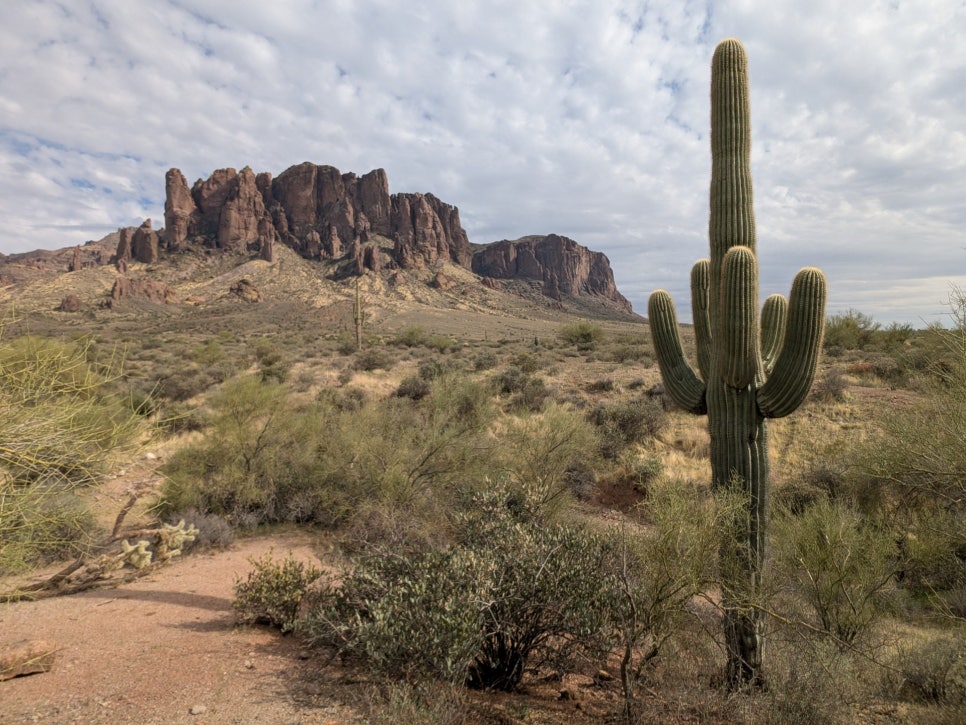
- 1,380 m², 12 m — 6 reptile species, 2 mammals, about 300 plant species
- Mediterranean
- 1,287 m², 15 m — 7 amphibian and reptile species, about 300 plant species
- Temperate
- 1,717 m², 12 m — 7 amphibians and reptiles, 1 mammal, 1 bird, about 40 fish species, some 120 plants
- Polar
- 1,316 m², held at 10°C or below — 2 bird species, both penguins
Dates to work around this month
Two things will catch you out in late September 2026. The first is the Chuseok holiday: the institute closes on the day before and the day of Chuseok, which are Thursday 24 and Friday 25 September, then opens normally on the Saturday and Sunday before its usual Monday closure. The second is a one-day partial closure the following week.
Late September 2026 at the National Institute of Ecology
- Mon 21 September
- Closed — regular Monday closure
- Tue 22 – Wed 23 September
- Open
- Thu 24 – Fri 25 September
- Closed for Chuseok
- Sat 26 – Sun 27 September
- Open
- Mon 28 September
- Closed — regular Monday closure
- Tue 29 September
- Open, but the Mediterranean greenhouse is closed to visitors
If you came for the carnivorous plants
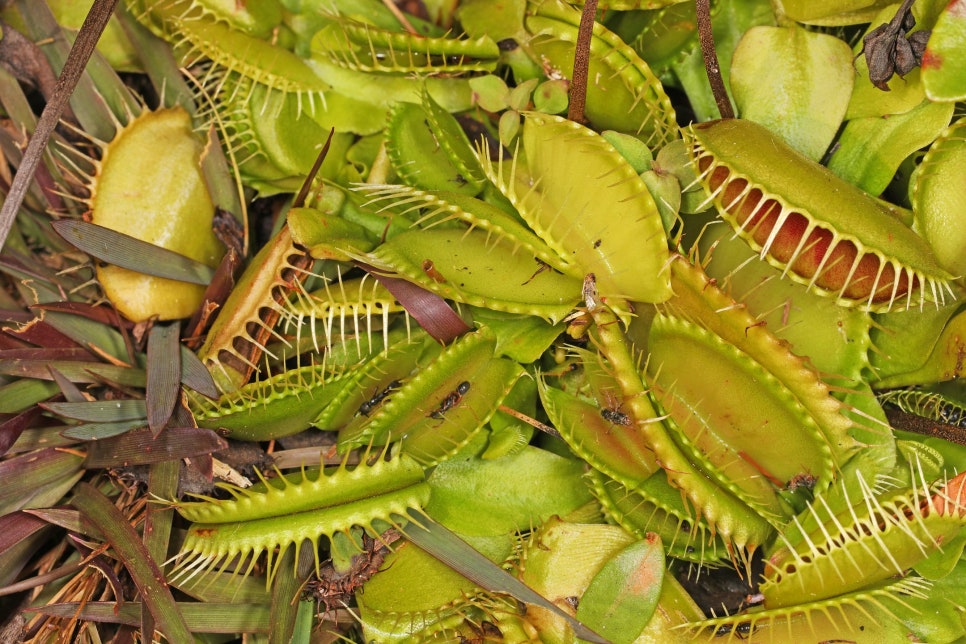
The institute has announced that the Ecorium's Mediterranean greenhouse will be closed to visitors for one day, Tuesday 29 September 2026, for safety work. Everything else stays open that day. The Venus flytraps and the other carnivorous plants are in that greenhouse, so move your visit if they are the reason you are going.
Tickets, discounts and the things that trip people up
Admission is KRW 5,000 for adults aged 19 to 64, KRW 3,000 for ages 13 to 18 and KRW 2,000 for ages 5 to 12, with children of four and under and visitors aged 65 and over admitted free on production of identification. The new gallery is included. Two charges sit outside the ticket: the Medirium and the 4D theatre are KRW 1,000 each per person, and no discount applies to them. The important practical detail is that the ticket office takes cards only — no cash — and that ticket sales stop at 4:30 pm, an hour before the site closes.
Admission and the main discounts
- Adult, 19–64
- KRW 5,000 (KRW 4,000 for groups of 20 or more)
- Teenager, 13–18
- KRW 3,000 (group KRW 2,000)
- Child, 5–12
- KRW 2,000 (group KRW 1,000)
- Free
- Age 4 and under, age 65 and over, and holders of the relevant Korean welfare or veterans' documents, on production of identification
- 30% off
- Holders of a same-day or full-day ticket to the National Marine Biodiversity Institute of Korea or the Gunsan Modern History Museum, among others
- Medirium / 4D theatre
- KRW 1,000 each per person, no discounts
Getting to Seocheon
This is the part that decides whether the trip is worth it, and it is easier than the location suggests. The Janghang Line runs down the west coast from Seoul, and Janghang Station (장항역) is under a five-minute walk from the institute's west ticket office — closer than most Korean attractions are to their nearest station. By intercity bus, get off at Seocheon or Gunsan terminal and take local bus 72. If you drive, there are a thousand parking spaces. The west ticket office is the entrance nearest the station, so head for that one rather than the main gate.
Frequently asked questions
- Q. How long will the Climate and Ecosystems exhibition be on?
- Indefinitely. It is a permanent exhibition that opened on 10 September 2026 in the Ecorium's first thematic gallery.
- Q. Do I have to book anything?
- No. Permanent exhibitions are covered by your entrance ticket and need no reservation, so you can arrive without an account on any Korean site. Only the guided ecology programmes are booked separately.
- Q. What does it cost?
- There is no extra charge for the gallery. Admission to the institute is KRW 5,000 for adults, KRW 3,000 for teenagers and KRW 2,000 for children; under-fives and over-65s are free. Bring a card, because the ticket office does not take cash.
- Q. Is the institute open over Chuseok 2026?
- It closes on Thursday 24 and Friday 25 September and opens as usual on Saturday 26 and Sunday 27. Monday 28 September is its regular closing day.
- Q. Is it worth the trip if I read no Korean?
- The labels should be assumed to be in Korean, but the draw here is live habitats and animals across five greenhouses, which need no translation, and the new gallery leans on a countdown clock, a large video wall and hands-on devices. Getting there is straightforward: Janghang Station is a five-minute walk from the west gate.

Editor's note · Kang Shin-wook
For a visitor considering a day trip down the Janghang Line, and for anyone in Korea over the Chuseok holiday looking for somewhere open on the Saturday and Sunday. It covers what the new gallery contains, what the ticket includes, and the one day in late September when part of the building is shut. Prices and opening days for Korea's ecology institutions are on our ecology institutions page, and the site itself on our National Institute of Ecology page.
Sources
- Official notice (Korean)
- Visitor information: hours, admission and discounts (Korean)
- Directions and parking (Korean)
- 2026 opening and closing days (Korean)
- Notice: Mediterranean greenhouse closed 29 September 2026 (Korean)
- Ecorium — the five climate greenhouses (Korean)
- National Institute of Ecology — English site
Written in our own words from the sources above, never copied from them, and every date and price checked against at least two pages. The originals are in Korean. Spotted a mistake? Ask for a correction.