Ecology centres · Ministry of Climate, Energy and Environment
National Institute of Ecology
Five climate-zone greenhouses on the west coast, an hour's walk end to end, reachable by train
The National Institute of Ecology in Seocheon is a research body with one of the most ambitious exhibition buildings in the country attached to it. The Ecorium is five linked greenhouses — tropical, desert, Mediterranean, temperate and polar — that you walk through in sequence, from rainforest humidity to a penguin enclosure, in about an hour. Outside it there are wetland boardwalks, a stretch of restored grassland and breeding centres for endangered species.
It is a genuinely good rainy-day option and an unusually easy one to reach without a car: the Janghang line stops a few minutes' walk from the west gate. It is also one of the few national attractions here that charges a real admission price rather than a token one, and one of the very few that takes cards only — there is no cash lane at the ticket office.
Visiting
- Hours
- 9:30 am – 5:30 pm (ticket office closes 4:30 pm) Animal-care facilities, the EcoCare Centre and the CITES animal shelter, 10:00 am – 5:00 pm
- Closed
- Mondays; when the Monday is a public holiday, the next working day instead
- Admission
- Adults KRW 5,000, teenagers KRW 3,000, children KRW 2,000, with a group rate for 20 or more. Free if you are 4 or under, 65 or over, disabled, or a person of national merit. The Medilium and the 4D theatre are KRW 1,000. Card payment only
- Address
- 1210 Geumgang-ro, Maseo-myeon, Seocheon-gun, Chungcheongnam-do
- Getting there
- Janghang Station on the Janghang line, then about five minutes on foot to the west gate. Local bus 72 from Seocheon and Gunsan intercity bus terminals
- From the airport
- From Incheon (ICN): airport bus or AREX to Seoul, then a Janghang line train from Yongsan to Janghang — around four hours in total, so treat it as an overnight rather than a day trip from Seoul
- Parking
- 978 car spaces and 22 coach spaces, 1,000 in total
- The ticket office stops selling an hour before the site closes, so arriving at 4:45 pm means not getting in.
- Seocheon residents and families with several children get 50% off, and Green Card holders 30%.
- The Ecorium is indoors end to end, which makes this a reliable wet-weather day.
Checked against the official pages on 2026-09-21. Hours and fees change — confirm before you travel. Official site
How much English you will find
- Signage in the Ecorium is bilingual in Korean and English, and the route through the five greenhouses is linear enough that it is hard to get lost.
- The institute's website is primarily Korean; the English pages cover the essentials but not the daily programme.
- Staffed talks and animal-feeding demonstrations are generally conducted in Korean only.
Exhibitions and events
Full schedule- Year-roundNational Institute of Ecology · Special exhibition hall, Ecorium, National Institute of EcologyThe ant exhibition at Korea's National Institute of EcologyYear-roundFree
- 28 Apr – 15 NovNational Institute of Ecology · Ecorium entrance, National Institute of Ecology, SeocheonOrangerie at the National Institute of Ecology, Seocheon — potted olives and palms until 15 NovemberOn now
- From 10 SeptNational Institute of Ecology · National Institute of Ecology, EcoriumA new climate gallery opens the Ecorium — Seocheon, KRW 5,000On now
How to visit
- 1
Take the train rather than driving
Janghang Station on the Janghang line is about five minutes' walk from the west ticket gate, which makes this one of the easier rural attractions in Korea to reach without a car. Buses from Seocheon and Gunsan intercity terminals also stop nearby on route 72.
- 2
Bring a card, because cash is not accepted
Admission is card payment only, with no cash option at the gate. This catches out visitors who have come off a train with only notes in their pocket, and there is no way round it at the ticket office itself.
- 3
Allow half a day, not an hour
The Ecorium greenhouses alone take about an hour at a walk, and the wetland boardwalks, grassland and animal-care facilities outside are the other half of the site. If you are coming by train it is worth building the visit around a specific return service.
Frequently asked questions
Can I get there without a car?
Yes, and unusually easily for a rural site. Janghang Station is a five-minute walk from the west gate, and local bus 72 runs from the Seocheon and Gunsan intercity terminals. Plan around the train timetable, which is not frequent, rather than turning up and hoping.
How much is it, and can I pay cash?
Adults pay KRW 5,000, teenagers KRW 3,000 and children KRW 2,000, and you cannot pay cash — the ticket office takes cards only. Under-5s, over-65s, disabled visitors and persons of national merit go free.
Is it worth it if I am not especially interested in plants?
The draw is the sequence rather than the botany: walking from a tropical greenhouse into a desert one and out into a polar enclosure within an hour is an experience of contrast more than a plant collection. The endangered-species breeding centres and wetland boardwalks add a different kind of interest.
Official channels
Official services
Latest from National Institute of Ecology
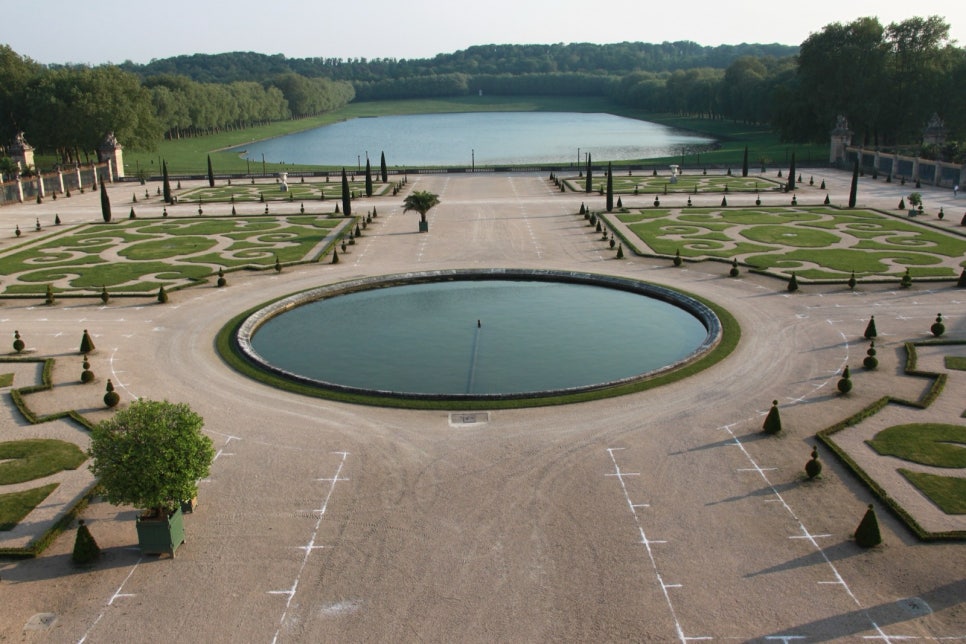 National Institute of EcologyExhibition16 October 2026On nowOrangerie at the National Institute of Ecology, Seocheon — potted olives and palms until 15 November
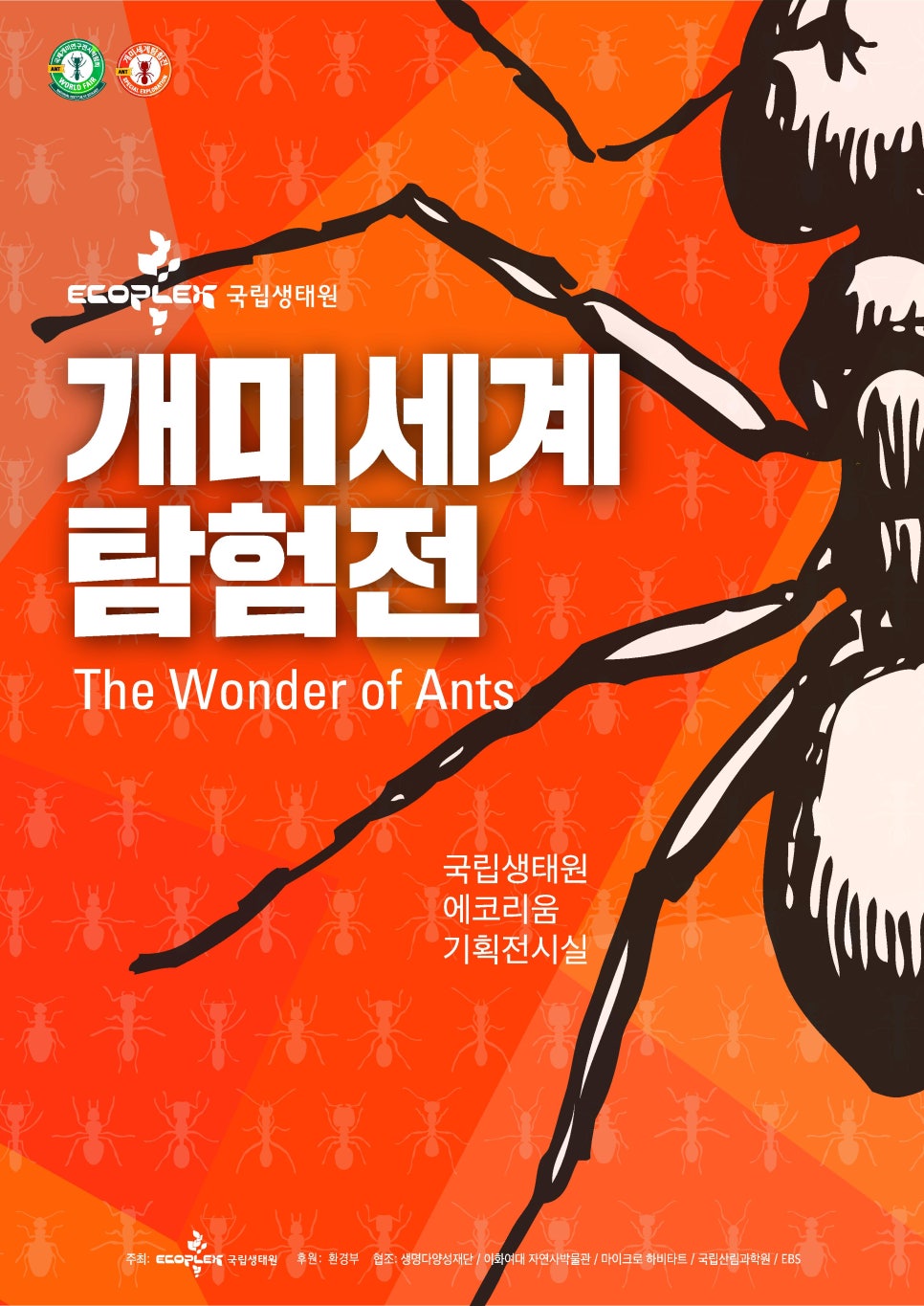 National Institute of EcologyProgramme22 September 2026Year-roundFreeThe ant exhibition at Korea's National Institute of Ecology
 National Institute of EcologyExhibition21 September 2026On nowA new climate gallery opens the Ecorium — Seocheon, KRW 5,000