News·Korea National Park Service
Ninety-two illegal structures cleared from a Palgongsan valley, and the animals came back
Summary
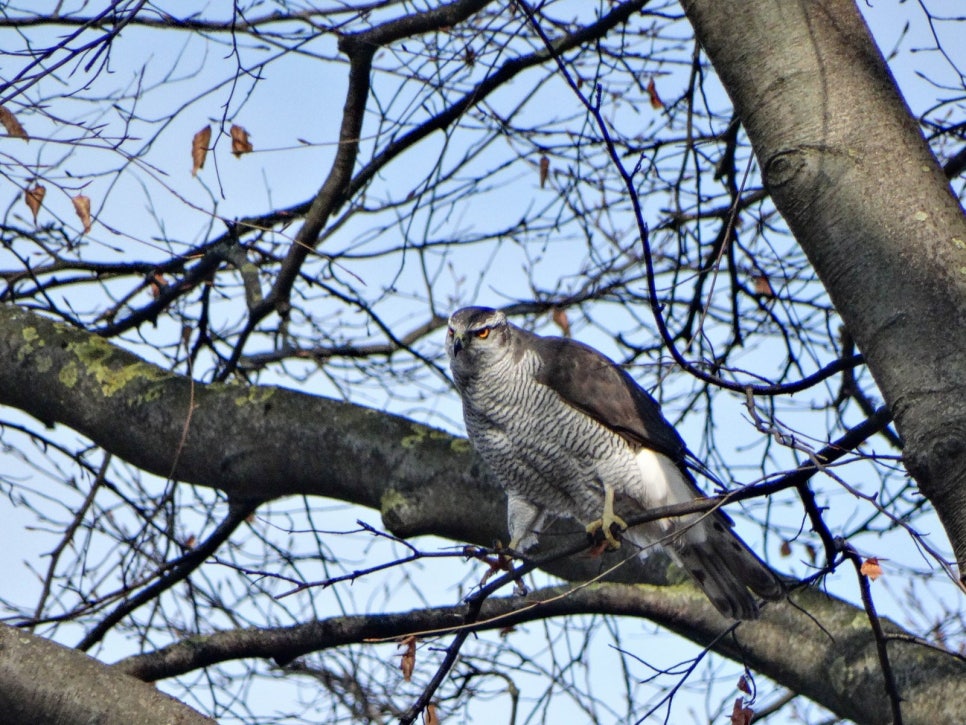
The Korea National Park Service removed 92 illegally occupying structures from the Dohak-dong valley in Palgongsan National Park and disposed of about 356 tonnes of waste. Three months of camera-trap monitoring afterwards recorded seventeen wild species using the valley again, including the yellow-throated marten and the northern goshawk, both listed as Class II endangered wildlife in Korea.
Article
In short
- Ninety-two structures illegally occupying the Dohak-dong valley in Palgongsan National Park were removed, along with about 356 tonnes of waste.
- Three months of camera-trap monitoring afterwards recorded seventeen wild species using the valley again.
- Two of them — the yellow-throated marten and the northern goshawk — are listed as Class II endangered wildlife in Korea.
- Palgongsan became a national park in 2023, and clearing long-standing private occupation of its valleys is part of what that change is for.
Palgongsan, on the edge of Daegu, was designated a national park in 2023 — the twenty-third — after decades as a provincial park. Designation is not only a change of signage: it brings the land under a national management regime that can act on things a provincial authority had tolerated. The clearance of the Dohak-dong valley is what that looks like in practice.
What was there
Valleys close to a large city attract semi-permanent private use: decking over the stream, platforms, huts, fencing, the infrastructure of a business that has quietly occupied public land. Ninety-two such structures were removed here, and about 356 tonnes of material was taken out with them. That tonnage is the part worth pausing on — it is the accumulated weight of something that was never supposed to be there.


What came back
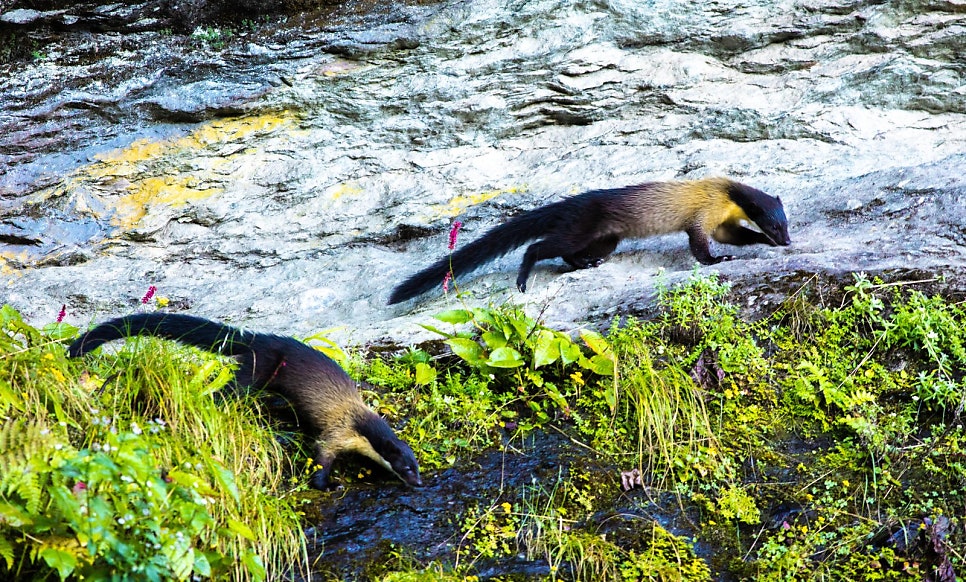
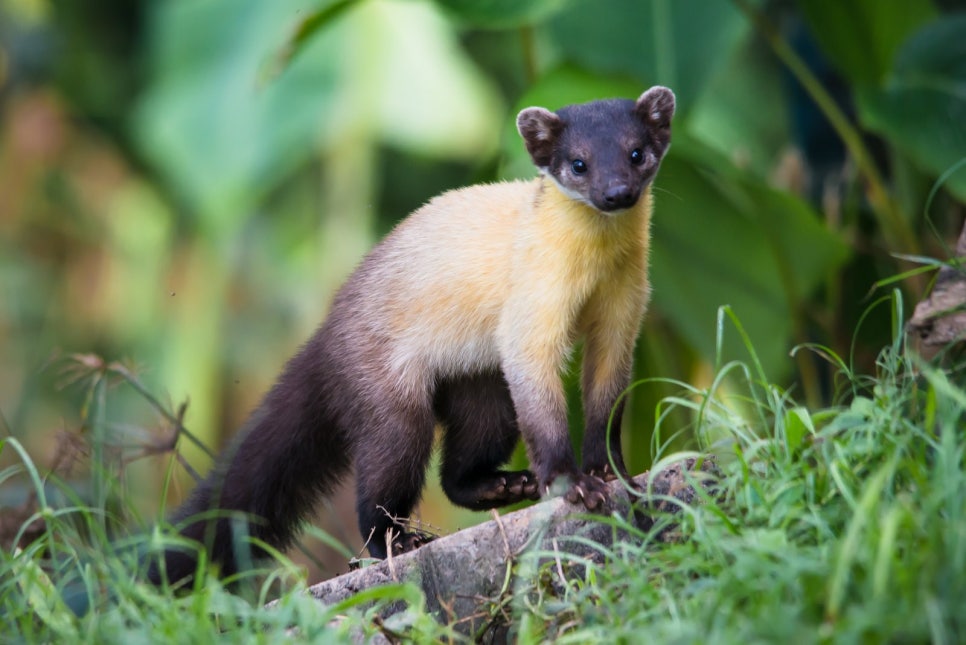
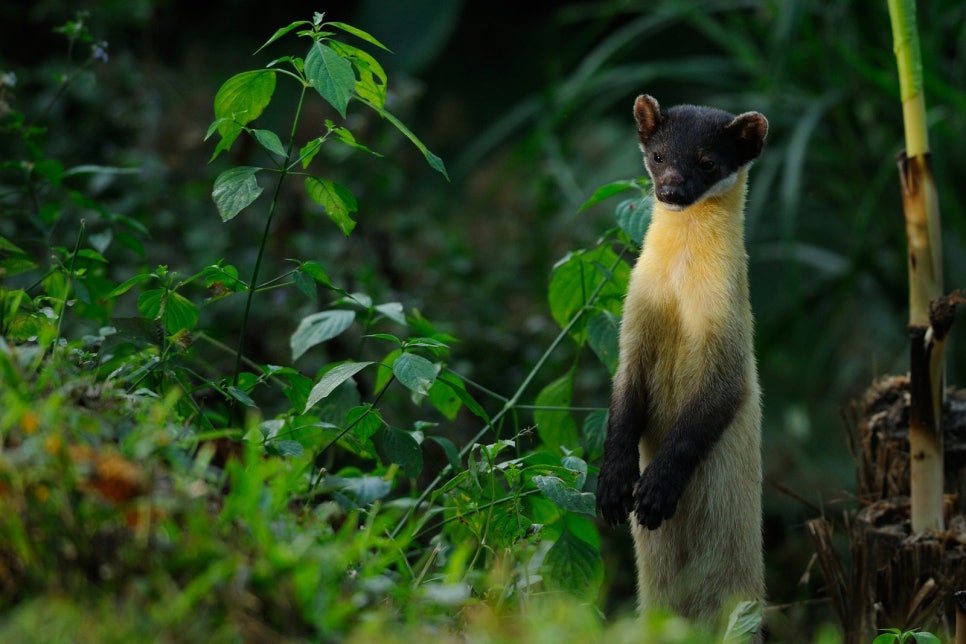
The park then left camera traps in the valley for three months. Seventeen wild species were recorded using it. Two of them are on Korea's Class II endangered list: the yellow-throated marten, a large and conspicuously active mustelid that ranges widely and needs connected habitat, and the northern goshawk, a woodland raptor that hunts under the canopy.
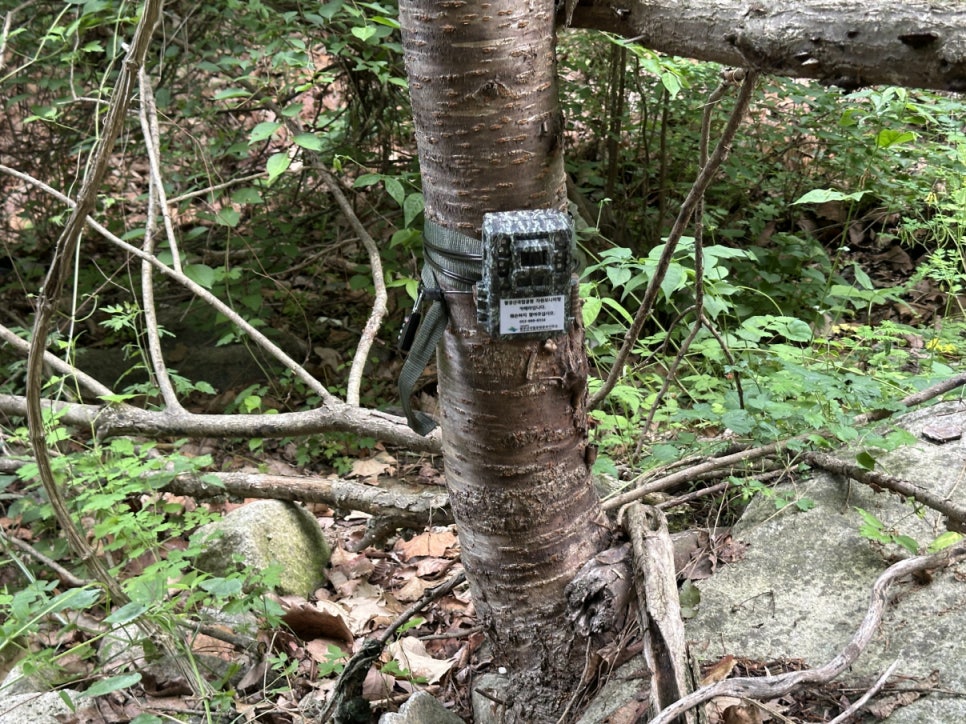
Neither is a species that returns to a place because it has been made pretty. They return because a stream corridor has become continuous again, and because the disturbance has stopped.
Why this matters for visitors
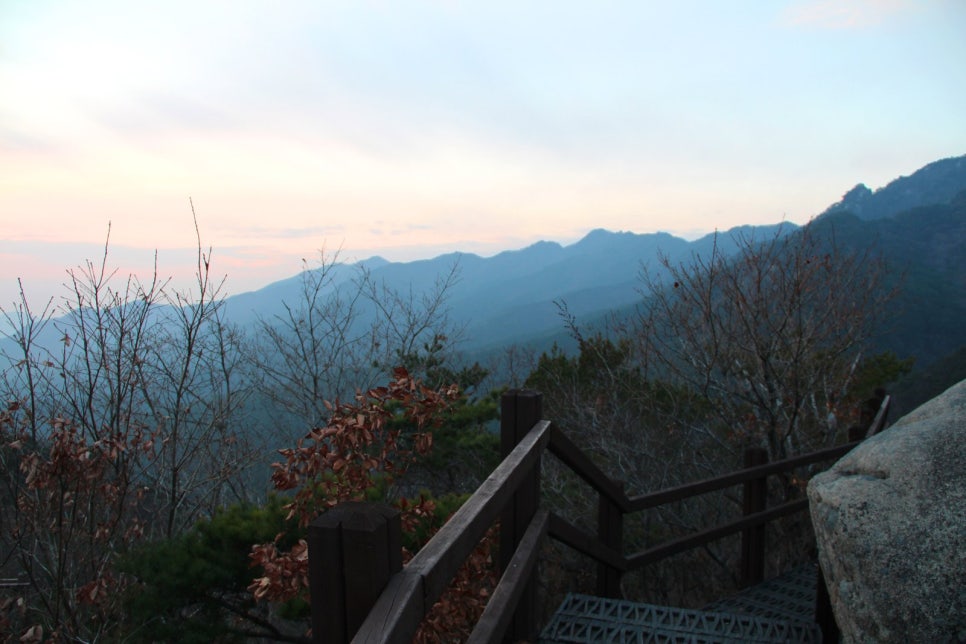
- Palgongsan is free to enter, like every national park in Korea, and is reachable on public transport from Daegu.
- Valley restoration generally means a stretch of water you can walk beside rather than past the back of somebody's decking.
- The designated entry-time system applies here as elsewhere — check the board at the trailhead before starting up.
- Camera traps remain in use in national parks. Keep to marked trails, which is both the rule and the reason monitoring works.

Frequently asked questions
- Q. What was removed from the valley?
- Ninety-two structures that were illegally occupying the Dohak-dong valley, together with roughly 356 tonnes of waste. They were the accumulated infrastructure of long-standing private use of public land.
- Q. Which animals returned?
- Seventeen species were recorded by camera traps over three months, including the yellow-throated marten and the northern goshawk. Both are listed as Class II endangered wildlife in Korea, and both need continuous, undisturbed habitat rather than simply clean ground.
- Q. Can I visit Palgongsan?
- Yes, and it costs nothing — no Korean national park charges admission. It sits on the edge of Daegu and is reachable by public transport from the city, which makes it one of the more accessible parks in the country.
- Q. When did Palgongsan become a national park?
- In 2023, as Korea's twenty-third, having previously been a provincial park. Bringing its valleys back into public condition is part of what that redesignation was intended to allow.
Sources
- Official notice (Korean)
- Official page (Korean)
- Official page (Korean)
- Official page (Korean)
- Official page (Korean)
Written in our own words from the sources above, never copied from them, and every date and price checked against at least two pages. The originals are in Korean. Spotted a mistake? Ask for a correction.
Latest from Korea National Park Service
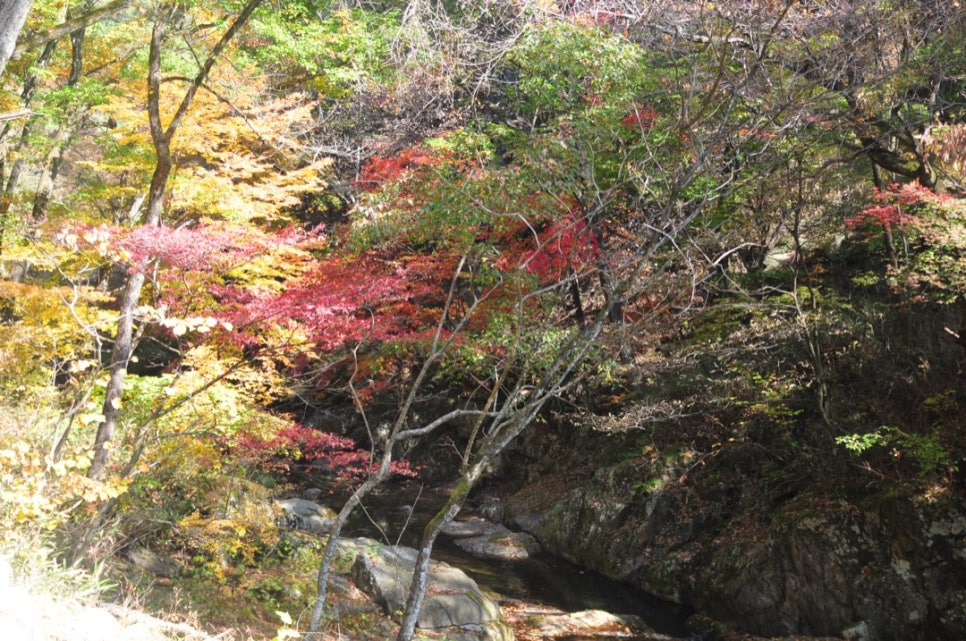 Korea National Park ServiceProgramme17 October 2026On nowFreeChiaksan: free weekend shuttle to Guryongsa — to 15 Nov
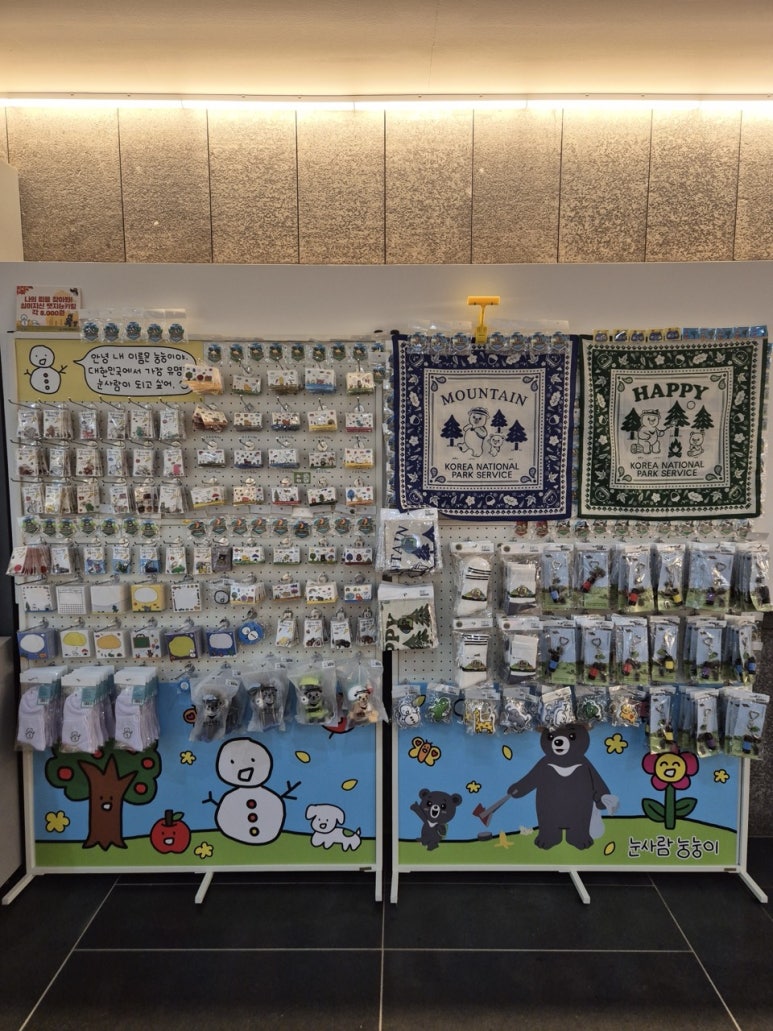 Korea National Park ServiceEvent13 October 2026On nowFreeNungnungi pop-up at Juwangsan National Park's shop — 23 Oct–15 Nov, preview 16–18 Oct
 Korea National Park ServiceNotice8 October 2026Jirisan's Guryong Valley trail reopens Oct 9 — waterfall route restored
 Korea National Park ServiceProgramme7 October 2026On nowOdaesan: a car to Sangwonsa for less-mobile visitors — to 15 Nov