Event·National Folk Museum of KoreaEndedFree
A free Chuseok festival at the National Folk Museum, 26 and 27 September
This event has ended. The institution's visiting guide is still current. Visiting guide · What's on
Summary
The National Folk Museum runs its Chuseok festival across two sites on Saturday 26 and Sunday 27 September, with twenty-five activities — wrestling, circle dancing, harvest games, craft making and four performances — all free and twenty-three of them walk-in. Note that Chuseok day itself, Friday 25 September, is not part of it: both sites are closed that day.
Article
In short
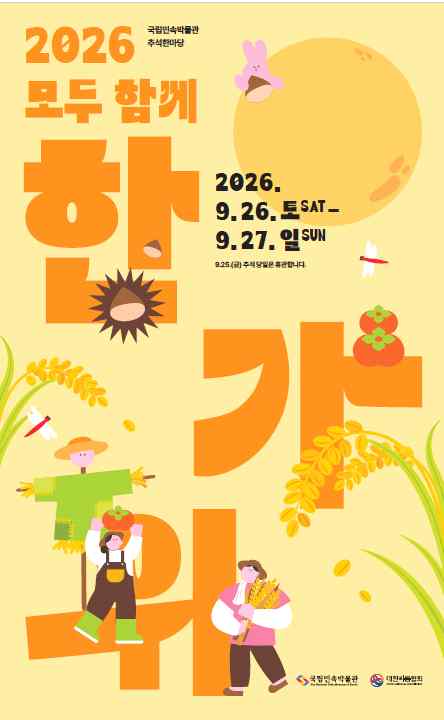
- It runs on Saturday 26 and Sunday 27 September, 10:00am to 5:00pm, at both the Seoul museum and the Paju site.
- Chuseok day itself, Friday 25 September, is not part of it — both sites are closed that day, which catches people out.
- Everything is free, including admission, and twenty-three of the twenty-five activities need no booking at all.
- The four performances are split across the two days, so which day you come changes what you see.
Chuseok is the Korean harvest festival and the point in the year when most visitors discover that a great deal of the country is closed. The National Folk Museum does the opposite: it opens the weekend after the holiday with twenty-five activities laid on across its Seoul grounds and its Paju site, all free, most of them walk-in, and most of them things you do rather than watch.
Seoul or Paju?
The two sites compared
- How much is on
- Seoul: twenty activities. Paju: five
- Feel
- Seoul is outdoors and energetic. Paju is quieter, around the open storage halls
- Booking
- Seoul: all walk-in. Paju: the storage-hall talk is pre-booked, the children's wrestling takes names on site
- Performance
- Seoul: four. Paju: one, a play
- What else to see
- Seoul: the permanent galleries, the relocated Ochon house, the children's museum. Paju: the open storage halls and the conservation laboratory
- Best for
- Seoul: families with school-age children, and anyone who wants the performances. Paju: a calmer visit with an interest in how collections are kept
What happens in the Seoul grounds
Seoul activities, the same both days
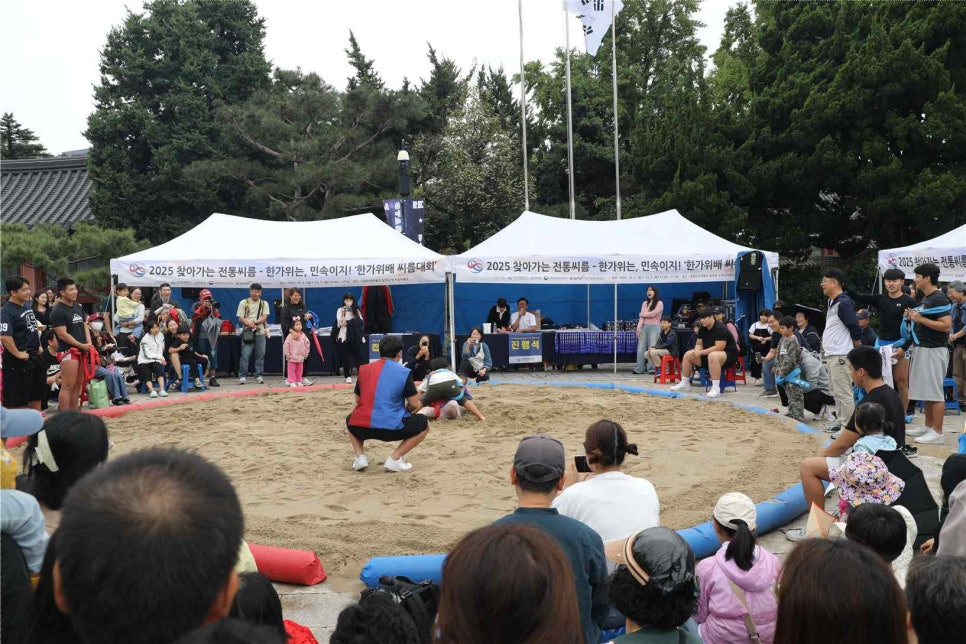
- Ssireum wrestling class
- Front yard, 1:00–2:00pm. A demonstration then a go yourself. Walk in
- Hangawi ssireum tournament
- Front yard, 3:00–5:00pm, adult and children's divisions. Walk in
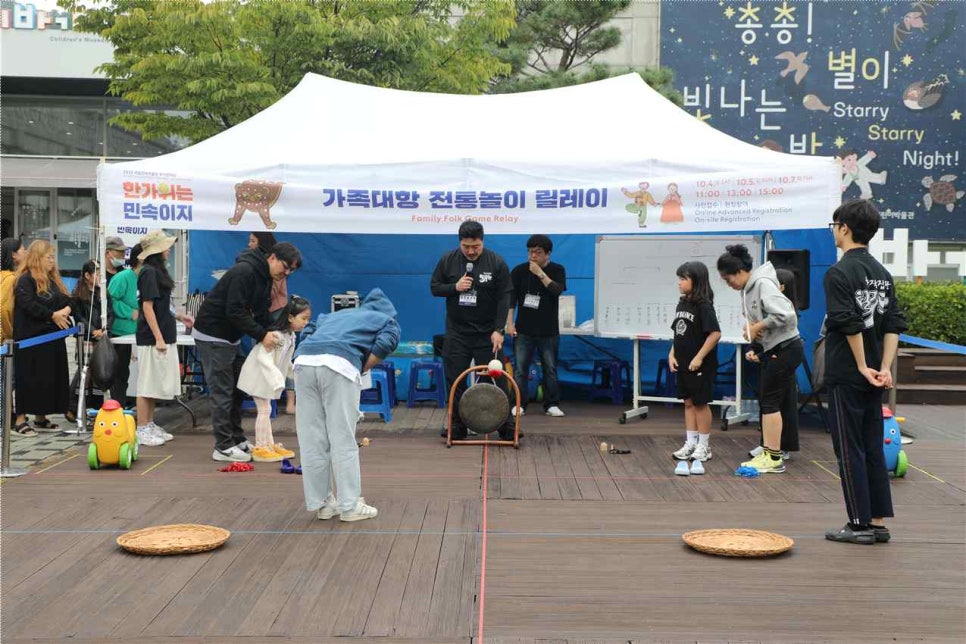
- Traditional games relay, last 16
- Children's museum yard, 10:30am, 1:00pm and 3:30pm, an hour each. Shuttlecock kicking, stick horses, arrow throwing, spinning tops and rubber-shoe tossing, as a knockout. Every family gets a souvenir. 48 teams a day
- Ganggangsullae circle dance
- Children's museum yard, 11:30am, 2:00pm and 4:30pm, thirty minutes each. A demonstration, then visitors learn the steps and join the circle
- Photo booth
- 10:00am–5:00pm, printed on the spot, 400 groups a day
The four performances, and why the day matters
Performance schedule, all in Seoul, free seating
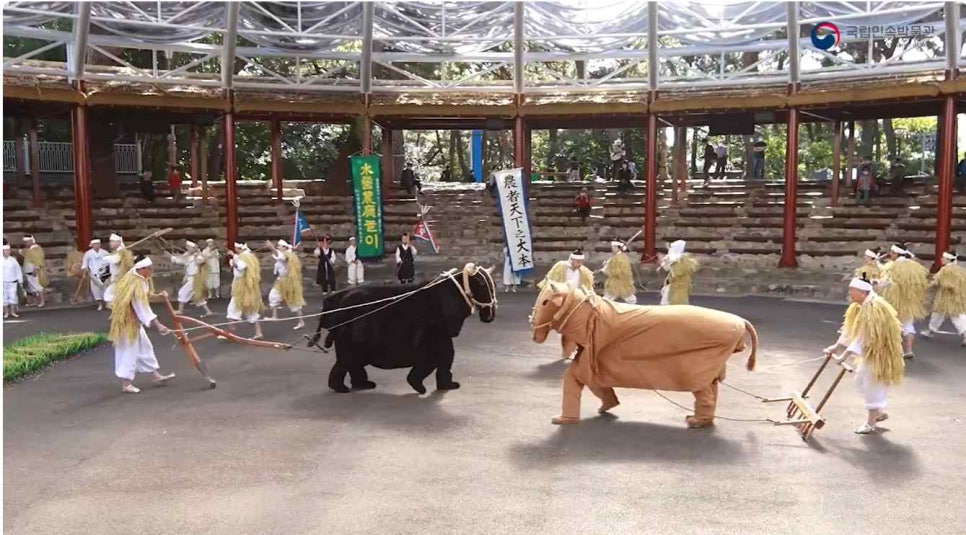
- Sat 26, noon, front yard
- Suyeong Nongcheongnori, a Busan intangible heritage piece in which an ox leads a village rite for a good harvest
- Sat 26, 3:00pm, auditorium
- A children's gugak musical based on the Bari shamanic myth
- Sun 27, noon, front yard
- Traditional performance gathering — the Cheoyongmu mask dance and Ganggangsullae, both national intangible heritage, running into samulnori percussion and drum dance, with audience participation
- Sun 27, 2:00pm, front yard
- Maeji Nongak from Wonju, a Gangwon intangible heritage percussion troupe that pulls the audience in
If you can only come on one day and want the headline heritage performances, make it Sunday: Cheoyongmu and Ganggangsullae are both on the national intangible heritage list and both are participatory rather than presented at a distance.
Making things, and the daily caps
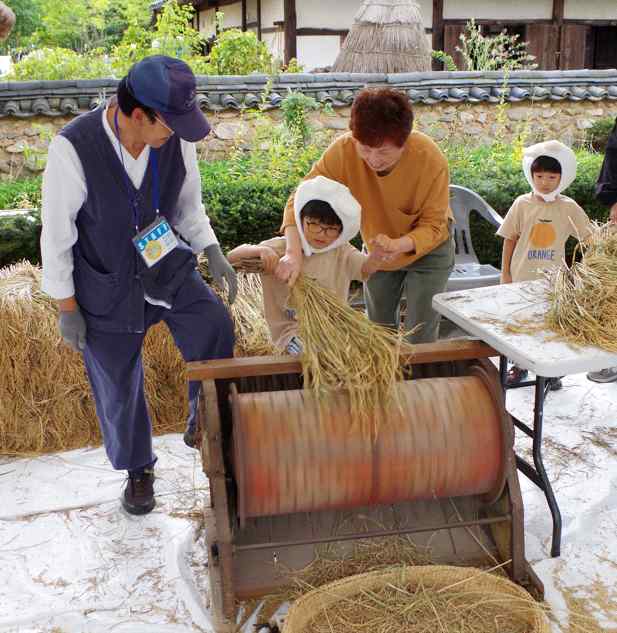
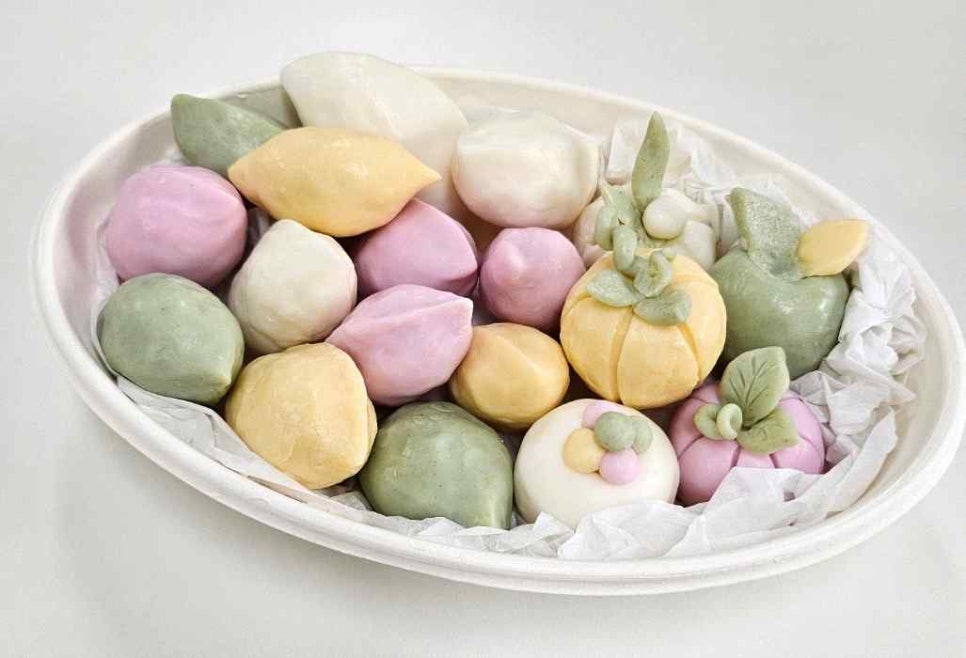
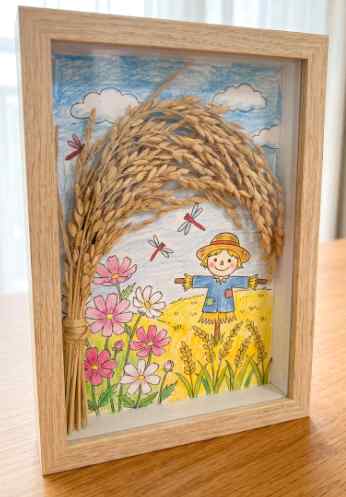
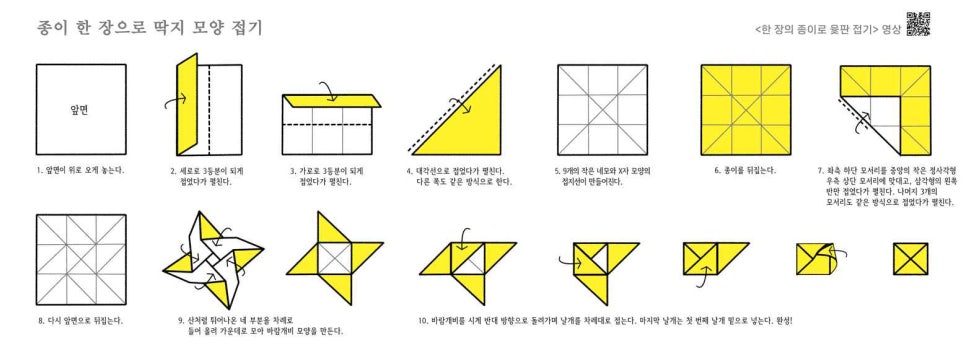
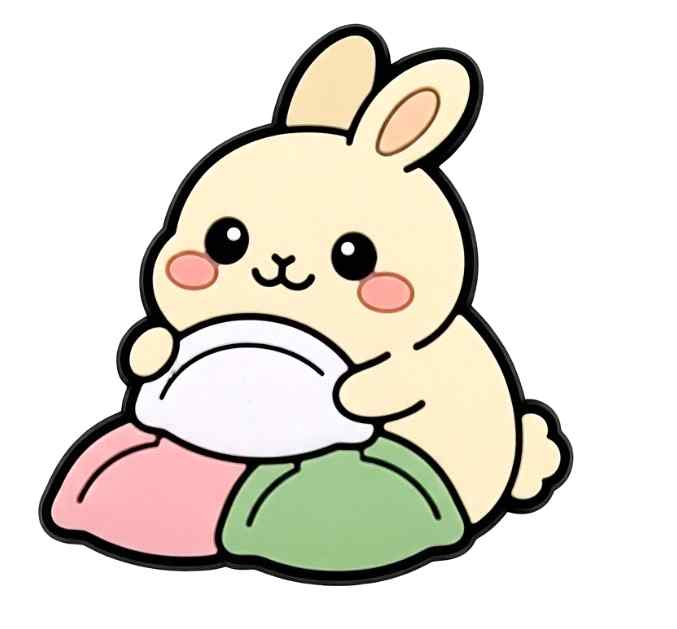
Six craft activities and three harvest activities run in the Seoul lobby across both days, all walk-in, each with a daily quota that ranges from 250 to 500 people. They include a moon lamp with a rabbit modelled on it, soap shaped as songpyeon rice cakes, a bookmark with a rabbit pendant, a keycap keyring, a hand mirror to paint, and a pinwheel. None of them requires Korean beyond following a demonstration.
The Paju site
Paju activities, the same both days
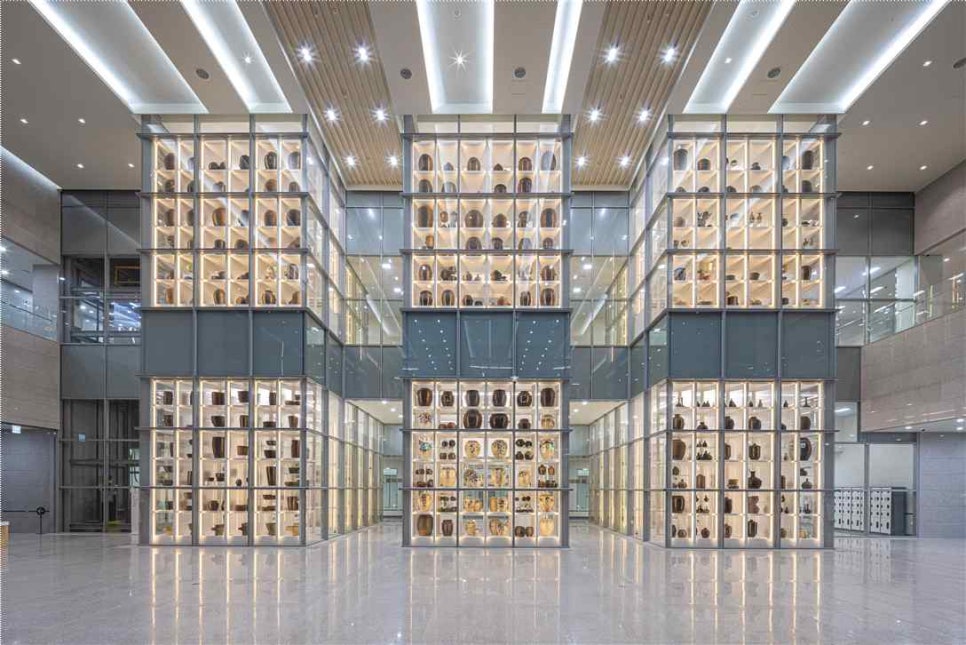
- Storage-hall talk
- In front of storage hall 4, 10:30–11:00am and 1:30–2:00pm. Pre-booked, 50 a day
- Beat the dokkaebi
- Outdoors, 11:00am, 1:30pm and 4:30pm, thirty minutes. Children wrestle a goblin blacksmith or carpenter, with a lucky draw. Names taken on site, 30 a day
- The storyteller and the dokkaebi
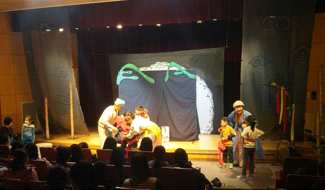
- Lobby, 3:00–4:00pm. A play drawing on Korean myth and folk tale. Walk in
- Broom making
- Education room 1, 10:10–11:00am and 2:10–3:00pm. Ramie brooms, 50 a day
- Folding a yut board
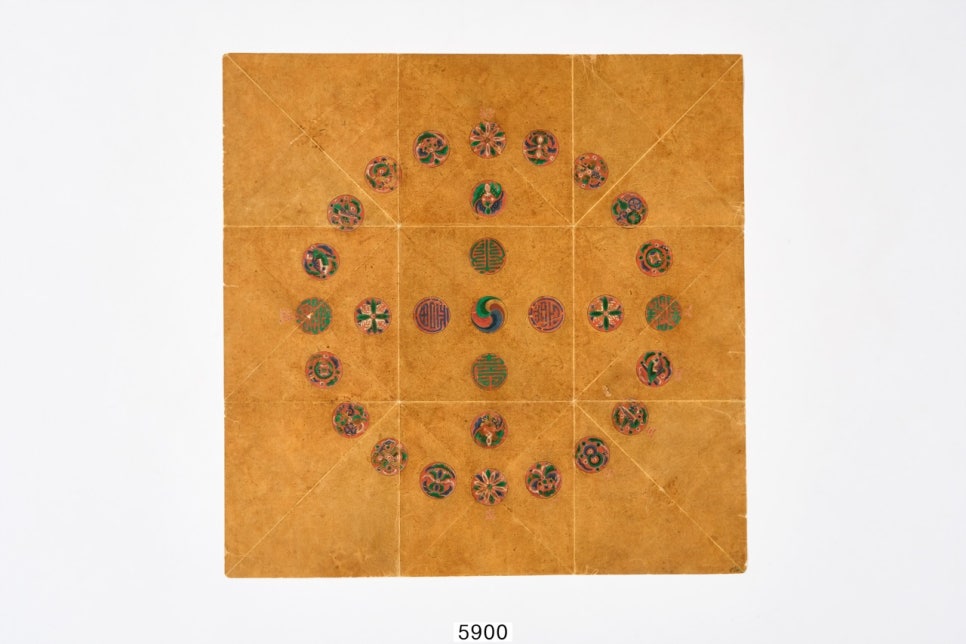
- Lobby, 10:00am, 1:00pm and 4:00pm, an hour each
Practical notes for the holiday weekend
- Closed on Friday 25 September, Chuseok day, at both sites. The festival is Saturday and Sunday only.
- No gallery talks from 24 to 27 September. Talk bookings resume on 28 September.
- Seoul opens 9:00am to 6:00pm from March to October, with last admission at 5:00pm, and to 8:00pm on Wednesdays. Paju opens 10:00am to 6:00pm, Tuesday to Sunday.
- Admission to both sites is free. Gyeongbokgung, next door to the Seoul museum, is ticketed separately.
- General admission needs no booking. The Paju children's museum runs timed sessions that do.
Locations differ slightly between the museum's own notices
Three activities are given different locations in the museum's news post and in the attachment to its press release — the photo booth, the games relay and the children's museum bus. All of them are within the Seoul grounds, so follow the signs on the day.
Frequently asked questions
- Q. Is the museum open on Chuseok day itself?
- No. Both the Seoul museum and the Paju site close on Friday 25 September. The festival runs on the Saturday and Sunday that follow, 26 and 27 September, and admission on those days is free.
- Q. Do I need to book?
- For almost nothing. Twenty-three of the twenty-five activities are walk-in. The exceptions are both at Paju: the storage-hall talk is booked in advance with fifty places a day, and the children's wrestling takes names on site with thirty.
- Q. Does it cost anything?
- No. Every activity is free and so is admission to both sites. The only thing nearby that charges is Gyeongbokgung Palace, which is a separate ticket and not part of the festival.
- Q. When can I see Cheoyongmu and Ganggangsullae?
- On Sunday 27 September at noon in the Seoul front yard, as part of the traditional performance gathering. Both are on the national intangible heritage list, and the Ganggangsullae sessions elsewhere in the programme invite visitors to join the circle.
- Q. Can I get a gallery talk over the holiday?
- No. Talks are suspended from 24 to 27 September at both sites and resume on 28 September. The festival activities themselves run as normal on the Saturday and Sunday.
Sources
- Official notice (Korean)
- Official page (Korean)
- Official page (Korean)
- Official page (Korean)
- Official page (Korean)
Written in our own words from the sources above, never copied from them, and every date and price checked against at least two pages. The originals are in Korean. Spotted a mistake? Ask for a correction.