Exhibition·Gyeongju National MuseumOn nowFree
Silla's gold crown is in Shanghai — free, until 18 January 2027
Summary
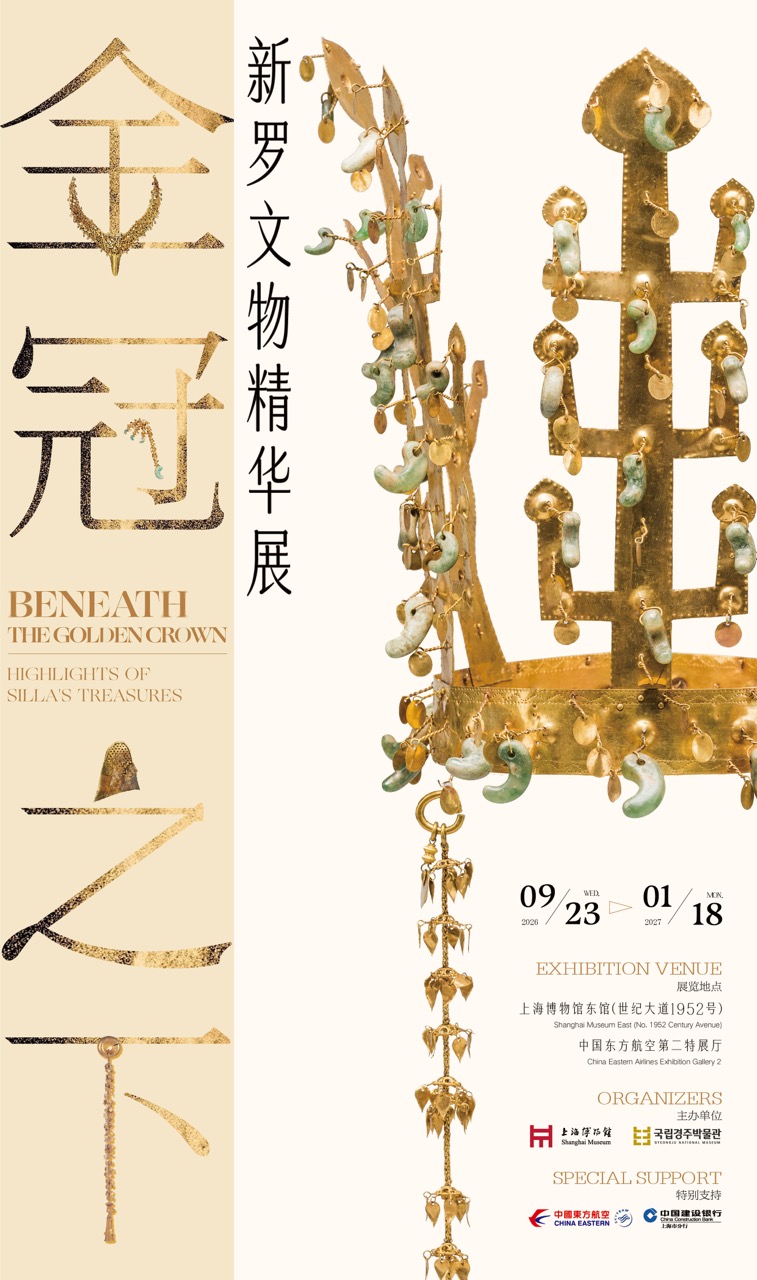
Gyeongju National Museum and the Shanghai Museum have opened Land of the Gold Crown: The Essence of Silla Cultural Heritage at the Shanghai Museum East Building. It runs from 23 September 2026 to 18 January 2027, closed on Tuesdays, and the Shanghai Museum is showing it free of charge. It is the first exhibition in China devoted to Silla alone: 251 objects in 88 lots, including five National Treasures and ten Treasures. For anyone planning Gyeongju instead, the practical consequence is the same fact read backwards — the Geumgwanchong gold crown and several of the museum's best-known pieces are out of the country until January.
Article
In short
- On until 18 January 2027, having opened on 23 September 2026. Closed every Tuesday.
- The venue is the Shanghai Museum East Building in Pudong, not the People's Square building — Special Exhibition Hall 2.
- Admission is free: the Shanghai Museum has said the show opens to the public free of charge.
- 251 objects in 88 lots, five of them National Treasures and ten of them Treasures, per Gyeongju National Museum.
- Labels are in Chinese and nothing has been announced in English, so read up before you go — and note the objects are out of Gyeongju until January.
Gyeongju National Museum and the Shanghai Museum have jointly opened Land of the Gold Crown: The Essence of Silla Cultural Heritage in the Shanghai Museum's East Building. It opened on 23 September 2026 and closes on 18 January 2027. Korean material has been exhibited in China before, but according to the Korean museum this is the first show there to treat Silla — the kingdom that ruled the south-east of the peninsula for roughly a thousand years, from the first century BCE — as a subject in its own right.
Which building: the East Building, not People's Square
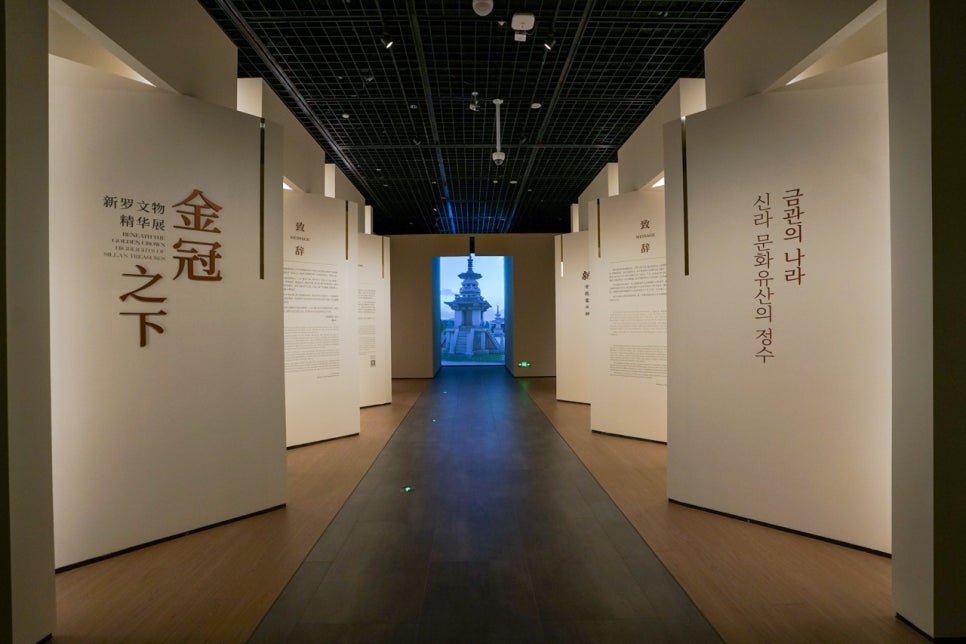
The Shanghai Museum is not one building. It has its original site on People's Square and the newer East Building in Pudong, and this exhibition is in the East Building, Special Exhibition Hall 2. The gallery is about 650 m². Go to People's Square and you will not find it.
Admission is free. China's state news agency Xinhua reported that the exhibition opens to the public free of charge from 23 September 2026. What is separate from that is how you get into the building at all: the Shanghai Museum operates its own admission and timed-entry arrangements for the East Building, and those can change. Check the museum's own channels shortly before you travel.
Why this particular crown
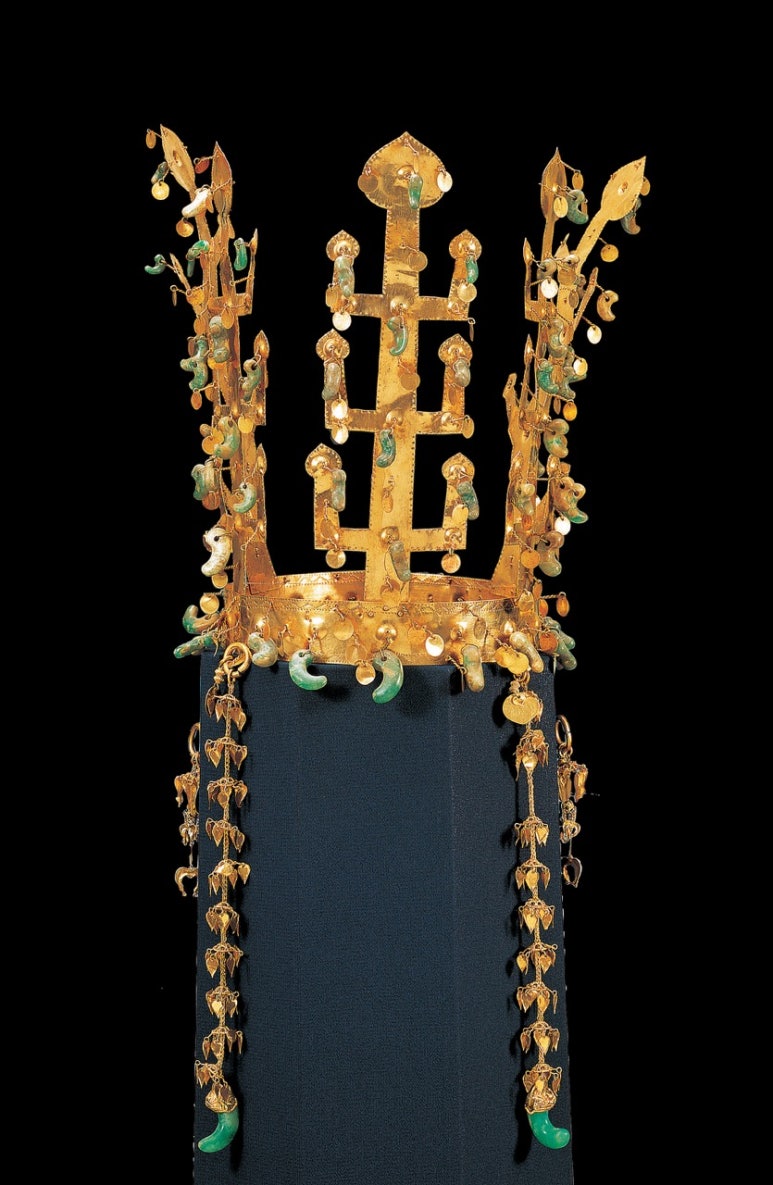
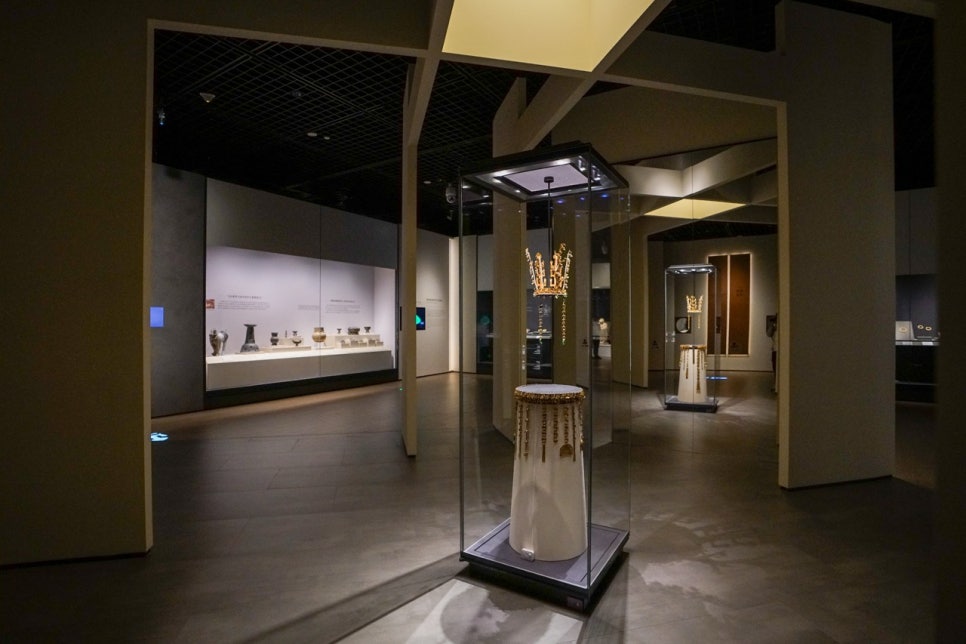
Several Silla gold crowns are designated National Treasures — from Seobongchong and Cheonmachong as well — so "the Silla gold crown" is ambiguous. The one now in Shanghai is the crown from Geumgwanchong. It turned up in 1921 during building work in the Noseo-dong district of Gyeongju, and it was the first Silla gold crown ever found; Gyeongju National Museum's own catalogue notes that the tomb was named Geumgwanchong, the gold crown tomb, precisely because this crown came out of it. It stands 27.5 cm high and belongs to the museum's collection as accession number Bongwan 9435.

Three sections: gold, exchange, Buddhism
The Paris version of this material walked through Silla's history in sequence, from its formation to the unification of the Three Kingdoms and the kingdom's fall. Shanghai compresses that into three themes instead, so what changes as you move through the rooms is the question rather than the century.
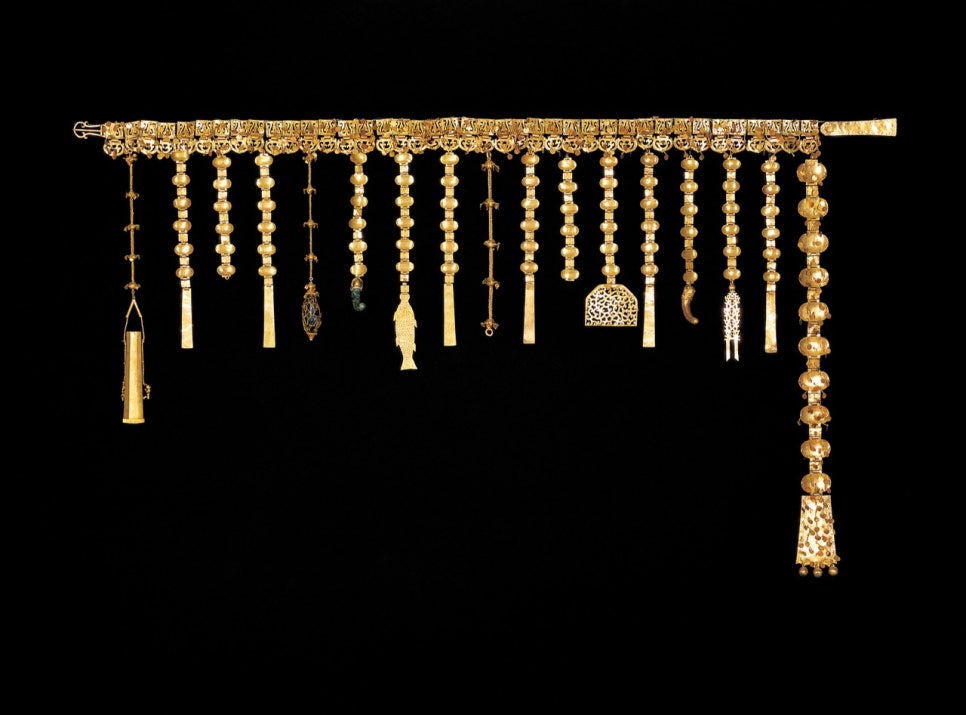
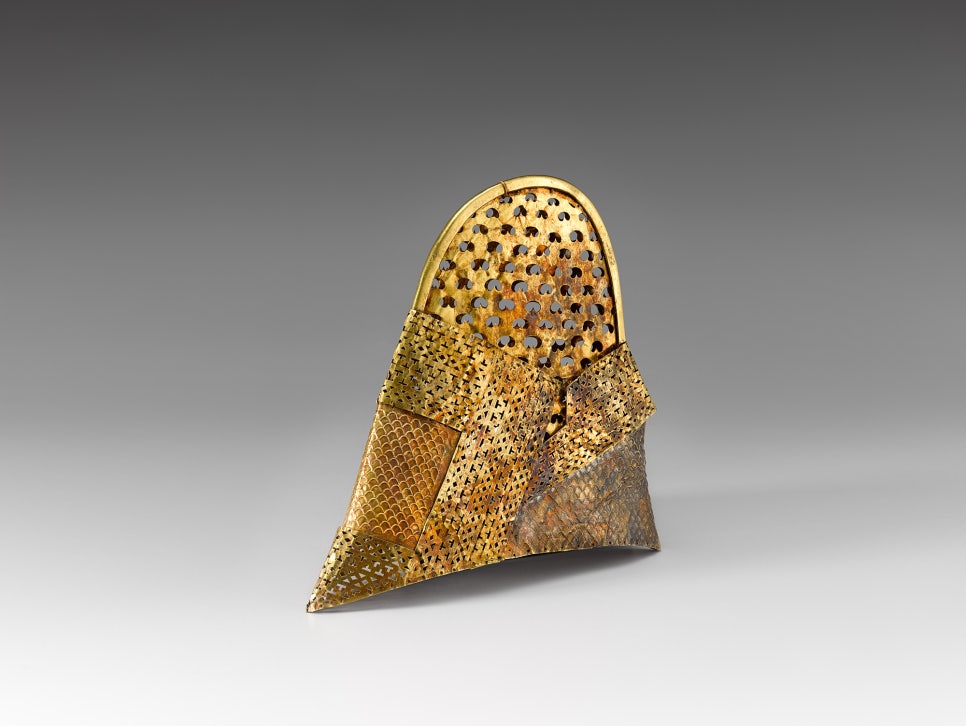
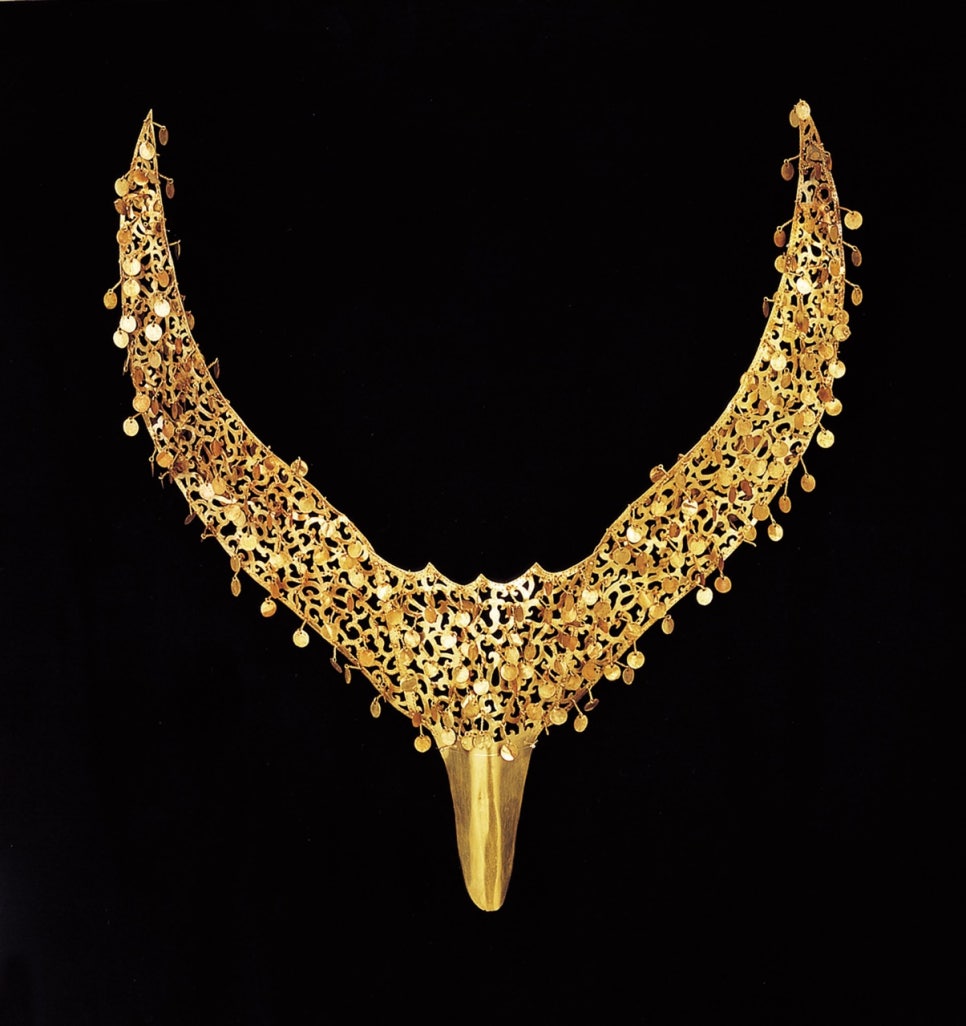
- Gold culture — crowns, gold ornaments and metalwork, standing for royal authority and for a distinctly Silla sense of form. The gold belt, cap and cap ornament found with the crown at Geumgwanchong are all National Treasures, and all are here.
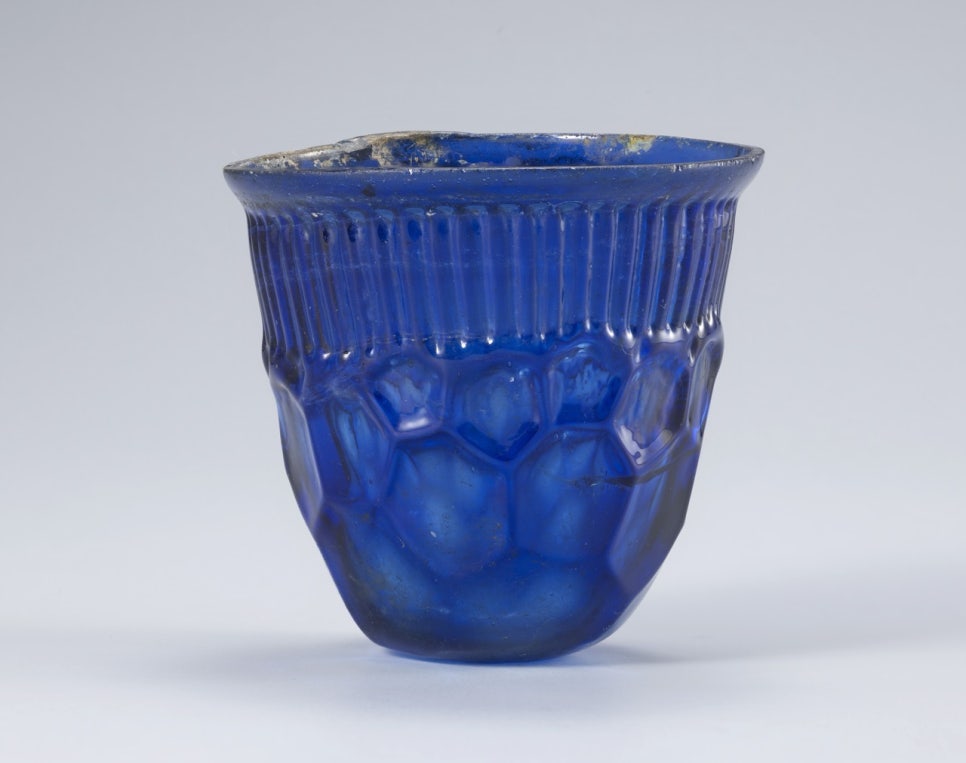
- External exchange — foreign-made objects excavated from Silla tombs. A glass cup from Cheonmachong (Treasure) was not made in Silla, and its presence in a royal tomb is the argument by itself.
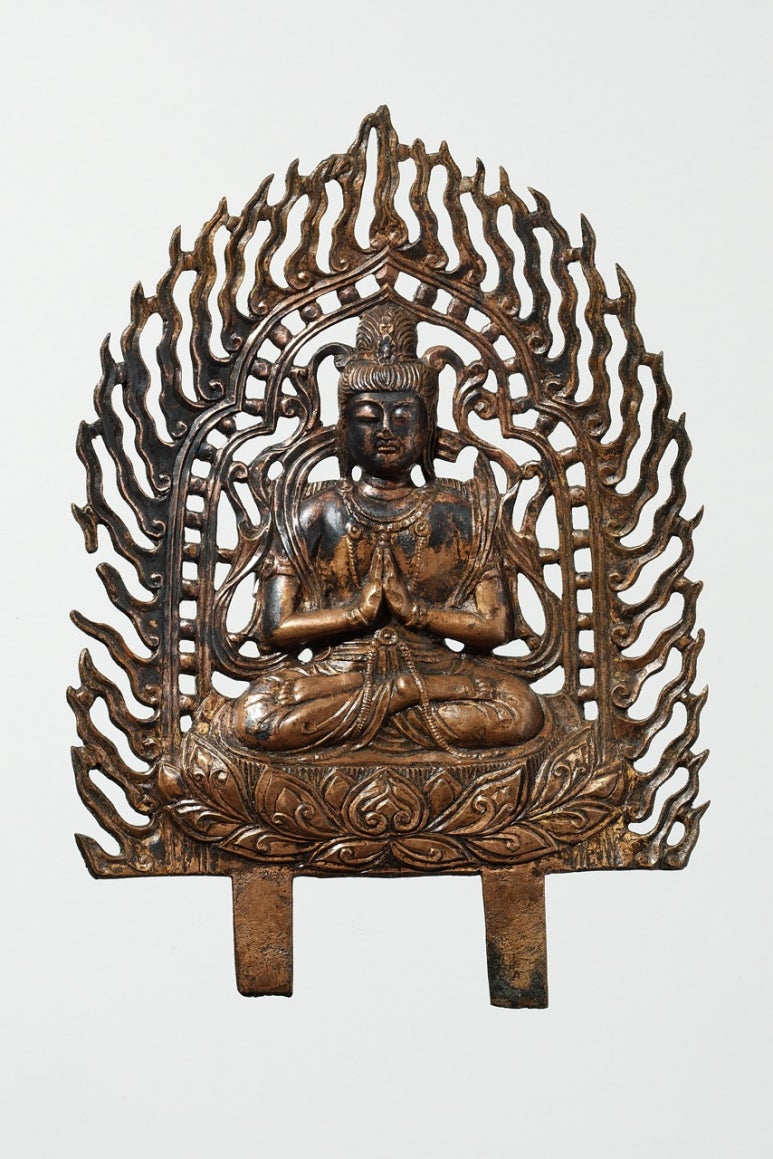
- Buddhist art — Buddhist images, metalwork and material from temple sites. A society that had announced its rulers in gold adopted Buddhism, and the show lets you follow that shift in taste in one continuous route.
How it differs from the Paris show
Shanghai is not a new commission but a touring stop. The previous one was Silla: Gold and Sacredness at the Musée Guimet in Paris, which opened on 20 May 2026 and closed on 31 August — the first Silla exhibition in Europe. The objects travel; the argument is rebuilt for each city.
Paris and Shanghai compared
- Musée Guimet, Paris (closed)
- Silla: Gold and Sacredness, 20 May – 31 August 2026 · a thousand years of history in sequence · adult admission €15 · 42,917 visitors
- Shanghai Museum (running)
- Land of the Gold Crown, 23 September 2026 – 18 January 2027 · compressed into three themes · free · closed Tuesdays
- What each claims
- Paris was the first Silla exhibition in Europe; Shanghai is the first in China devoted to Silla alone
Gyeongju National Museum makes a point of the Paris numbers: the show was ticketed at €15 for an adult and still drew nearly 43,000 people, and it was reviewed as a standalone exhibition by Le Monde and picked as an editors' choice by L'Officiel des spectacles. The museum's director, Yun Sang-deok, has said the Shanghai show matters because it is the first time Silla's thousand years have been presented comprehensively in China, and that he hopes it widens exchange between the two countries.
So what is actually in Gyeongju right now?
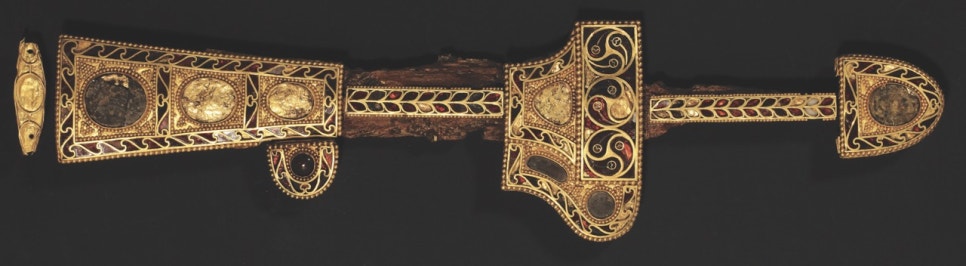
This is the part that matters if your trip is to Korea rather than to China. The Geumgwanchong crown and belt, the Gyerim-ro dagger, the Cheonmachong glass cup — objects people go to Gyeongju National Museum specifically to see — are in Shanghai until January 2027. If a particular object is the reason for your visit, ask the museum before you travel. The museum itself is unaffected and still free, and from March to October it stays open until 8pm on Saturdays, which is the best time to see the Divine Bell of King Seongdeok.
Sources count the objects differently
Gyeongju National Museum gives the size of the show as 251 objects in 88 lots, five National Treasures and ten Treasures among them. Chinese reports give a figure of 260, which appears to include Shanghai Museum pieces displayed alongside the loans. This article uses the Korean organiser's figure.
Getting there, and what to expect on the day
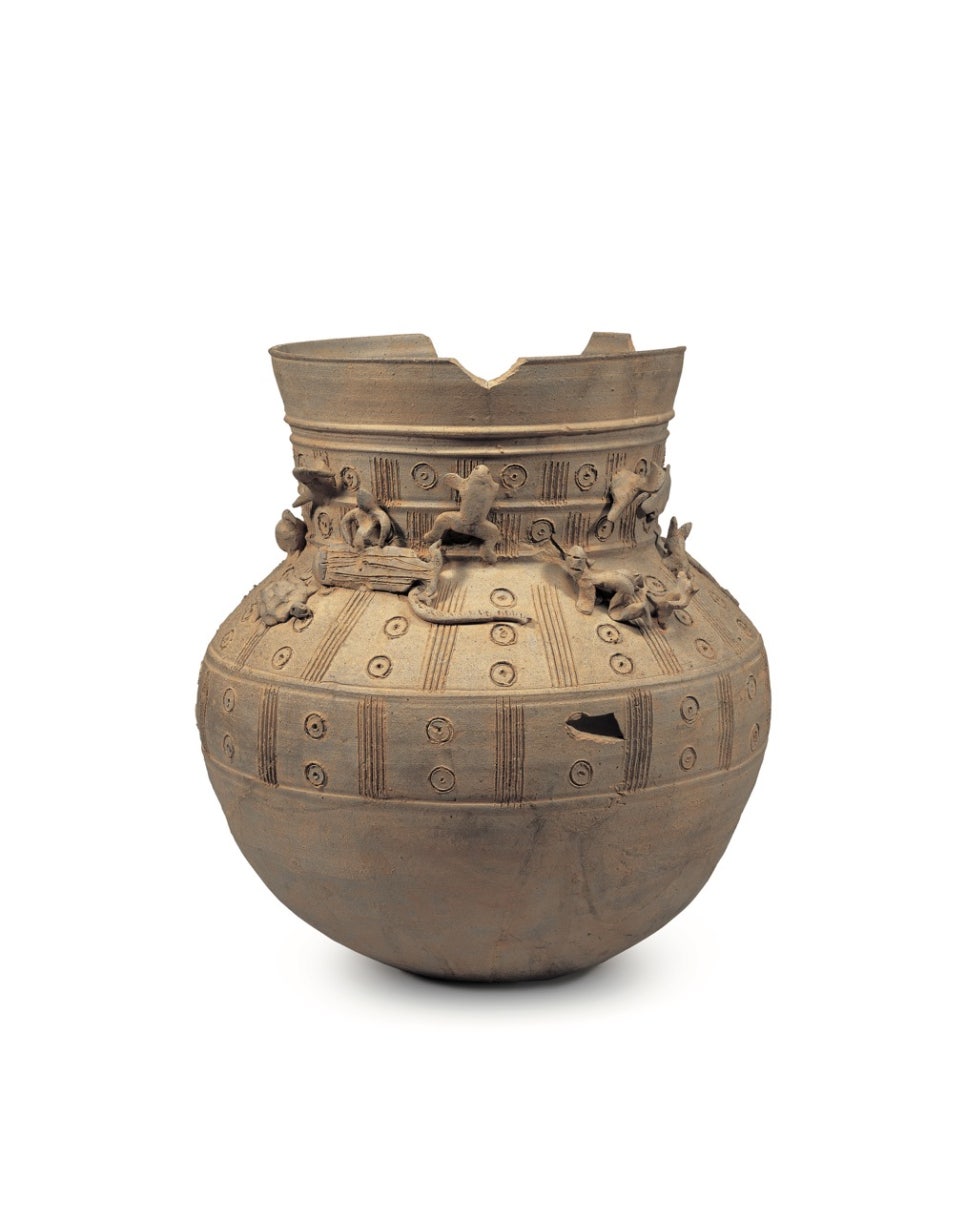
The Shanghai Museum East Building is in Pudong, on Metro Line 2 — the same line that runs from Pudong International Airport into the city, so it is straightforward on arrival or on a layover of a few hours. Nothing about the exhibition itself is ticketed, but the building's own admission arrangements are set by the Shanghai Museum and have at times required a timed slot booked in advance through Chinese platforms, which is the one step a short-stay visitor should check rather than assume. Inside, expect Chinese labels: the exhibition was built for a Chinese audience, the title is given in Korean and Chinese, and neither museum has announced English captions or an English audio guide. The objects carry themselves — gold, glass and clay need no caption — but if you want the argument as well as the things, read this page first. Tuesday is the closed day, and it catches people out because the Shanghai Museum's other building keeps different hours.
Frequently asked questions
- Q. When does the Silla exhibition in Shanghai close?
- 18 January 2027. It opened on 23 September 2026 and is closed every Tuesday.
- Q. Is there an admission charge?
- No. The Shanghai Museum has said the exhibition is open to the public free of charge from 23 September 2026. The museum's own building-entry arrangements are separate, so check its channels before you travel.
- Q. Which Shanghai Museum building is it in?
- The East Building in Pudong, Special Exhibition Hall 2 — not the original building on People's Square. The gallery is about 650 m².
- Q. Which gold crown went to Shanghai?
- The crown from Geumgwanchong, a National Treasure. Found in 1921 in Gyeongju, it was the first Silla gold crown ever excavated, stands 27.5 cm high and belongs to Gyeongju National Museum (Bongwan 9435).
- Q. Is it worth going if I do not read Korean or Chinese?
- Yes, if you are already in Shanghai — it is free, it is a short detour on Metro Line 2, and gold crowns, a Roman-looking glass cup and a jewelled dagger do not need labels. Do not plan a trip around it expecting English interpretation, because none has been announced. If your trip is to Korea instead, the useful takeaway is the reverse: these objects are away from Gyeongju until January 2027.
Editor's note · Kang Shin-wook
Two readers will want this. If you are in or heading to Shanghai, it is a free Korean archaeology show of a kind that rarely travels. If you are heading to Gyeongju, it tells you which famous objects will not be in the gallery when you get there. Opening hours and transport for the Korean museum are in our Gyeongju National Museum visiting guide.
Sources
- Official notice (Korean)
- Xinhua, Shanghai Museum's new exhibition focuses on Silla history and culture, 22 September 2026 (Chinese)
- Gyeongju National Museum visitor information (Korean)
Written in our own words from the sources above, never copied from them, and every date and price checked against at least two pages. The originals are in Korean. Spotted a mistake? Ask for a correction.