National museums · Ministry of Culture, Sports and Tourism
Gyeongju National Museum
A thousand years of Silla, free, and open to 8pm on Saturdays in the warmer half of the year
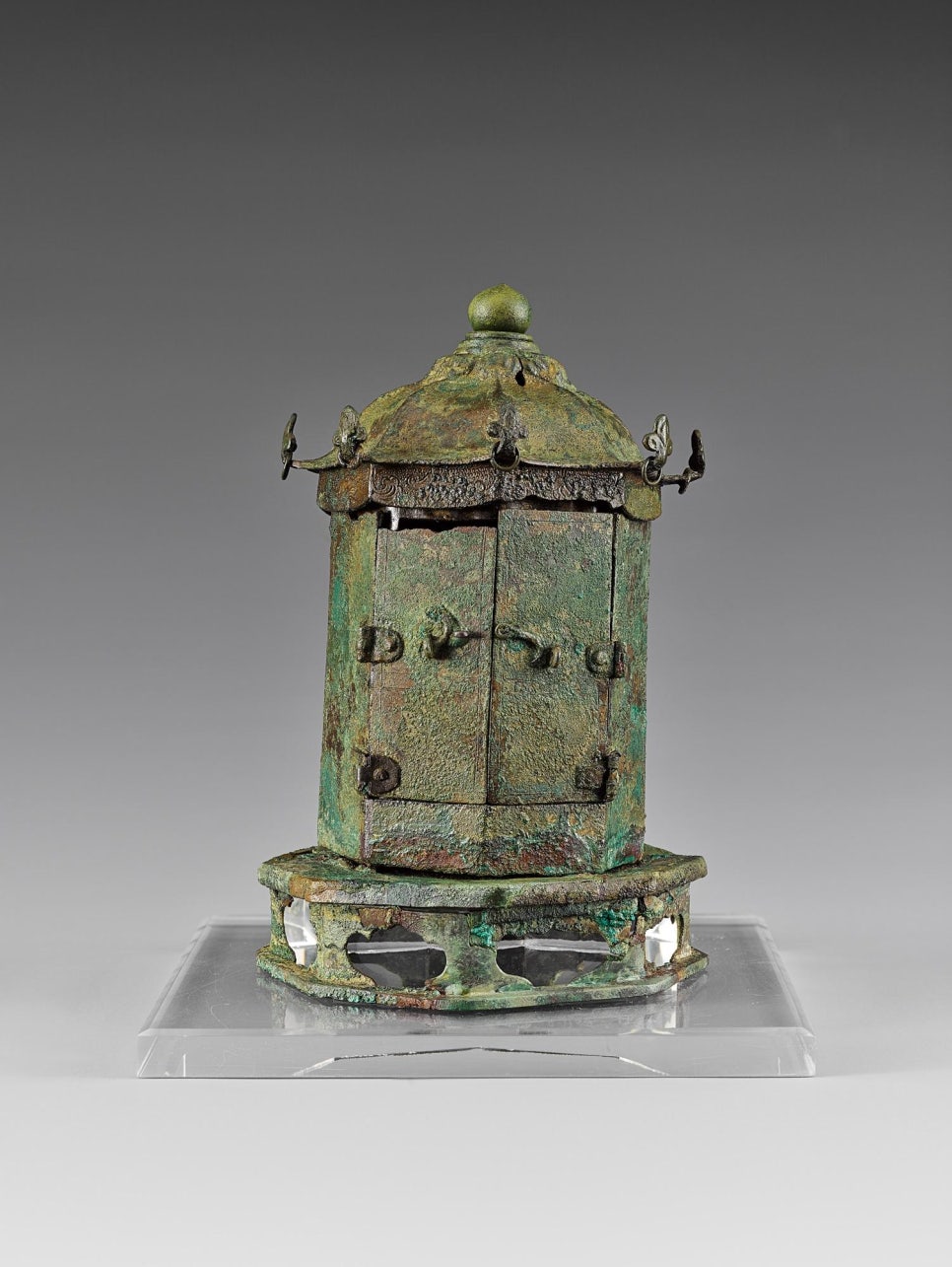
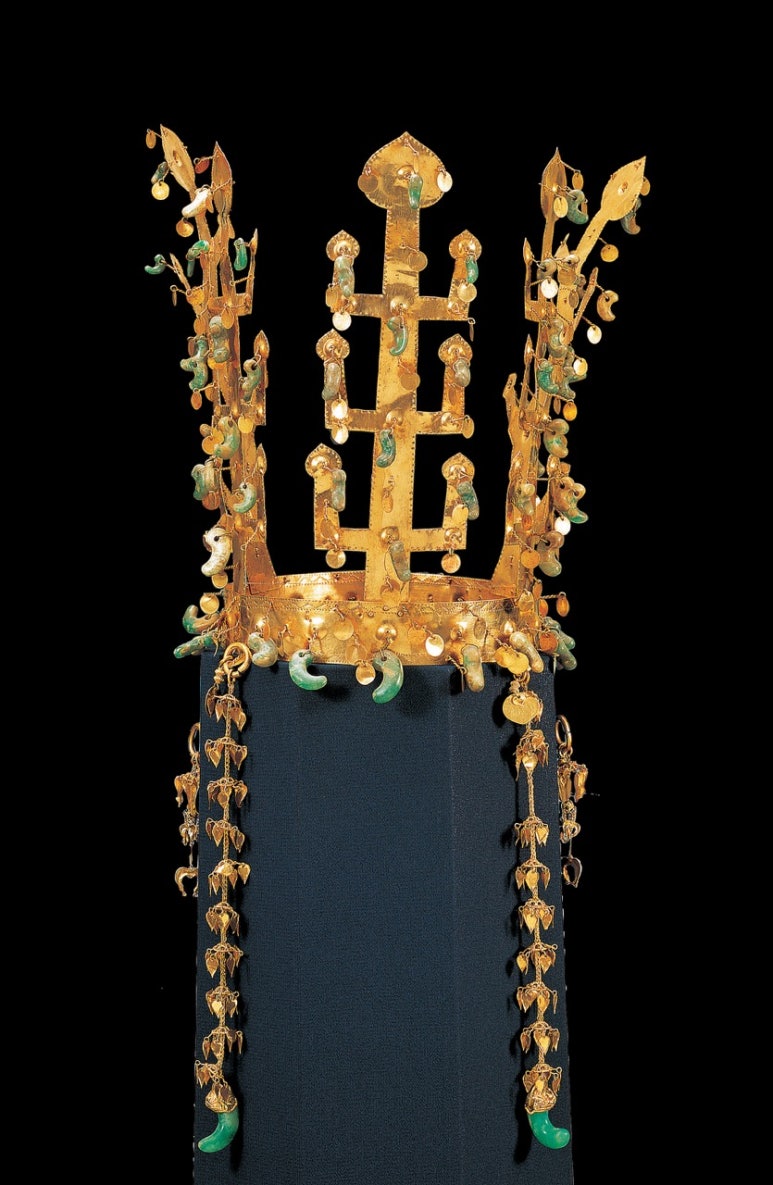
Gyeongju was the capital of Silla for nearly a thousand years, and this museum holds what has come out of the ground since — the gold crowns and girdles from the royal tombs, the Buddhist sculpture from the temple sites, and the Divine Bell of King Seongdeok, which hangs in its own pavilion outside and is one of the largest surviving bronze bells anywhere. Admission to all of it is free.
The museum works best as the anchor of a Gyeongju day rather than a stop on the way through: it is a short bus ride from the tumuli park, Anapji pond and the Silla palace site, all of which make far more sense once you have seen what came out of them. From March to October it stays open to 8pm on Saturdays, and the bell pavilion after dark is the reason to arrange the visit that way.
Visiting
- Hours
- 10:00 am – 6:00 pm (last admission 5:30 pm) Saturdays from March to October, extended 6:00 pm – 8:00 pm
- Closed
- 1 January, Seollal and Chuseok, when the outdoor galleries close too. The second Monday of March, June, September and December is a maintenance day, though the garden and outdoor galleries stay open
- Admission
- Free, covering the permanent galleries, the children's museum and the free special exhibitions. Only ticketed special exhibitions charge
- Address
- 186 Iljeong-ro, Gyeongju-si, Gyeongsangbuk-do
- Getting there
- Bus 711 from Gyeongju KTX station to the museum, or bus 700 to Donggung and Wolji and about three minutes on foot. From the intercity and express terminals: Woljeong 1 and 2, 11, 600 and 605
- From the airport
- From Incheon (ICN): AREX to Seoul Station and KTX to Singyeongju, about two and a half hours, then bus 711 — allow four hours in total. Gimhae (PUS) is closer: rail or bus to Gyeongju in about an hour and a half
- On Saturdays from March to October the museum is open until 8pm, and the Divine Bell of King Seongdeok lit after dark is worth staying for.
- The children's museum is booked; the main permanent galleries are not.
- Gyeongju is a KTX station away from Busan, which makes the museum an easy addition to a Busan trip.
Checked against the official pages on 2026-09-21. Hours and fees change — confirm before you travel. Official site
How much English you will find
- Gallery labels and the main interpretation panels are provided in Korean and English.
- The museum's English web presence is thinner than the Korean one; the Korean pages carry the current programme and any temporary closures.
- Gyeongju as a whole is well signed in English, being one of Korea's most visited historic cities, so getting between the museum and the tomb parks is straightforward.
Exhibitions and events
Full scheduleHow to visit
- 1
Do the museum before the tombs, not after
The gold crowns and grave goods here came out of the mounds you will walk around at Daereungwon, and the sculpture came from the temple sites. Seeing the objects first turns the mounds from grass hills into something legible, which is not true in the other order.
- 2
Take bus 711 from Gyeongju KTX station
Bus 711 runs from the KTX station to the museum directly, and bus 700 drops you at Donggung and Wolji, about three minutes' walk away. From the intercity and express terminals, routes Woljeong 1 and 2, 11, 600 and 605 all serve the area.
- 3
Avoid the second Monday of March, June, September and December
Those four days are maintenance days when the exhibition halls close, although the garden and the outdoor galleries stay open as usual. It is a different rule from the National Museum of Korea's first-Monday closure, so check the date rather than assuming.
Frequently asked questions
Is it free?
Yes — the permanent galleries, the children's museum and the free special exhibitions cost nothing, in line with every other national museum in Korea. Only separately ticketed special exhibitions charge, and they are clearly signed as such.
Should I come here before or after seeing the royal tombs?
Before. Almost everything in the gold gallery came out of the mounds at Daereungwon and the surrounding tombs, and the Buddhist sculpture came from the temple sites around the city. The mounds are much more interesting once you have seen what was inside them.
Which Mondays is it closed?
It is not a weekly Monday closure. The exhibition halls close on the second Monday of March, June, September and December for maintenance, with the garden and outdoor galleries still open, plus 1 January and the days of Seollal and Chuseok.