National museums · Ministry of Culture, Sports and Tourism
National Museum of Korea
Korea's largest museum, free to walk into, five minutes from Ichon Station
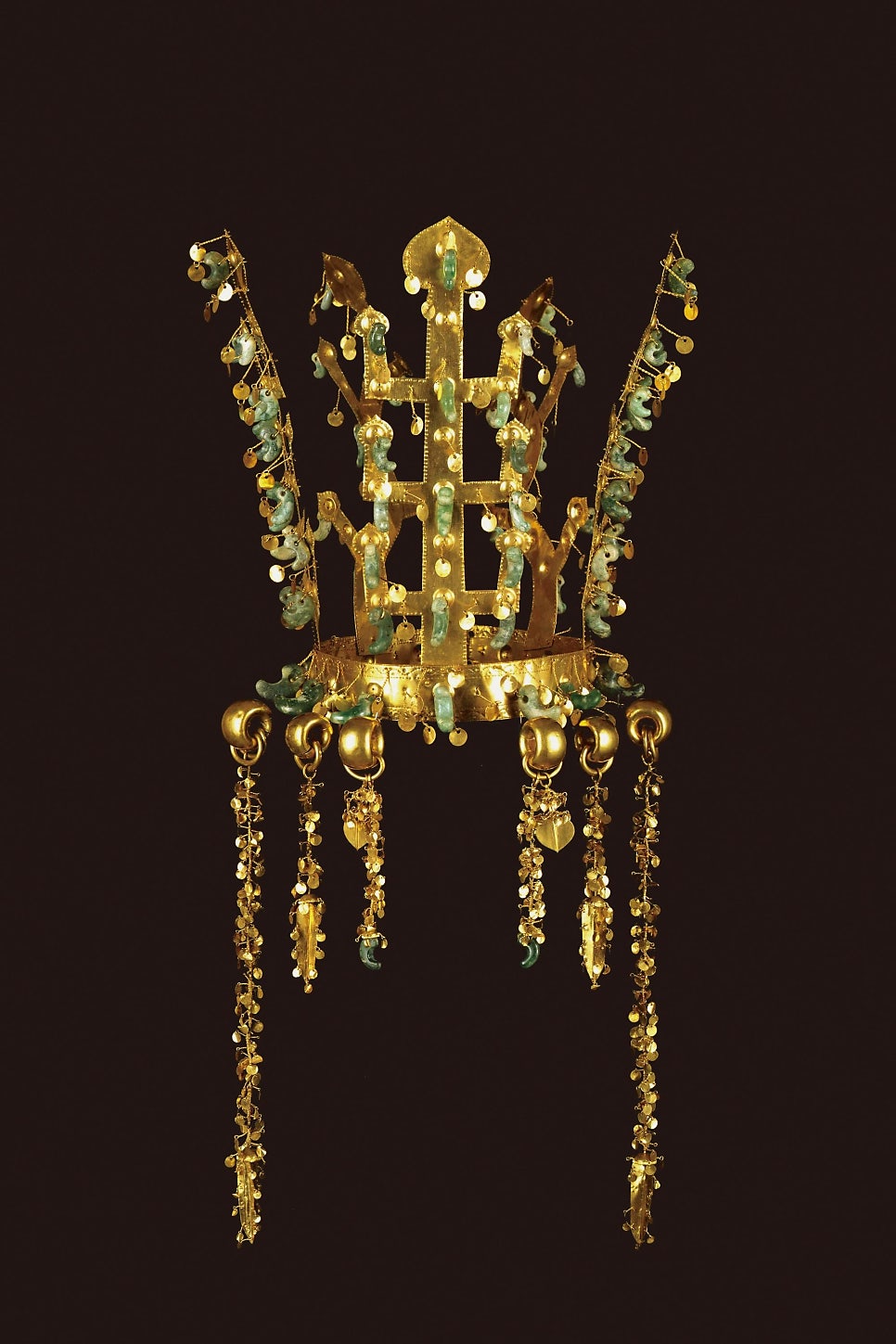
The National Museum of Korea holds the national collection — the gold crowns of Silla, the Baekje incense burner, the ten-storey pagoda from Gyeongsa Temple standing inside the building's full height — and charges nothing to see any of it. There is no ticket for the permanent galleries; you walk in past the desk and start. The building is long rather than tall, three floors of galleries strung along a single spine, which makes it easy to navigate and easy to underestimate: covering one floor properly takes about two hours.
It is a good first stop in Seoul precisely because it is free and open late twice a week. Wednesday and Saturday evenings run to 9pm, which is the quietest and by some distance the most pleasant time to be there. The grounds — a reflecting pool, a path of stone pagodas and lanterns, Yongsan Family Park beyond — open far longer than the galleries do, from early morning until late at night, and are worth the walk even if you arrive after the halls have closed.
Visiting
- Hours
- Mon, Tue, Thu, Fri, Sun 9:30 am – 5:30 pm (last admission 5:00 pm) Wed and Sat 9:30 am – 9:00 pm (last admission 8:30 pm) Outdoor grounds 7:00 am – 10:00 pm
- Closed
- 1 January, and the day of Seollal and of Chuseok. The permanent galleries and special exhibition halls 1 and 2 also close for maintenance on the first Monday of March, June, September and December (in 2026: 1 June, 7 September, 7 December)
- Admission
- Free, including the Children's Museum. Only the ticketed special exhibitions charge, and each sets its own price
- Address
- 137 Seobinggo-ro, Yongsan-gu, Seoul 04383
- Getting there
- Ichon Station on Line 4 or the Gyeongui–Jungang Line, Exit 2, then about 150 m through the covered Museum Path walkway — roughly five minutes, and entirely under cover
- From the airport
- From Incheon (ICN): AREX all-stop train to Seoul Station, change to Line 4 southbound, get off at Ichon. Around 75–90 minutes. From Gimpo (GMP): Line 9 to Dongjak, change to Line 4, one stop to Ichon — about 50 minutes
- Parking
- Paid car park on site; the official page publishes the rate and whether it is full
- Left luggage lockers are inside the entrance hall, which matters if you are coming straight from the airport.
- The ten-storey marble pagoda in the central hall is visible from every floor — use it to work out where you are.
- On a maintenance Monday the outdoor grounds and the path of pagodas stay open as normal.
Checked against the official pages on 2026-09-21. Hours and fees change — confirm before you travel. Official site
How much English you will find
- The permanent galleries are labelled in Korean and English throughout, and the museum publishes full visitor guides as PDFs in English, Chinese, Japanese, French, German and Spanish.
- A paid audio guide is available at the entrance, and the museum also publishes its own guide app. Languages and the rental fee are listed on the visitor-services page — check it on the day, as the line-up changes.
- Free guided tours in English are run from the Permanent Exhibition Hall, but the timetable changes with the season and with staffing; the guided-tours page carries the current times and is the only place worth trusting for them.
- Staff at the main information desk speak English, and the museum runs an English-language phone line on +82-2-2077-9000.
Exhibitions and events
Full schedule- 1 Sept – 29 NovNational Museum of Korea · Gochang Dolmen Museum, Seongju Seongsan-dong Tumuli Exhibition Hall, and Cheongdo MuseumNational treasures are touring three small county museums until late NovemberOn nowFree
- 23 Sept – 22 OctNational Museum of Korea · National Museum of Korea, permanent exhibition hall, room 304A leaping-carp water dropper at the NMK — free until 22 OctoberEnding soonFree
- 29 Sept – 29 NovNational Museum of Korea · National Museum of Korea museum shopBTS Dalmajung × National Museum of Korea goods — pop-up to 11 OctOn now
- 1 Oct – 31 JanNational Museum of Korea · Joseph Hotung Great Court Gallery, Room 35, British Museum, LondonThe British Museum's Korea show opens 1 October, the first of its size in Europe in four decadesOn now
- 7 Oct – 28 OctNational Museum of Korea · National Museum of KoreaWednesday-night curator talks at the National Museum of Korea — October, in KoreanOn nowFree
- 14 Oct – 28 OctNational Museum of Korea · National Museum of Korea, permanent galleries and the education wing, SeoulWednesday nights at the National Museum of Korea: what is open, and what needs KoreanOn nowFree
How to visit
- 1
Just turn up — there is no ticket to buy
The permanent exhibition halls and the Children's Museum are free and do not issue a ticket, so there is nothing to book and no queue to join. Go straight through the entrance hall and up. Only the ticketed special exhibitions, which occupy separate halls, need paying for, and each one sets its own price and its own booking arrangements.
- 2
Come on a Wednesday or Saturday evening if you can
Those two days the galleries stay open until 9pm instead of 5:30pm, with last entry half an hour before. It is the same museum with a fraction of the people in it, and the walk back down through the lit grounds to Ichon Station afterwards is one of the better things to do with a Seoul evening.
- 3
Check the maintenance closures before a March, June, September or December visit
On the first Monday of those four months the permanent galleries and two of the special exhibition halls shut for maintenance while the rest of the site stays open. It is an easy trap: the museum is otherwise open on Mondays, unlike most museums in Korea, so a Monday visit usually works — except on those four dates.
Frequently asked questions
Do I need to book, or buy a ticket in advance?
No. The permanent galleries and the Children's Museum are free and issue no ticket at all, so there is nothing to reserve and nothing to print. Advance booking only comes into it for the ticketed special exhibitions, which are separate halls with their own prices and their own arrangements — check the page for the specific exhibition you want.
Is the museum open on Mondays?
Yes, which makes it unusual in Korea — most national and regional museums close every Monday. The exceptions here are the first Monday of March, June, September and December, when the permanent galleries shut for maintenance, plus 1 January and the days of Seollal and Chuseok.
How long should I allow?
About two hours per floor if you read the labels, so a full visit is the better part of a day. If you only have an hour or two, the first floor — prehistory through to the Goryeo dynasty, including the Silla gold crowns — is the densest and the one most people come for.
Can I get there without changing trains twice from the airport?
Not really, but the changes are easy. From Incheon the AREX train runs straight to Seoul Station, where Line 4 is a signposted interchange, and Ichon is a few stops south. Both the AREX and Line 4 have English announcements and English signage throughout, and Ichon Station connects to the museum by a covered walkway so you never surface into the weather.
Official channels
Latest from National Museum of Korea
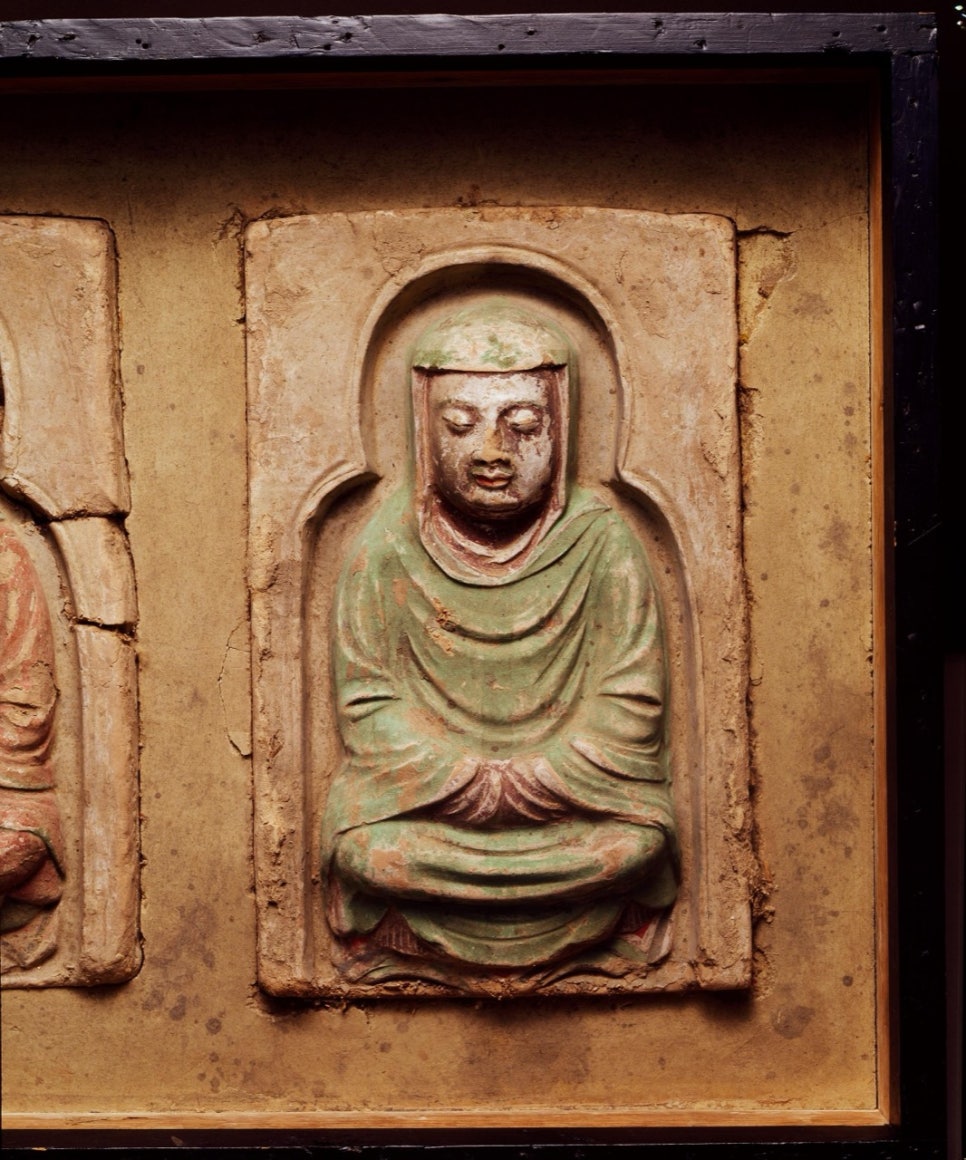 National Museum of KoreaExhibition17 October 2026In 5 daysFreeDunhuang sutras on show for the first time at the National Museum of Korea — free until 24 Jan
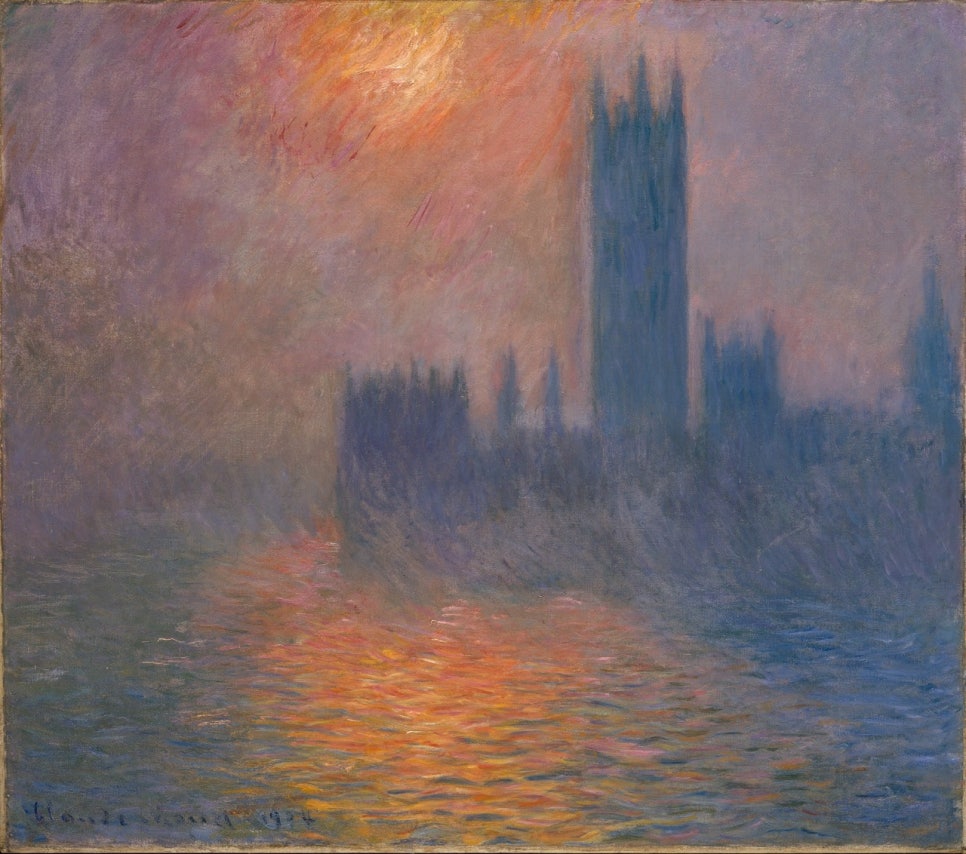 National Museum of KoreaExhibition14 October 2026In 40 daysKunsthaus Zürich masterpieces at the National Museum of Korea — KRW 12,000 early bird until 17 Dec
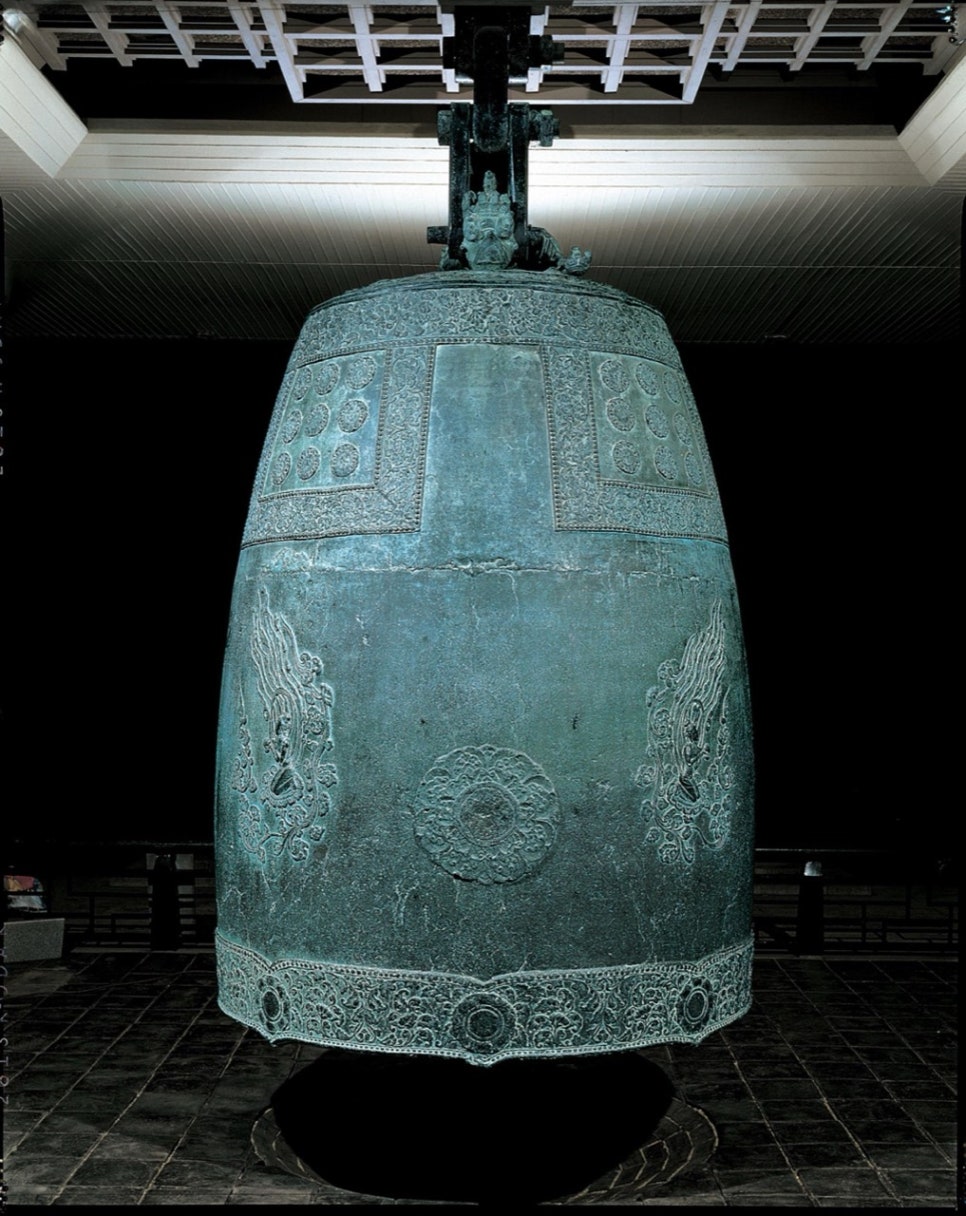 National Museum of KoreaNews10 October 2026MU:DS Regional Heritage Collection — 100 museum goods from 13 national museums
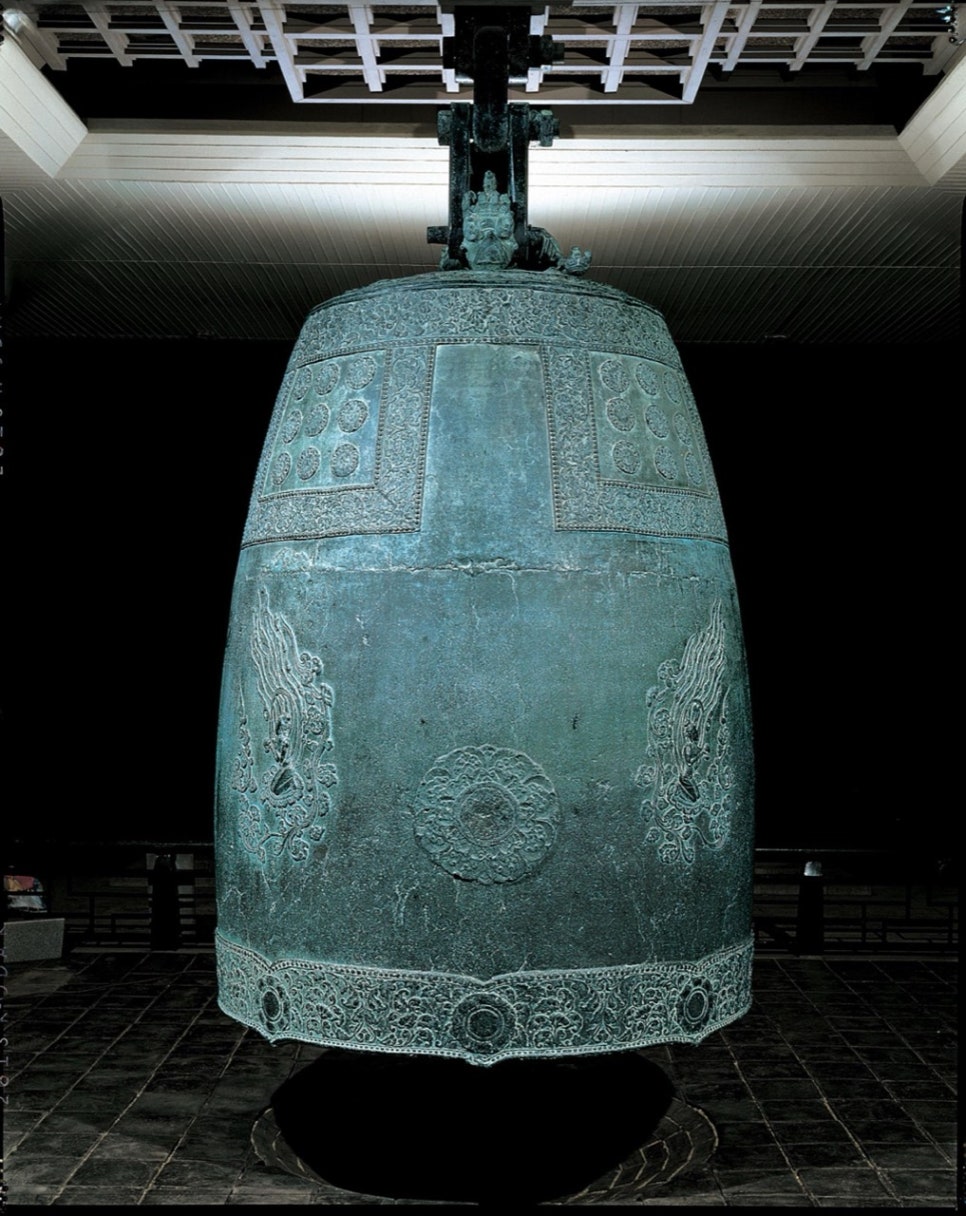 National Museum of KoreaEvent10 October 2026In 13 daysSori: the Seongdeok Bell in concert at the National Museum of Korea — 31 Oct & 1 Nov
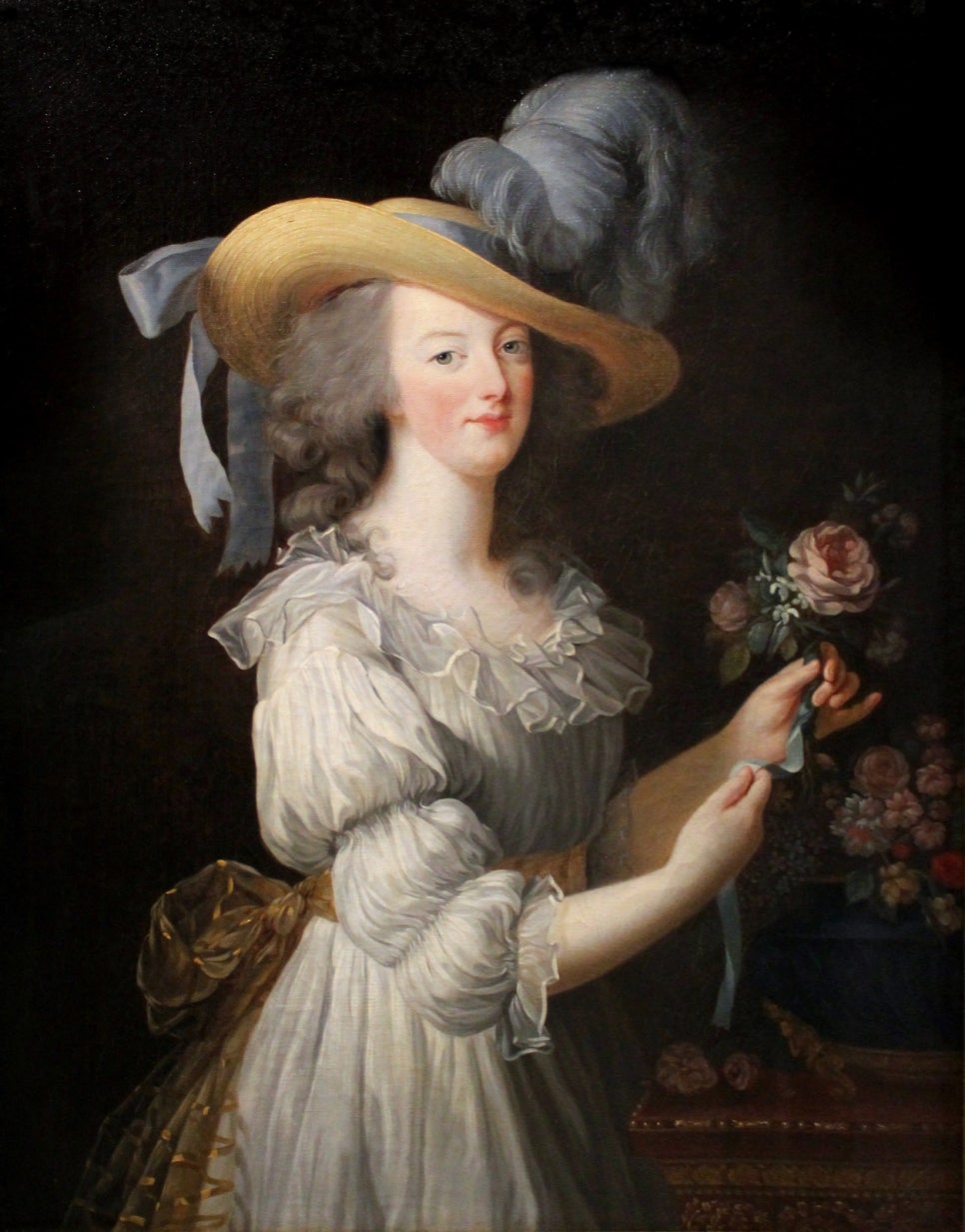 National Museum of KoreaExhibition6 October 2026In 61 daysMarie Antoinette Style at Seoul’s National Museum — from 18 Dec
 National Museum of KoreaProgramme3 October 2026On nowFreeWednesday-night curator talks at the National Museum of Korea — October, in Korean