Programme·National Museum of KoreaOn nowFree
Wednesday nights at the National Museum of Korea: what is open, and what needs Korean
Summary
The National Museum of Korea stays open until 9pm on Wednesdays and Saturdays, and it uses those evenings for programmes. This autumn's NMK Writing Club runs on three October Wednesdays, free, for fifteen people chosen from written applications closing on 27 September — and it is conducted in Korean. The drop-in Curator's Talk on the same evenings needs no application at all.
Article
In short
- The museum is open until 9pm on Wednesdays and Saturdays, with last admission at 8:30pm. The permanent galleries are free and need no ticket.
- The NMK Writing Club runs 14, 21 and 28 October, 7:00pm to 9:30pm, free, for fifteen adults — and it is conducted in Korean throughout.
- Applications close at 5pm on 27 September and are judged on the form rather than taken first come. Results go out by text on 2 October.
- The Curator's Talk runs on the same Wednesday evenings with no application at all, which is the accessible option if you are simply in Seoul that night.
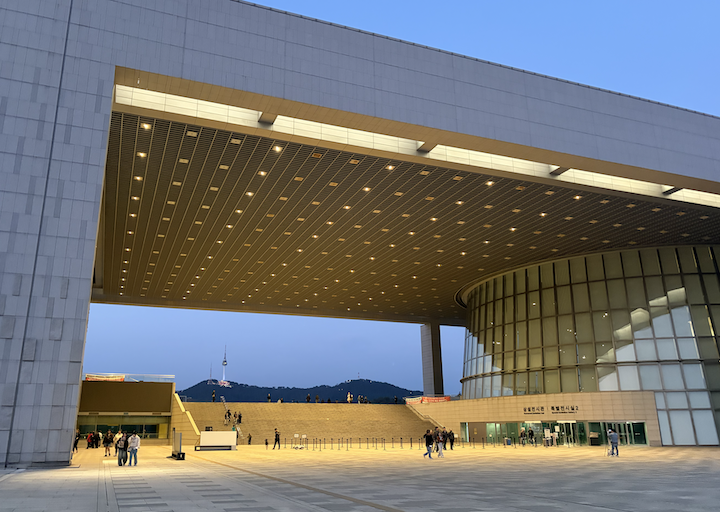
Twice a week the National Museum of Korea keeps its galleries open four hours later than usual, and those evenings are the best time to be in the building — the same free collection with a fraction of the weekday crowd. The museum programmes into that slot, and this autumn the headline programme is a three-session writing course. It is worth being clear about what a visitor can and cannot use.
The Writing Club: free, fifteen places, and in Korean
NMK Writing Club runs across three consecutive Wednesday evenings in October, from 7:00pm to 9:30pm, and costs nothing. Each session moves through the same three stages: looking at objects in the permanent galleries with a curator, discussing how different people read the same object, then writing and workshopping the results with a guest essayist. Places are capped at fifteen and awarded on the strength of a written application rather than by speed of clicking.

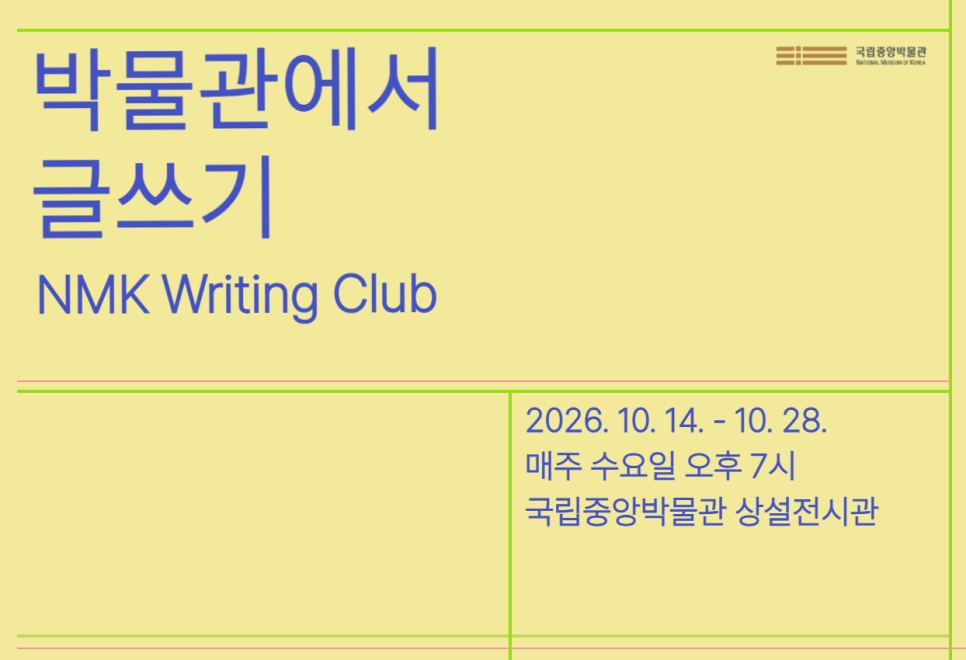
The practical limit for most readers of this page is language. The sessions, the discussion and the workshopping are all in Korean, and so is the application form. This is not a programme that works with partial Korean, and the museum does not offer an English equivalent of it.
Writing Club dates
- To 5pm, Sunday 27 September
- Applications close. The museum warns it may close earlier if applications reach a cap
- Friday 2 October
- The fifteen selected applicants are notified individually by text message
- Wednesday 14 October, 7:00pm
- Session one: looking at the galleries with a curator
- Wednesday 21 October, 7:00pm
- Session two: discussion and writing
- Wednesday 28 October, 7:00pm
- Session three: writing and workshop

The session breakdown is our reading, not the museum's
The museum describes the course as moving through viewing, sharing and writing, but does not publish a session-by-session curriculum. The table above lays those three stages against the three dates in order; the actual running order may differ.
What you can do on a Wednesday evening without applying
The Curator's Talk runs on the same evenings, lasts about half an hour, needs no application and costs nothing — you turn up at the stated place and listen. It is in Korean, but it is a drop-in rather than a commitment, and it sits inside a building that is free to walk around until 9pm regardless.

Writing Club compared with the Curator's Talk
- Getting in
- Writing Club: apply and be selected, fifteen places. Curator's Talk: turn up
- When
- Writing Club: three October Wednesdays, 7:00–9:30pm. Curator's Talk: Wednesday evenings, about thirty minutes
- Cost
- Both free. The permanent galleries are free too; only ticketed special exhibitions charge
- Language
- Both in Korean
- Catch
- Writing Club: applications close 27 September. Curator's Talk: topic and location can change
Practical details for the evening
- Opening hours: 9:30am to 9:00pm on Wednesdays and Saturdays, last admission 8:30pm. Other days it closes at 5:30pm.
- Closed on 1 January and on the days of Seollal and Chuseok. In 2026 that includes Friday 25 September.
- The permanent galleries are free and issue no ticket. Only ticketed special exhibitions charge.
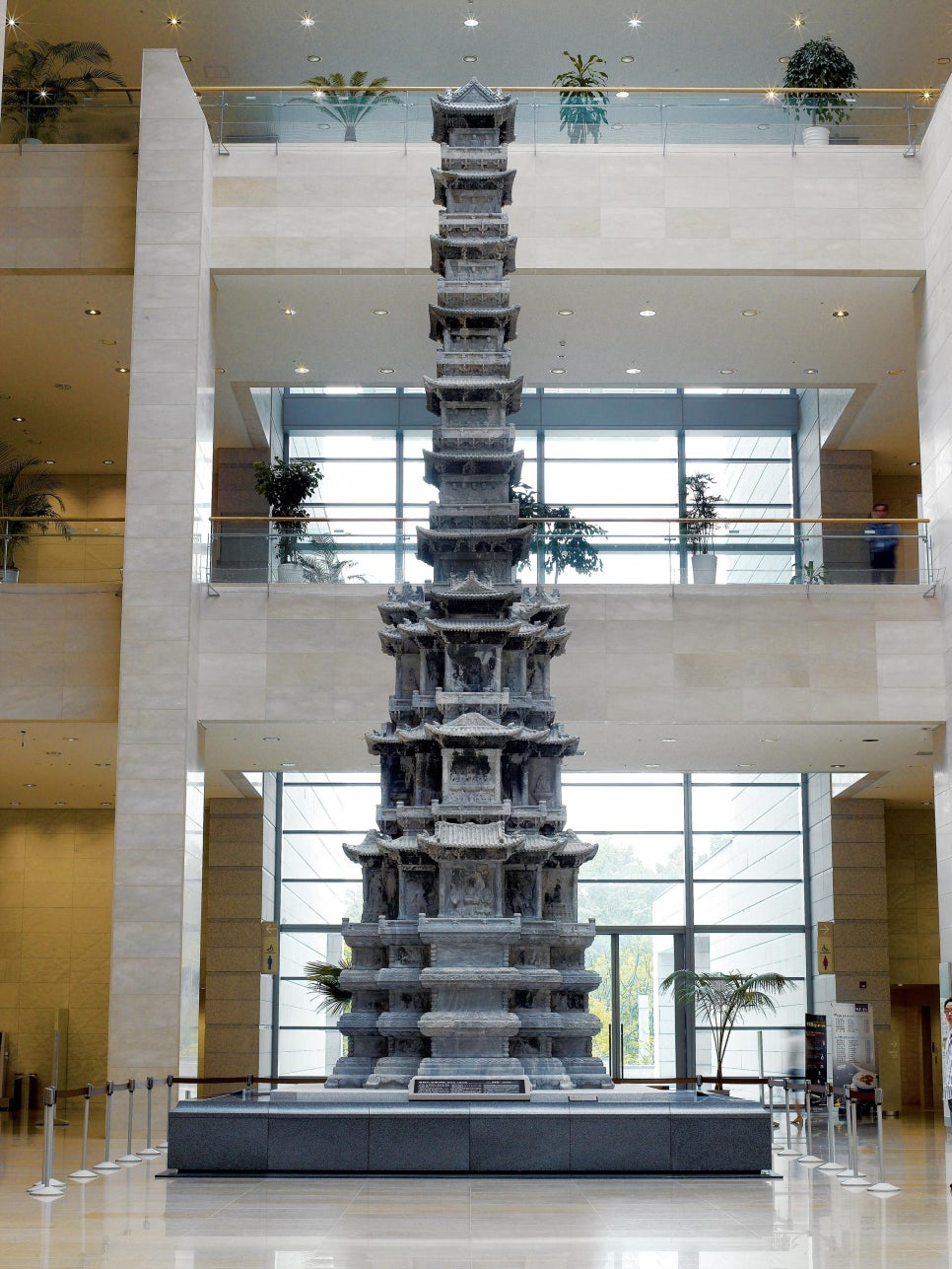
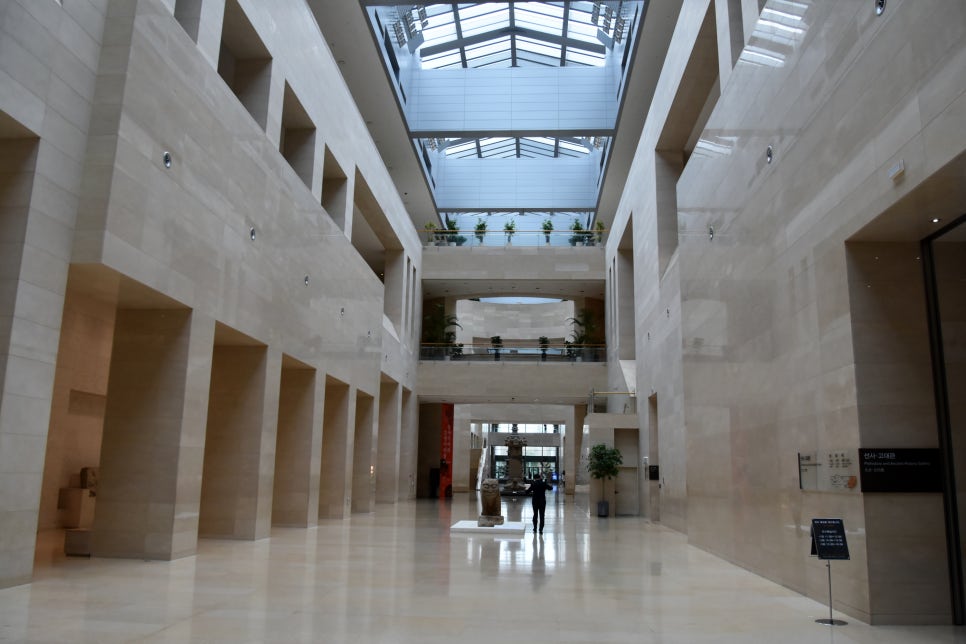
- The outdoor grounds open 7:00am to 10:00pm daily, so the reflecting pool and the stone pagodas are walkable after the galleries close.
Frequently asked questions
- Q. Can I join the Writing Club if I do not speak Korean?
- Realistically, no. The sessions, the discussion and the workshopping are conducted in Korean and the application form is Korean-only. The museum does not run an English-language equivalent, so the Wednesday evening opening and the drop-in Curator's Talk are the parts of the programme that are open to everyone.
- Q. Does it cost anything?
- No. The Writing Club is free, the Curator's Talk is free, and the permanent galleries are free with no ticket issued. Only separately ticketed special exhibitions charge, and those are optional.
- Q. Is it first come, first served?
- No, which is unusual. Fifteen places are awarded on the basis of the written application, and everyone is notified individually by text on 2 October. The museum does warn that applications may close early if enough come in.
- Q. Which evenings is the museum open late?
- Wednesday and Saturday, until 9:00pm, with last admission at 8:30pm. Those are the quietest hours the museum has and the reason to plan a visit around them if your schedule allows.
Sources
- Official notice (Korean)
- Official page (Korean)
- Museum hours and admission (Korean)
- Official page (Korean)
Written in our own words from the sources above, never copied from them, and every date and price checked against at least two pages. The originals are in Korean. Spotted a mistake? Ask for a correction.
Latest from National Museum of Korea
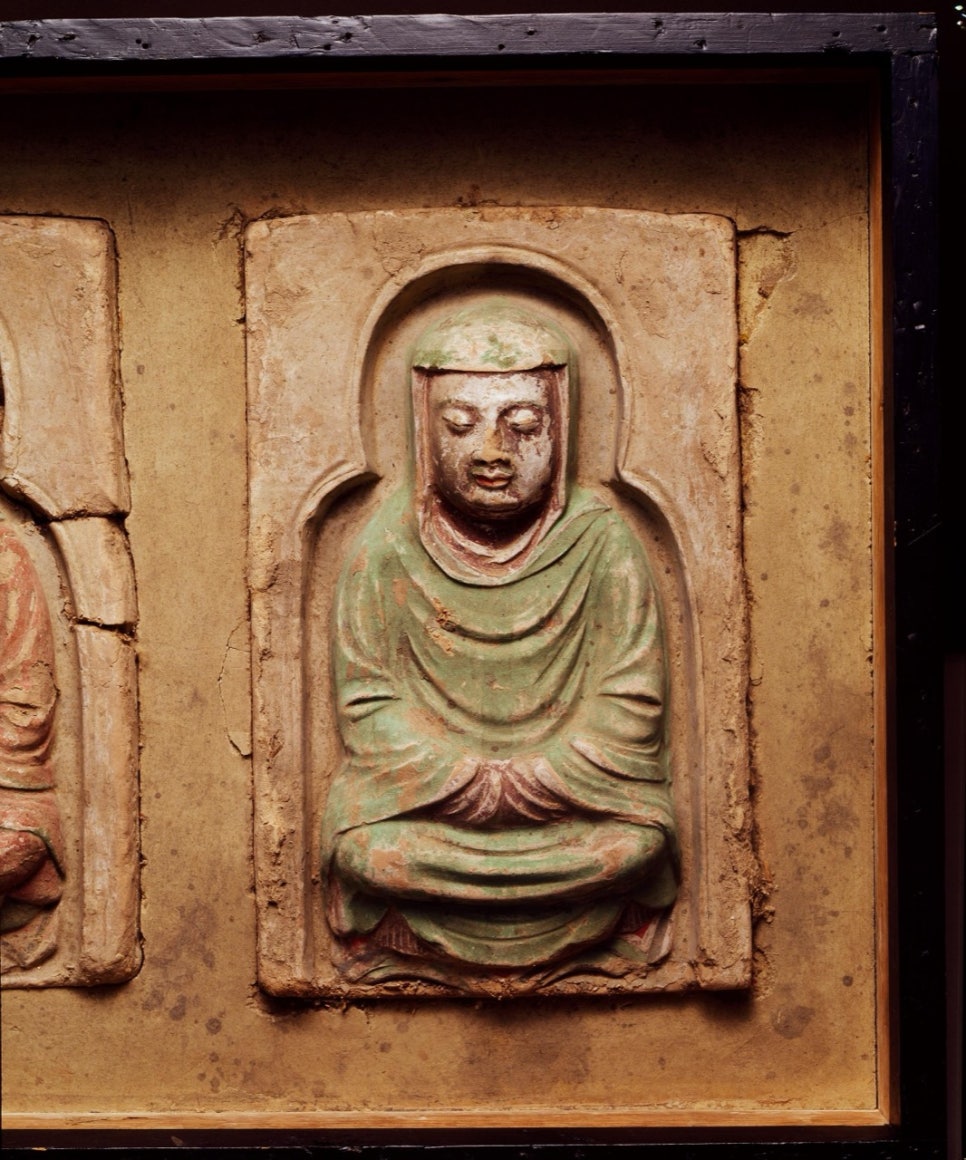 National Museum of KoreaExhibition17 October 2026In 5 daysFreeDunhuang sutras on show for the first time at the National Museum of Korea — free until 24 Jan
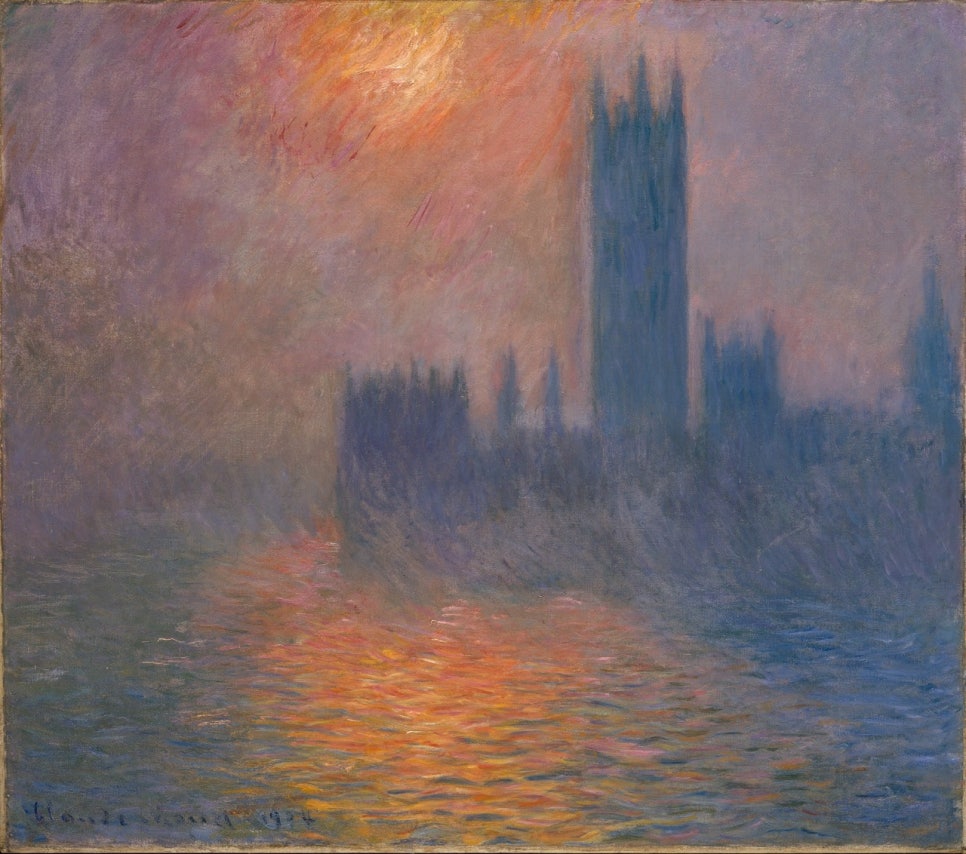 National Museum of KoreaExhibition14 October 2026In 40 daysKunsthaus Zürich masterpieces at the National Museum of Korea — KRW 12,000 early bird until 17 Dec
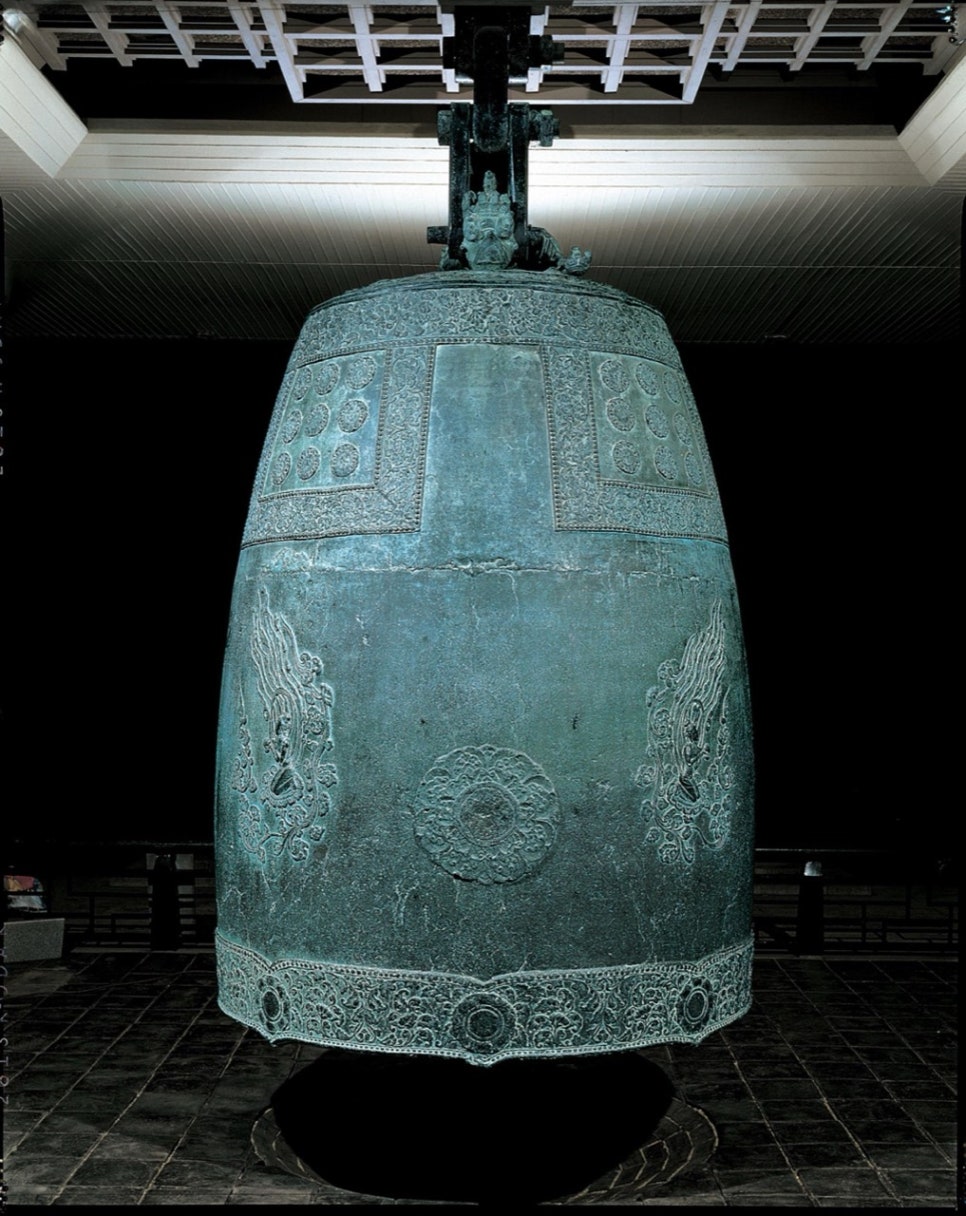 National Museum of KoreaNews10 October 2026MU:DS Regional Heritage Collection — 100 museum goods from 13 national museums
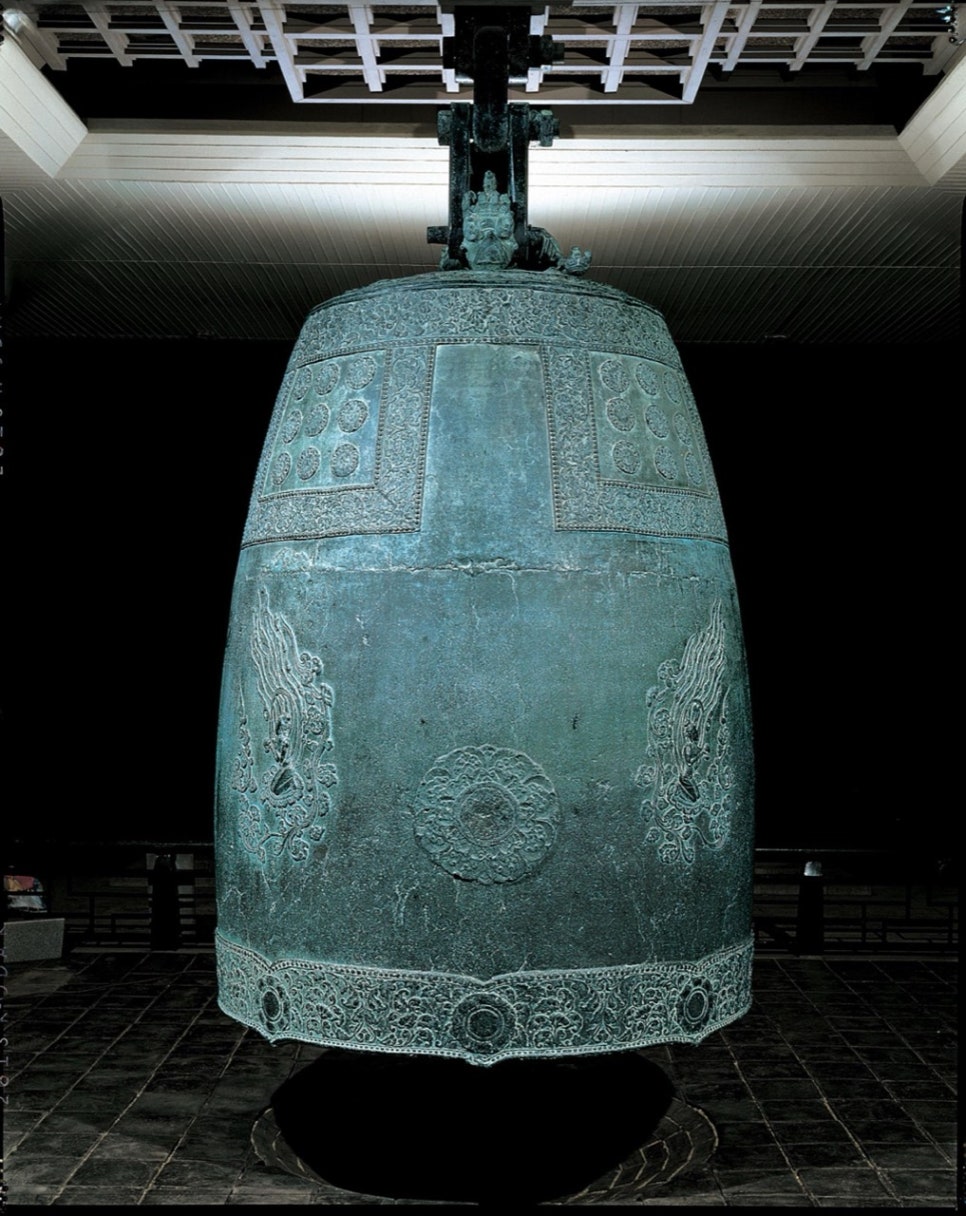 National Museum of KoreaEvent10 October 2026In 13 daysSori: the Seongdeok Bell in concert at the National Museum of Korea — 31 Oct & 1 Nov