Exhibition·National Museum of KoreaIn 5 daysFree
Dunhuang sutras on show for the first time at the National Museum of Korea — free until 24 Jan
Summary
The National Museum of Korea in Seoul is putting four Buddhist sutra scrolls from Dunhuang on public display for the first time, in its Central Asia Gallery from 23 October 2026 to 24 January 2027. The museum has owned them since 1913, and one, the Treatise on the Great Wisdom, chapter 12, is thought to have been copied in 593 under the Sui dynasty. The display is inside the free permanent galleries, so there is no ticket and no booking for individual visitors: walk in. The catch for non-Korean readers is the labelling — the museum's English page lists the display, but whether the case labels are bilingual had not been announced.
Article
In short
- The National Museum of Korea's display “Breaking the Seal of a Thousand Years: Buddhist Manuscripts from Dunhuang” runs from Friday 23 October 2026 to Sunday 24 January 2027 in the Central Asia Gallery on the 3rd floor of the Permanent Exhibition Hall.
- Four Dunhuang sutra scrolls the museum has held since 1913 — the Treatise on the Great Wisdom, the Sutra on the Great Perfection of Wisdom, the Sutra of the Heroic March and the Sutra on the Names of the Buddhas — go on public view for the first time; with Meditating Monks and other pieces the museum counts 8 objects in 3 groups. One of them, the Treatise on the Great Wisdom, chapter 12, is thought to have been copied in 593 under the Sui dynasty.
- Because it sits inside the permanent galleries there is no admission charge, and individual visitors do not need to book.
- The museum stays open until 9 pm (last entry 8:30 pm) on Wednesdays and Saturdays, and the permanent galleries are closed on Monday 7 December 2026.
- For visitors who do not read Korean: no ticket, booking or Korean phone number is needed, and the museum's English site lists the display — but English labelling for the cases themselves had not been announced when we checked.
Four Buddhist sutras from Dunhuang, copied out by hand, are leaving the National Museum of Korea's storerooms for the first time in more than 110 years. After years of conservation and a research report published at the end of 2025, the museum is giving them a three-month display in its Central Asia Gallery from 23 October. It is a rare chance to see, free of charge in Seoul, paper scrolls that lay sealed in a cave in the Silk Road oasis of Dunhuang for nearly a thousand years.
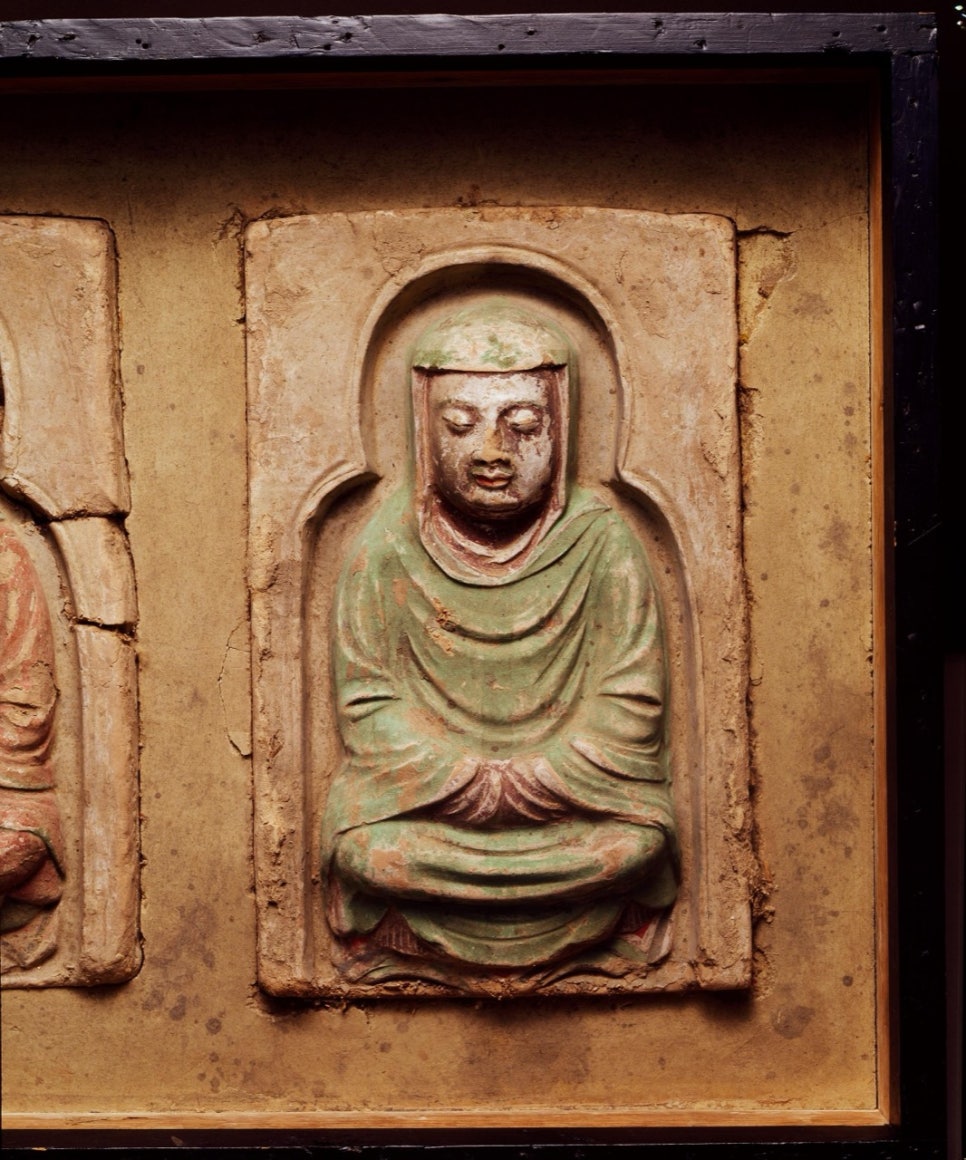
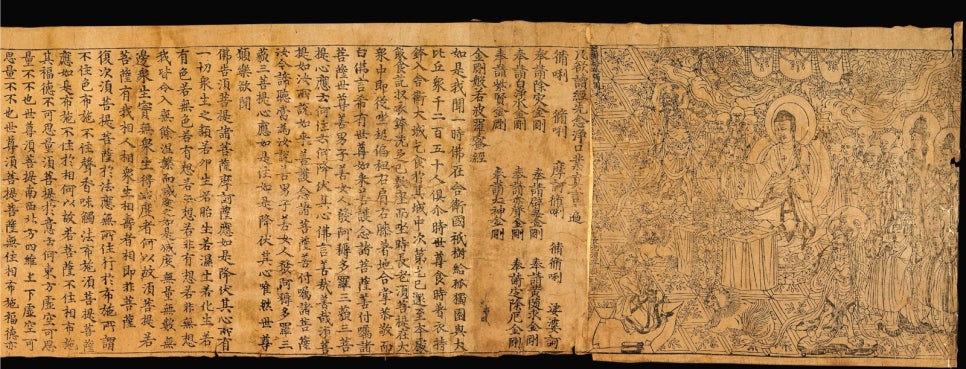
Which four Dunhuang sutras are on show?
All four are scrolls written in ink on paper, and they share a single accession number (Deoksu 4555). The display uses short titles, so the table gives the full sutra name and chapter identified in the museum's report.
The four Dunhuang sutras (from the museum's research report)
- Short title in the display
- Full title and chapter
- Treatise on the Great Wisdom
- Dazhidu lun (Treatise on the Great Perfection of Wisdom), chapter 12 — the opening is lost and only about the last quarter survives; a colophon beginning “13th year of Kaihuang” dates the copy to 593, Sui dynasty
- Sutra on the Great Perfection of Wisdom
- Mahāprajñāpāramitā Sūtra, chapter 136
- Sutra of the Heroic March
- Śūraṅgama Sūtra, chapter 5
- Sutra on the Names of the Buddhas
- Sutra Spoken by the Buddha on the Names of the Buddhas (16-chapter version), chapter 7
So that researchers abroad can cite the same manuscripts, the museum has given each scroll a new identifier in the form “NMK DH 101”. This display is the first time the report's findings have been put in front of the public.
Where did the Dunhuang sutras come from? The Library Cave at Mogao
Dunhuang is an oasis city in Gansu Province, China, and was a gateway on the Silk Road. Cave 17 of the Mogao cave temples there was a chamber in which scriptures and documents were stacked and then walled up, which is why it is called the Library Cave. In 1900 the Taoist priest Wang Yuanlu, who looked after the caves, stumbled on the hidden room behind a wall, and tens of thousands of manuscripts and paintings came to light.

Aurel Stein of Britain in 1907 and Paul Pelliot of France in 1908 then carried off large quantities of documents, scattering the cave's contents to London, Paris, Beijing and beyond — and giving rise to a field of its own, Dunhuang studies.
How did the sutras reach a museum in Korea?
According to an old collection card the report traces, the Yi Royal Family Museum bought the four scrolls on 1 December 1913 for 200 yen from Uratani Seiji, a Japanese antiques dealer working between Dalian and Seoul. The card records their find-spot as “discovered in the Dunhuang stone chamber”.
- Its first inventory number was 9946; it became “Deoksu 4555” in 1938, when the collection moved from Changgyeonggung Palace to Deoksugung Palace.
- It did not come with the Otani collection of the Government-General Museum, which makes up most of the National Museum of Korea's Central Asian holdings.
- Kept among a collection devoted mainly to Korean art, it went largely unnoticed for decades.
- The report suggests it may be linked to documents siphoned off in 1910, when the remaining Dunhuang papers were being moved to Beijing. That is a hypothesis, not a settled finding.
The provenance comes from a single source
The purchase date, price, dealer and old inventory number are from the museum's report (PDF, 22 December 2025); we have not found them in any other public source yet. If the gallery text says otherwise, go by what is on the wall.
Why are they only being shown now?
Because of their condition. An inspection in 2015 found the paper joins separating, stains and discoloration, and the paper itself weakened, so conservation began. As that work neared completion in the second half of 2024, the museum's World Arts Division began detailed research; after an expert review in March 2025 it published the report “Buddhist Manuscripts from Dunhuang in the National Museum of Korea” (not for sale, 189 pages) that December. Anyone can download it as a PDF from the museum website.
What is Meditating Monks, shown alongside?
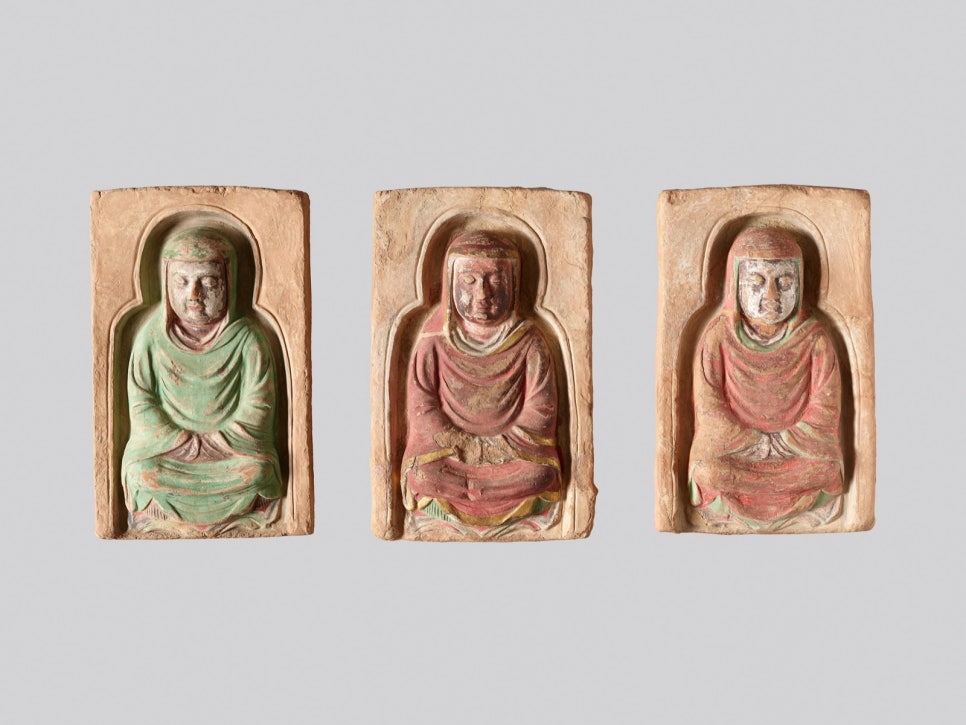
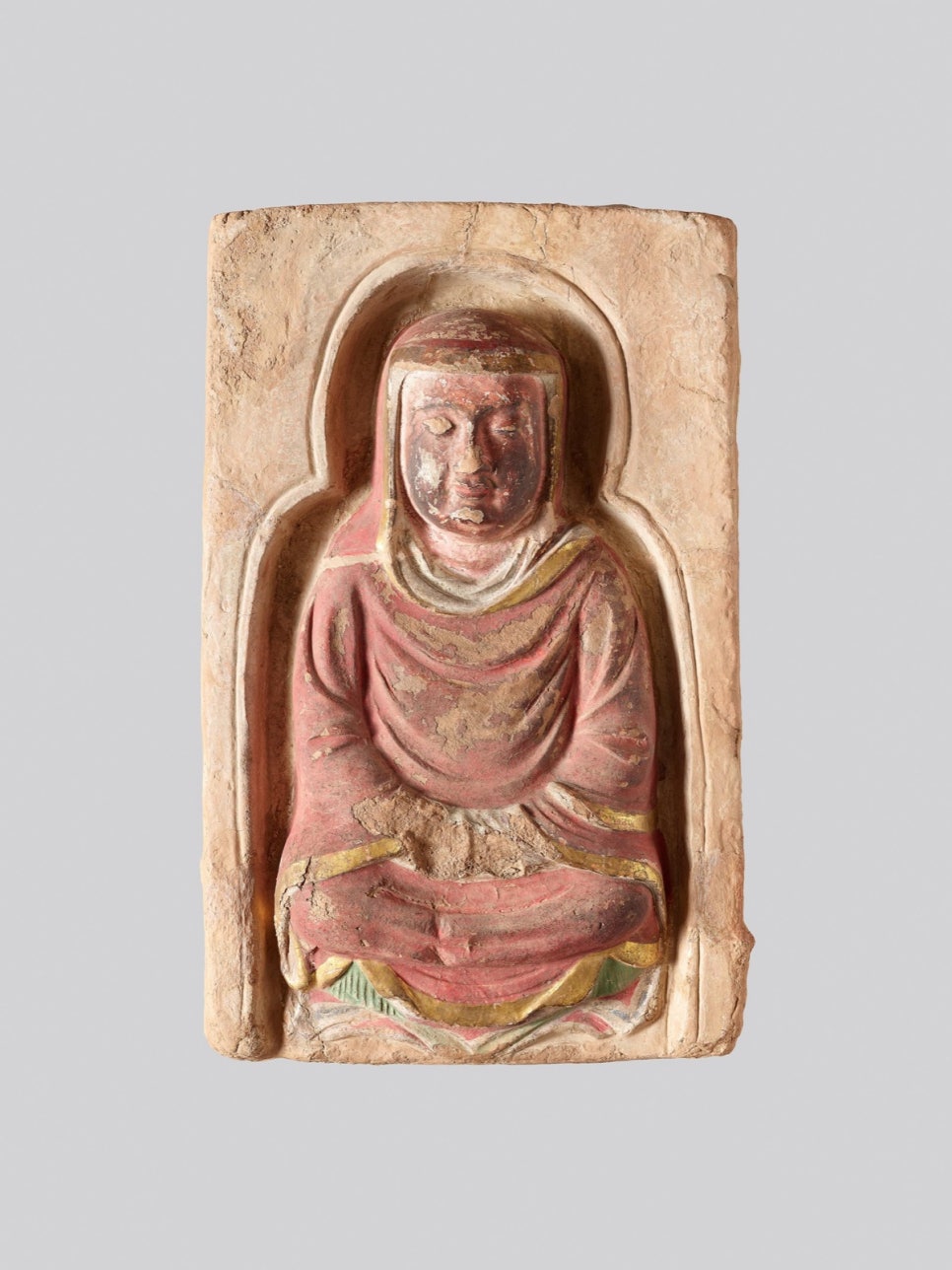
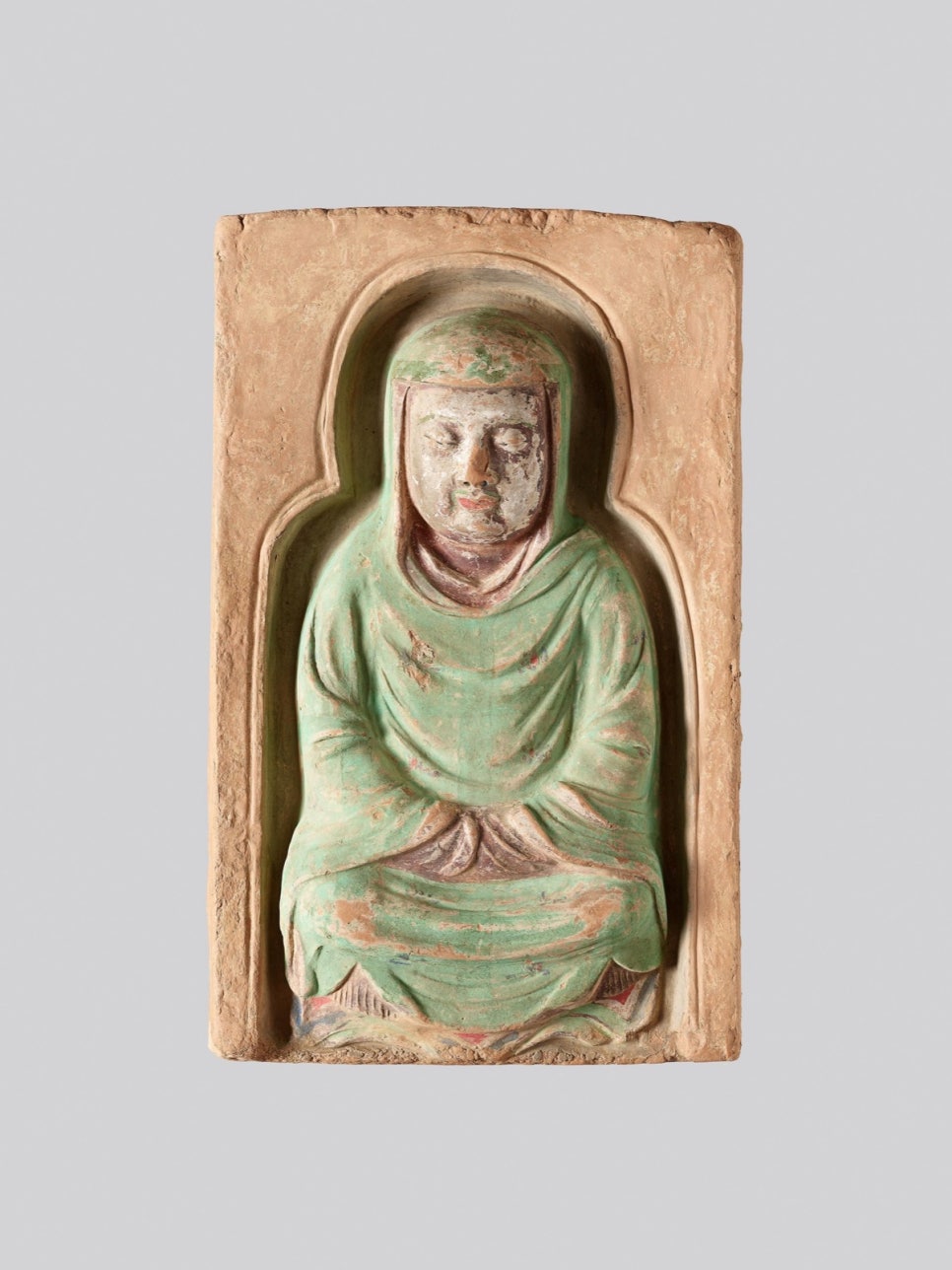
Next to the sutras is a painted clay panel of monks. Each sits with hands together inside a niche-like frame. The museum's online collection database, e-museum, lists it under a different name (a fired-clay Buddhist figure) at 35.5 cm high and 67 cm wide; the accession number, Bon-gwan 4037, is the same, so it is the same object. e-museum does not give a find-spot or a date.
What else to see in the Central Asia Gallery
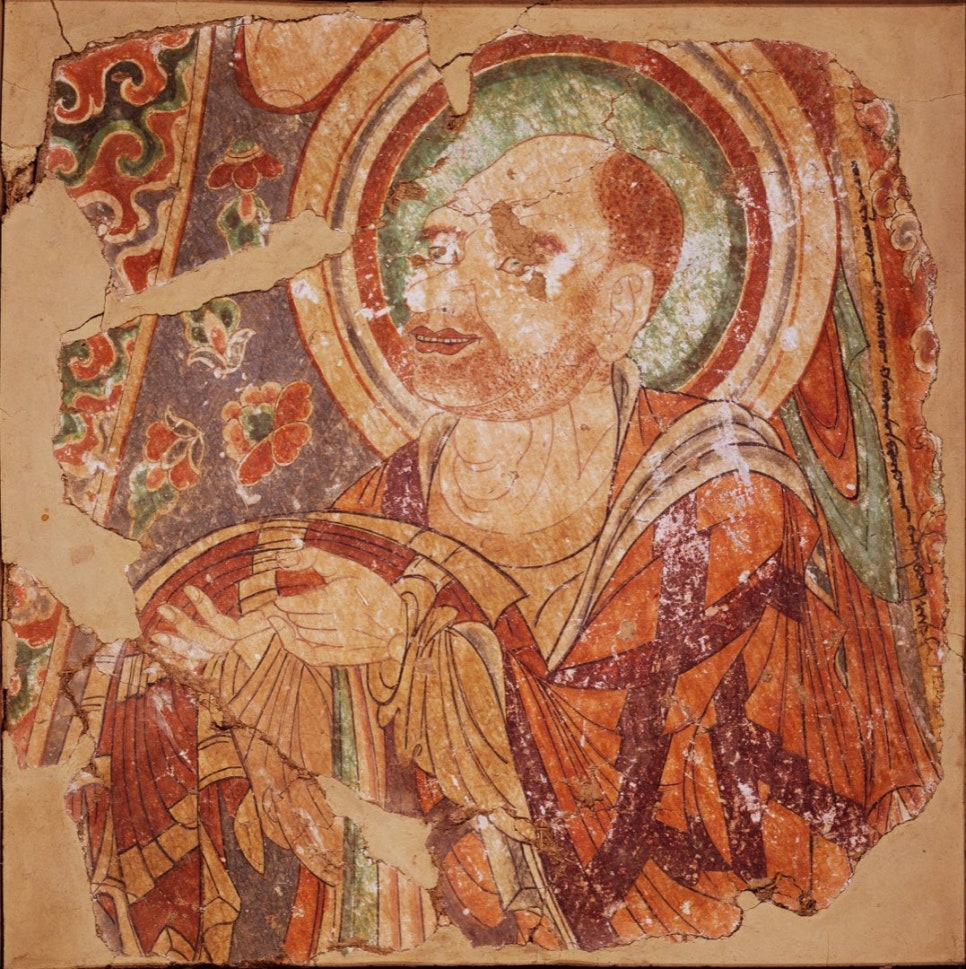
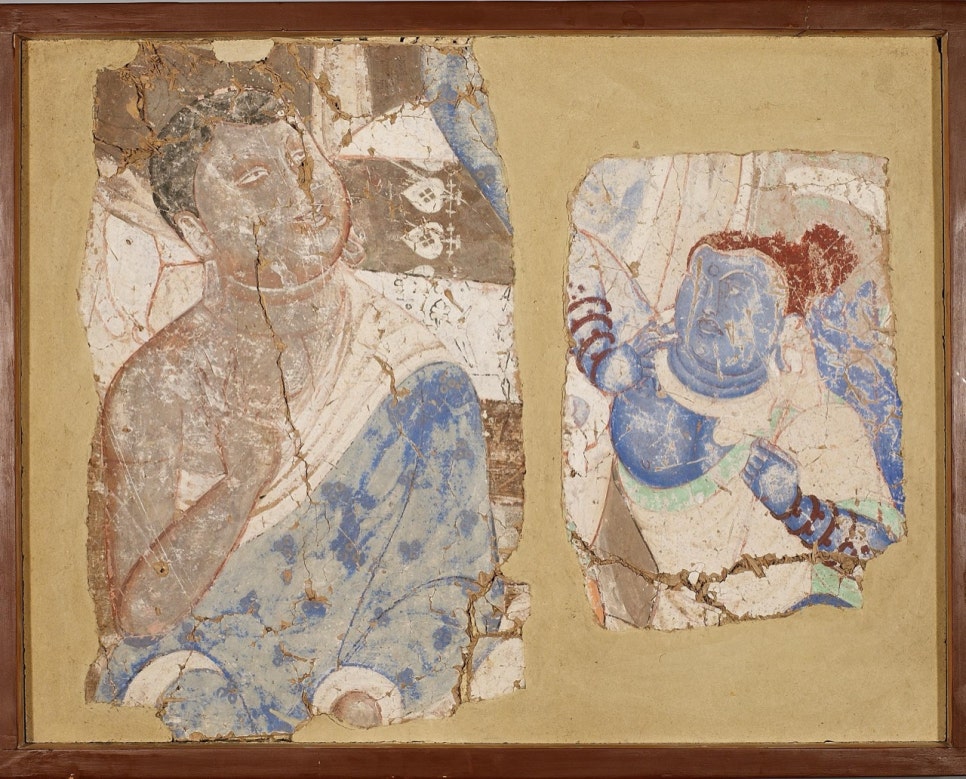
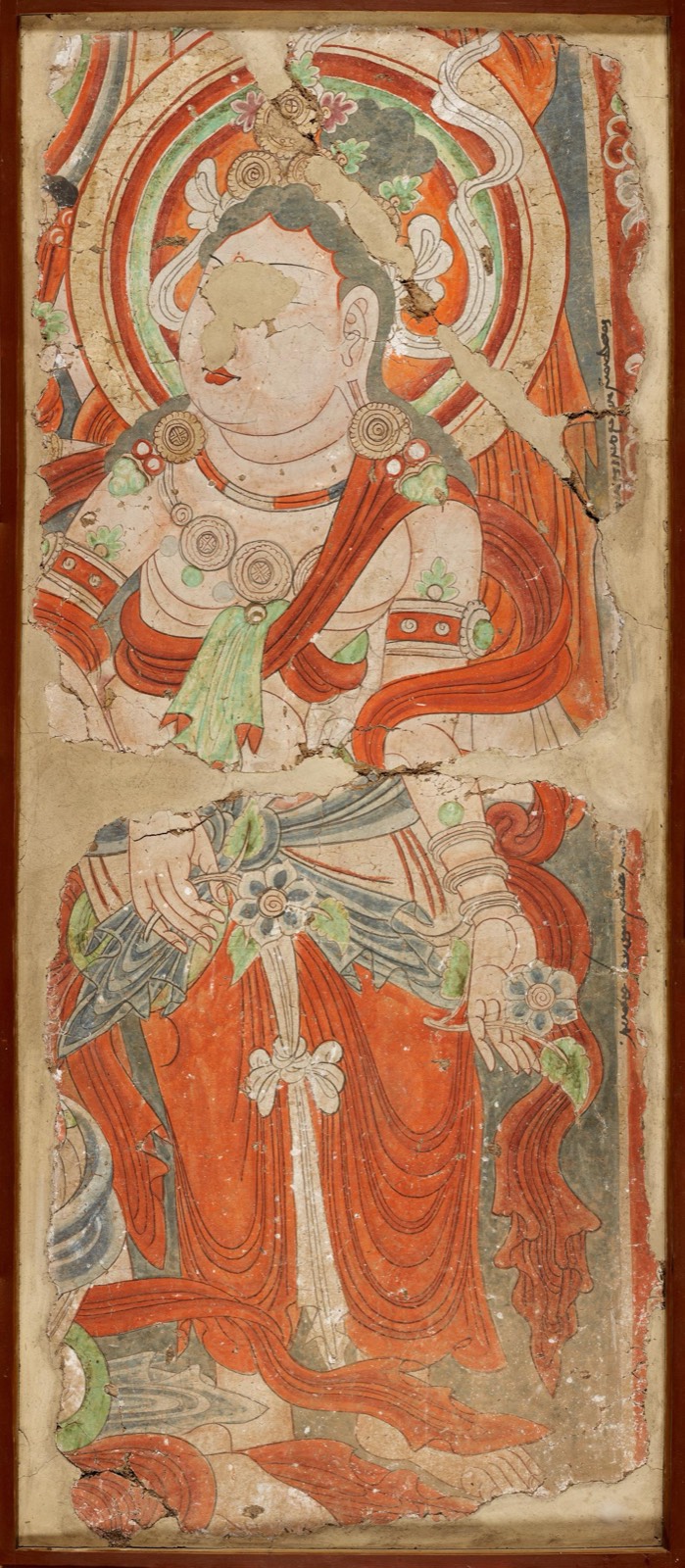
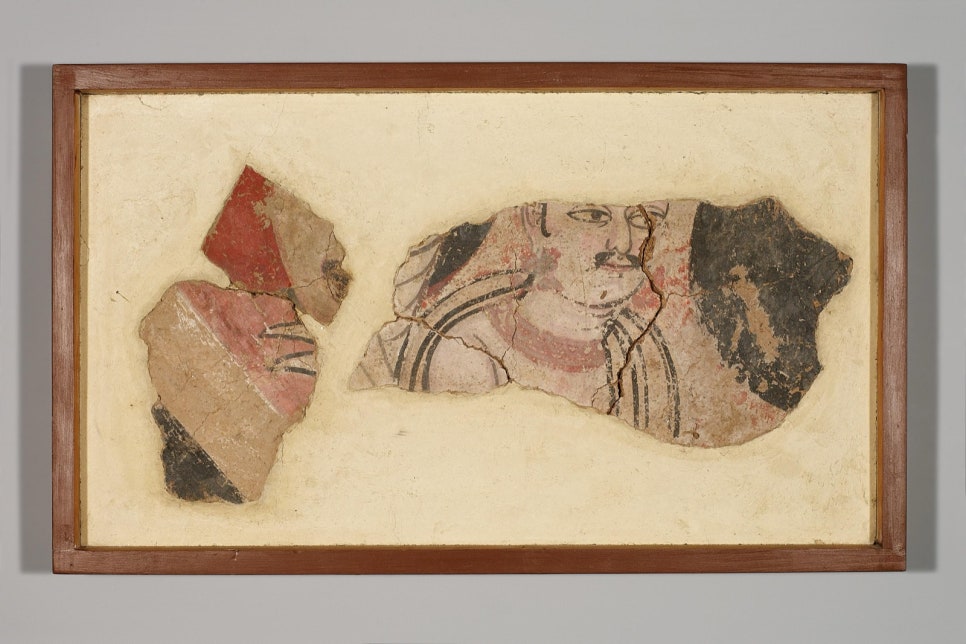
The Central Asia Gallery holds wall paintings removed from Silk Road cave temples at Turfan, Kucha and Miran. The murals below are not part of the sutra display; they are gallery holdings that show what kind of room it is, and whether each is hanging during the display is something to check on the day.
What to know before you go
- Late opening on Wednesdays and Saturdays: open until 9 pm (last entry 8:30 pm), so you can go after work. Other days close at 5:30 pm (last entry 5 pm).
- Avoid Monday 7 December: it is the permanent galleries' quarterly closure day, so the Central Asia Gallery is shut too.
- Booking is for groups only: individuals just walk in; only school groups of 30 or more must book.
- Skim the report first: it reproduces the colophons and the old collection card, which tells you what to look for in the gallery.
- Getting there: from exit 2 of Ichon Station (Line 4 and Gyeongui–Jungang Line), the underground walkway to the museum takes about five minutes.
Getting there, and what to expect if you do not read Korean
Take Seoul subway Line 4 or the Gyeongui–Jungang Line to Ichon Station (이촌역), leave by exit 2 and follow the underground walkway signed for the museum; it is about a five-minute walk. Inside, go up to the 3rd floor of the Permanent Exhibition Hall and look for World Culture, then the Central Asia Gallery. Admission is free and there is nothing to book, so you never deal with a Korean booking system or phone verification. The museum's English website lists the display as “Breaking the Seal of a Thousand Years”, and its permanent galleries are generally labelled in Korean and English, but the museum had not said whether these particular cases carry English text. The sutras themselves are in classical Chinese. Reading the English summary of the museum's report, or this page, before you go is the surest way to know what you are looking at.
Frequently asked questions
- Q. How long is the Dunhuang sutra display at the National Museum of Korea on?
- From Friday 23 October 2026 to Sunday 24 January 2027, in the Central Asia Gallery on the 3rd floor of the Permanent Exhibition Hall. The permanent galleries are closed on Monday 7 December 2026.
- Q. Is the Dunhuang sutra display free?
- Yes. It is held in the Central Asia Gallery inside the permanent galleries, which charge no admission. The exhibition page lists no fee, so check the museum website for any change.
- Q. What is in the Dunhuang sutra display?
- Four Dunhuang sutra scrolls — the Treatise on the Great Wisdom (chapter 12), the Sutra on the Great Perfection of Wisdom (chapter 136), the Sutra of the Heroic March (chapter 5) and the Sutra on the Names of the Buddhas (chapter 7) — plus Meditating Monks and other pieces, 8 objects in 3 groups. The Treatise is thought to have been copied in 593.
- Q. Are the National Museum of Korea's Dunhuang sutras part of the Otani collection?
- No. According to the museum's report, the Yi Royal Family Museum bought them from a Japanese antiques dealer in 1913, separately from the Government-General Museum's Otani collection.
- Q. Do I need to book to see the Dunhuang sutras?
- No. Individual visitors walk in. Only school groups of 30 or more need to book ahead.
- Q. Is it worth going if I do not read Korean?
- Yes, if the objects themselves interest you. There is no booking or ticket to navigate, the museum's English website describes the display, and the permanent galleries are generally labelled in Korean and English. The scrolls are written in classical Chinese, and the museum had not confirmed English labels for these cases, so read up first — the report's English summary and this page cover the essentials.
Editor's note · Kang Shin-wook
For anyone in Seoul with an interest in the Silk Road or Buddhist art, or looking for something to do on a Wednesday or Saturday evening: we checked the museum's exhibition page against its 2025 research report for the sutras' full titles and how they reached Korea. Hours, transport and the free permanent galleries are in our National Museum of Korea visitor guide; other museums are on Museums at a glance.
Sources
- Official notice (Korean)
- National Museum of Korea — Breaking the Seal of a Thousand Years: Buddhist Manuscripts from Dunhuang (English)
- National Museum of Korea — hours, admission and closure days (Korean)
- National Museum of Korea research report on its Dunhuang Buddhist manuscripts, 2025, PDF (Korean, English summary)
- Vegan News — Central Asia Gallery closes to prepare the Dunhuang sutra display (Korean)
Written in our own words from the sources above, never copied from them, and every date and price checked against at least two pages. The originals are in Korean. Spotted a mistake? Ask for a correction.
Latest from National Museum of Korea
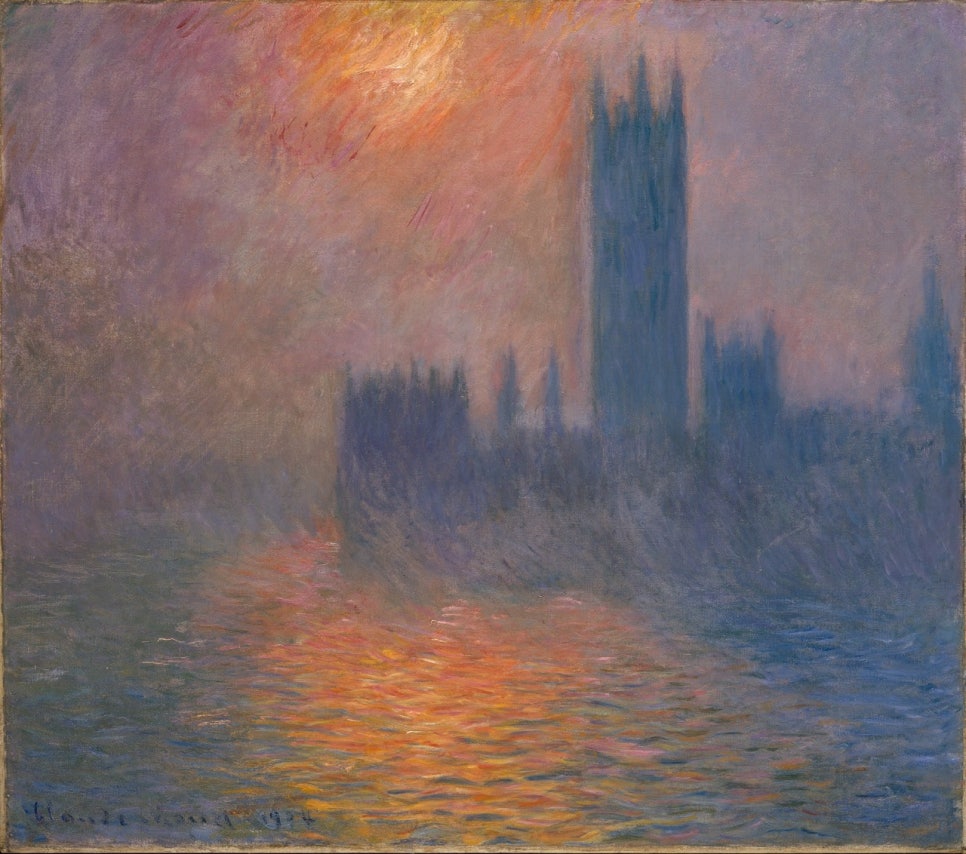 National Museum of KoreaExhibition14 October 2026In 40 daysKunsthaus Zürich masterpieces at the National Museum of Korea — KRW 12,000 early bird until 17 Dec
 National Museum of KoreaNews10 October 2026MU:DS Regional Heritage Collection — 100 museum goods from 13 national museums
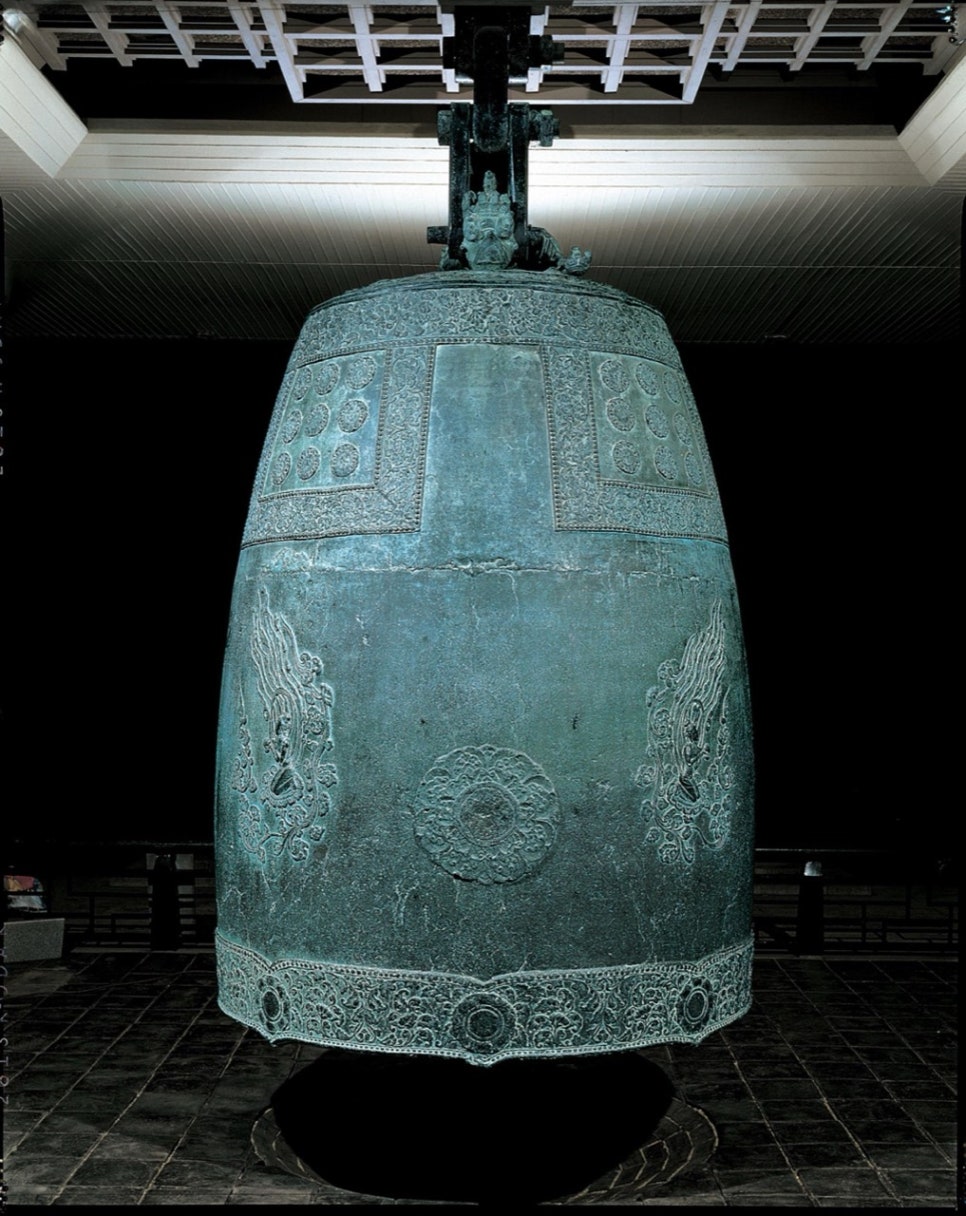
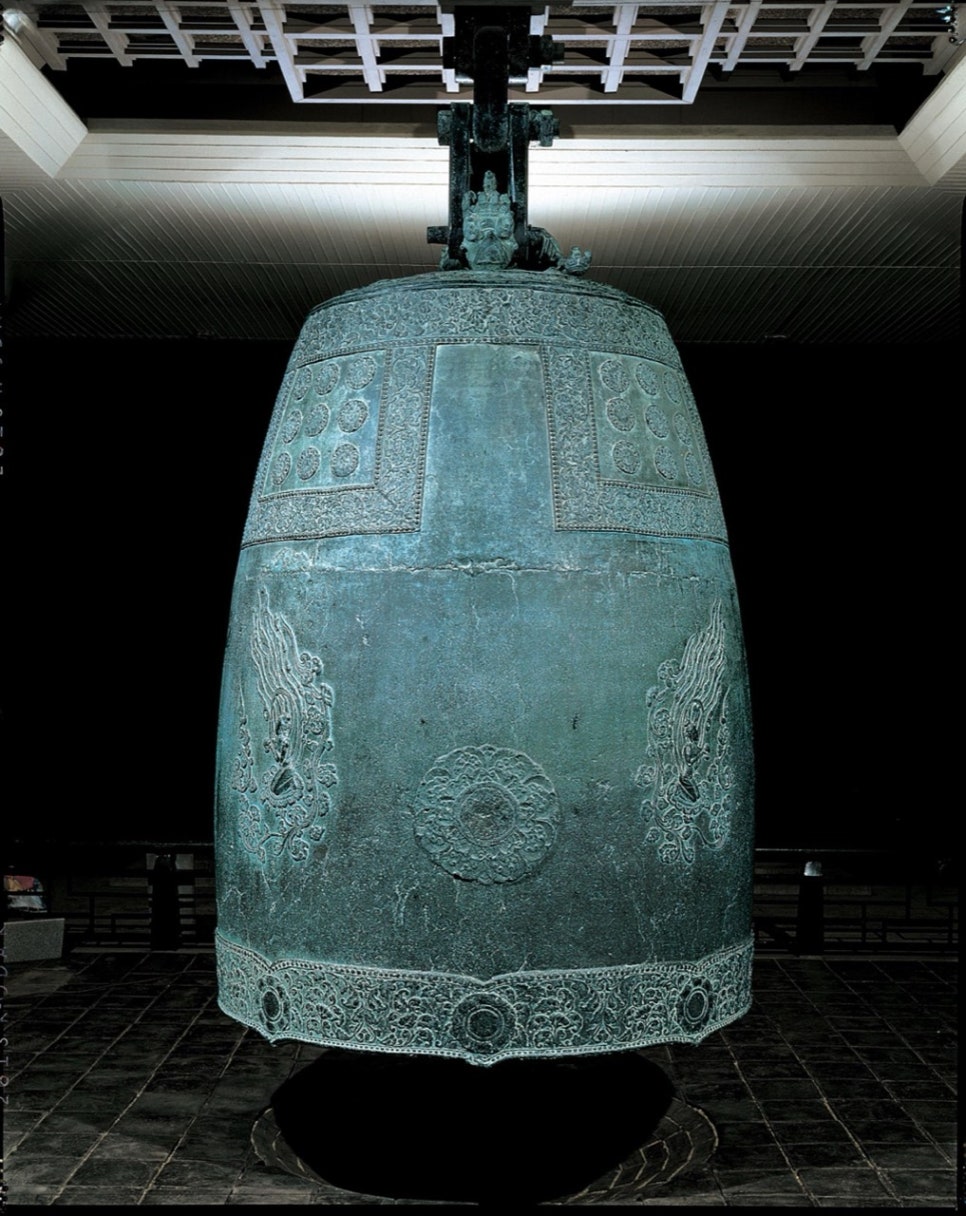 National Museum of KoreaEvent10 October 2026In 13 daysSori: the Seongdeok Bell in concert at the National Museum of Korea — 31 Oct & 1 Nov
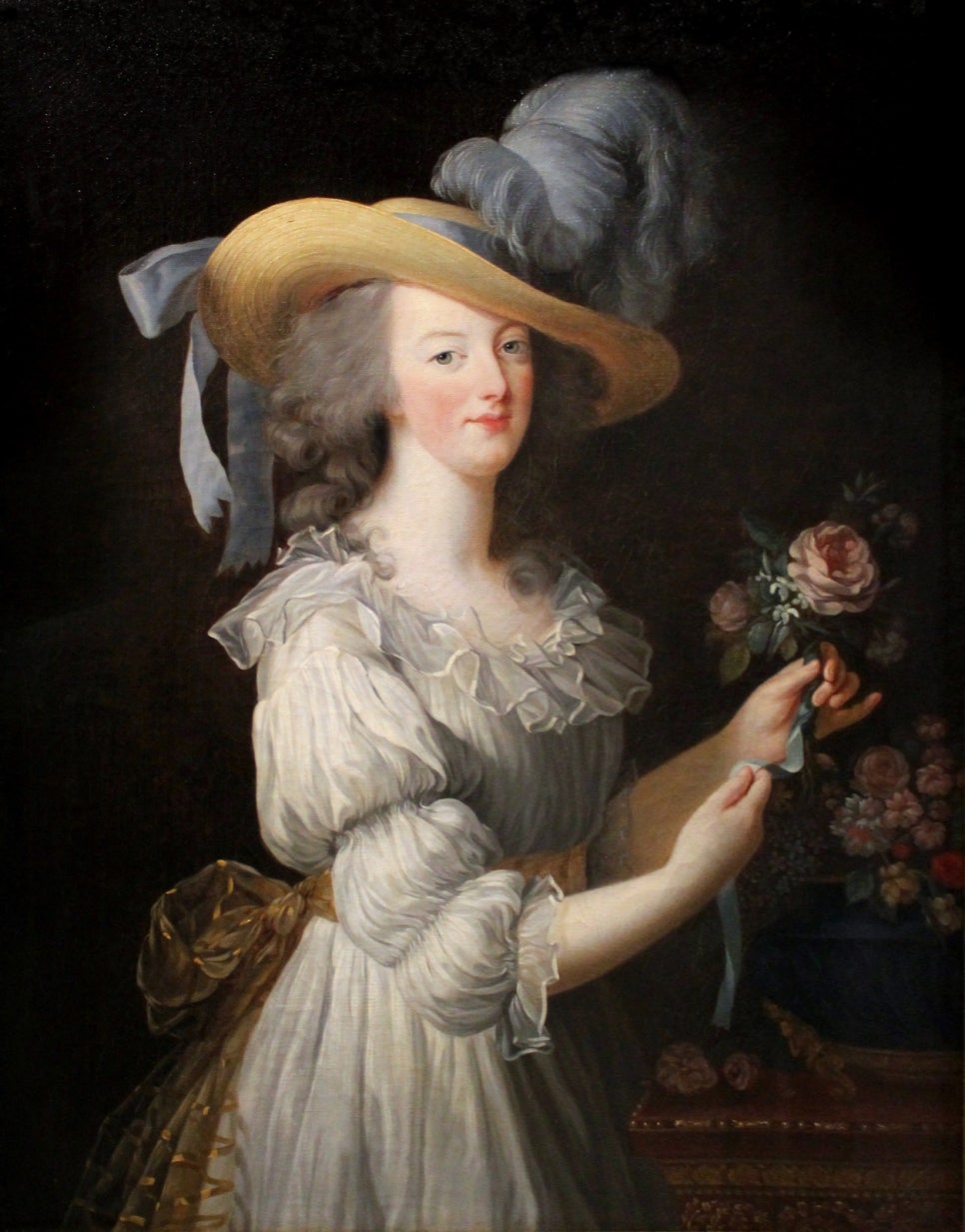 National Museum of KoreaExhibition6 October 2026In 61 daysMarie Antoinette Style at Seoul’s National Museum — from 18 Dec