Exhibition·National Museum of KoreaIn 40 days
Kunsthaus Zürich masterpieces at the National Museum of Korea — KRW 12,000 early bird until 17 Dec
Summary
The National Museum of Korea in Seoul shows 85 works from the Kunsthaus Zürich (Monet, Kandinsky, Klee, Giacometti, Munch and more) in Birth of Modern Art, from 27 November 2026 to 18 April 2027. Early-bird tickets on Ticketlink cost KRW 12,000 at any age, against KRW 20,000 for an adult at full price. The catch: they are only valid for a date and 30-minute slot you choose between 27 November and 17 December, with a limit of four per person. We could not confirm that the booking page accepts a foreign phone number.
Article
In short
- The National Museum of Korea in Seoul shows Birth of Modern Art: Masterpieces from the Kunsthaus Zürich from 27 November 2026 to 18 April 2027. It is the first time the Kunsthaus Zürich collection has been shown in Korea.
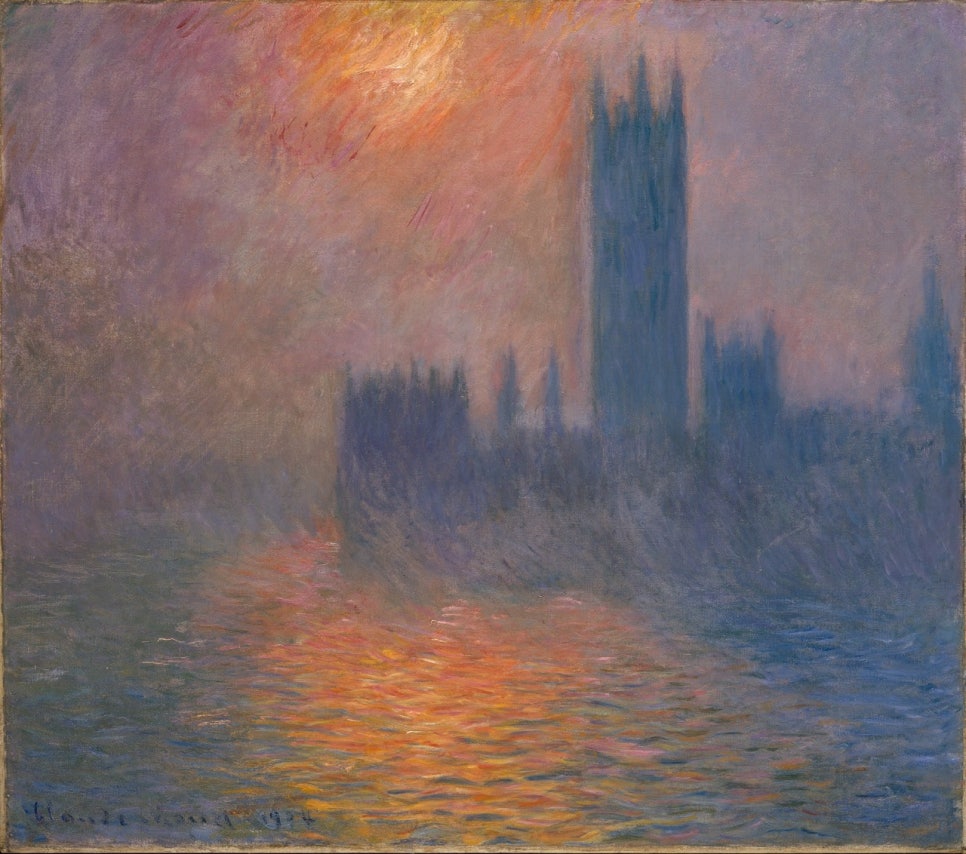
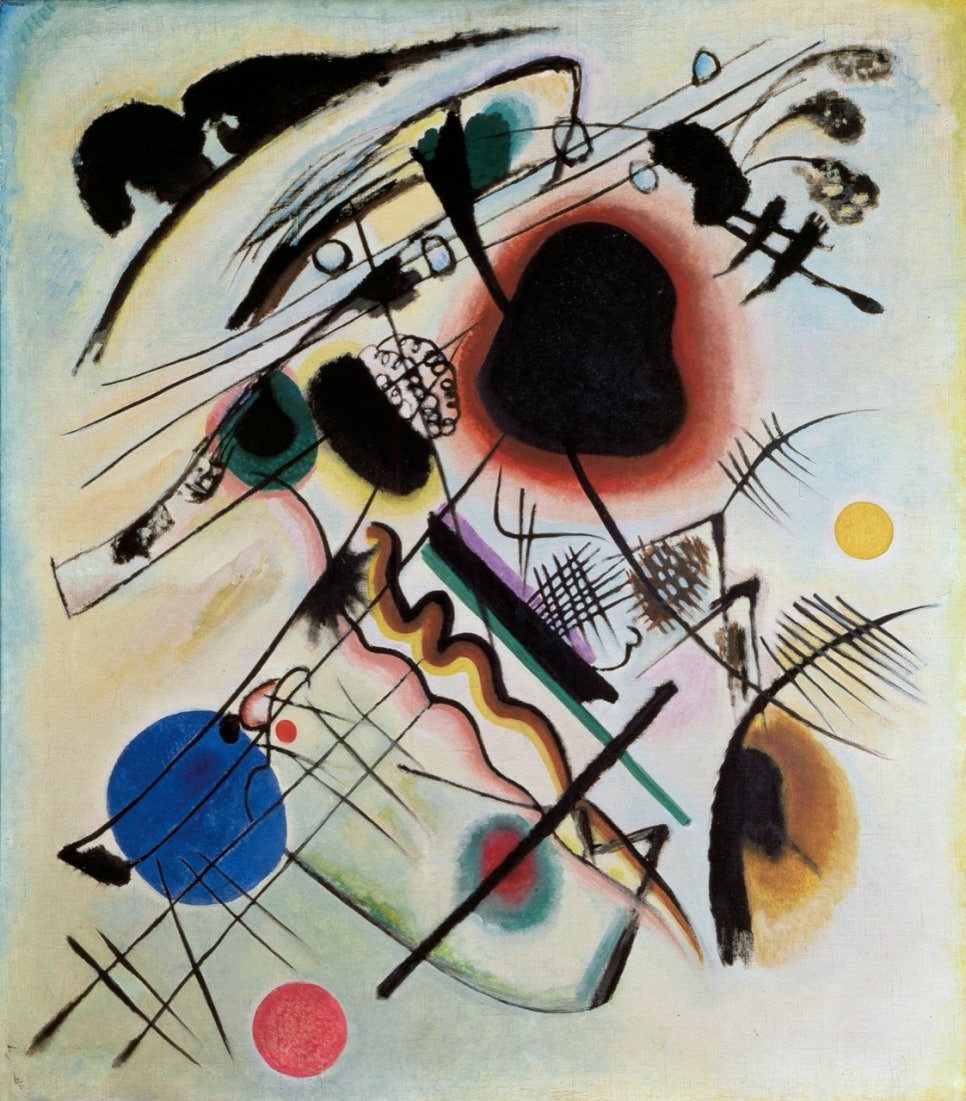
- There are 85 paintings and sculptures made between the 1760s and the 1950s. The museum's headline works are Monet's The Houses of Parliament, Sunset, Kandinsky's Black Spot, Klee's Hunter Tree and Giacometti's The Forest.
- Early-bird tickets cost KRW 12,000 at any age: 40% off the adult price of KRW 20,000 and about 33% off the youth price of KRW 18,000. They have been on sale on Ticketlink since 10 am on 13 October 2026.
- An early-bird ticket is only valid from opening day to Thursday 17 December. You pick the date and a 30-minute entry slot when you buy, up to four tickets per person, and each slot has a fixed allocation, so slots can sell out early.
- Special exhibition hall 1 is closed on Monday 7 December 2026 for the museum's quarterly maintenance day, so do not book that date. The exhibition's English labelling and audio guide had not been announced when we checked.
The Kunsthaus Zürich, Switzerland's leading art museum, is lending part of its collection to Seoul. From 27 November to 18 April the following year, the National Museum of Korea and the Kunsthaus are staging an exhibition that uses 85 works to show how modern art began and spread. On 13 October, about six weeks before opening, the museum started selling discounted early-bird tickets for the first three weeks. If you plan to go early, picking a slot now is the cheapest way in.
How is the early-bird ticket different from a standard ticket?
Two things differ: the price and the dates you can go. The early-bird ticket saves an adult KRW 8,000 and a youth KRW 6,000, but it only covers the first three weeks after opening. Child and senior prices, who gets in free, and the date standard tickets go on sale have not been announced yet.
Early bird vs standard ticket (National Museum of Korea press release 2026-112)
- Item
- Detail
- Early-bird price
- KRW 12,000 — one price for every age
- Standard price
- Adults KRW 20,000 · youth KRW 18,000 (child and senior prices not yet announced)
- Discount
- 40% off the adult price · about 33% off the youth price
- Early-bird sale opened
- 10 am, Tuesday 13 October 2026, on Ticketlink
- Early-bird valid
- Friday 27 November – Thursday 17 December 2026 — date and 30-minute entry slot chosen at purchase
- Limit
- Up to four tickets per person; each slot has a fixed allocation
- Standard tickets valid
- The whole run (on-sale date not yet announced)
What will be on show?
The exhibition starts with painting from just before modern art took hold, then runs through Impressionism to Surrealism. Swiss-born artists Paul Klee, Sophie Taeuber-Arp and Alberto Giacometti hang alongside Rodin, Monet, Cézanne, Picasso, Munch, Kandinsky, Dalí and Magritte. The museum says the exhibition also gives a large share of the space to Ferdinand Hodler, often described as Switzerland's national painter, and to Zurich Dada, the art movement that began in the city during the First World War. These are names rarely seen together in Korea.
The ten main works named in the museum's press release are below. This is the museum's own selection and only part of the 85 works in the exhibition.
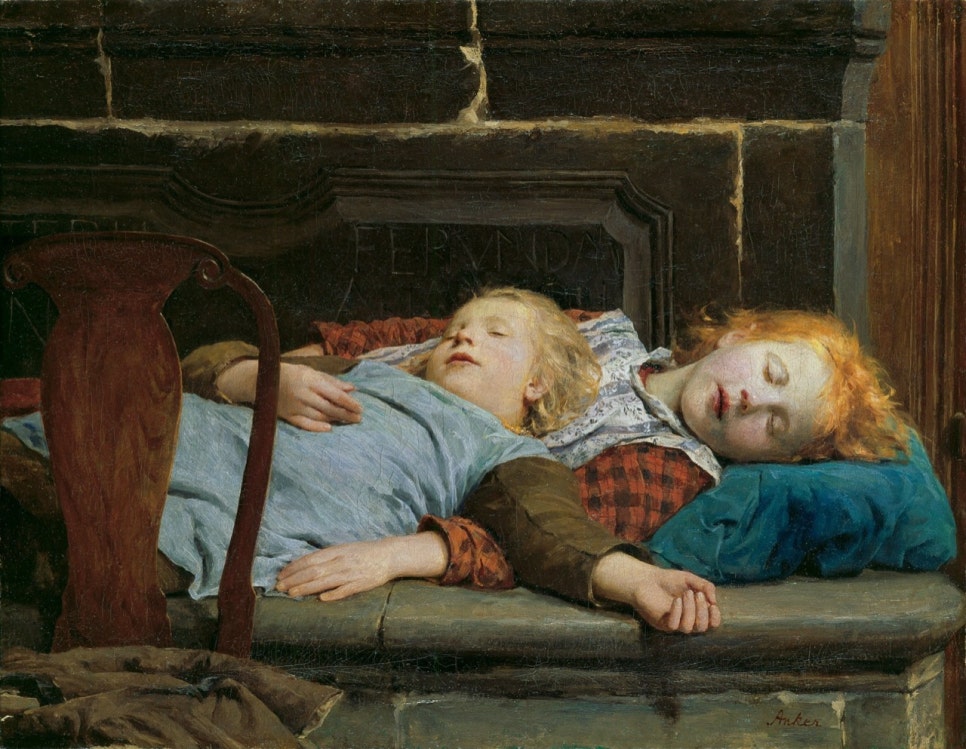
- Albert Anker, Two Girls Asleep on the Stove Bench (1895)
- Claude Monet, The Houses of Parliament, Sunset (1904)
- Félix Vallotton, Sunset, Villerville (1917)
- Henri Matisse, Marguerite (1906)
- Auguste Rodin, The Age of Bronze (1875/1876, bronze)
- Ferdinand Hodler, Song from Afar (c. 1914)
- Ernst Ludwig Kirchner, Sunday on Lake Zurich (1925)
- Sophie Taeuber-Arp, Triptych, vertical-horizontal composition with reciprocal triangles (1918)
- Paul Klee, Hunter Tree (1939)
- Alberto Giacometti, The Forest (1950, bronze)

Artists worth looking at before you go
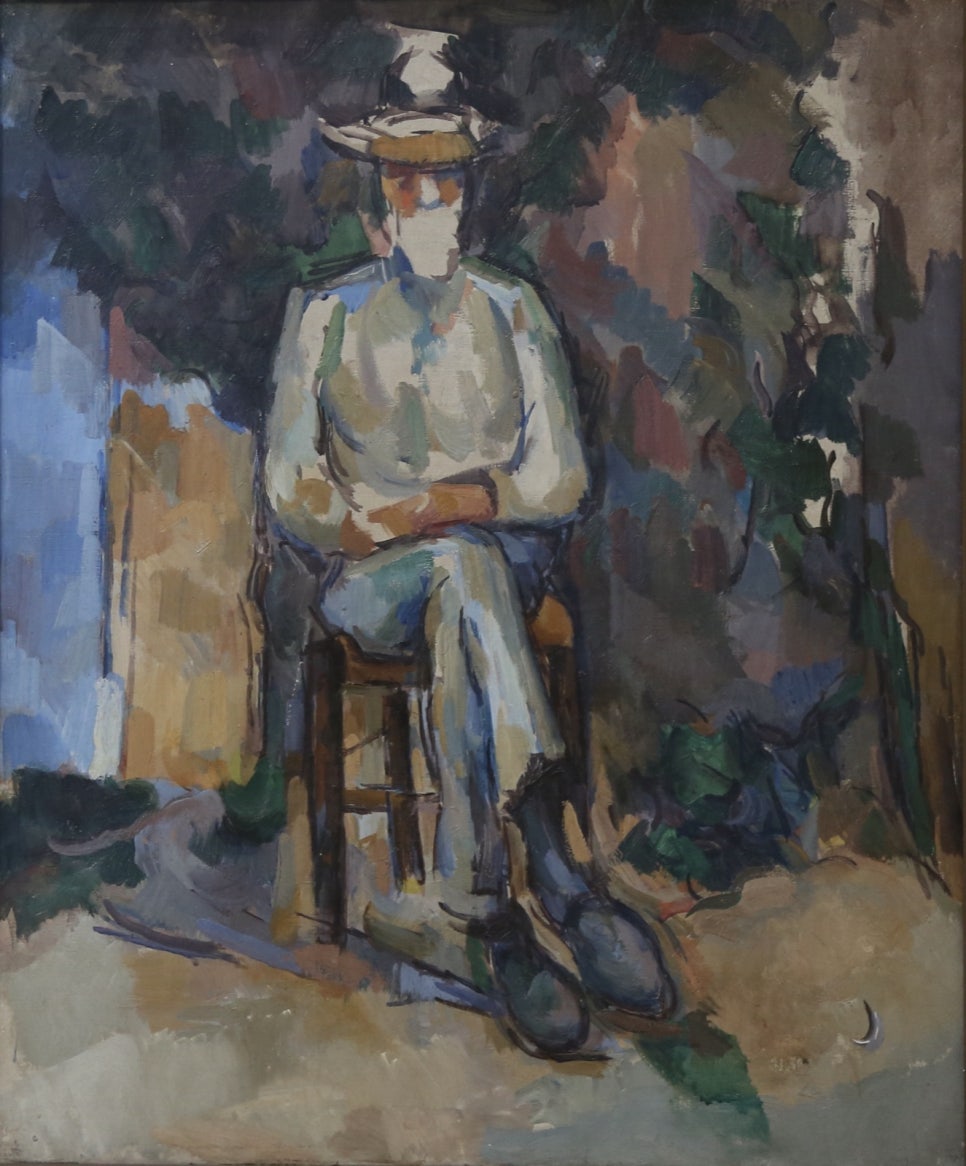
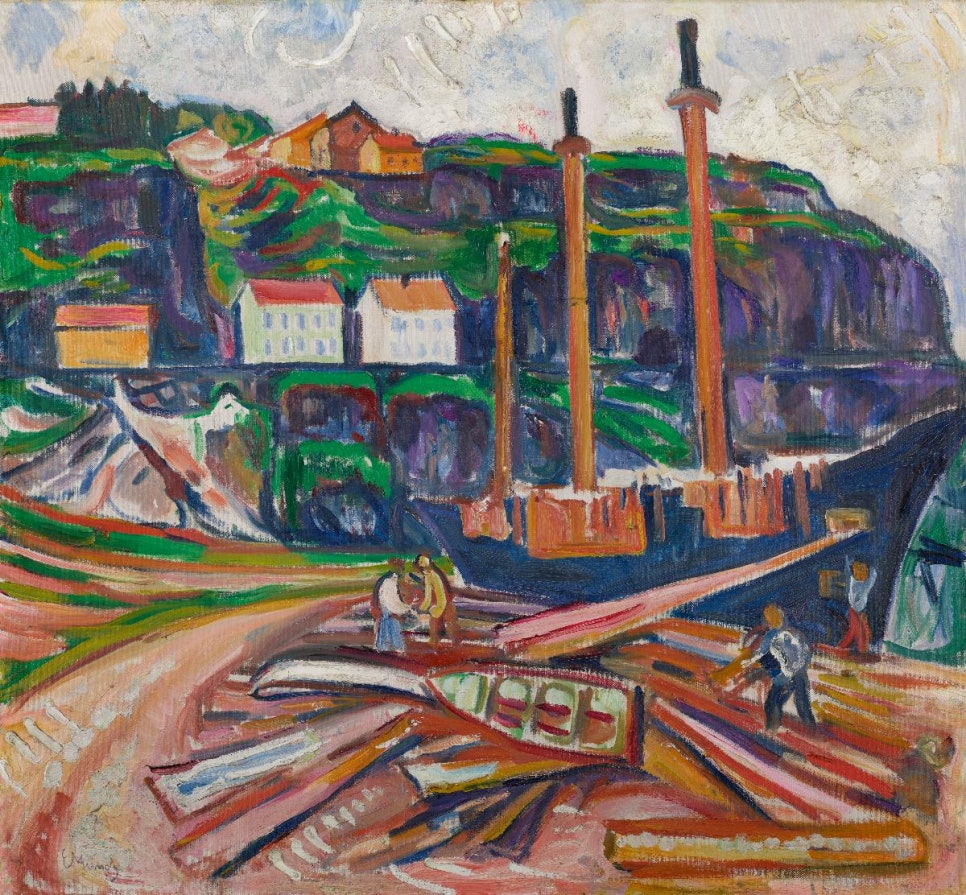
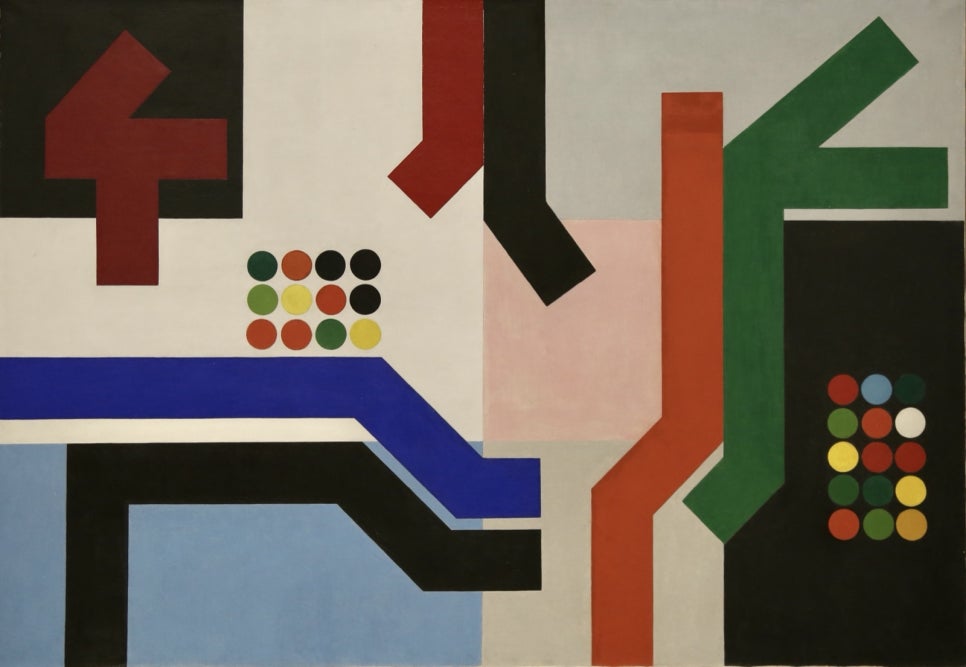
The pictures below may not be in the exhibition
The pictures in this section are other works by the same artists, mostly from the Kunsthaus Zürich collection, but they have not been confirmed as part of this exhibition. Works that are confirmed, such as Klee's Hunter Tree and Hodler's Song from Afar, have no publicly available images, so these are here only to give a sense of each artist's style.
Klee is the Swiss artist at the centre of this exhibition. Once you know how he reduced a landscape to small patches of colour and signs, it is easier to see how the exhibited Hunter Tree simplifies trees and figures.

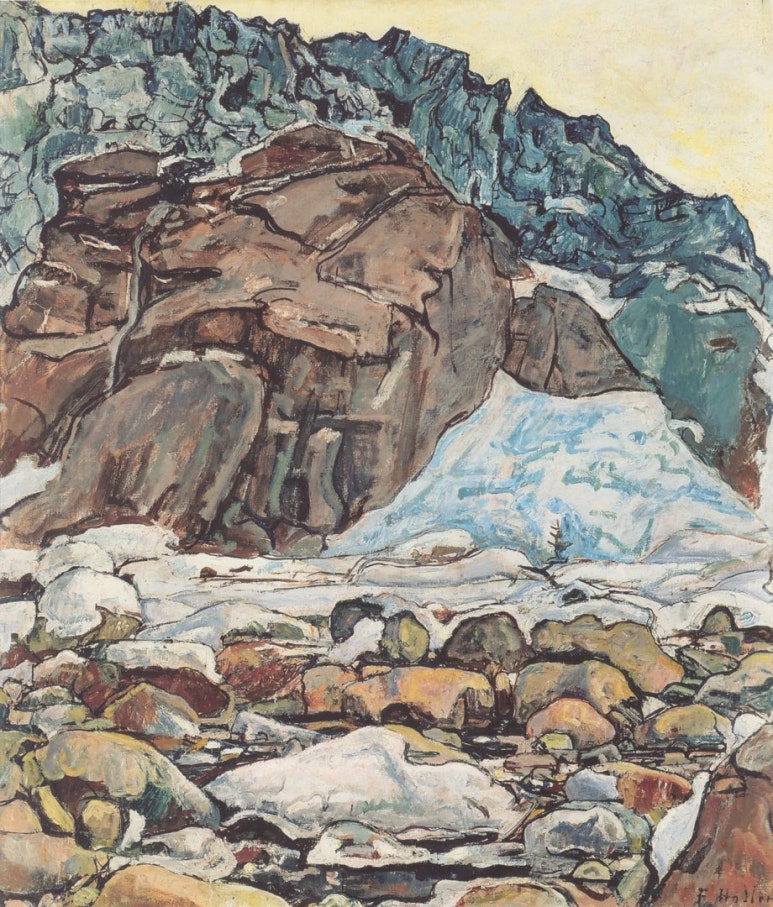
Hodler, known for his Alpine landscapes and symbolic figure paintings, is often called the painter the Swiss know best. Cézanne and Munch are also on the list of artists in the exhibition.
Taeuber-Arp was one of the leading figures of Zurich Dada and an early experimenter with abstraction that divides the picture into geometric shapes. The exhibited Triptych belongs to that line of work.
What is the Kunsthaus Zürich?
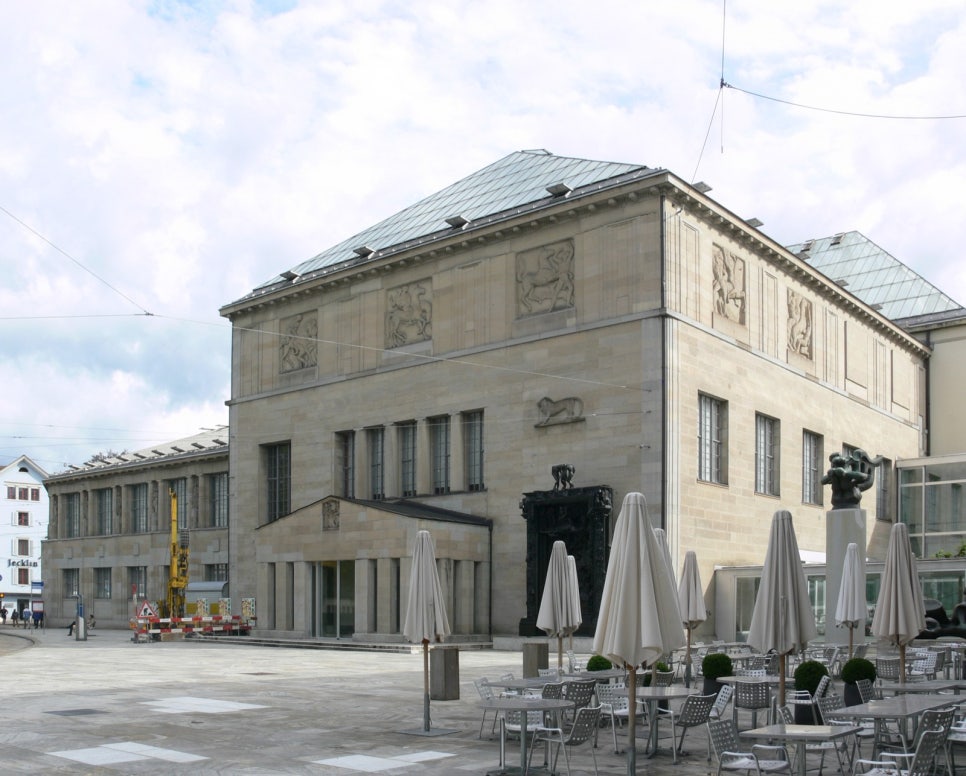
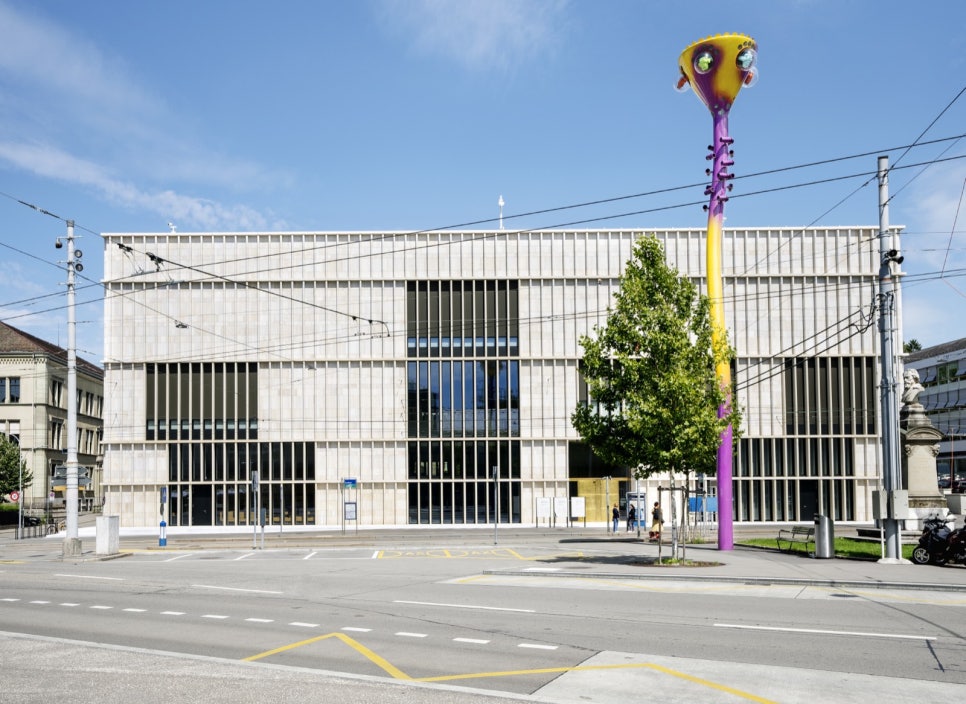
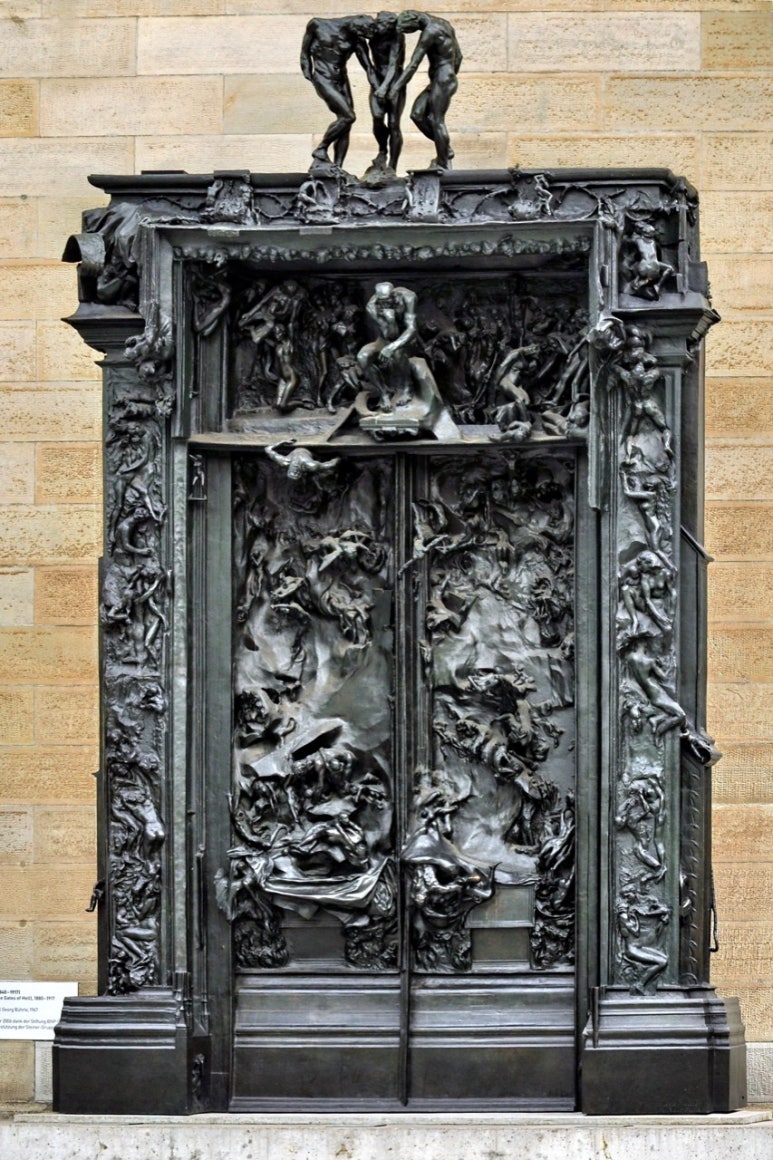
The Kunsthaus Zürich is run by the Zurich Art Society and is one of Switzerland's leading art museums. It lent the works and co-organises the exhibition. Its stone main building on Heimplatz, designed by the architect Karl Moser, opened in 1910, and an extension by David Chipperfield opened across the square in 2021. Rodin's The Gates of Hell, which stands beside the entrance, is almost the museum's emblem, but it is not coming to Seoul.
How do you buy an early-bird ticket?
- Open the early-bird product on Ticketlink with the booking button on this page (it is listed in Korean as 얼리버드 모던 아트의 탄생).
- Choose a date between 27 November and 17 December, then a 30-minute entry slot. Avoid Monday 7 December, when special exhibition hall 1 is closed for maintenance.
- Pay for up to four tickets per person. Each slot has a fixed allocation, so weekend slots may go first.
- If you will be in Seoul after 18 December, the early bird is no use to you: wait for standard tickets to be announced.
The booking link in the press release goes to a different exhibition
The Ticketlink address printed in the press release (product/52660) opened the page for an earlier exhibition, Vienna 1900, when we checked on 14 October. The booking button on this page goes to the actual early-bird product (product/66182). That product page is also where we confirmed the venue as special exhibition hall 1. No closing date for early-bird sales has been announced.
Getting there and what to expect on the day
The National Museum of Korea is at 137 Seobinggo-ro, Yongsan-gu. Take Line 4 or the Gyeongui–Jungang Line to Ichon Station (이촌역), leave by Exit 2 and follow the covered Museum Path for about 150 m, roughly five minutes. From Incheon Airport, take the AREX all-stop train to Seoul Station and change to Line 4 southbound for Ichon, about 75–90 minutes. Entry to the museum itself is free; only this special exhibition needs a ticket. The permanent galleries are labelled in Korean and English, staff at the main information desk speak English, and the museum's English phone line is +82-2-2077-9000. For this exhibition, the press release does not say whether labels will be bilingual or whether there will be an English audio guide. Plan for Korean-first wall text until the museum announces otherwise. On booking: Ticketlink also runs an English storefront (ticketlink.co.kr/global/en), but we could not confirm that this early-bird product is sold there or that it accepts a foreign phone number or card. If the Korean page blocks you at sign-up, ask the museum, or wait for standard tickets.
Frequently asked questions
- Q. When is the Kunsthaus Zürich exhibition at the National Museum of Korea?
- Birth of Modern Art: Masterpieces from the Kunsthaus Zürich runs from Friday 27 November 2026 to Sunday 18 April 2027 in special exhibition hall 1 of the National Museum of Korea in Seoul.
- Q. How much is the early-bird ticket for Birth of Modern Art?
- KRW 12,000 at any age. That is 40% less than the adult price of KRW 20,000 and about 33% less than the youth price of KRW 18,000.
- Q. When can I use a Kunsthaus Zürich early-bird ticket?
- Only from 27 November to 17 December 2026. You choose the date and a 30-minute entry slot when you buy. Special exhibition hall 1 is closed on 7 December for maintenance.
- Q. Where can I buy early-bird tickets, and how many?
- On Ticketlink, from 10 am on 13 October 2026, up to four per person. Each slot has a fixed allocation and can sell out before the sale ends.
- Q. Which artists are in Birth of Modern Art?
- 85 paintings and sculptures by artists including Monet, Kandinsky, Klee, Giacometti, Rodin, Cézanne, Picasso, Munch, Dalí, Magritte, Hodler and Taeuber-Arp. The museum's headline works are Monet's The Houses of Parliament, Sunset, Kandinsky's Black Spot, Klee's Hunter Tree and Giacometti's The Forest.
- Q. Is it worth going if I do not read Korean?
- Yes, for the art itself. These are European works you can read without the labels, and the museum around them is free, with English labels in the permanent galleries and English-speaking staff at the information desk. What is uncertain is the exhibition's own wall text and audio guide, which had not been announced in English. The booking step is the most likely obstacle: Ticketlink's Korean site may ask for Korean identity verification.
Editor's note · Kang Shin-wook
For visitors who want to see Monet, Kandinsky and Klee in Seoul early and cheaply: the early-bird terms and full prices side by side, and the correct booking link in place of the broken one in the press release. Hours, transport and the free permanent galleries are in our National Museum of Korea visitor guide; other art museums are on Art museums at a glance.
Sources
- Official notice (Korean)
- Ticketlink early-bird product page (Korean)
- Asia Economy: Monet, Picasso and Kandinsky together at the National Museum of Korea (Korean)
- National Museum of Korea — English site
Written in our own words from the sources above, never copied from them, and every date and price checked against at least two pages. The originals are in Korean. Spotted a mistake? Ask for a correction.
Latest from National Museum of Korea
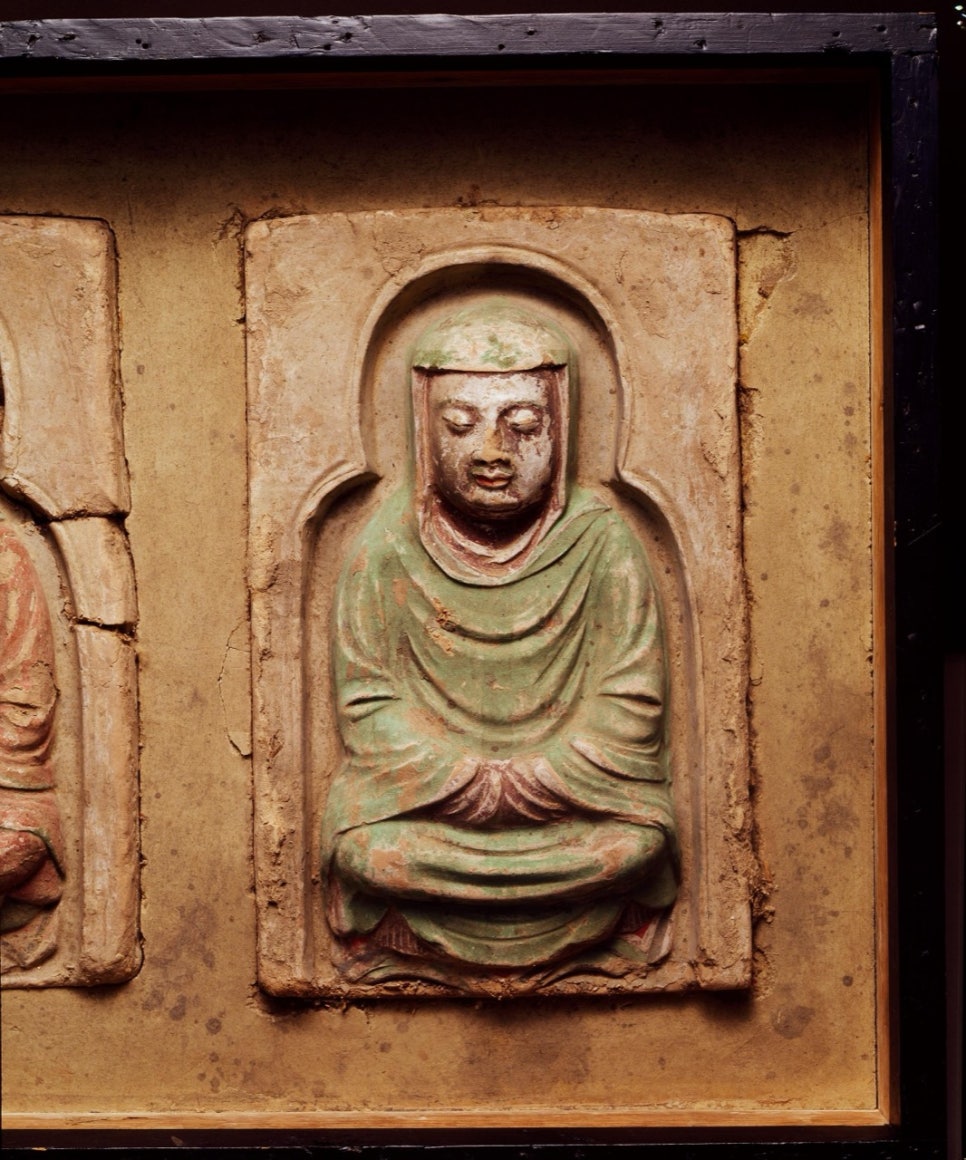 National Museum of KoreaExhibition17 October 2026In 5 daysFreeDunhuang sutras on show for the first time at the National Museum of Korea — free until 24 Jan
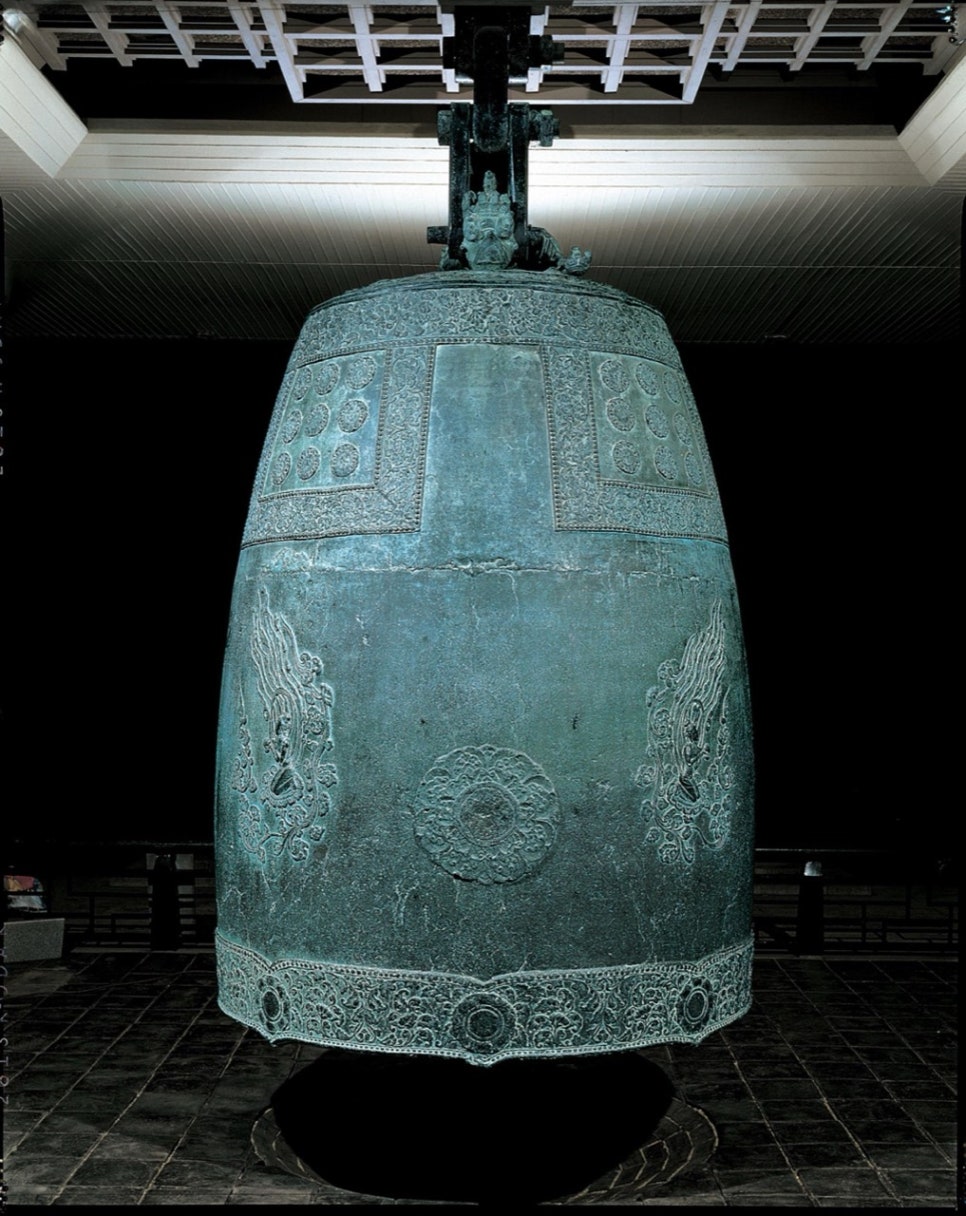 National Museum of KoreaNews10 October 2026MU:DS Regional Heritage Collection — 100 museum goods from 13 national museums
 National Museum of KoreaEvent10 October 2026In 13 daysSori: the Seongdeok Bell in concert at the National Museum of Korea — 31 Oct & 1 Nov
 National Museum of KoreaExhibition6 October 2026In 61 daysMarie Antoinette Style at Seoul’s National Museum — from 18 Dec