Event·National Museum of KoreaIn 13 days
Sori: the Seongdeok Bell in concert at the National Museum of Korea — 31 Oct & 1 Nov
Summary
Sori: King Seongdeok's Divine Bell, a concert staged by the National Museum Foundation of Korea, plays twice only — at 3pm on Saturday 31 October and Sunday 1 November 2026 — in Theater Yong, the performance hall inside the National Museum of Korea in Seoul. Over about 80 minutes, a saenghwang (mouth organ) player, a yanggeum (hammered dulcimer) player and the band Seodo retell how the 8th-century bronze bell was cast, how it rings and what it was meant to carry. Seats cost KRW 70,000 (VIP), 60,000 (R) and 40,000 (S). The catch for visitors: booking runs through Ticketlink's Korean site or a Korean-language phone line, and the show itself is music and projected images with Korean narration and captions, not an English production.
Article
In short
- Sori: King Seongdeok's Divine Bell plays on Saturday 31 October and Sunday 1 November 2026, once a day at 3pm, for about 80 minutes.
- It is staged in Theater Yong, the concert hall inside the National Museum of Korea in Yongsan, Seoul, and is open to children from primary-school age.
- Seats are KRW 70,000 (VIP), KRW 60,000 (R) and KRW 40,000 (S), booked on Ticketlink (product 65607) or by phone on 1544-5955.
- The bell is not on stage: it hangs at the Gyeongju National Museum, and the concert recreates its sound with a mouth organ, a hammered dulcimer, voices and projected film.
- For a non-Korean speaker the music needs no translation, but booking does — both Ticketlink and the phone line work in Korean.
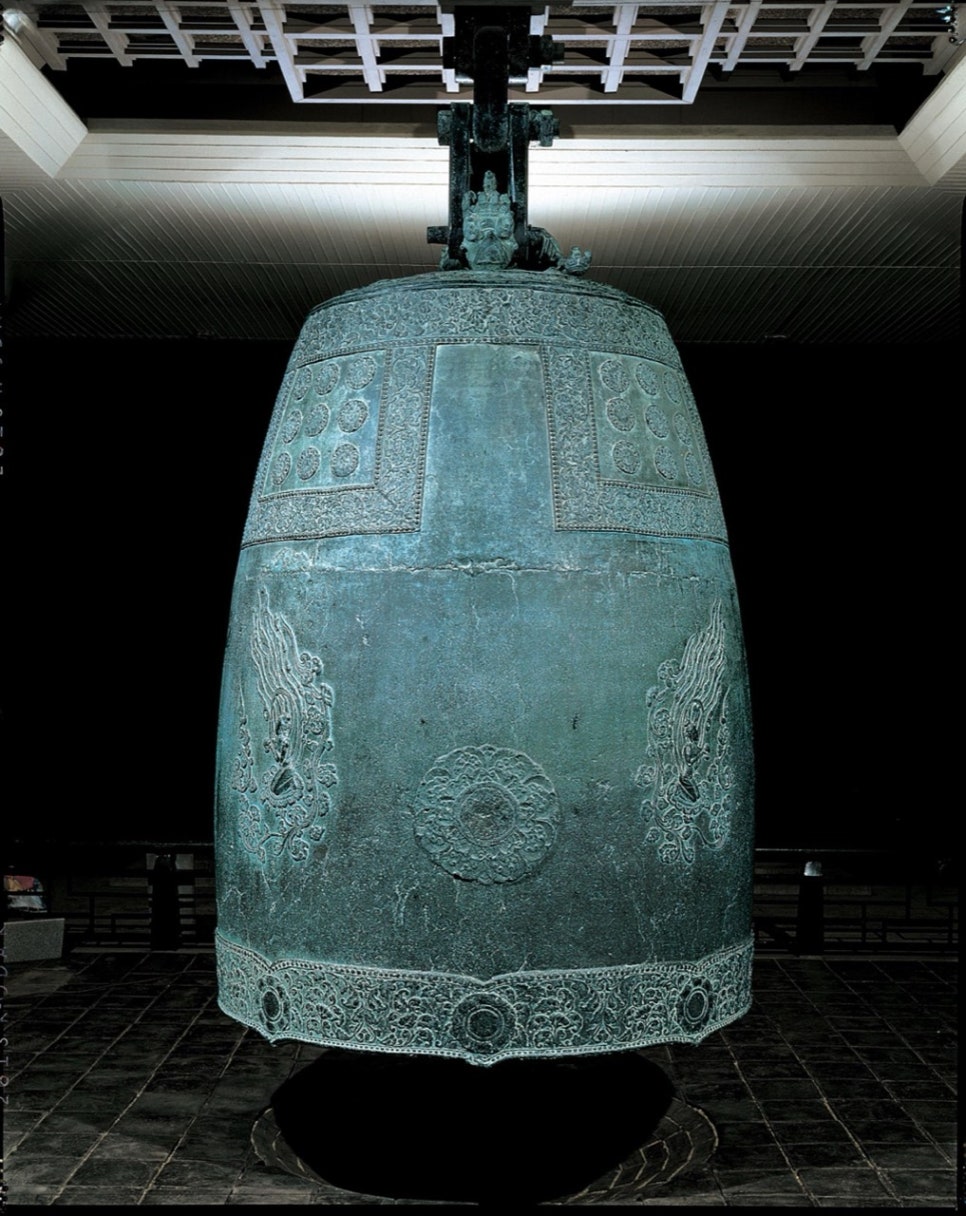
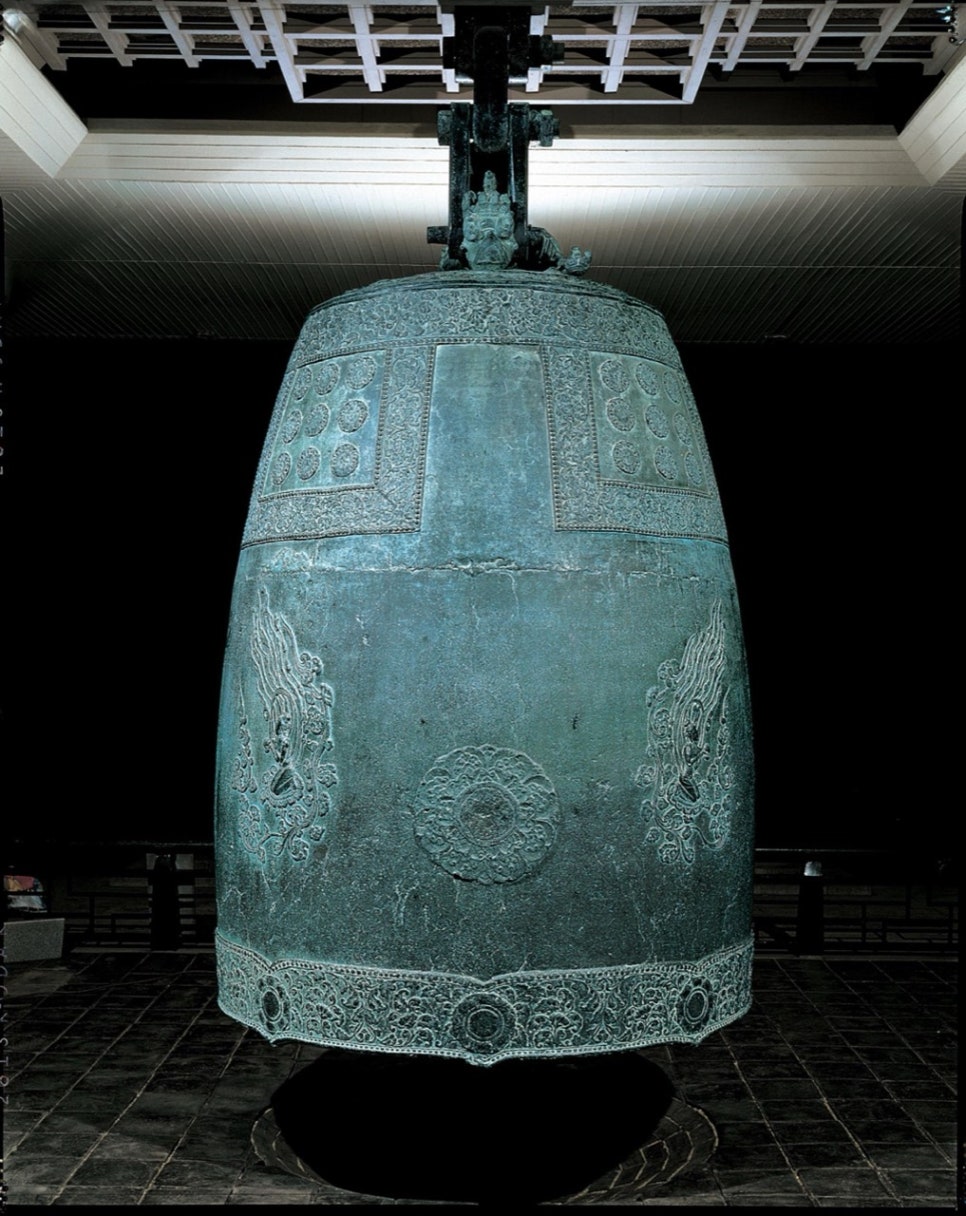
A concert built around the Divine Bell of King Seongdeok, the bronze temple bell finished in 771 and now a national treasure, comes to Theater Yong at the National Museum of Korea in Seoul. Staged by the National Museum Foundation of Korea, Sori ("sound") starts from a simple idea: to treat an object people usually look at through glass as something to listen to. According to the foundation's press release of 14 September, the evening is split into three parts — how the bell was cast, how it sounds, and the hopes inscribed on it — told through music, film and stagecraft.
How is the concert put together?
Each of the three parts takes a number as its title: √2, standing for the bell's proportions; 64Hz, for its low, long hum; and 771, the year it was completed. A different performer leads each part.
The three parts of Sori (from the National Museum Foundation of Korea press release)
- Part 1, Form · √2 (saenghwang, Han Jisu)
- Clay moulds and molten metal, the dragon hook and the celestial figures coming together as one bell
- Part 2, Resonance · 64Hz (yanggeum, Yoon Eunhwa)
- The moment after the strike, when the vibration runs through the metal and spreads into the air
- Part 3, Wish · 771 (Seodo Band)
- The prayers for peace cast into the bell, carried into a present-day voice
The saenghwang is a mouth organ of bamboo pipes bundled together; it sounds on both the in-breath and the out-breath, so it can hold a chord for a very long time. The yanggeum is a hammered dulcimer with metal strings, and rings with a bright, metallic decay. Moving from breath to struck metal and then to the human voice, the running order follows the way a bell's sound is made. Seodo Band, who close the show, are known for what they call "Joseon pop": Korean traditional vocal style over a pop band.

What is the Divine Bell of King Seongdeok?
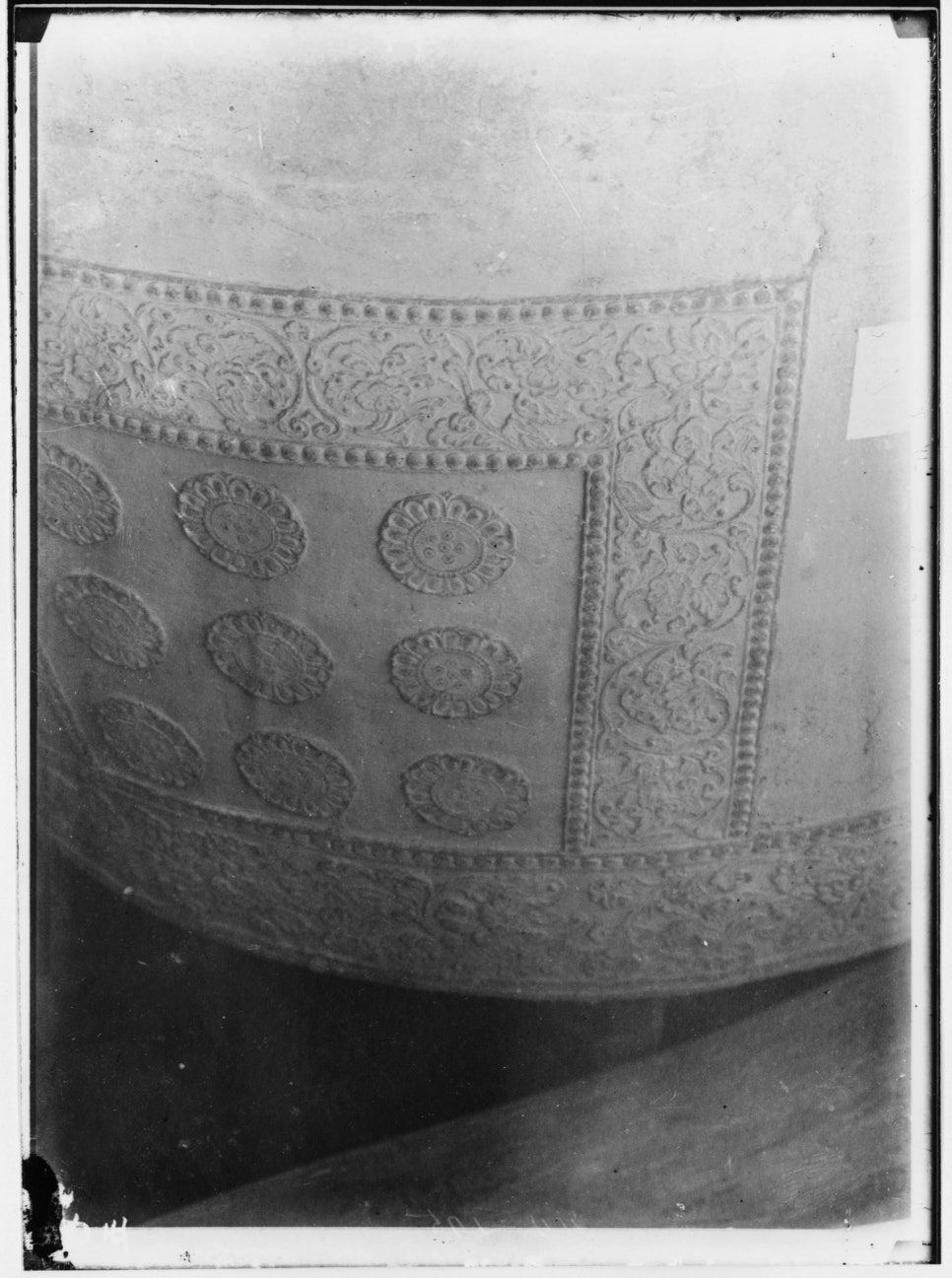
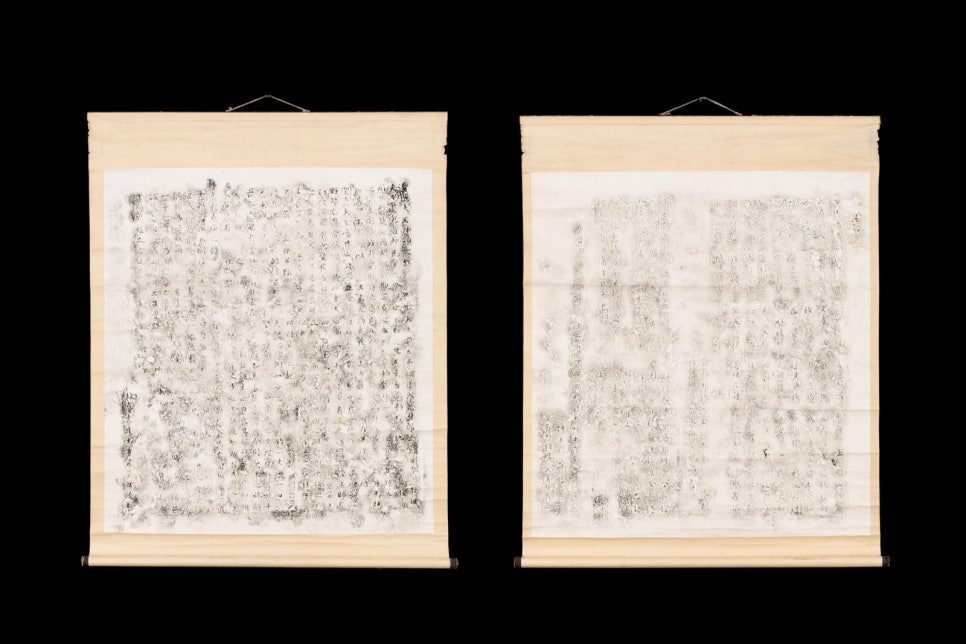
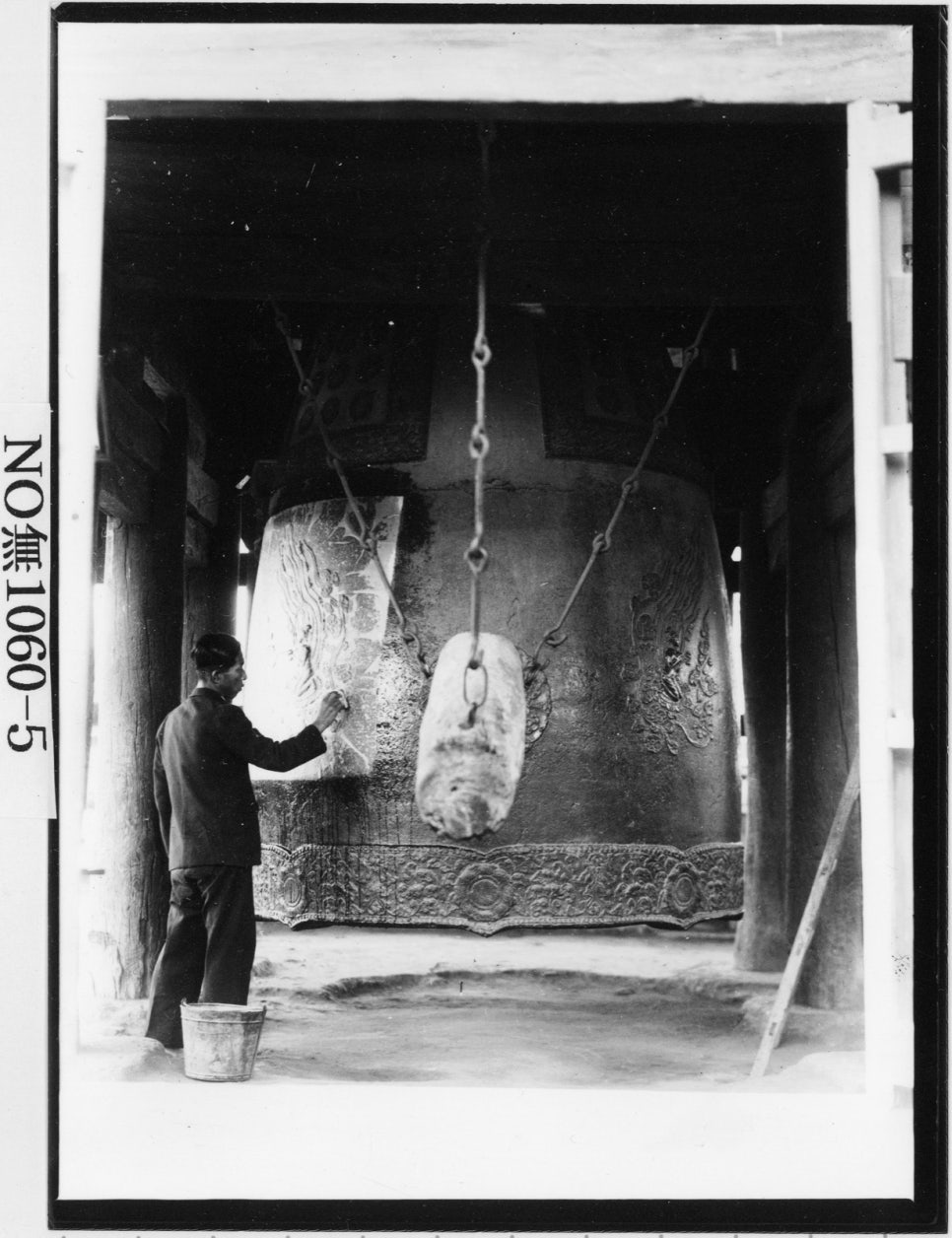
King Gyeongdeok of Unified Silla began it in honour of his father, King Seongdeok; it was finished under his son, King Hyegong, in 771. It was designated a national treasure in 1962 and now hangs in an open pavilion in the grounds of the Gyeongju National Museum. It is the largest bell surviving in Korea, and its body carries a long inscription recording how it was made.
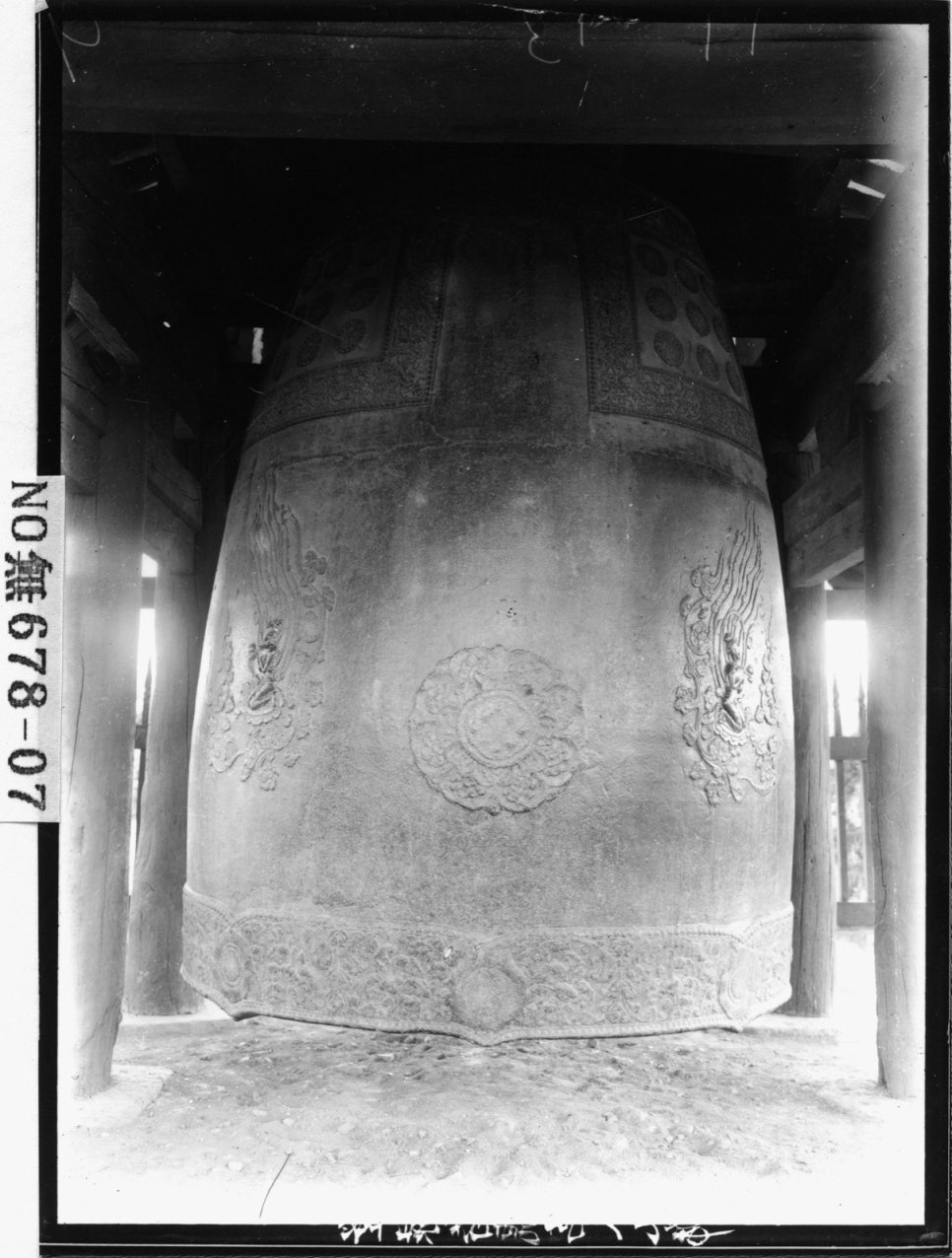
- Other names: it is also called the Bongdeoksa Bell, after the temple where it first hung, and the Emille Bell, after a legend that a child was cast into the metal. That story is folklore, not recorded fact.
- Its moves: from Bongdeoksa to Yeongmyosa temple, then to the old museum in central Gyeongju, and in 1975 to the present Gyeongju National Museum.
- The sound tube: a hollow pipe rising beside the dragon-shaped hook at the top, a feature found only on Korean bells.

Why 64Hz?
The bell is famous for a sound that swells and fades again and again long after it is struck, an effect Korean calls maekdori — a beat. Because the bell is not perfectly symmetrical, it vibrates at two or more very close pitches at once, and those vibrations keep reinforcing and cancelling each other. The 64Hz of the second part refers to the lowest of the bell's tones, low enough to be felt in the body as much as heard.
Keep the show's interpretation apart from the record
The √2 in the first part's title is the production's own reading of the bell's proportions; it is not a figure in the Korea Heritage Service's or e-museum's description of the bell. Published heights and weights also vary with when and how the bell was measured, so we have not quoted them.
Booking, discounts and getting there
Tickets are sold on Ticketlink (product 65607) and by phone on 1544-5955. With only two performances, seats are limited; if you want a particular section, check early.
- Discounts: according to the foundation, Theater Yong members, seniors, disabled visitors, national merit holders and groups can get up to 50% off, and arts-pass and culture-card holders, pregnant women, large families and young people 20–40%. Only one discount applies, proof is checked at the door, and most of these schemes are for Korean residents.
- Collecting tickets: the Theater Yong box office hands them out from an hour before the show.
- Cancelling: no cancellations or refunds on the day of the performance.
- Getting there: from Ichon Station (이촌역), Exit 2, follow the covered underground Museum Path to the museum. The car park is busy at weekends, so the subway is easier.
Check the discounts again just before booking
We took the discount groups and rates from the foundation's performance notice, which gives them as an image, and could not confirm them in a second written source. Check the Ticketlink booking screen or call Theater Yong (1544-5955) for what actually applies.
Getting there and what to expect on the day
Ichon Station is on Line 4 and the Gyeongui–Jungang Line, a few stops south of Seoul Station; from Exit 2 a covered walkway of about 150 metres leads to the museum, all signed in English. Theater Yong is part of the museum complex, and the museum's permanent galleries — free to enter, signed in Korean and English, with English-speaking staff at the main information desk — make a natural morning before a 3pm curtain. The concert itself has no English programme or surtitles announced; it is mostly instrumental, so a listener who reads no Korean loses the narration but not the music. Booking is the harder part: Ticketlink's site is in Korean and its membership sign-up usually asks for a Korean mobile number, and the 1544-5955 line answers in Korean. If neither works for you, a hotel concierge can usually book by phone.
Frequently asked questions
- Q. When is the Seongdeok Bell concert at the National Museum of Korea?
- On Saturday 31 October and Sunday 1 November 2026, once each day at 3pm, in Theater Yong at the National Museum of Korea in Seoul. It runs about 80 minutes.
- Q. How much are tickets for Sori: King Seongdeok's Divine Bell?
- KRW 70,000 for VIP seats, KRW 60,000 for R seats and KRW 40,000 for S seats. Discounts of 20–50% exist for set groups, mostly Korean-resident schemes, and only one discount applies per ticket.
- Q. How do I book the concert as a foreign visitor?
- Through Ticketlink (product 65607) or by phone on 1544-5955. Both work in Korean, and Ticketlink sign-up usually needs a Korean mobile number, so many visitors ask a hotel concierge or a Korean-speaking friend to book for them.
- Q. Can children go?
- The show is rated for primary-school age and up, so pre-school children cannot attend. If your child is near the cut-off, ask Theater Yong before booking.
- Q. Is the real Seongdeok Bell at the concert?
- No. The bell hangs in its pavilion at the Gyeongju National Museum, about two hours from Seoul by KTX. The Seoul concert recreates its sound and story with music and film.
- Q. Is it worth going if I do not read Korean?
- Yes, if you enjoy live traditional instruments: most of the evening is music, and the saenghwang and yanggeum need no translation. You will miss any narration and on-screen text, which are in Korean, and booking takes some help.
Editor's note · Kang Shin-wook
For visitors already planning a weekend at the museum who would like to hear Korean traditional instruments in a proper hall rather than a lobby. Plan the rest of the day with our National Museum of Korea visiting guide; the bell itself hangs in Gyeongju, covered in our Gyeongju National Museum guide.
Sources
- Official notice (Korean)
- National Museum Foundation of Korea performance page (Korean)
- Korea Heritage Service portal: Divine Bell of King Seongdeok (Korean)
- e-museum collection search, glass plates and rubbing (Korean)
Written in our own words from the sources above, never copied from them, and every date and price checked against at least two pages. The originals are in Korean. Spotted a mistake? Ask for a correction.
Latest from National Museum of Korea
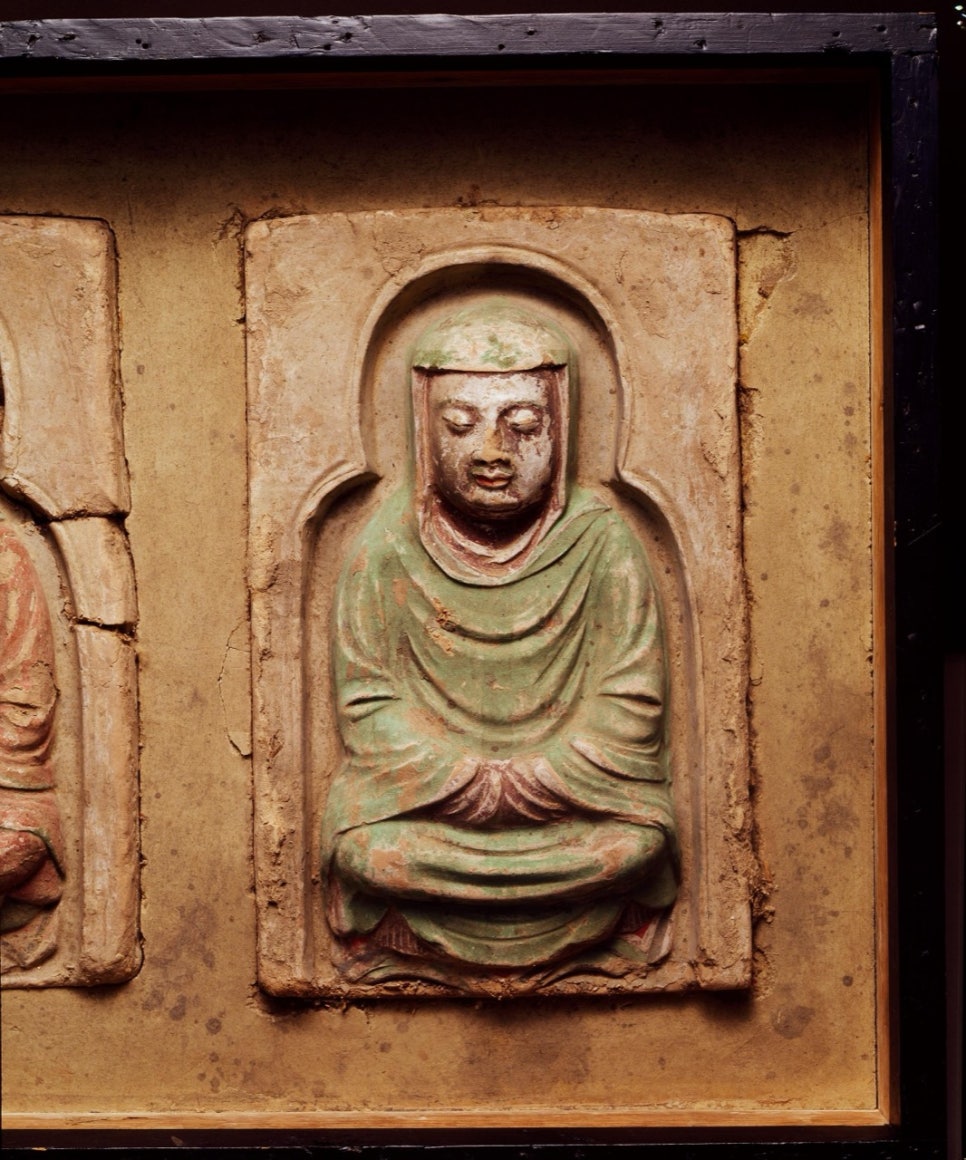 National Museum of KoreaExhibition17 October 2026In 5 daysFreeDunhuang sutras on show for the first time at the National Museum of Korea — free until 24 Jan
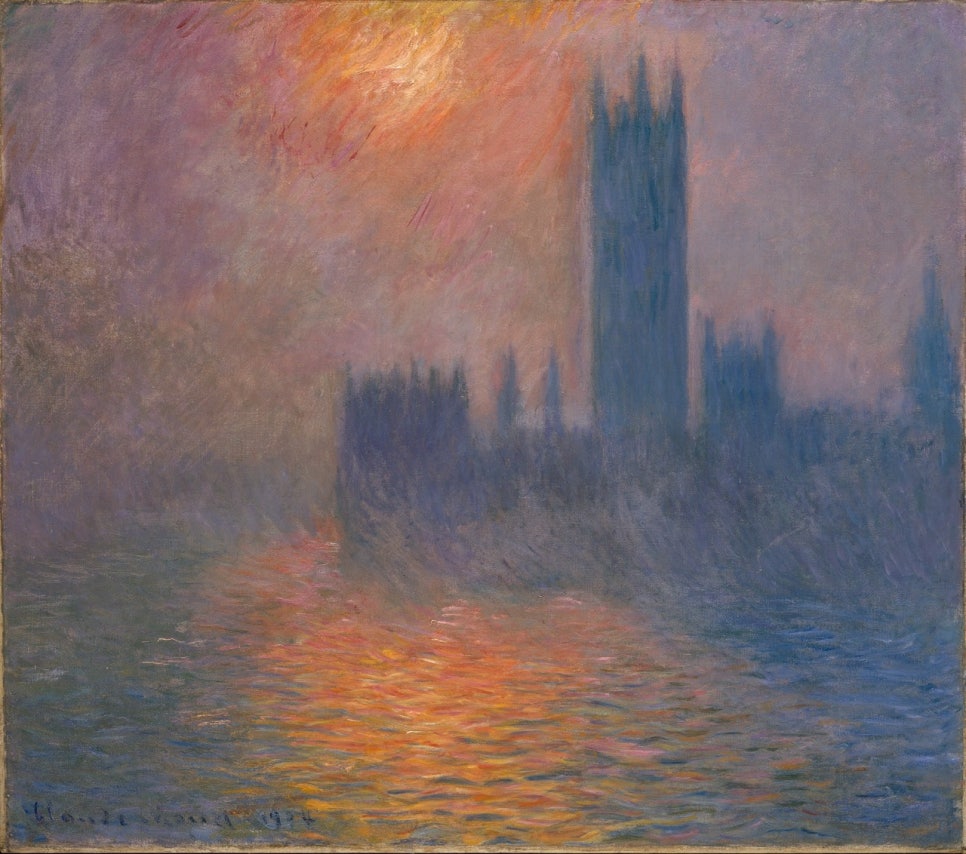 National Museum of KoreaExhibition14 October 2026In 40 daysKunsthaus Zürich masterpieces at the National Museum of Korea — KRW 12,000 early bird until 17 Dec
 National Museum of KoreaNews10 October 2026MU:DS Regional Heritage Collection — 100 museum goods from 13 national museums
 National Museum of KoreaExhibition6 October 2026In 61 daysMarie Antoinette Style at Seoul’s National Museum — from 18 Dec