Programme·National Museum of KoreaOn nowFree
Wednesday-night curator talks at the National Museum of Korea — October, in Korean
Summary
On the four Wednesdays of October 2026 — the 7th, 14th, 21st and 28th — the National Museum of Korea runs 16 free 30-minute gallery talks by its curators and conservators during late opening, at 6pm and 7pm. There is no sign-up and no cap: you go to the gallery at the start time. The talks are given in Korean, with no interpretation. For a visitor who does not speak Korean, the useful part is the late opening itself: the permanent galleries are free, labelled in English and open until 9pm, and the schedule below shows which galleries will be busy with a talk.
Article
In short
- The National Museum of Korea's Curator Talks for October 2026 run on Wednesday 7, 14, 21 and 28 October, four talks a night, 16 in all.
- Talks start at 6pm and 7pm and last 30 minutes. Two talks run at the same time in different galleries.
- There is no sign-up and no limit on numbers: go to the gallery at the start time. Talks in the permanent galleries are free.
- Talks in the special exhibition Our Table (closes 25 October) need an exhibition ticket; you must be inside when it starts, and you cannot leave and come back in.
- Every talk is in Korean with no interpretation. Without Korean, treat the night as a quiet late opening — free, labelled in English, open until 9pm.
The National Museum of Korea stays open until 9pm on Wednesdays and Saturdays. During the Wednesday late opening its curators and conservators come out into the galleries for 30-minute Curator Talks. October's programme puts talks in front of some of the museum's best-known objects — Silla gold, movable metal type, the Daedong Yeojido map, blue-and-white porcelain — alongside four talks by the conservation science department. An hour after work is enough for two of them.
What is the October schedule?
This is the timetable attached to the museum's press release, set out by date and time. The two talks that share a slot start together, so on any evening you can hear one at 6pm and one at 7pm.
October 2026 Curator Talks (timetable attached to the press release)
- Date and time
- Topic · gallery · speaker
- 7 Oct 6pm
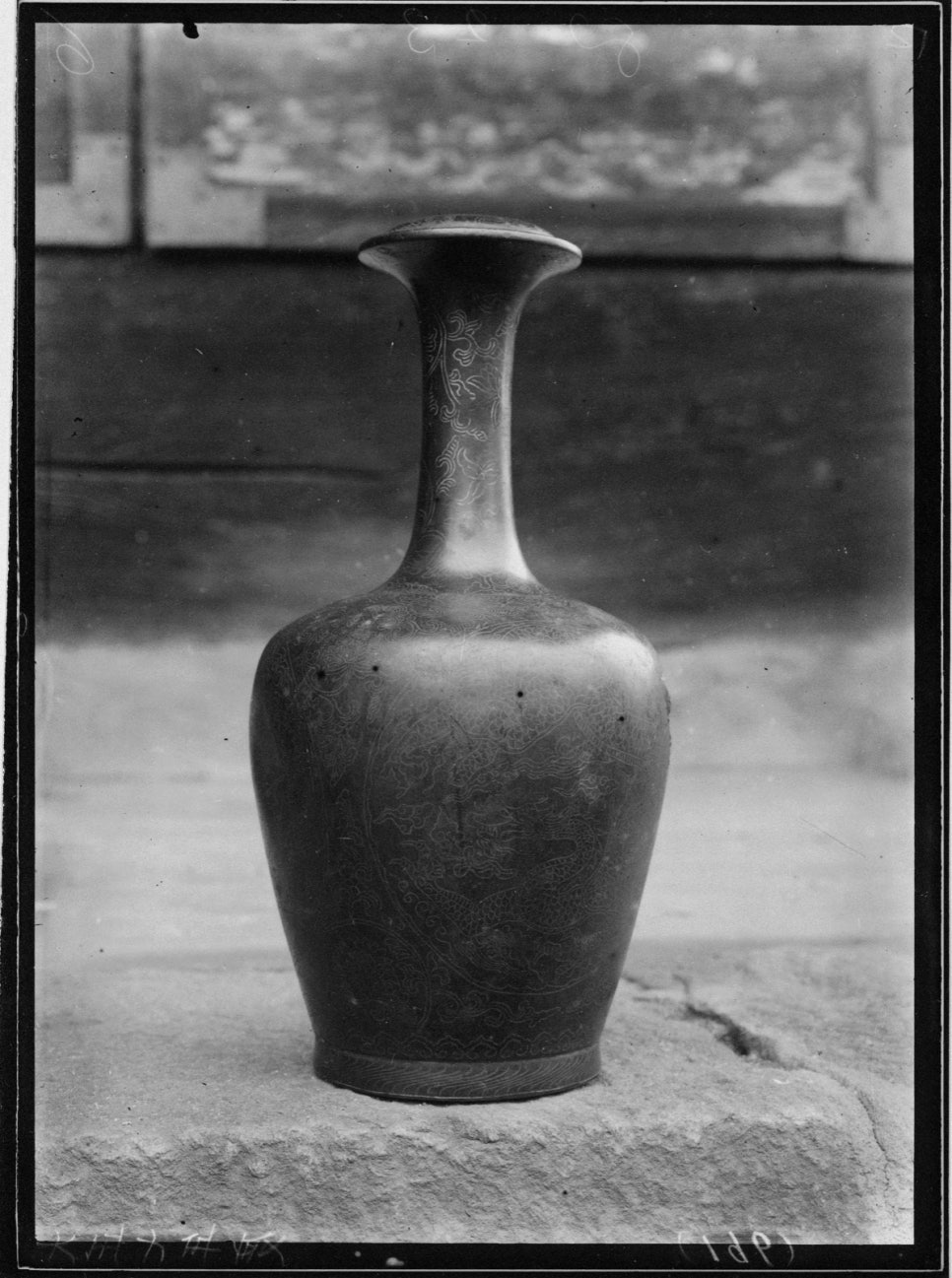
- Glass-plate photographs · Korean Empire Gallery (Room 120) · Kim Yeong-min, Collection Management
- 7 Oct 6pm
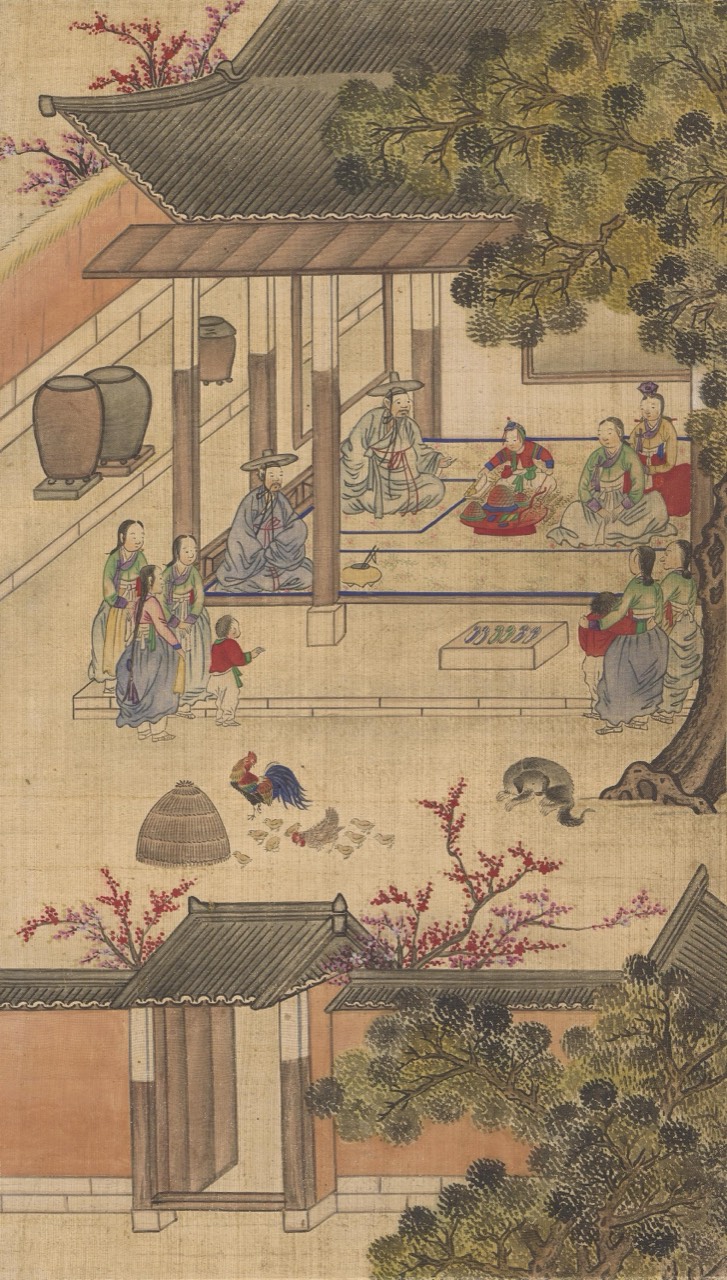
- The story of a Joseon life-cycle screen, for children · Children's Museum · Kim Hye-jeong, Children's Museum
- 7 Oct 7pm
- Special exhibition Our Table (14) · Special Exhibition Gallery 2 · Noh Hyeong-sin, Archaeology and History
- 7 Oct 7pm
- Buddhist faith and art of Goryeo · Goryeo Gallery 2 (Room 116) · Jeong Da-hui, Collection Management
- 14 Oct 6pm
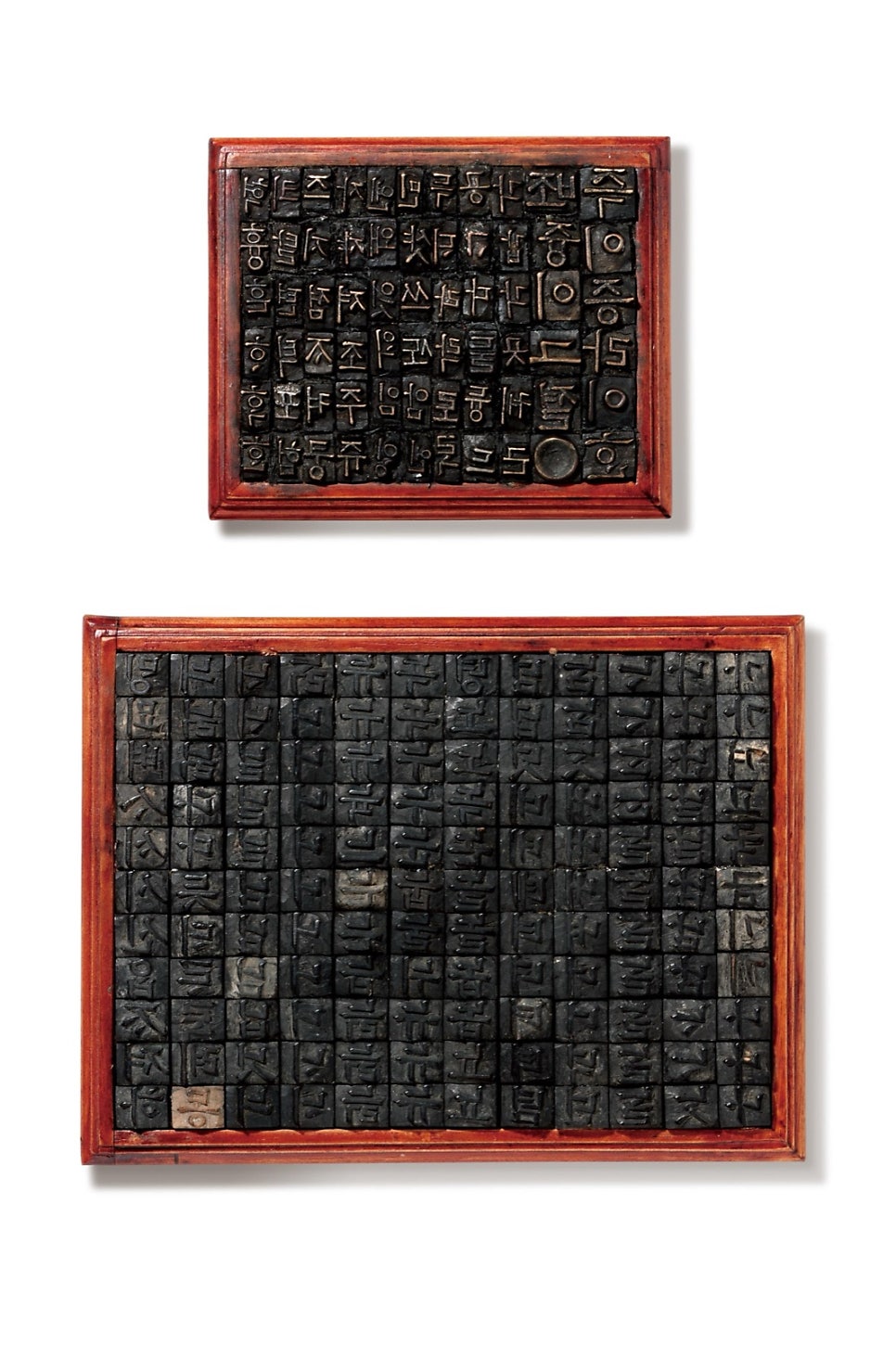
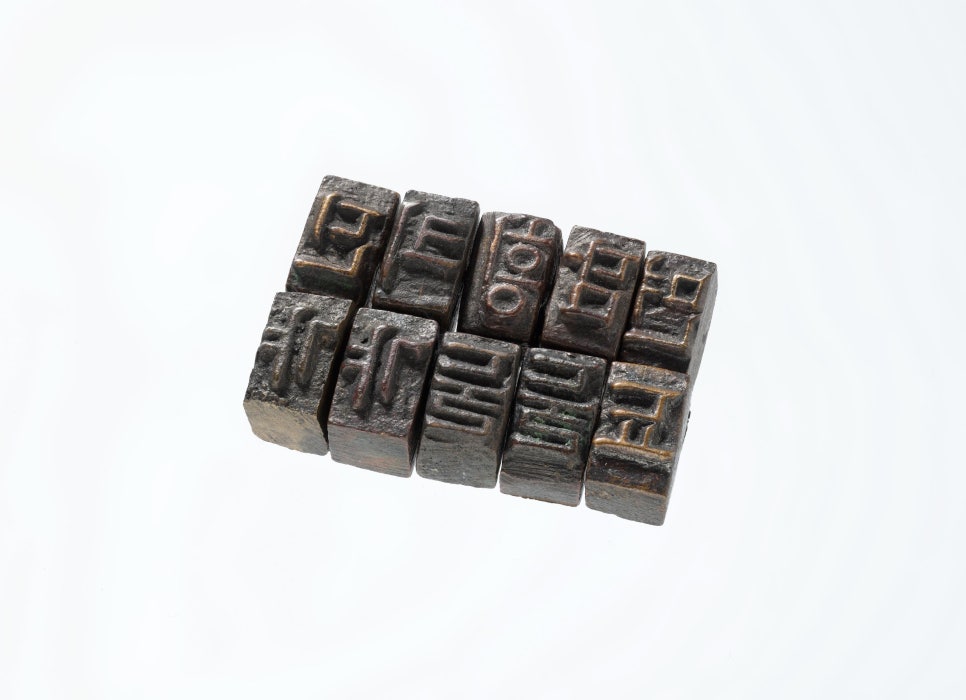
- The science of metal type · Joseon Gallery 3 (Room 119) · Park Hak-su, Conservation Science
- 14 Oct 6pm
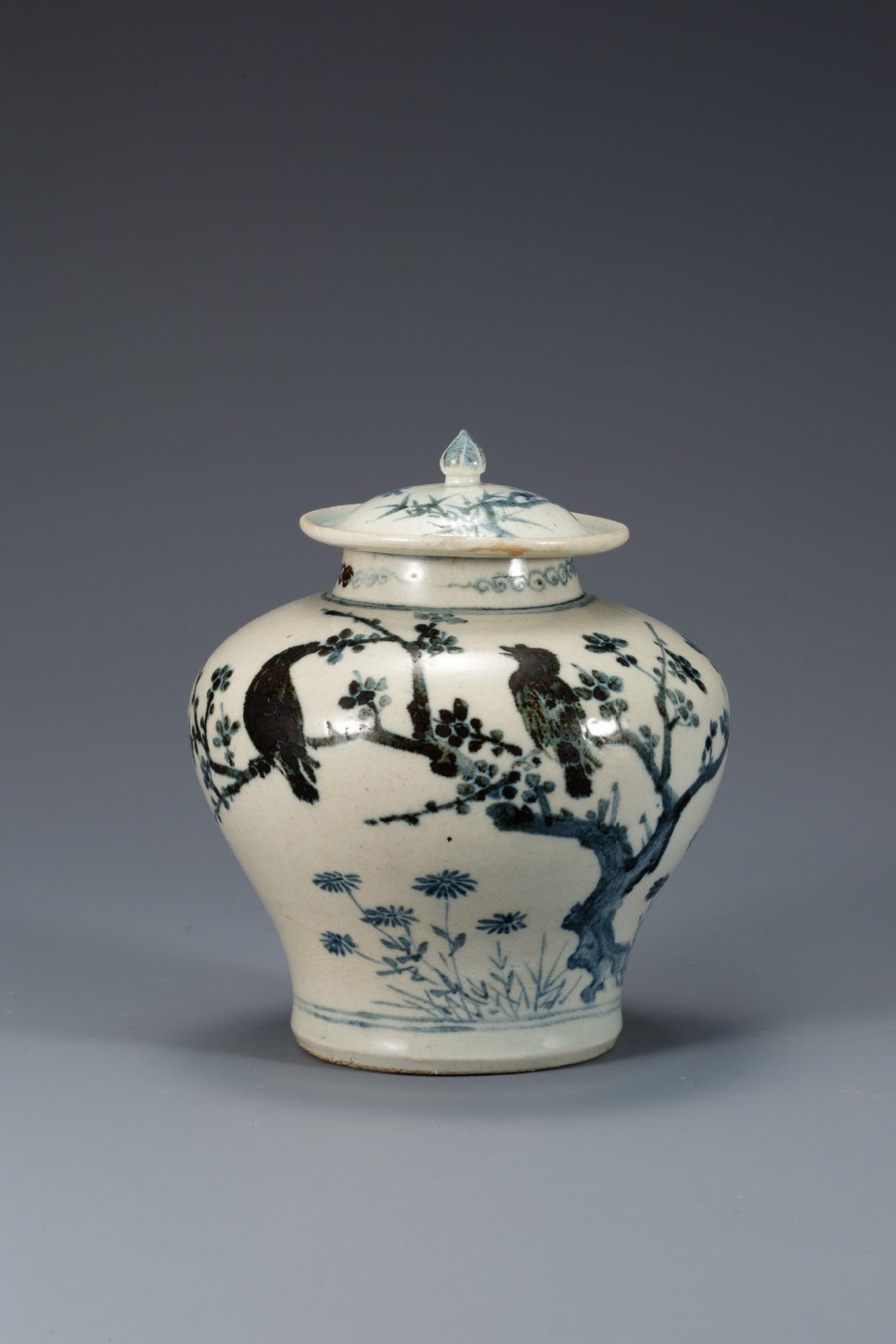
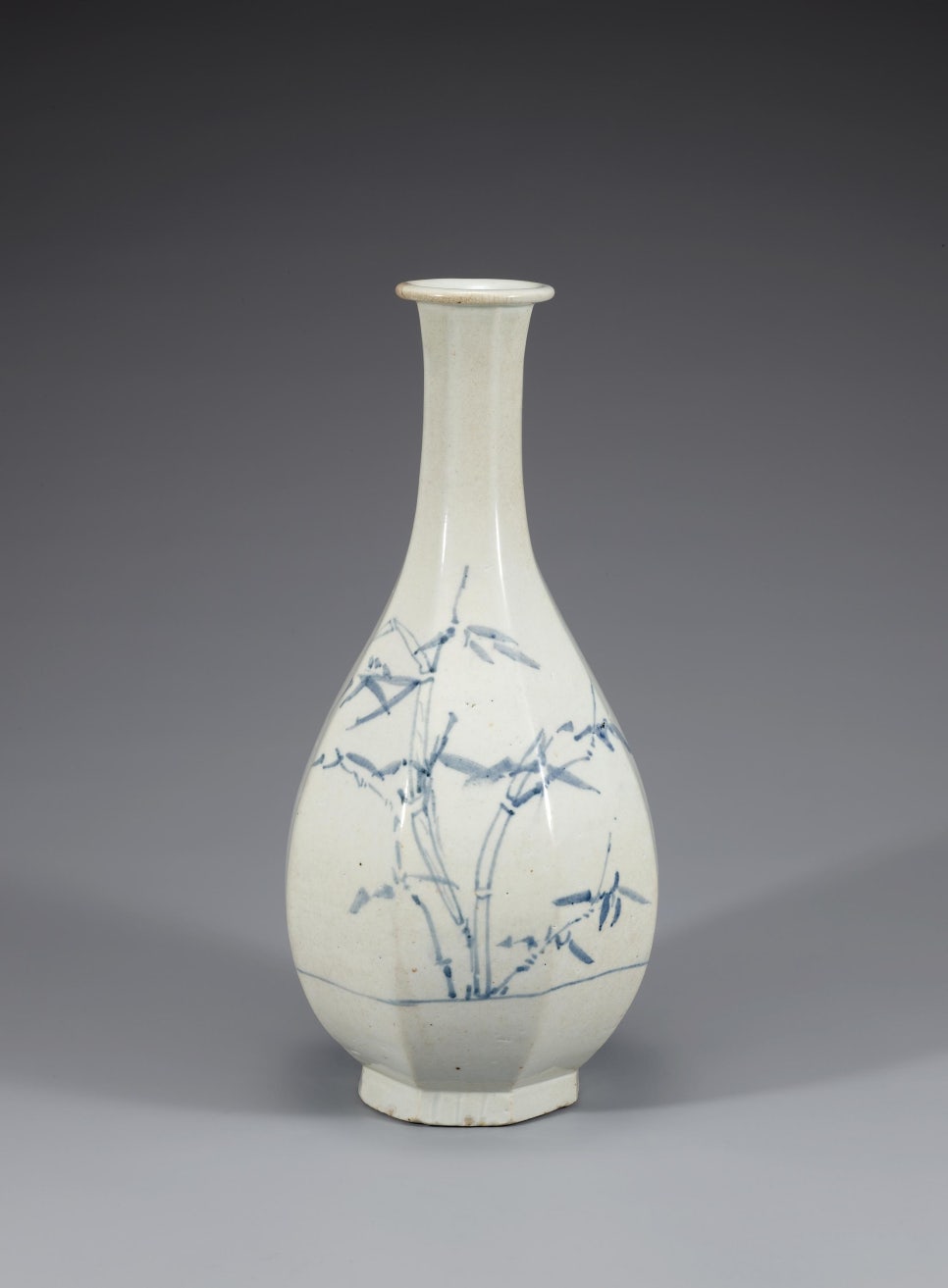
- Looking at blue-and-white porcelain · Porcelain Gallery (Room 305) · Kang Gyeong-nam, Fine Arts
- 14 Oct 7pm
- Special exhibition Our Table (15) · Special Exhibition Gallery 2 · Noh Hyeong-sin, Archaeology and History
- 14 Oct 7pm
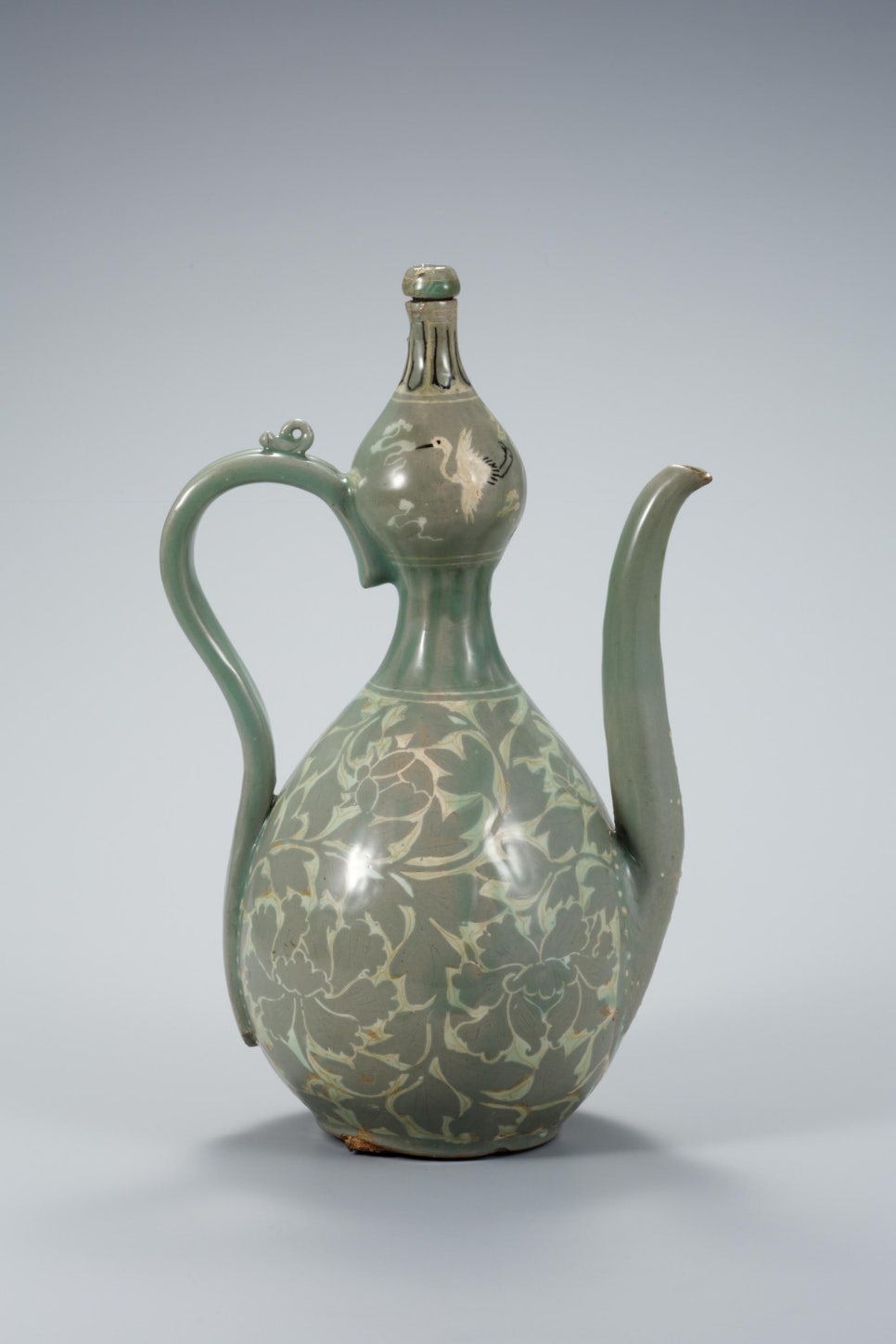
- How ceramics were made · Buncheong and Porcelain Galleries (Rooms 304–305) · Lee So-yeon, Conservation Science
- 21 Oct 6pm
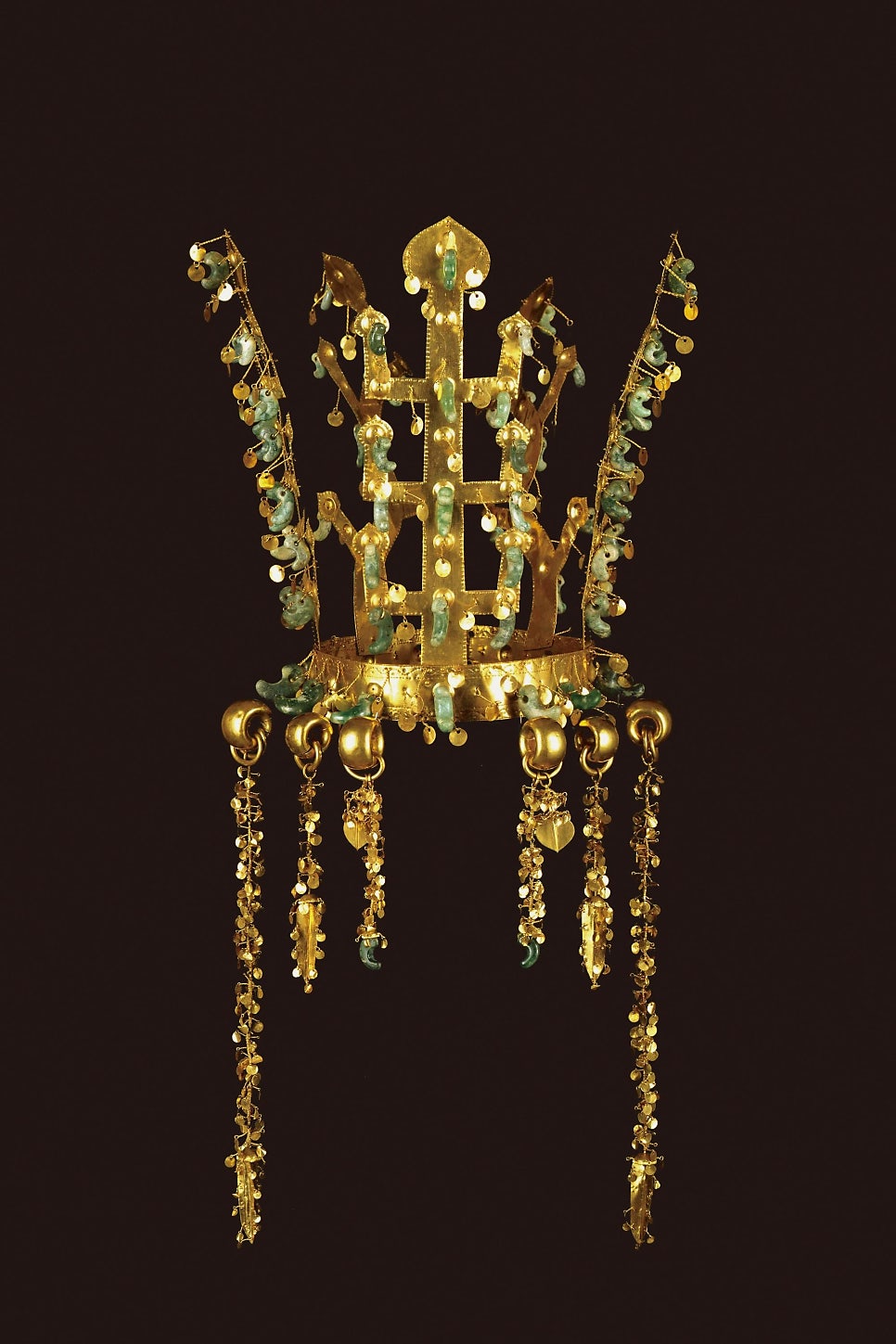
- Silla royalty and gold ornaments · Silla Gallery (Room 108) · Ryu Jeong-han, Future Strategy
- 21 Oct 6pm
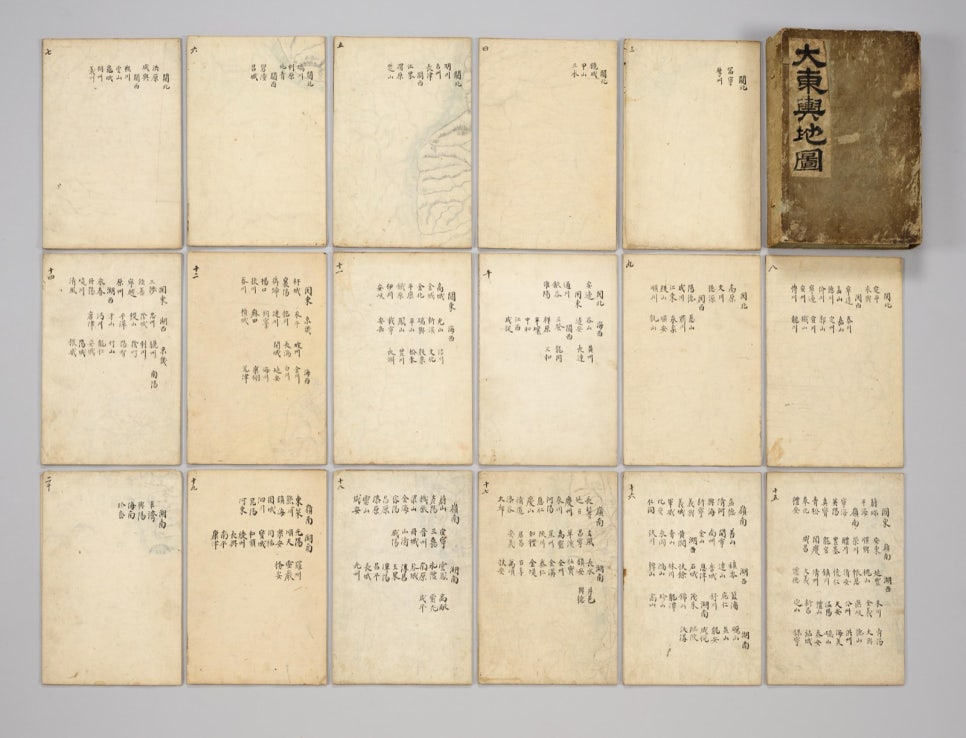
- Korea through the Daedong Yeojido map · Path to History · Lee Yeong-sin, Children's Museum
- 21 Oct 7pm
- Special exhibition Our Table (16): the Goguryeo kitchen · Special Exhibition Gallery 2 · Jo Yong-hwan, Collection Management
- 21 Oct 7pm
- The spread of modern education in the late Joseon era · Korean Empire Gallery (Room 120) · Son Mi-eun, Education
- 28 Oct 6pm
- Stories from the museum's own history · Paleolithic Gallery (Room 101) · Eom Chae-hyeon, Cultural Exchange and Public Relations
- 28 Oct 6pm
- Materials of Joseon painting and calligraphy · Painting and Calligraphy Gallery 1 (Room 202) · Park Mi-seon, Conservation Science
- 28 Oct 7pm
- Cultural heritage on the dining table · Children's Museum · Lee Min-su, Children's Museum
- 28 Oct 7pm
- Pearls and leather of the Three Kingdoms · Gaya Gallery (Room 107) · Kwak Hong-in, Conservation Science
What do the Silla gold and metal type talks cover?
The 6pm talk in the Silla Gallery on 21 October looks at gold crowns and belts as markers of rank — ornaments only the royal family and aristocracy could wear. A week earlier, at 6pm on the 14th in Joseon Gallery 3, a conservation scientist explains movable metal type in scientific terms: why printing the same characters again and again from cast type was so efficient for its time.

Where is the Daedong Yeojido talk?
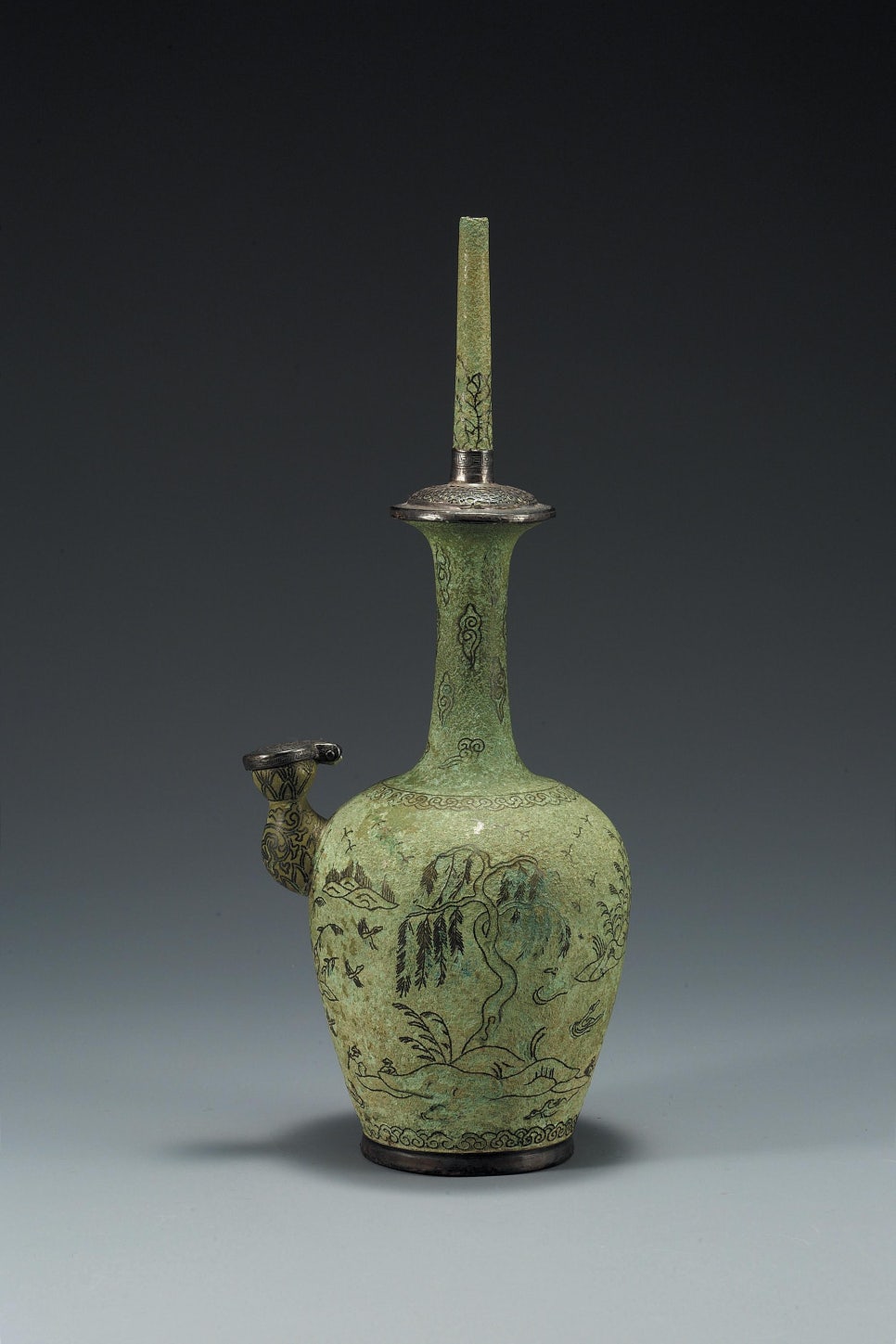
The 6pm talk on 21 October, Korea through the Daedong Yeojido map, is held on the Path to History, the long central hall on the ground floor. The museum's press photos include the Daedong Yeojido on display there, so the talk takes place in front of the real thing, on how Kim Jeong-ho made the geography of the whole peninsula readable at a glance. It is given by a Children's Museum curator, so it suits families too.

For ceramics, go on 14 October
On the 14th two talks follow each other in the third-floor Sculpture and Crafts galleries. At 6pm, Looking at blue-and-white porcelain reads the pieces through their decoration and shape; at 7pm, How ceramics were made covers research into making techniques and how it has been used to restore damaged pieces. The 6pm slot clashes with the metal type talk, so you have to choose one.
What is on the first night, 7 October?
At 6pm on the first night, the Glass-plate photographs talk in the Korean Empire Gallery introduces the early photographic process that fixed images on glass before film, and the history those plates recorded. At 7pm, Goryeo Gallery 2 has a talk on Goryeo Buddhist art and craft from an art-historical angle.
Which talks are by conservators, and which are for children?
Four of this month's 16 talks are given by the conservation science department. If what interests you is what an object is made of and how, these four go well together.
- 14 Oct 6pm — The science of metal type, Joseon Gallery 3
- 14 Oct 7pm — How ceramics were made, Buncheong and Porcelain Galleries
- 28 Oct 6pm — Materials of Joseon painting (traditional pigments), Painting and Calligraphy Gallery 1
- 28 Oct 7pm — Pearls and leather of the Three Kingdoms (traces left on excavated objects), Gaya Gallery
The two Children's Museum talks are at 6pm on 7 October (a Joseon life-cycle screen) and 7pm on 28 October (cultural heritage on the dining table). The special exhibition Our Table closes on 25 October, so this month's three talks there are the last; the one on the 21st focuses on the kitchens and food of Goguryeo.
Before you go
For the special exhibition talks you must be in the gallery when the talk starts, and you cannot re-enter once you leave. The press release gives no price for the special exhibition ticket; check the exhibition page. None of the October Wednesdays is a public holiday, but the museum says speakers, topics and galleries may change.
Getting there, and what works without Korean
Take Line 4 or the Gyeongui–Jungang Line to Ichon Station, leave by Exit 2 and follow the covered Museum Path walkway for about five minutes to the entrance; the subway is signed and announced in English. Inside, the permanent galleries are free and labelled in Korean and English, there is a paid audio guide at the entrance, and the information desk has English-speaking staff. The Curator Talks themselves are in Korean only, with no interpretation. That makes them background rather than the reason to come: on a talk night the permanent galleries stay open until 9pm (last entry 8:30pm) and are far quieter than at weekends, and the timetable above tells you which room will have a crowd around a speaker at 6 and 7. The museum also runs free English-language guided tours of the permanent galleries on its own timetable, listed on its tours page.
Frequently asked questions
- Q. Do I need to book the National Museum of Korea Curator Talks?
- No. There is no sign-up and no limit on numbers; go to the gallery at the start time.
- Q. When are the October 2026 Curator Talks?
- On Wednesday 7, 14, 21 and 28 October 2026, from 6:00 to 6:30pm and 7:00 to 7:30pm. There are four talks each Wednesday, 16 in total.
- Q. Are the Curator Talks free?
- Talks in the permanent galleries are free. The talks in the special exhibition Our Table need a ticket for that exhibition.
- Q. How late is the National Museum of Korea open on Wednesdays?
- 9:30am to 9pm on Wednesdays and Saturdays, with last entry at 8:30pm. On other days it closes at 5:30pm, with last entry at 5pm.
- Q. Is it worth going if I do not read Korean?
- For the talks themselves, no — they are given in Korean with no interpretation. For the late opening, yes: the permanent galleries are free, labelled in English and open until 9pm on Wednesdays, and far quieter than at weekends.
Editor's note · Kang Shin-wook
Written for visitors wondering whether an evening at the museum is worth it without Korean, and for Korean speakers living in Seoul who want the full programme in one table. Opening hours, the route from Ichon Station and English services are in the National Museum of Korea visiting guide.
Sources
- Official notice (Korean)
- National Museum of Korea visitor information (Korean)
- National Museum of Korea guided tours and visitor services (English)
Written in our own words from the sources above, never copied from them, and every date and price checked against at least two pages. The originals are in Korean. Spotted a mistake? Ask for a correction.
Latest from National Museum of Korea
 National Museum of KoreaExhibition17 October 2026In 5 daysFreeDunhuang sutras on show for the first time at the National Museum of Korea — free until 24 Jan
 National Museum of KoreaExhibition14 October 2026In 40 daysKunsthaus Zürich masterpieces at the National Museum of Korea — KRW 12,000 early bird until 17 Dec
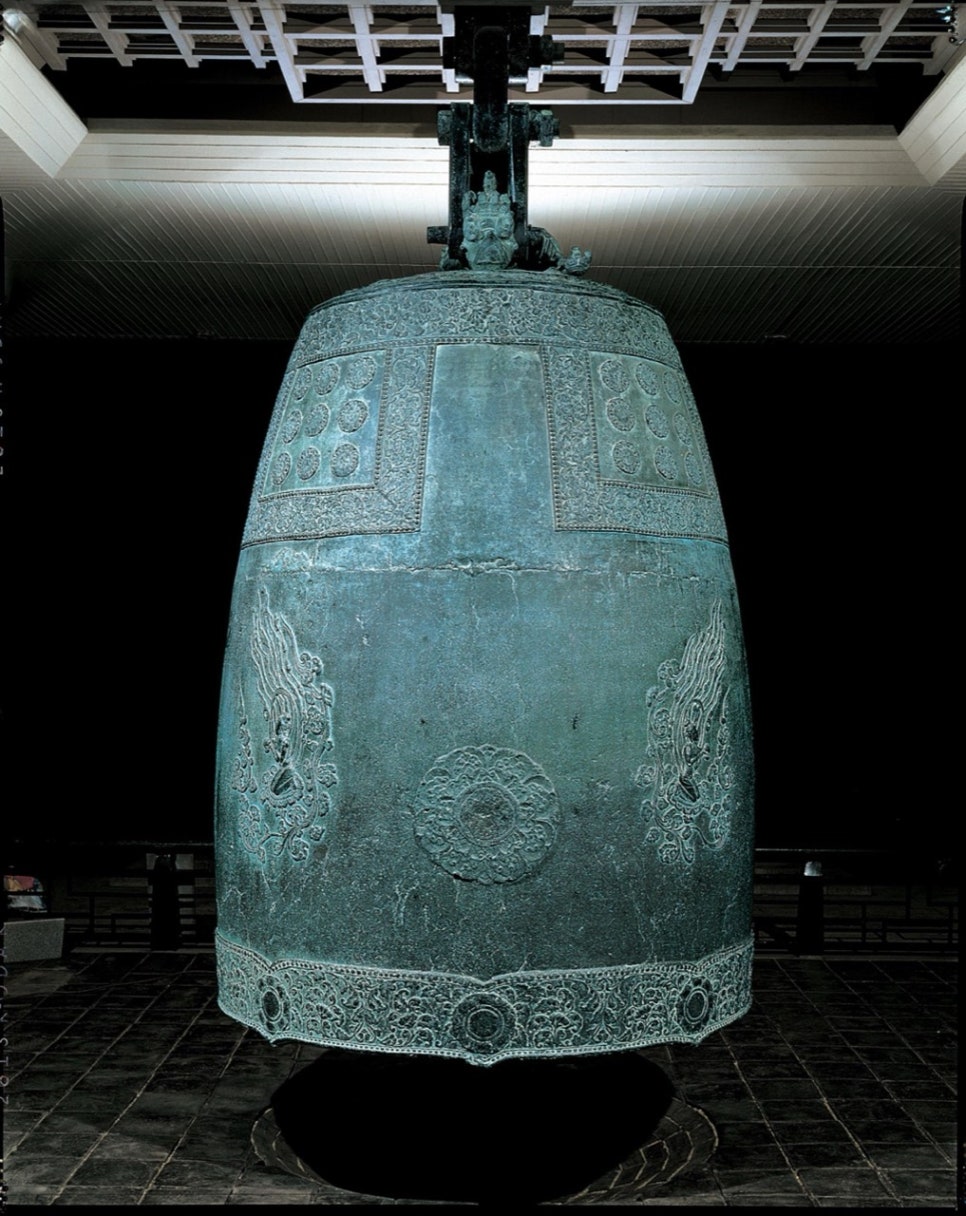 National Museum of KoreaNews10 October 2026MU:DS Regional Heritage Collection — 100 museum goods from 13 national museums
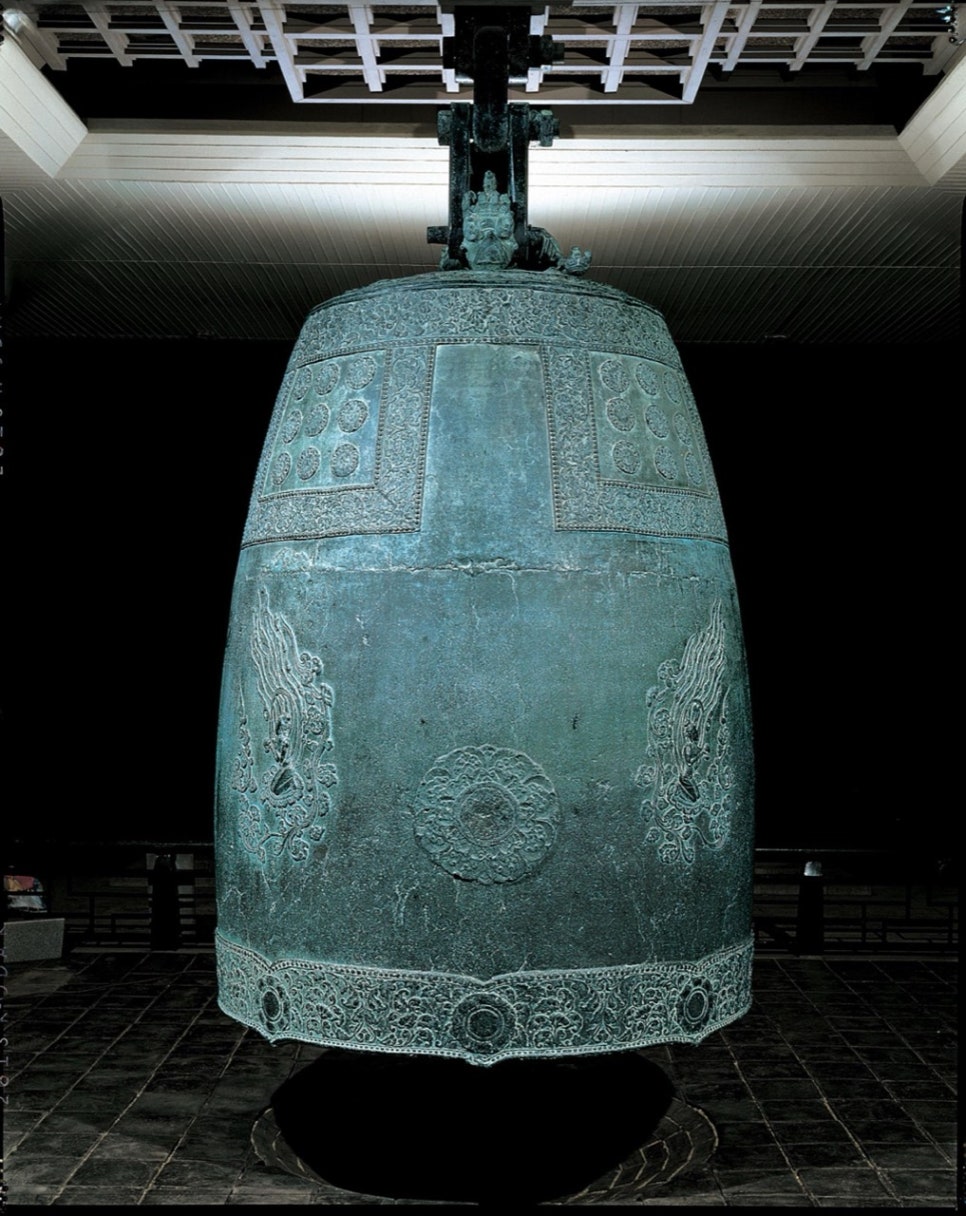 National Museum of KoreaEvent10 October 2026In 13 daysSori: the Seongdeok Bell in concert at the National Museum of Korea — 31 Oct & 1 Nov