Exhibition·National Museum of KoreaOn nowFree
National treasures are touring three small county museums until late November
Summary
The National Museum of Korea's touring exhibition puts designated national treasures into small local museums, and the autumn leg runs at Gochang, Seongju and Cheongdo. Seongju and Cheongdo are free; Gochang charges its own museum admission of KRW 3,000 for adults. All three close on Mondays, and Gochang and Seongju move to winter hours in November.
Article
In short
- The autumn leg runs at Gochang to 22 November, Seongju to 29 November and Cheongdo to 22 November 2026.
- Seongju and Cheongdo are free. Gochang charges its own museum admission, KRW 3,000 for an adult.
- All three close on Mondays and on 1 January, and Gochang and Seongju switch to winter hours in November, closing at 5:00pm.
- No booking is needed at any of them; groups are asked to contact the museum in advance.
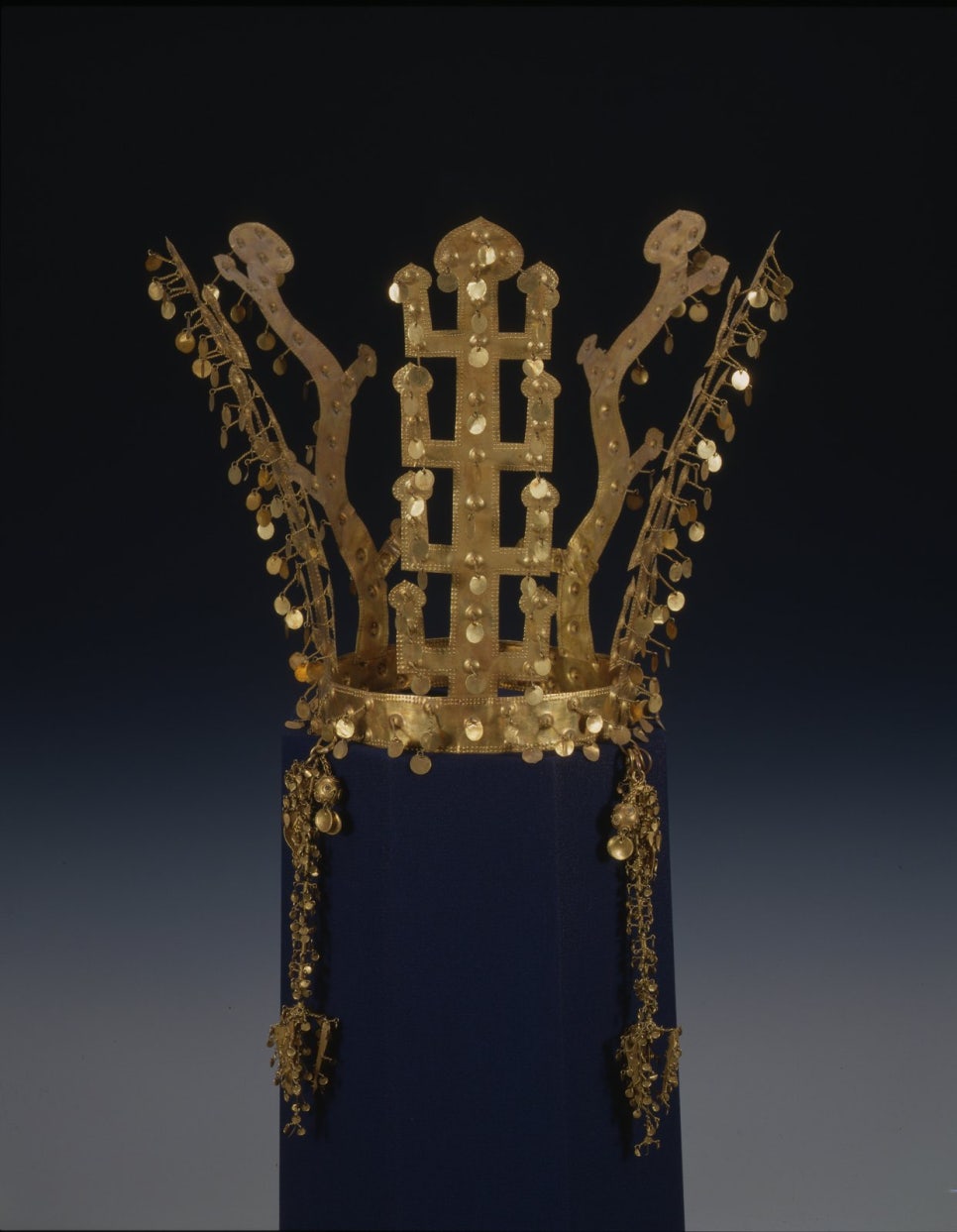
The premise of this touring exhibition is a good one: take objects designated as national treasures out of Seoul and put them, a few at a time, into county museums that would never otherwise show them. It is in its third year, and the autumn leg is at three small towns — Gochang in Jeonbuk, Seongju and Cheongdo in Gyeongbuk.
Which one to go to
The three venues
- Gochang Dolmen Museum
- 1 September to 22 November. Charged: KRW 3,000 for an adult. Sits beside the UNESCO-listed dolmen site
- Seongju Seongsan-dong Tumuli Exhibition Hall
- 2 September to 29 November. Free. Runs a week longer than the other two
- Cheongdo Museum
- 8 September to 22 November. Free


What is at each
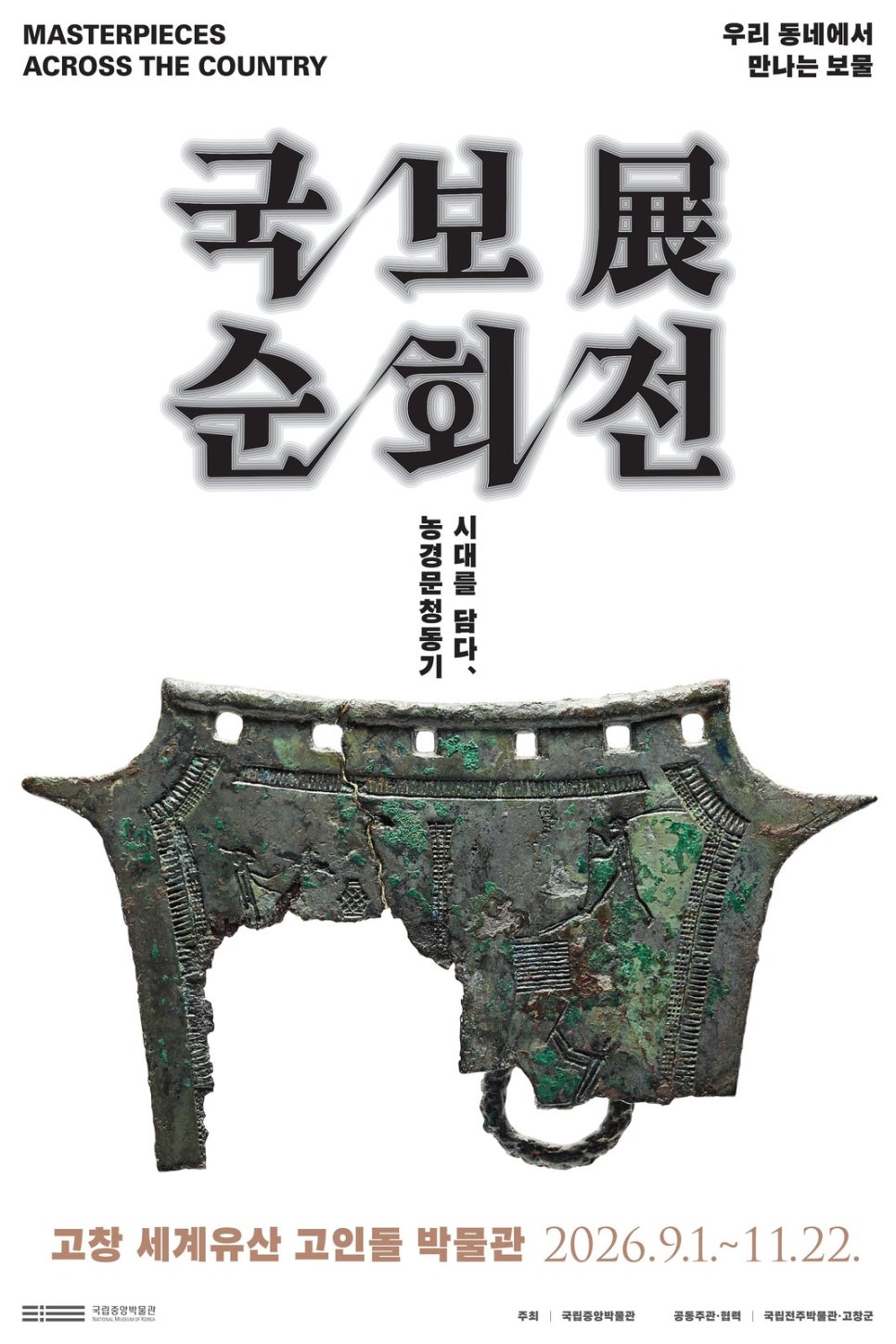
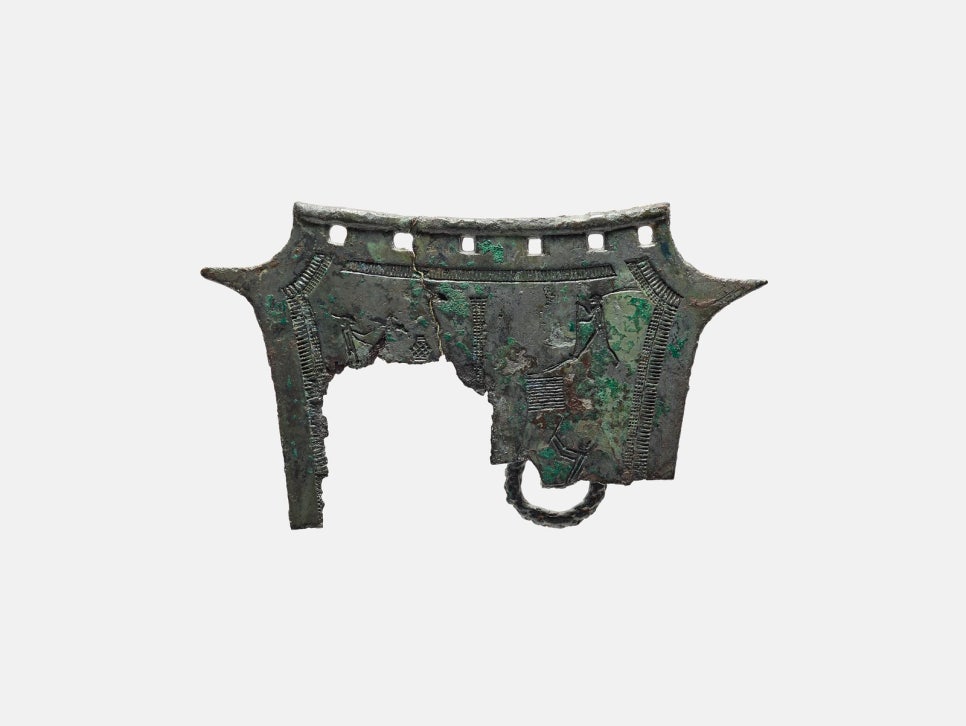
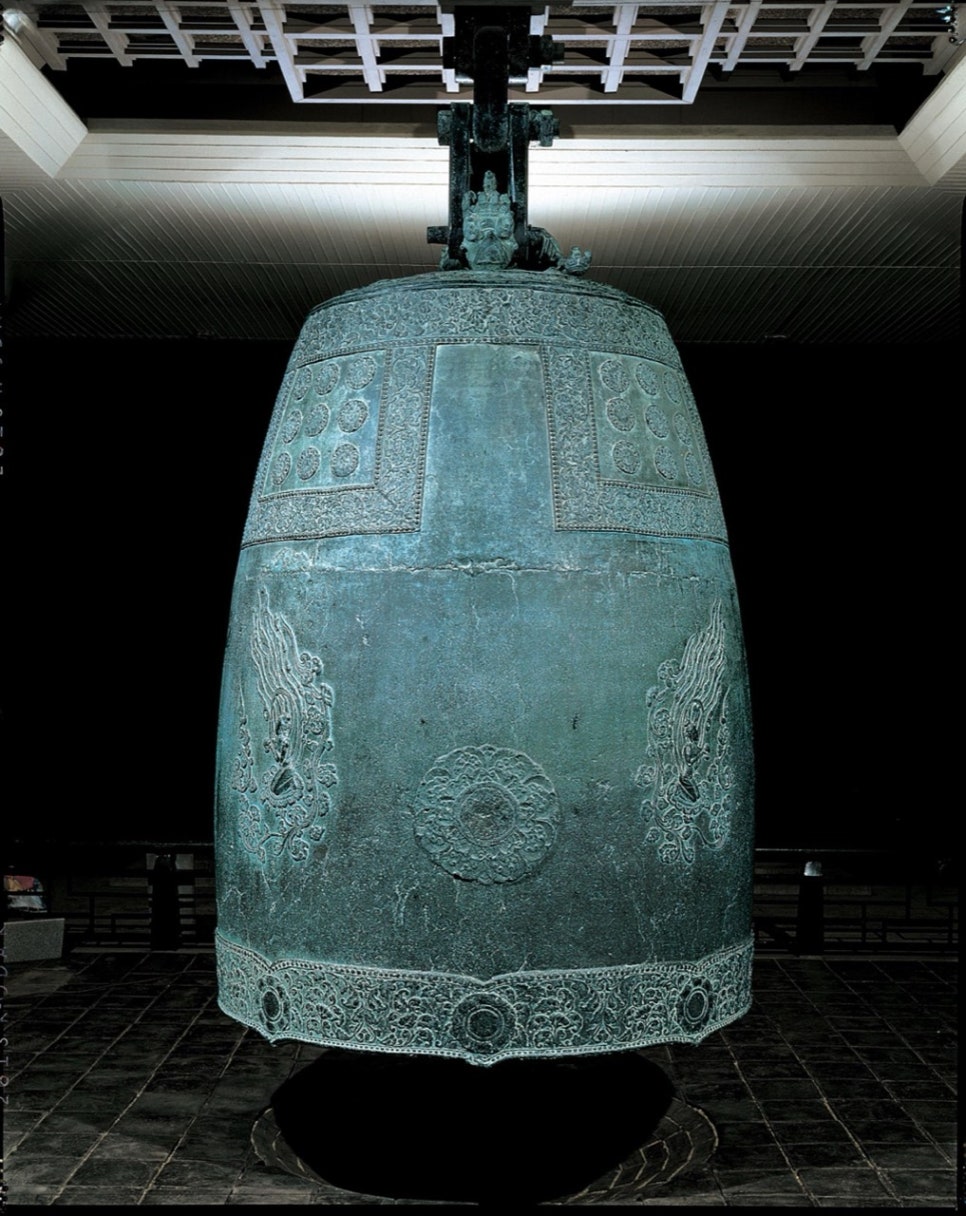
- Gochang: an agricultural-scene bronze piece and a designated bronze bell — objects from the transition into settled farming, shown next to a dolmen landscape that belongs to the same long story.
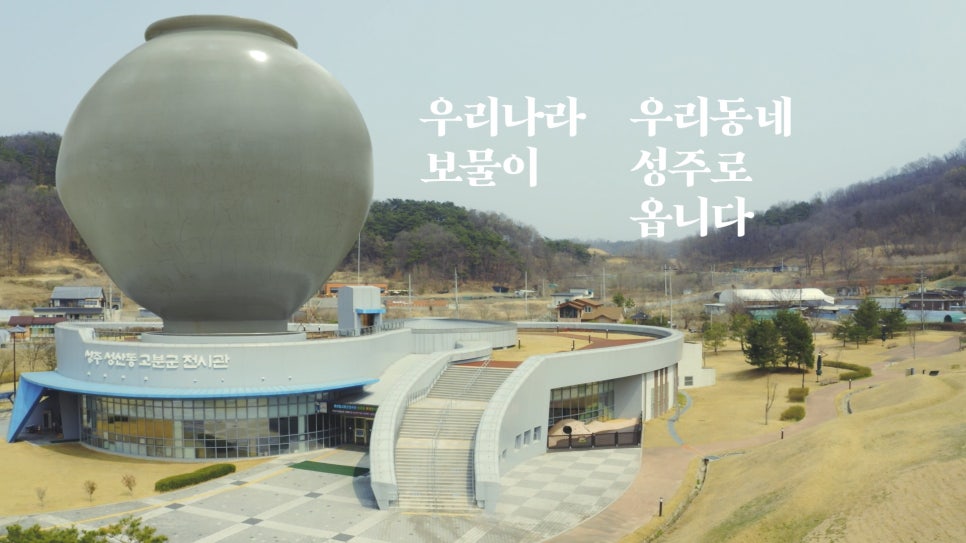
- Seongju: seven Joseon white porcelain pieces including a moon jar, the form that has become Korean ceramics' single best-known silhouette.
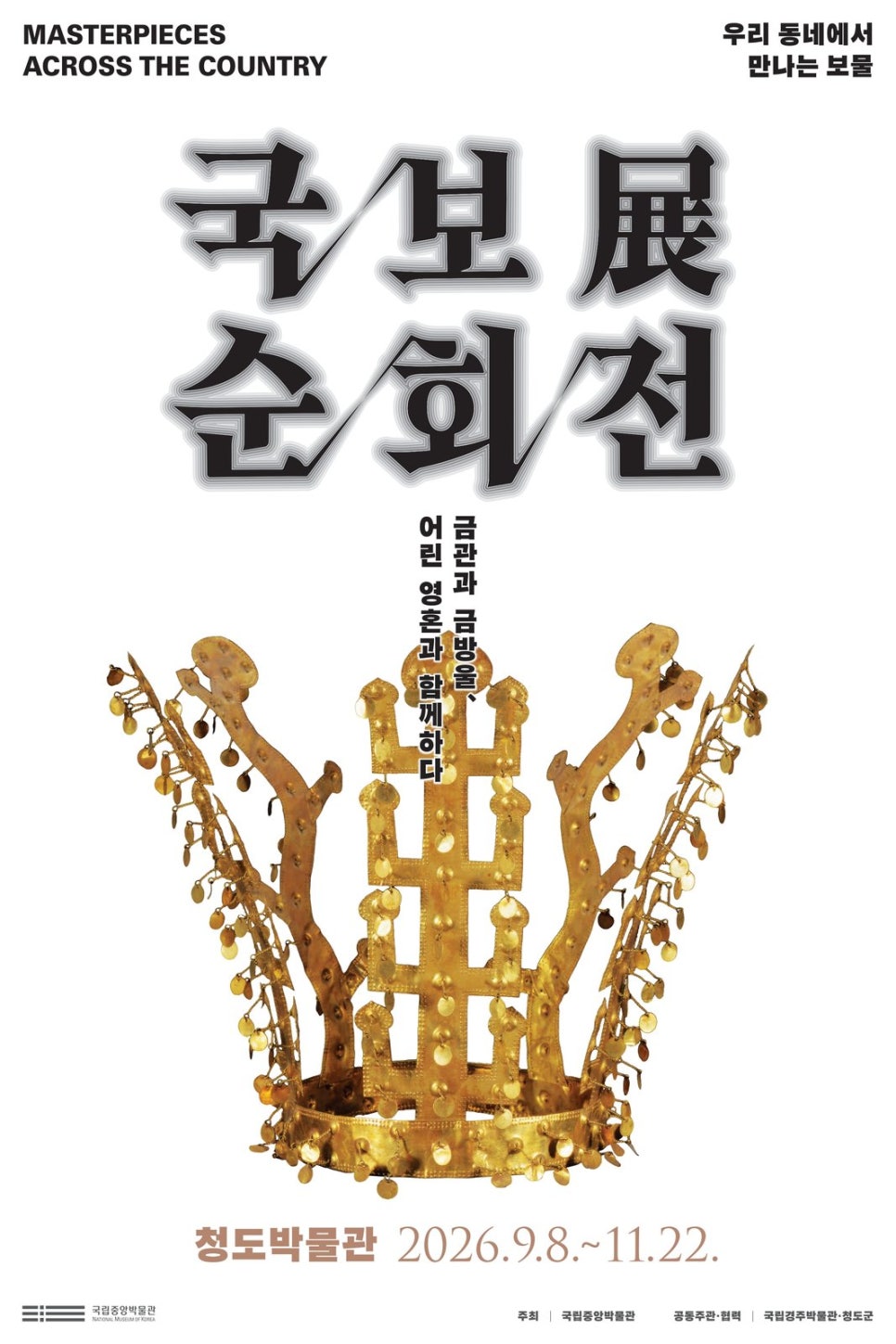
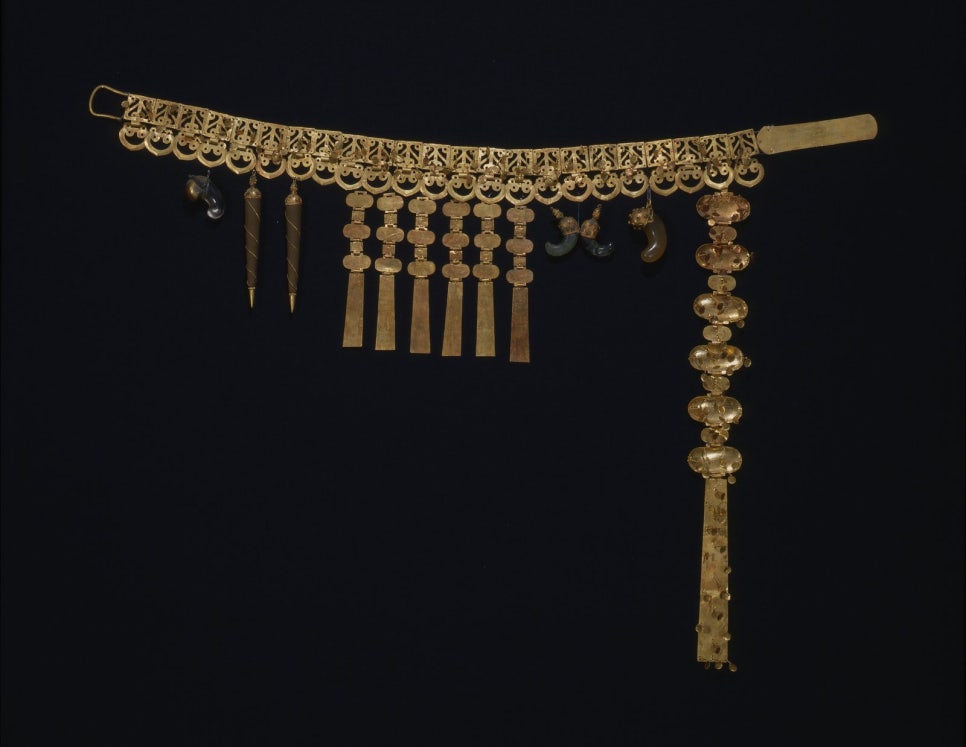
- Cheongdo: the Geumnyeongchong gold crown — an actual Silla crown, in a county museum, for free.
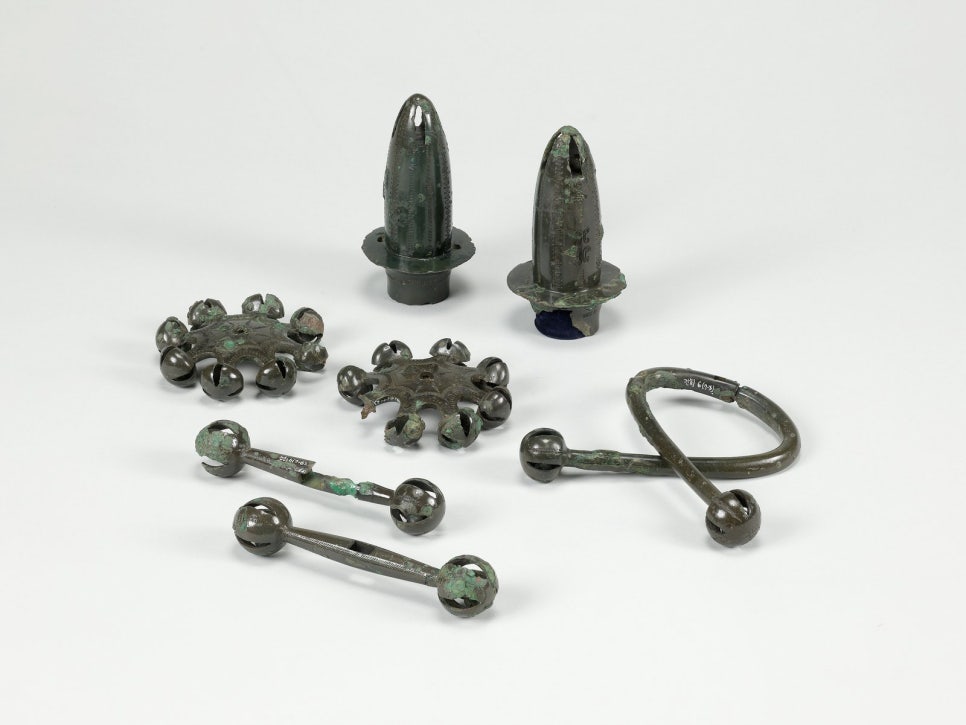
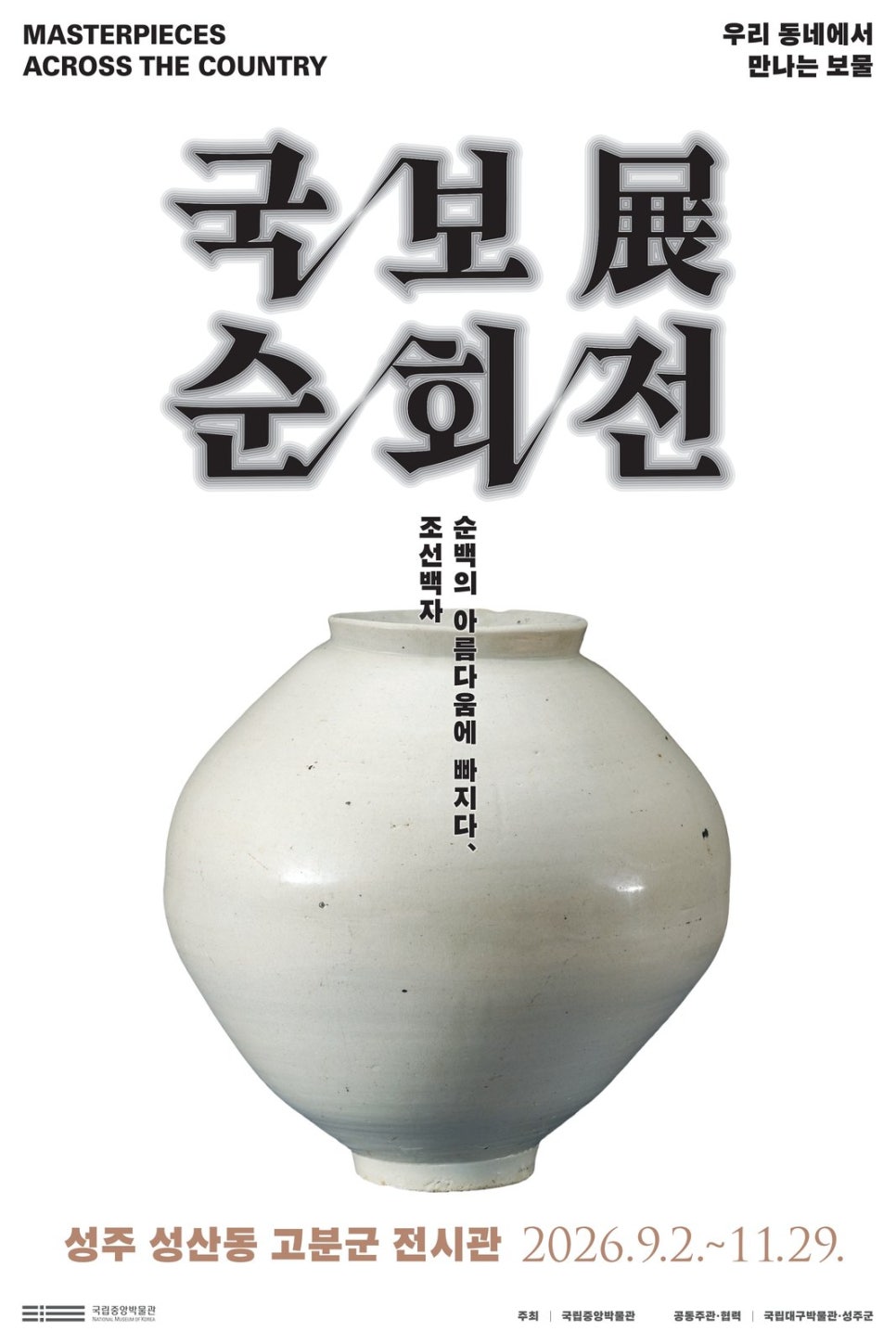
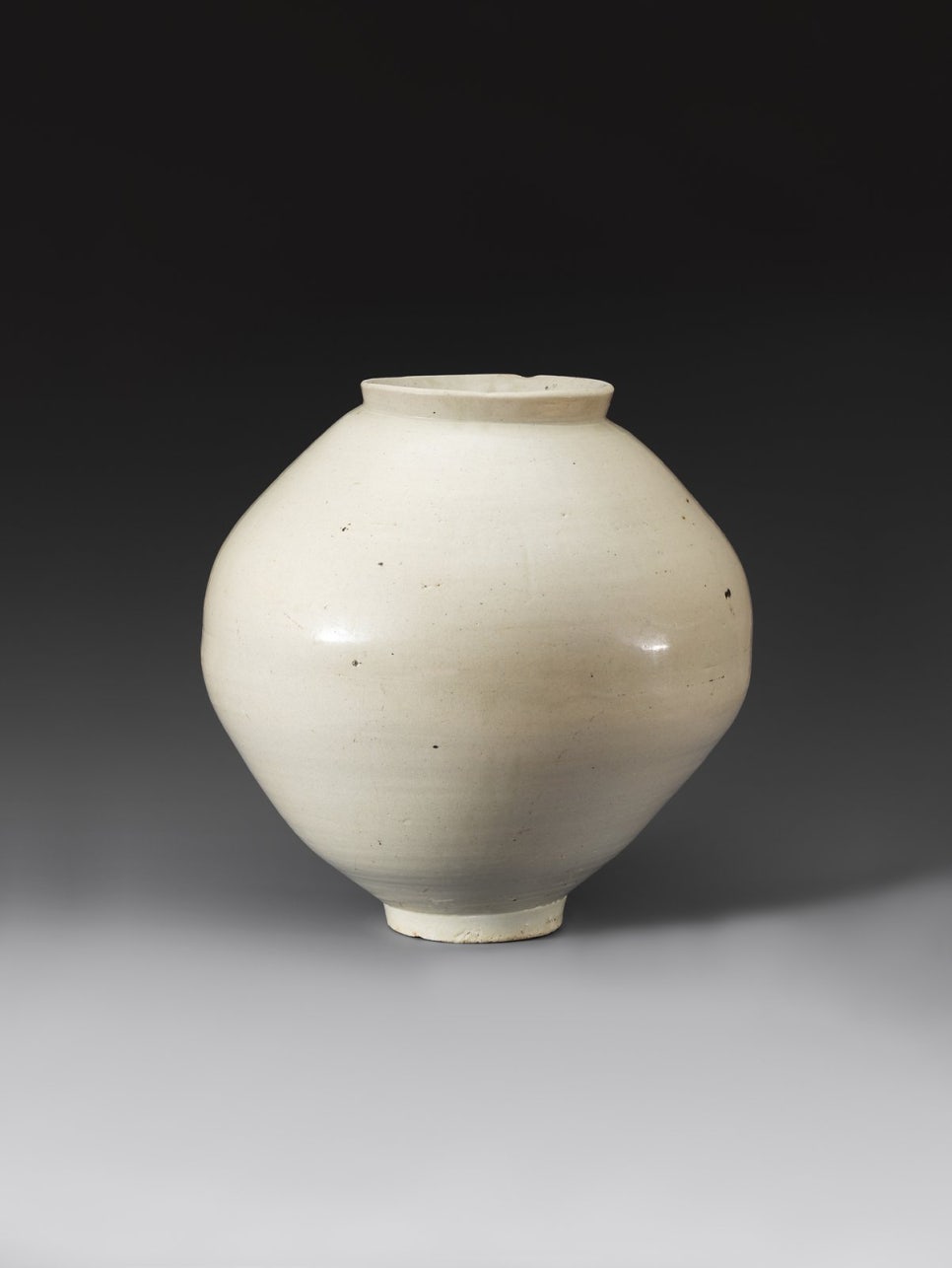

The Cheongdo stop is the one to prioritise if you have to choose. A Silla gold crown in the National Museum of Korea is one object among thousands; in a small county museum with nobody else in the room it is a different experience entirely.
Did visitor numbers really more than double?
The spring leg at Jincheon, Yeongam and Uiryeong drew 61,473 across the three venues, against 26,476 for the same period the previous year — roughly 2.3 times. That is a genuine comparison between the same programme in consecutive years, though the venues differ, so read it as the tour gaining traction rather than as a like-for-like measure of any one town.
Before you go
- All three close on Mondays and on 1 January.
- From November, Gochang and Seongju run winter hours and close at 5:00pm.
- Only Gochang charges, and that is the museum's standard admission rather than an exhibition surcharge.
- None of the three is near a major rail line; check local bus connections before committing to a day trip.
Frequently asked questions
- Q. Where is the touring exhibition this autumn?
- At three venues: the Gochang Dolmen Museum in Jeonbuk to 22 November, the Seongju Seongsan-dong Tumuli Exhibition Hall to 29 November, and Cheongdo Museum to 22 November.
- Q. Is it free?
- At Seongju and Cheongdo, yes. Gochang charges its own museum admission — KRW 3,000 for an adult, KRW 2,000 for teenagers and soldiers, KRW 1,000 for children — which covers the whole museum rather than only this exhibition.
- Q. Do I need to book?
- No. All three are walk-in. Groups are asked to contact the individual museum in advance, and the contact numbers are published on each museum's page.
- Q. Can I really see a Silla gold crown in Cheongdo?
- Yes — the Geumnyeongchong crown is at Cheongdo Museum for this leg, and admission there is free. Seeing one outside a national museum, in a quiet room, is the whole argument for this touring programme.
Sources
- Official notice (Korean)
- Official page (Korean)
- Official page (Korean)
- Official page (Korean)
- Official page (Korean)
- Official page (Korean)
- Official page (Korean)
- Official page (Korean)
Written in our own words from the sources above, never copied from them, and every date and price checked against at least two pages. The originals are in Korean. Spotted a mistake? Ask for a correction.
Latest from National Museum of Korea
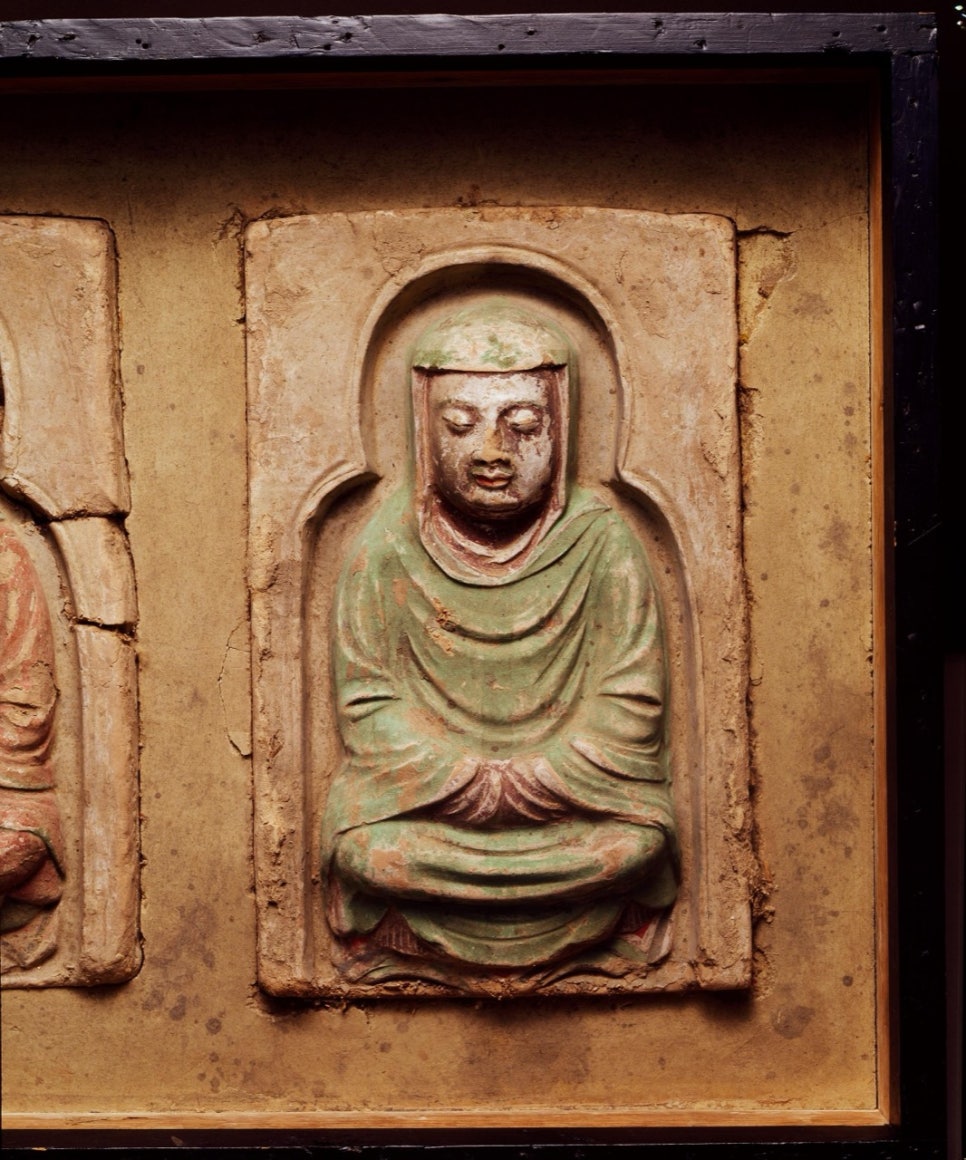 National Museum of KoreaExhibition17 October 2026In 5 daysFreeDunhuang sutras on show for the first time at the National Museum of Korea — free until 24 Jan
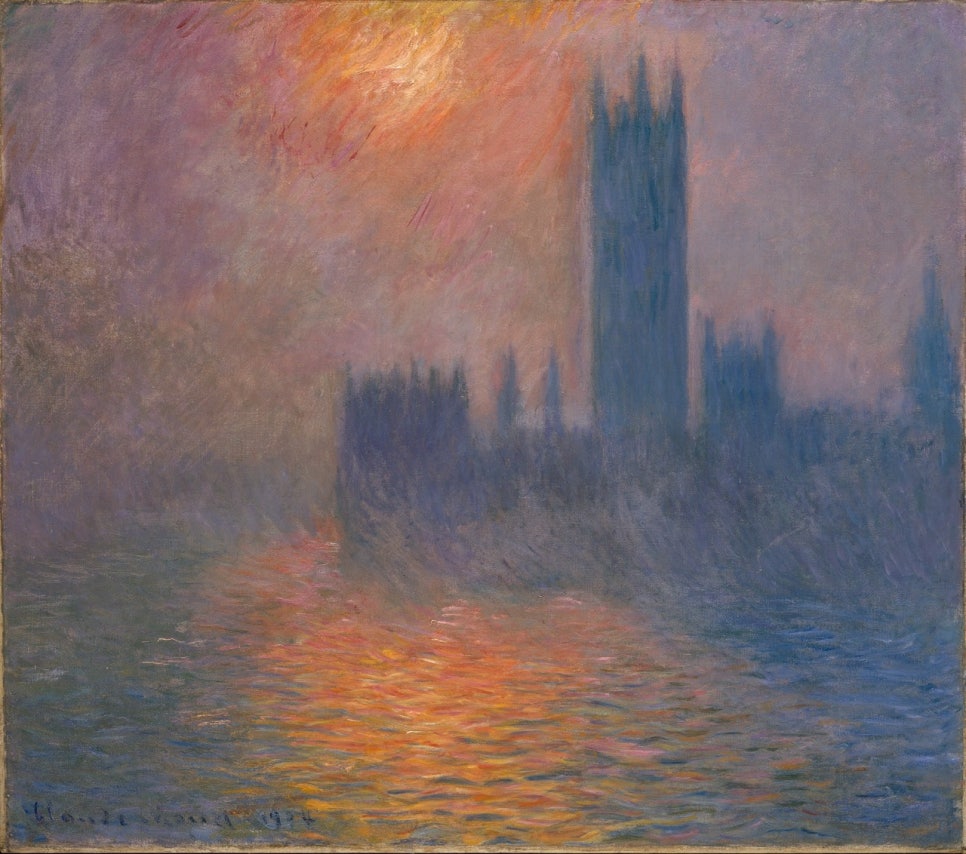 National Museum of KoreaExhibition14 October 2026In 40 daysKunsthaus Zürich masterpieces at the National Museum of Korea — KRW 12,000 early bird until 17 Dec
 National Museum of KoreaNews10 October 2026MU:DS Regional Heritage Collection — 100 museum goods from 13 national museums
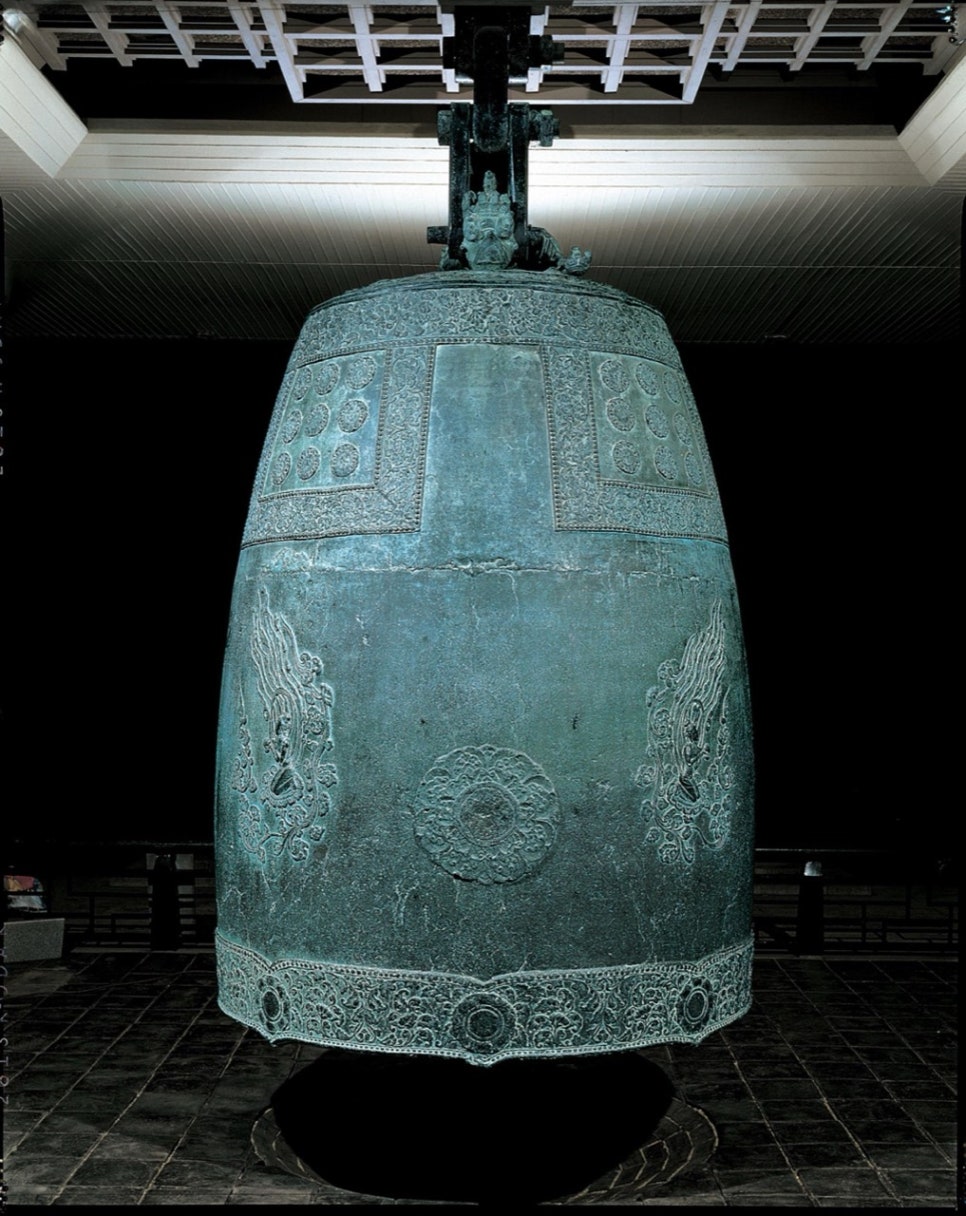
 National Museum of KoreaEvent10 October 2026In 13 daysSori: the Seongdeok Bell in concert at the National Museum of Korea — 31 Oct & 1 Nov