Exhibition·National Museum of KoreaOn now
The British Museum's Korea show opens 1 October, the first of its size in Europe in four decades
Summary
The British Museum stages Korea from 1 October 2026 to 31 January 2027, drawing on the Lee Kun-hee bequest to run through two thousand years of Korean art. It is the third stop on a tour that began in Washington and Chicago, and the first large Korean exhibition in Europe in around forty years. Tickets start at £14 for adults, with an early-bird rate.
Article
In short
- Korea runs at the British Museum from 1 October 2026 to 31 January 2027 in the Joseph Hotung Great Court Gallery.
- Adult tickets start at £14, with an early-bird rate, booked through the museum's own online ticketing.
- It is co-organised with the National Museum of Korea and MMCA and draws on the Lee Kun-hee bequest.
- This is the third stop of a tour after Washington DC and Chicago, and the first large Korean exhibition in Europe in around forty years.
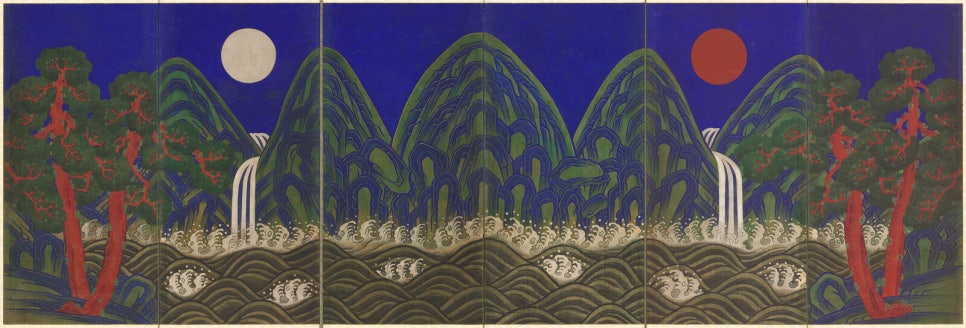
Most of what this site covers is in Korea. This is the exception, and it is worth covering because it is the easiest opportunity in a generation for anyone in Europe to see Korean art at scale without flying to Seoul. The British Museum is giving Korea its Great Court gallery for four months, co-organised with the two Korean national institutions that hold most of the material.
Tickets and timing
The basics
- Dates
- 1 October 2026 to 31 January 2027
- Where
- Joseph Hotung Great Court Gallery, Room 35
- Tickets
- From £14 for adults, plus a separate early-bird rate
- Hours
- Saturday to Thursday 10:00am to 5:00pm; Friday to 8:30pm
- Booking
- Online through the British Museum's ticketing site
Friday is the evening to aim for: the museum stays open until 8:30pm, which is three and a half hours more room than any other day, and ticketed exhibitions at the British Museum are considerably more pleasant in the last two hours than in the middle of a Saturday.
What is in it
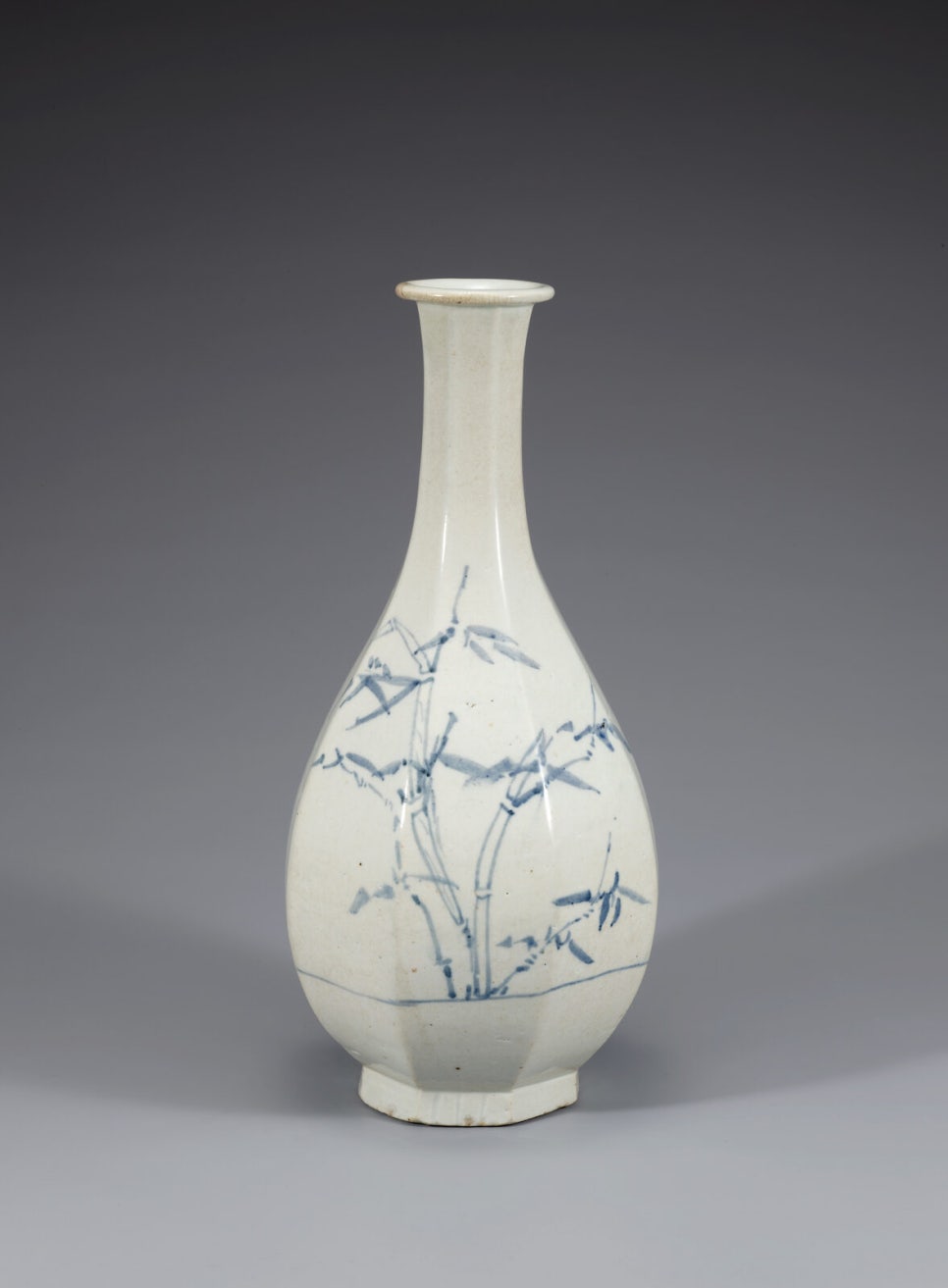
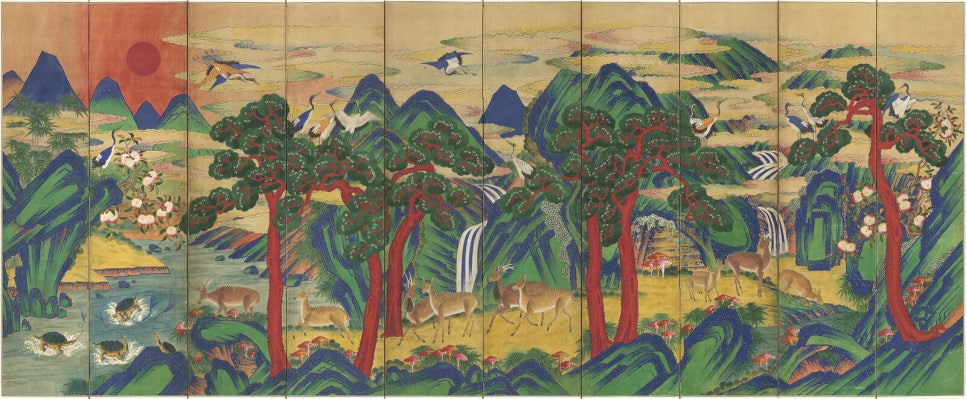
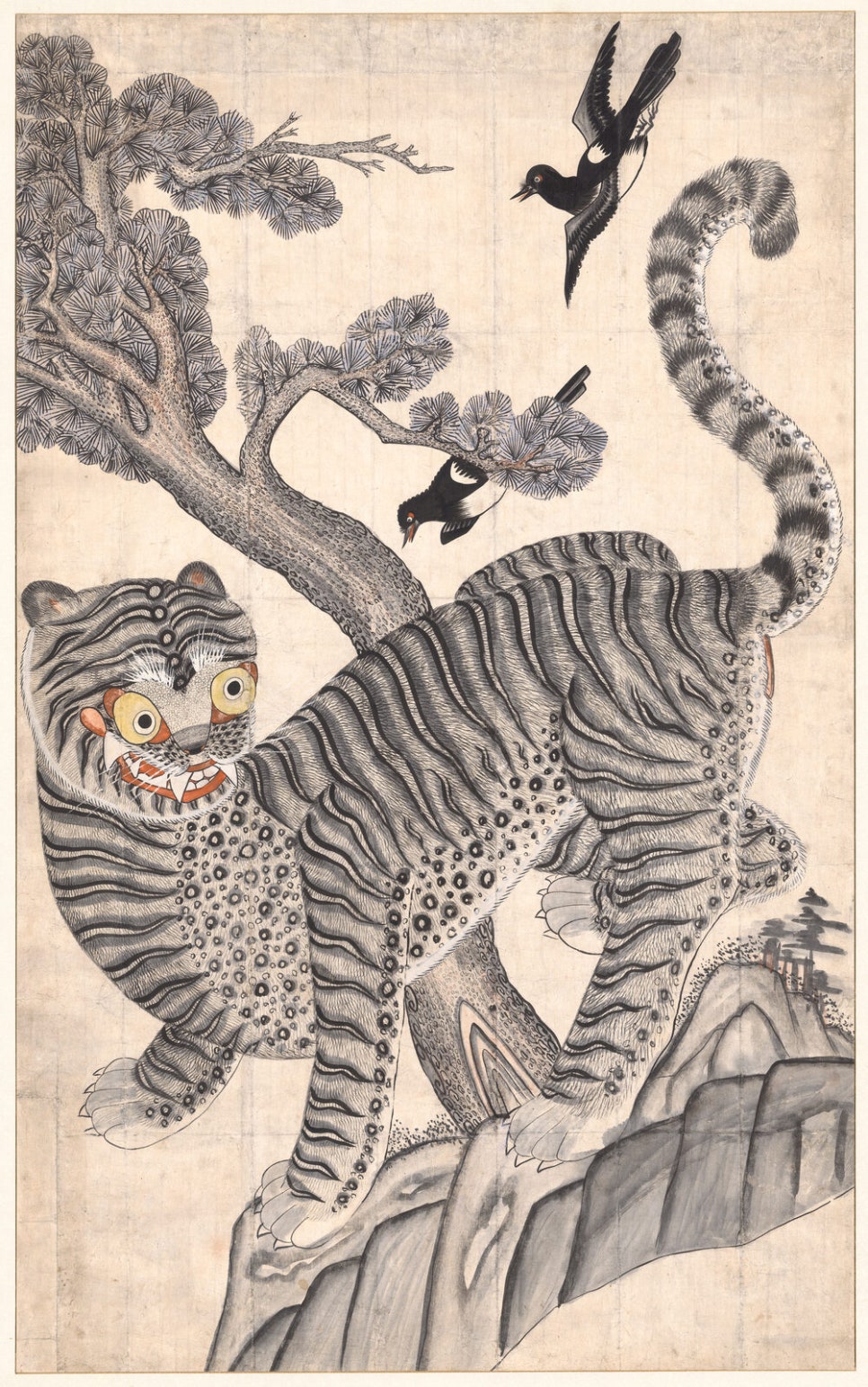
The exhibition runs chronologically across roughly two thousand years, which is an ambitious span for a single gallery and means it works as an introduction rather than a deep dive into one period. The backbone is the Lee Kun-hee bequest — the collection given to the Korean state in 2021 and since used to anchor a series of international exhibitions.
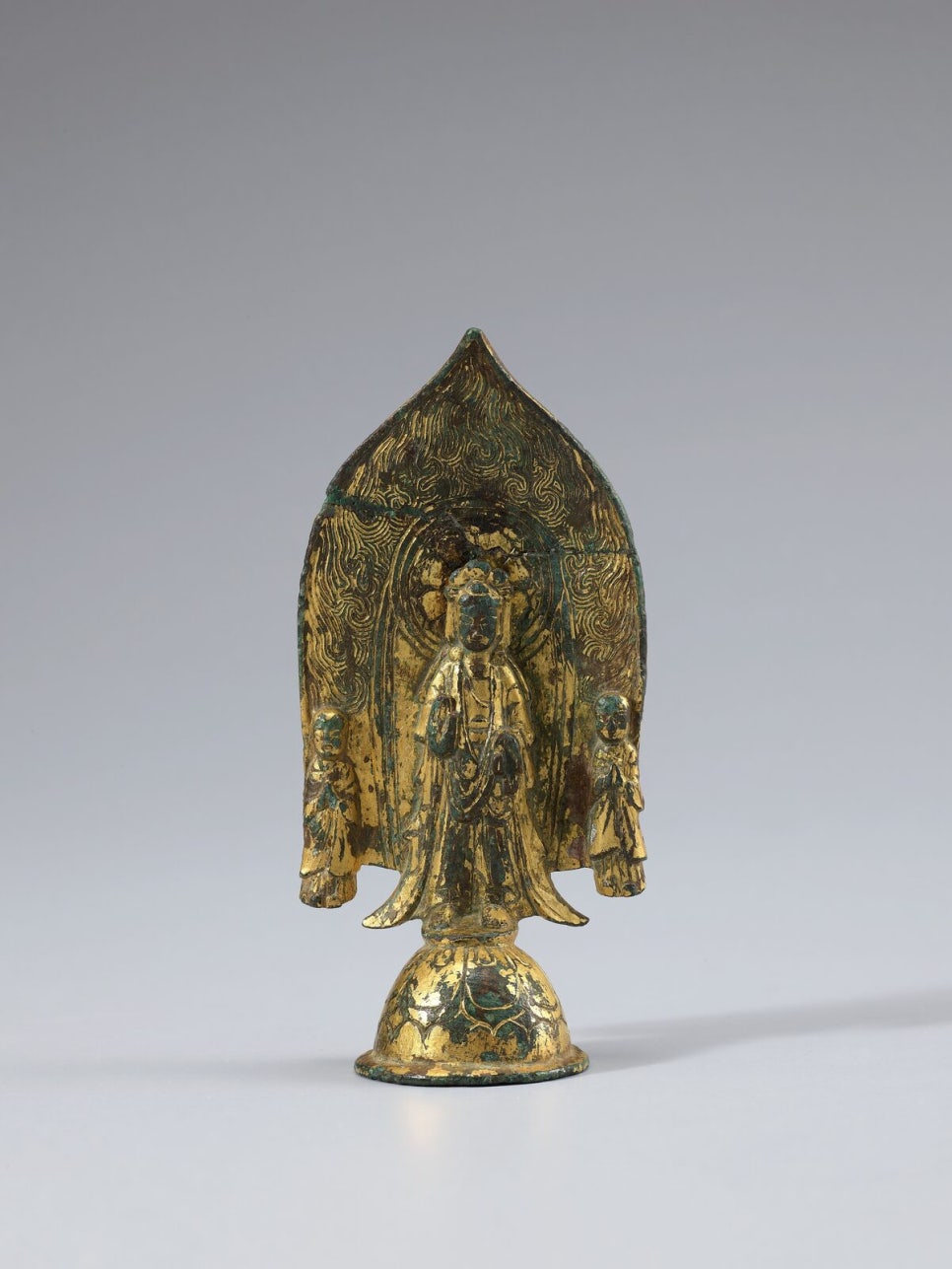
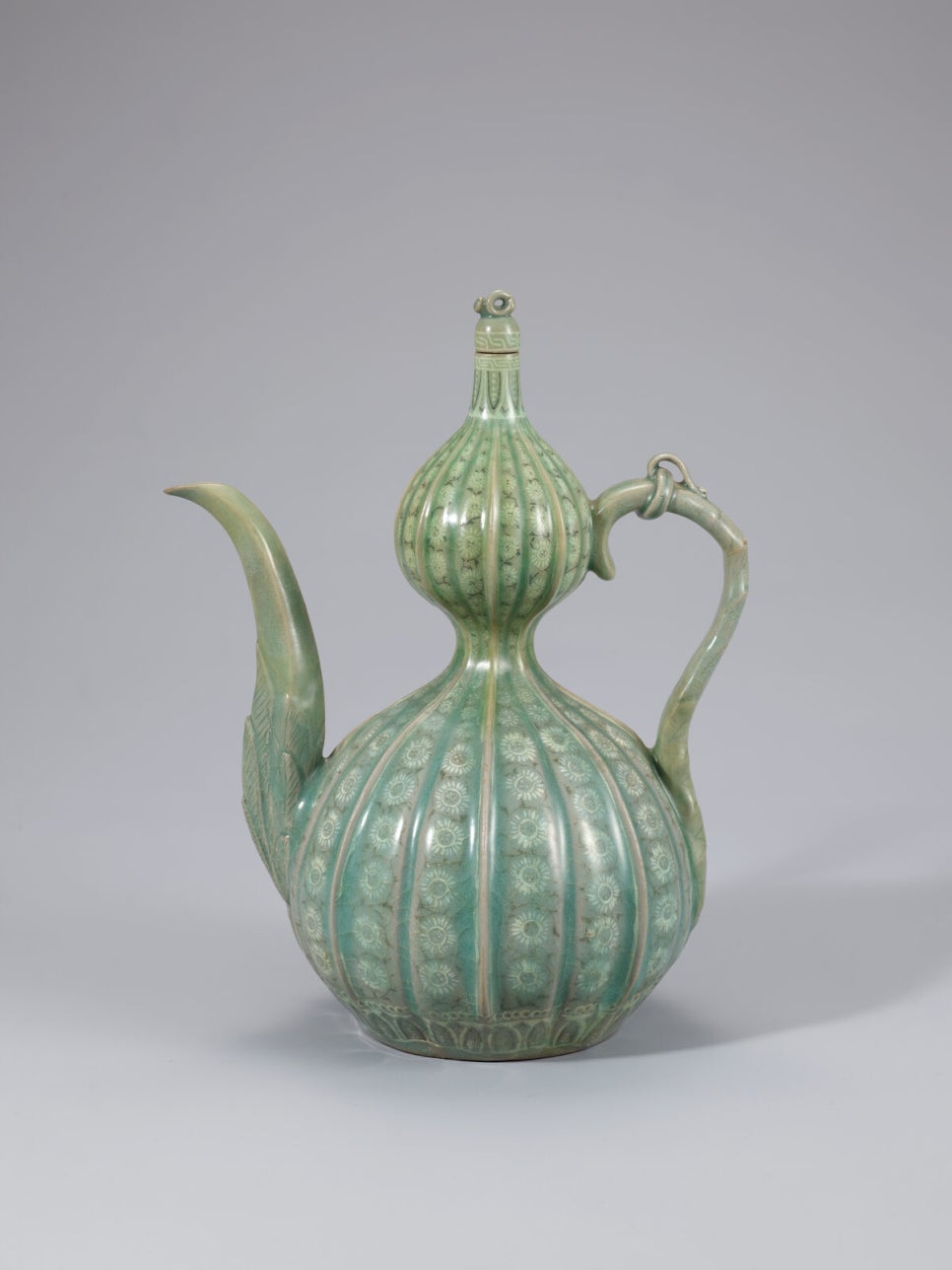
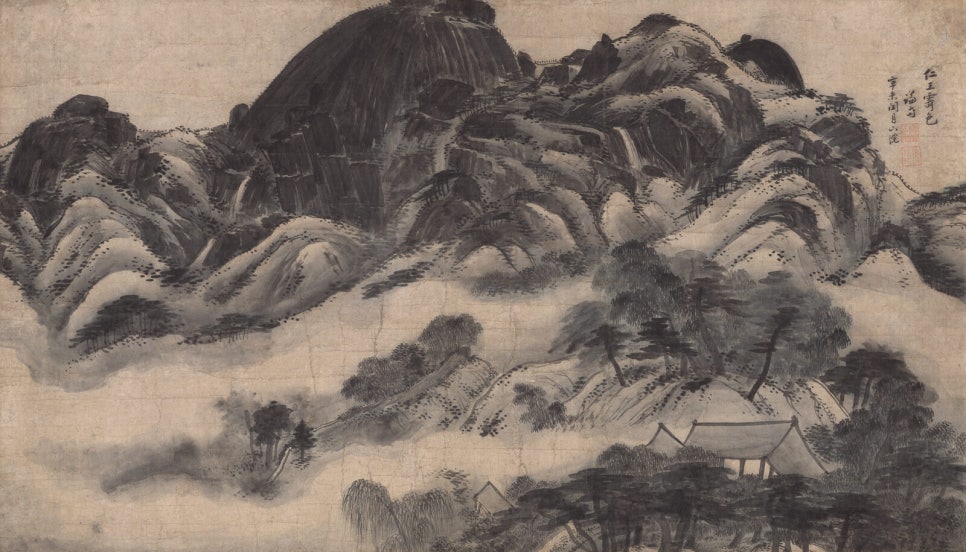
Not only antiquities
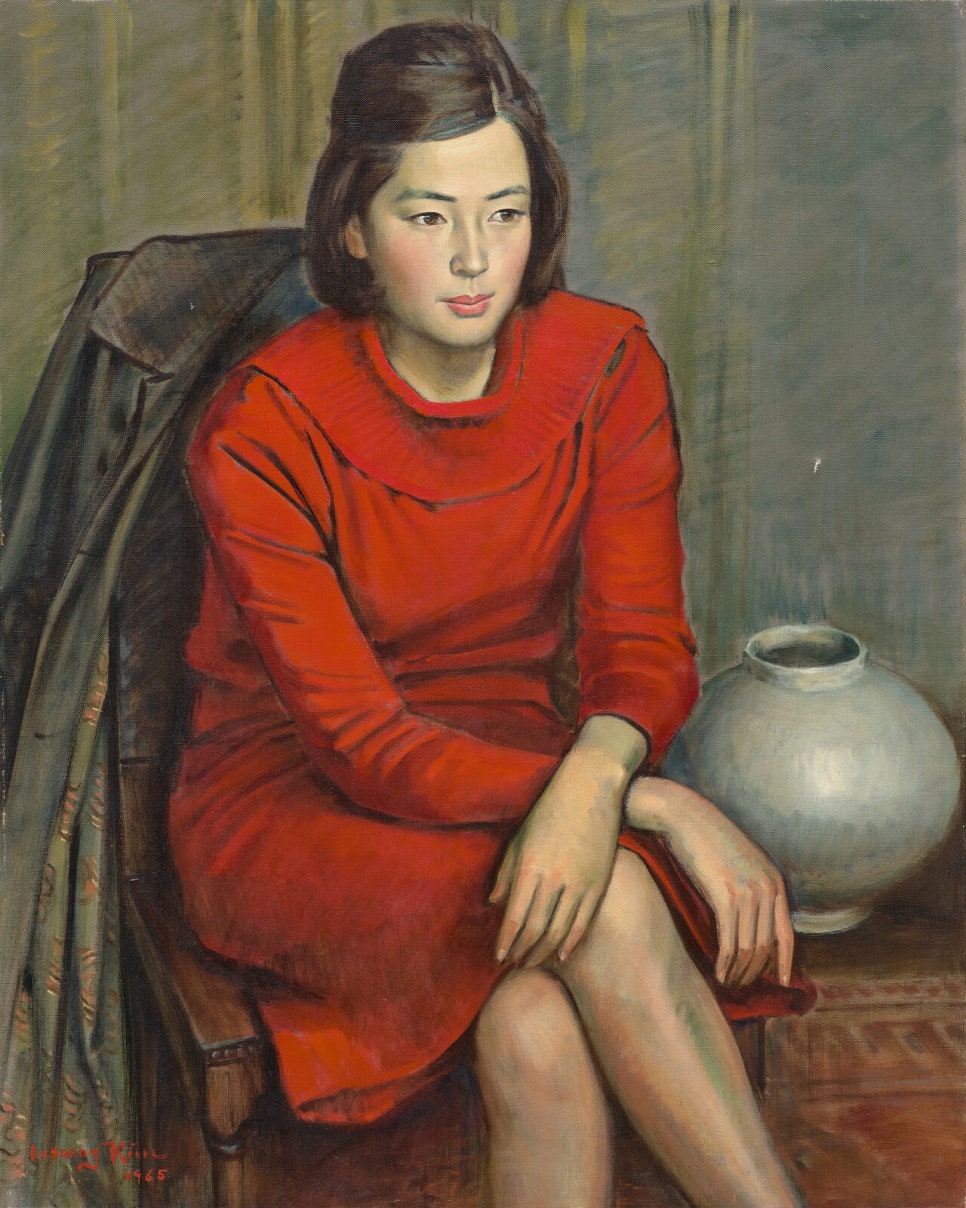
The involvement of MMCA, Korea's national museum of modern and contemporary art, is the signal that this is not purely a show of celadon and gold. Pairing historical material with twentieth and twenty-first century work is the organising choice that distinguishes this tour from earlier survey exhibitions, and it is the reason the two Korean co-organisers are the ones they are.
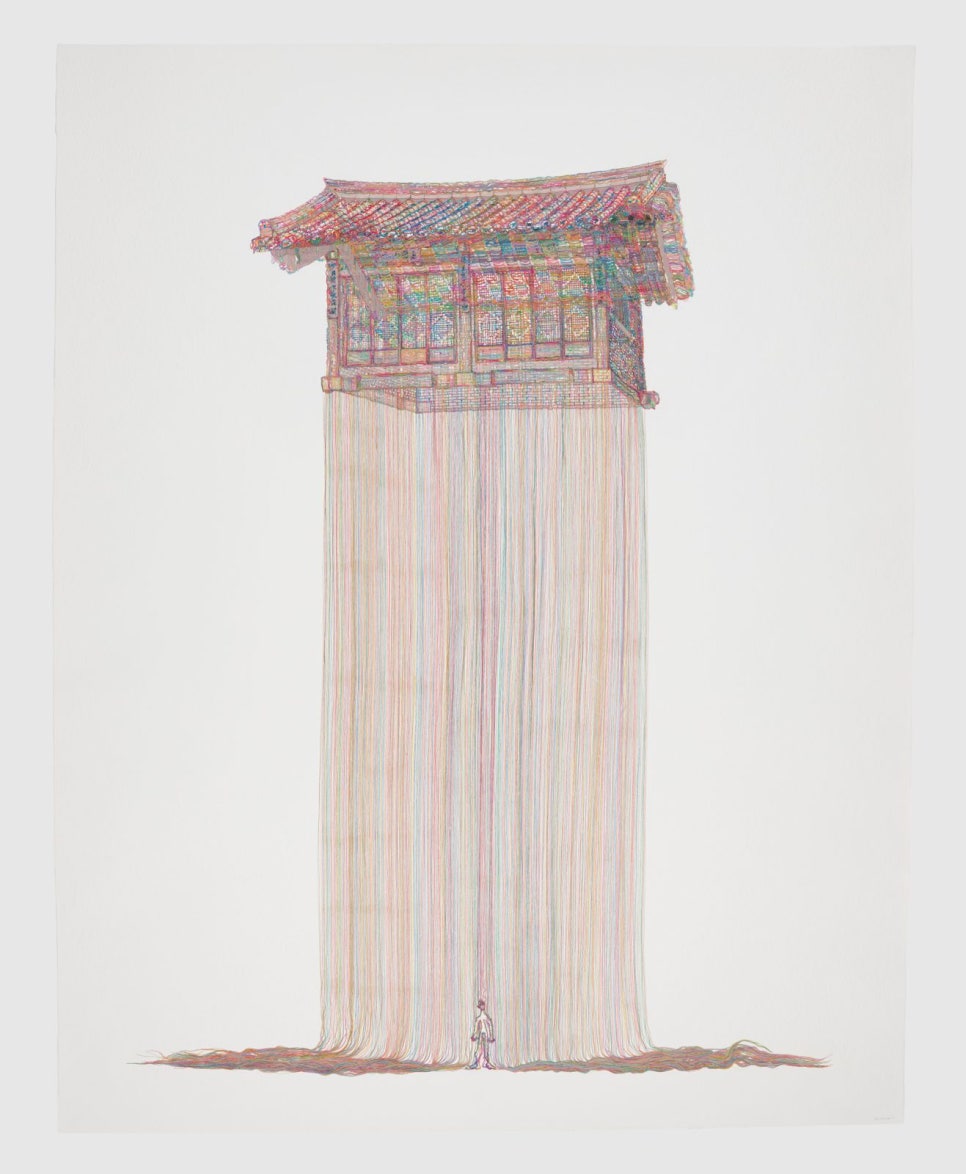
Where the 'forty years' claim comes from
The comparison is to the last comparable large-scale Korean exhibition staged in Europe, in the mid-1980s. Smaller Korean shows have happened since; what has not happened is a survey on this footing at an institution of this size. Treat the figure as a reasonable characterisation rather than a precise anniversary.
If you are in Korea instead
The same collection's home institutions are free. The National Museum of Korea in Seoul charges nothing for its permanent galleries, and neither does MMCA for visitors 24 and under or 65 and over, or for anyone after 6pm on Wednesdays and Saturdays. If your question is where to see Korean art rather than where to see this exhibition, that is the answer.
Frequently asked questions
- Q. When is the British Museum's Korea exhibition on?
- From 1 October 2026 to 31 January 2027, in the Joseph Hotung Great Court Gallery. It opens 10:00am to 5:00pm from Saturday to Thursday and until 8:30pm on Fridays.
- Q. How much are tickets?
- From £14 for an adult, with a separate early-bird rate, booked through the British Museum's own online ticketing. Prices vary by time and date as they do for the museum's other ticketed exhibitions.
- Q. Where else has this exhibition been?
- It opened at the National Museum of Asian Art in Washington DC, then went to the Art Institute of Chicago. London is the third stop and the first in Europe.
- Q. Is the National Museum of Korea involved?
- Yes. It is a co-organiser along with MMCA and the British Museum, and much of the material comes from the Lee Kun-hee bequest held in Korea.
Sources
- Official notice (Korean)
- Official page (Korean)
- Samsung Newsroom UK — Korea exhibition
- Official page (Korean)
- Official page (Korean)
Written in our own words from the sources above, never copied from them, and every date and price checked against at least two pages. The originals are in Korean. Spotted a mistake? Ask for a correction.
Latest from National Museum of Korea
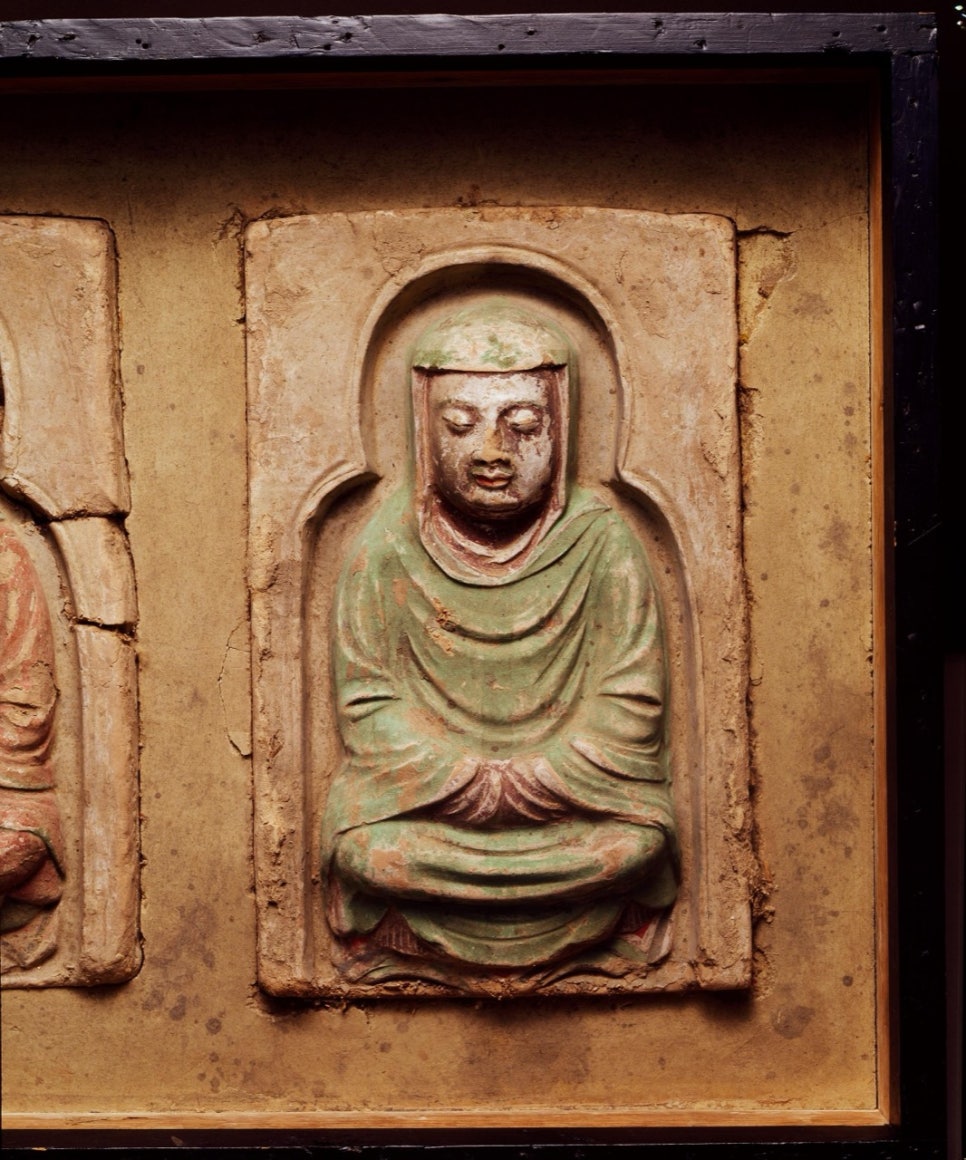 National Museum of KoreaExhibition17 October 2026In 5 daysFreeDunhuang sutras on show for the first time at the National Museum of Korea — free until 24 Jan
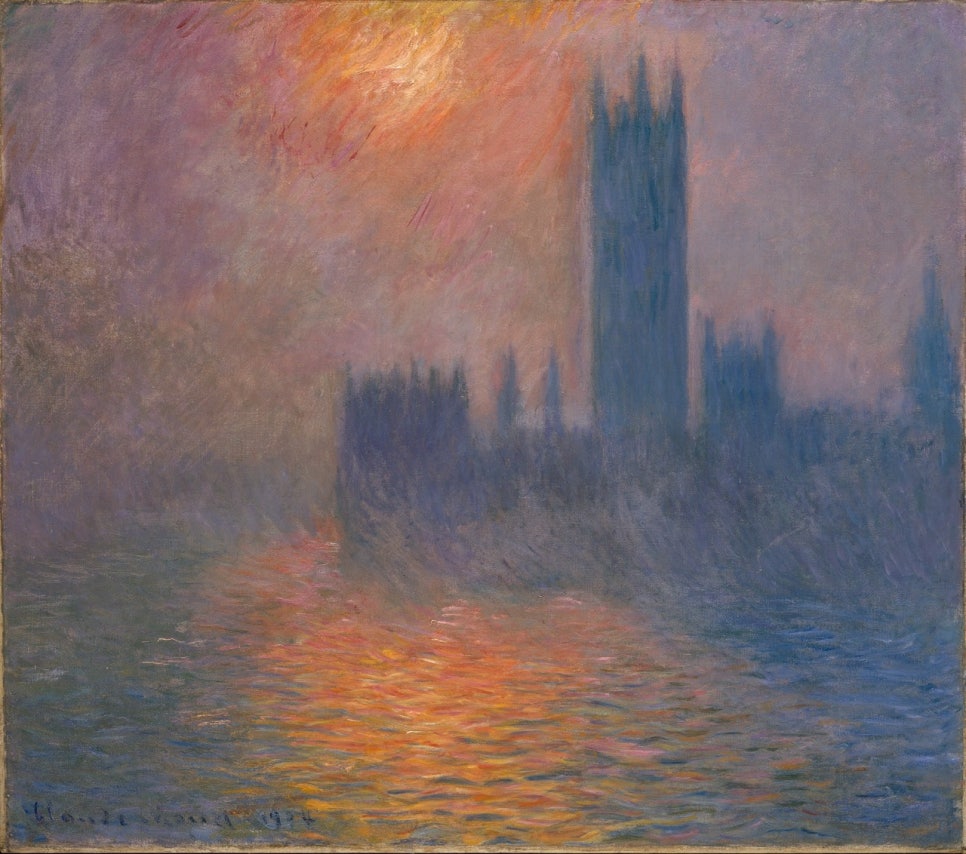 National Museum of KoreaExhibition14 October 2026In 40 daysKunsthaus Zürich masterpieces at the National Museum of Korea — KRW 12,000 early bird until 17 Dec
 National Museum of KoreaNews10 October 2026MU:DS Regional Heritage Collection — 100 museum goods from 13 national museums
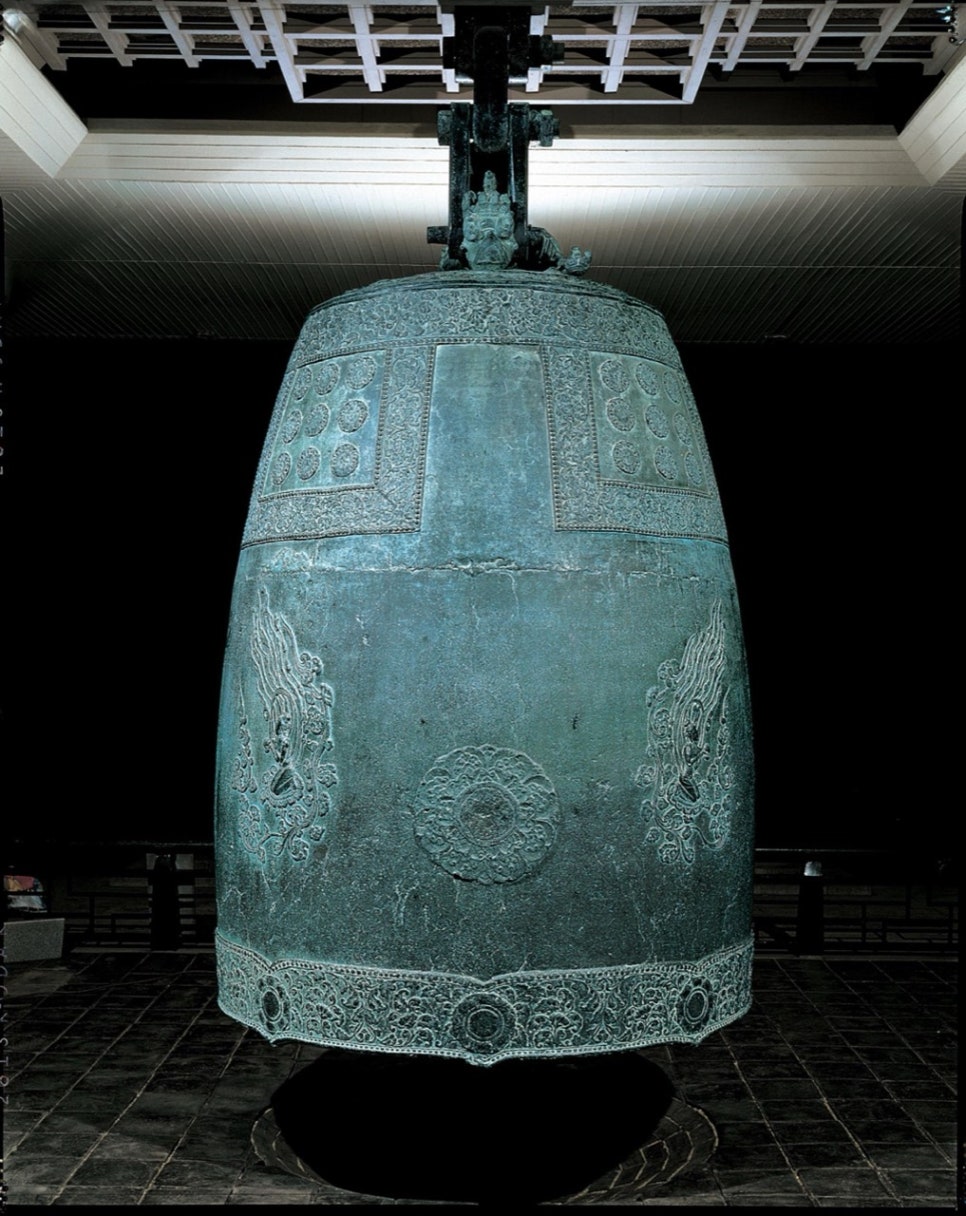
 National Museum of KoreaEvent10 October 2026In 13 daysSori: the Seongdeok Bell in concert at the National Museum of Korea — 31 Oct & 1 Nov