Exhibition·Gyeongju National MuseumOn nowFree
Gyeongju National Museum: two Wolseong stele fragments rejoined — free, to December
Summary
Two pieces of a broken stone stele, picked up 83 years apart on the west side of Wolseong, the Silla palace site in Gyeongju — one in 1937, one in 2020 — turned out to come from the same monument. Gyeongju National Museum is showing them fitted together in its Silla Millennium Storage building (Silla Cheonnyeon Bogo), free of charge. The display opened on 13 April 2026 and was due to close on 17 August; it now runs to December, and the museum has said to 31 December. There is nothing to book: walk in during opening hours. The label text is in Korean, so the background below is worth reading before you go.
Article
In short
- Gyeongju National Museum is showing two Wolseong stele fragments fitted together in its Silla Millennium Storage building, and admission is free.
- The display opened on 13 April 2026 and was due to close on 17 August; it has been extended to December, and the museum has said to 31 December.
- One fragment was picked up in 1937 and the other in 2020, both west of Wolseong; both are alkaline granite from Namsan in Gyeongju, and their broken faces fit together.
- Sixteen characters survive: seven are legible and four are probable, and a character split across the two pieces reads ching (稱), "to name" or "to praise", once they are joined.
- Open 10:00 am – 6:00 pm (last entry 5:30 pm) with no booking and no late Saturday opening in November or December; the display's own text is in Korean only.
Two fragments of a stone stele, found 83 years apart on the west side of Wolseong in Gyeongju, are on show as a single piece in the Silla Millennium Storage building at Gyeongju National Museum. The display is a joint one by the museum and the Gyeongju National Research Institute of Cultural Heritage, part of the Korea Heritage Service. It opened on 13 April and runs to December, with free entry. The reason to see this palm-sized stone now is the argument around it: the inscription is in clerical script (隸書), rare on Silla monuments, and scholars are split over whether Goguryeo or Silla put it up.
Who found the two pieces, and when
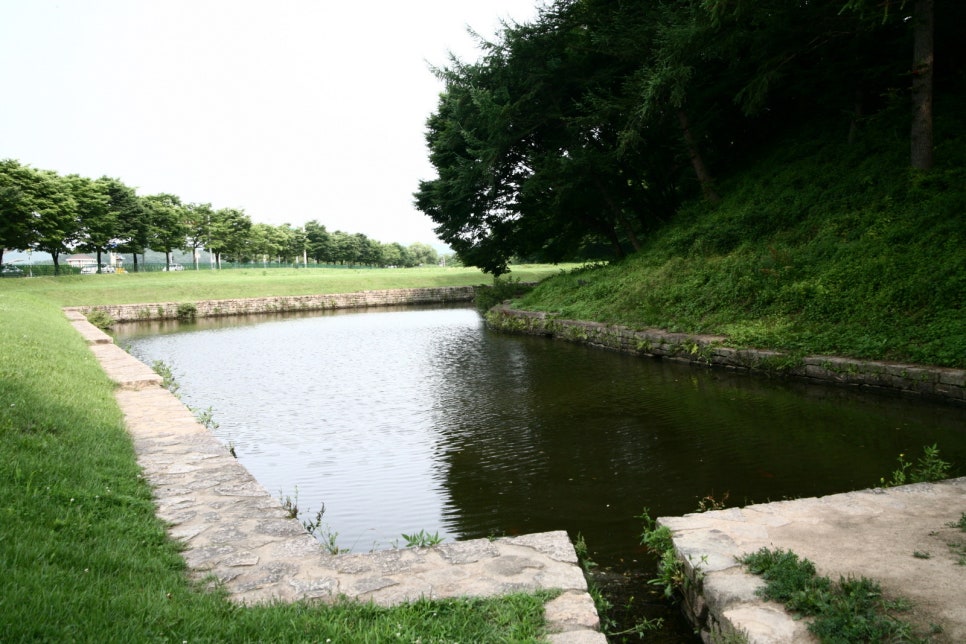
The smaller piece has been in Gyeongju National Museum's collection since the Japanese colonial period. An ink note on its back (昭和 一二 六 二七 西月城址 崔) is read as recording that it was picked up at "West Wolseong" on 27 June 1937 by Choi Nam-ju, then on the staff of the Gyeongju branch of the Government-General Museum. The larger piece was found in 2020 by the Gyeongju National Research Institute of Cultural Heritage while excavating the approach road from Gyerim forest to Wolseong. The Korea Heritage Service gave these details for the two pieces on 13 April.
The two Wolseong fragments compared (Korea Heritage Service press release, 13 April 2026)
- 1937 piece · found
- 27 June 1937 at West Wolseong, believed to be by Choi Nam-ju (note on the back) · held by Gyeongju National Museum
- 1937 piece · size
- 13.62 × 11.13 × 9.75 cm, about 1.23 kg
- 2020 piece · found
- Excavation of the Gyerim–Wolseong approach road · held by the Gyeongju National Research Institute of Cultural Heritage
- 2020 piece · size
- 16.47 × 16.58 × 13.67 cm, about 2.7 kg
How do we know they were one stele?
While the research institute was studying the 2020 piece, someone suggested it might belong with the museum's fragment, and the two institutions analysed where the stone came from. Both turned out to be alkaline granite from Namsan in Gyeongju. When the 3D scans were then compared, one broken face of each piece matched the other. The Korea Heritage Service says the join was established in joint research in 2025.
How many characters can be read?
According to the Ministry of Culture, Sports and Tourism's listing, the smoothly dressed front carries 16 characters in all. Seven can be read, four can be inferred and five cannot be made out. The most concrete result of the join is a character that was only half there on each piece and reads ching (稱) once they are put together. The five read with certainty are baek, cheon, gong, bul and do in Korean reading (白, 天, 貢, 不, 渡).
A Goguryeo stele or a Silla one?
There is no settled answer yet. Silla steles were usually cut in regular script (楷書); this one is in clerical script. At an expert forum on 11 February, historians of Goguryeo argued it could have been put up by Goguryeo, because no Silla inscription in clerical script has yet been found and because the five characters read with certainty also appear on the Gwanggaeto Stele, the great Goguryeo monument of 414.
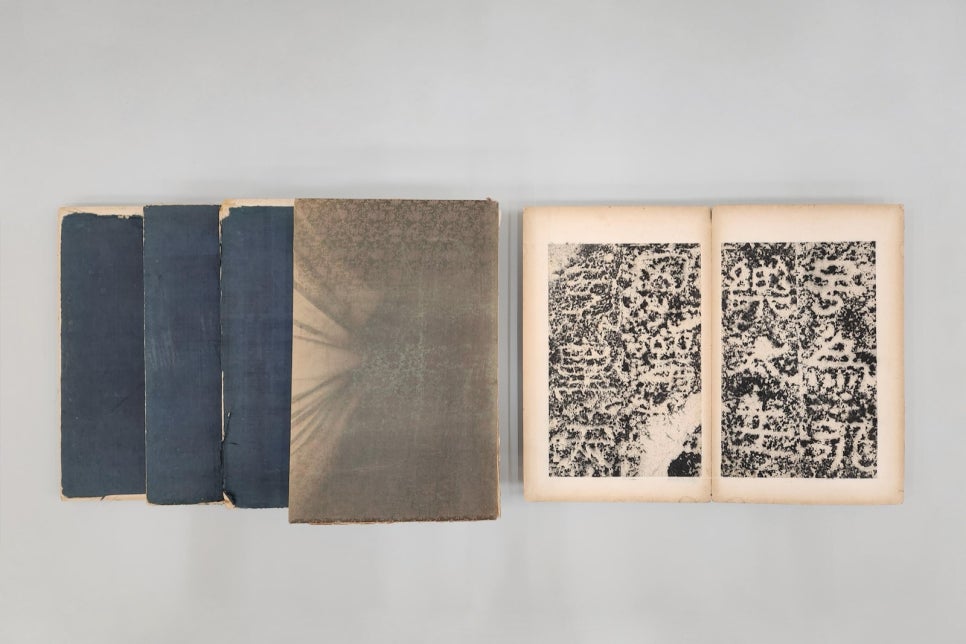
Historians of Silla counter that no script belongs to one state or period, and that a stone found inside Wolseong, the Silla royal palace, may well have been put up by Silla. At the conference "Different views of the stele fragments found west of Wolseong", held in the museum auditorium on 13 August, papers argued for a Goguryeo link, read the script as a root of 6th-century Silla regular script, and traced how the stele might have been raised and broken within 5th-century Goguryeo–Silla relations.
A hypothesis stays a hypothesis
Weekly Kyunghyang (16 October 2026) described a reading that ties the breaking of the stele to the Nihon Shoki's account of Goguryeo troops in Silla being killed in 464, but the article itself calls this conjecture. The Korea Heritage Service's material draws no such conclusion, so we do not treat it as fact.
When can you see it?
The museum is open 10:00 am – 6:00 pm, with last entry at 5:30 pm. The Saturday opening to 8 pm mentioned in the April press release runs only from March to October, so in November and December Saturdays also close at 6 pm. Entry is free with no booking, and the fragments are in the Silla Millennium Storage building.
Where the sources differ — check before you go
For the end date, the Korea Heritage Service's August release says "to December" and a Hankyoreh report quoting the museum says 31 December. All sources agree on closure on 1 January, Seollal and Chuseok, but the monthly second-Monday maintenance day, when only the exhibition halls close, has been listed for different months at different times (March and November in one notice; March, June, September and December in another). The ministry listing's "closed on Mondays" does not match the museum's own notices. If you plan to go on 9 November or 14 December (both second Mondays), call +82 54-740-7537 first. As of early November the museum's website is down for maintenance.
Getting there, and what you will be able to read
From Seoul, the KTX to Gyeongju station takes about two hours. From the station, city bus 711 stops at Gyeongju National Museum; bus 700 stops at Donggung Palace and Wolji Pond, about three minutes' walk away. From the intercity and express bus terminals, routes 11, 600, 605 and Woljeong 1 and 2 serve the area. The museum sits between Wolseong and Donggung, so the fragments pair naturally with a walk around the palace site where they were found. The permanent galleries have English captions, but we could not confirm English text for this display, and the official descriptions of it are Korean only — the numbers and the two theories above are what the Korean panels cover. Entry needs no ticket, booking, phone number or card.
Frequently asked questions
- Q. How long is the Wolseong stele fragment display at Gyeongju National Museum on?
- It opened on 13 April 2026 in the museum's Silla Millennium Storage building and was due to end on 17 August, but has been extended to December. The museum has said it runs to 31 December.
- Q. Is it free, and do I need to book?
- It is free and needs no booking. Go to the Silla Millennium Storage building during museum hours, 10:00 am – 6:00 pm (last entry 5:30 pm).
- Q. How was it established that the two fragments were one stele?
- Analysis showed both pieces are alkaline granite from Namsan in Gyeongju, and comparing their 3D scans showed that one broken face of each fits the other.
- Q. Is the Wolseong stele from Goguryeo?
- That is not settled. Its clerical script, rare on Silla stones, and characters shared with the Gwanggaeto Stele led some historians to propose Goguryeo, while others argue that a stone found in the Silla palace may well be Silla's.
- Q. How many characters on the stele can be read?
- Of 16 surviving characters, seven are legible, four are probable and five cannot be read. Joining the pieces completed a character that reads ching (稱).
- Q. Is it worth going if I do not read Korean?
- Yes, if you are already in Gyeongju: entry is free, the museum is next to the palace site where the pieces were found, and the permanent galleries have English captions. The display itself is small and its explanation is in Korean, so read the background here first rather than travelling for it alone.
Editor's note · Kang Shin-wook
For anyone spending a day in Gyeongju before the end of the year, and for readers interested in the rivalry between Goguryeo and Silla. Opening hours, transport and the museum's maintenance days are in our Gyeongju National Museum guide.
Sources
- Official notice (Korean)
- Korea Heritage Service press release on the two fragments being one stele, 13 April 2026 (Korean)
- Ministry of Culture, Sports and Tourism exhibition listing (Korean)
- Gyeongju National Museum hours and admission (Korean)
- Hankyoreh report on the extension to 31 December, republished by Supple (Korean)
Written in our own words from the sources above, never copied from them, and every date and price checked against at least two pages. The originals are in Korean. Spotted a mistake? Ask for a correction.