Programme·Korea National Park ServiceIn 3 days
Mudeungsan autumn overnight stay — November dates, fees and booking
Summary
The Mudeungsan Eco-Tourism Center, run by the Korea National Park Service, is holding a two-day, one-night autumn programme called 'Mudeungsan Pungnyu Giheng' in November 2026. The sessions open on the booking site are 6–7, 7–8 and 13–14 November, each closing at 3pm seven days before it starts. You must book a dormitory room (KRW 80,000 for a four-person room) together with the programme fee (KRW 51,500 per adult). The catch for visitors: booking needs a park-service account verified with a Korean mobile number or I-PIN, and the programme is guided in Korean, so this is realistically for foreign residents of Korea or for visitors travelling with a Korean speaker.
Article
In short
- 'Mudeungsan Pungnyu Giheng' is a two-day, one-night eco-tourism programme run four times in November 2026 by the Korea National Park Service's Mudeungsan Eco-Tourism Center. The sessions open on the booking site are 6–7, 7–8 and 13–14 November.
- Places go first come, first served on the Korea National Park Service reservation site, and each session closes at 3pm seven days before it starts (30 October, 31 October and 6 November).
- You pay for a dormitory room (type A, four-person, KRW 80,000) and the programme (KRW 51,500 per adult, KRW 45,500 per youth) together; neither can be booked alone. The programme fee includes KRW 30,000 for the pottery class.
- Day one is a walk around the Hwanbyeokdang and Pungamjeong pavilions and an evening buncheong pottery class; day two is a morning walk in Soswaewon Garden in Damyang and making a keepsake album. The only meal is a light breakfast on day two.
- Booking needs a park-service account verified with a Korean mobile number or I-PIN, and every session is guided in Korean — workable for foreign residents of Korea or with a Korean-speaking companion, not for a short-stay visitor on their own.
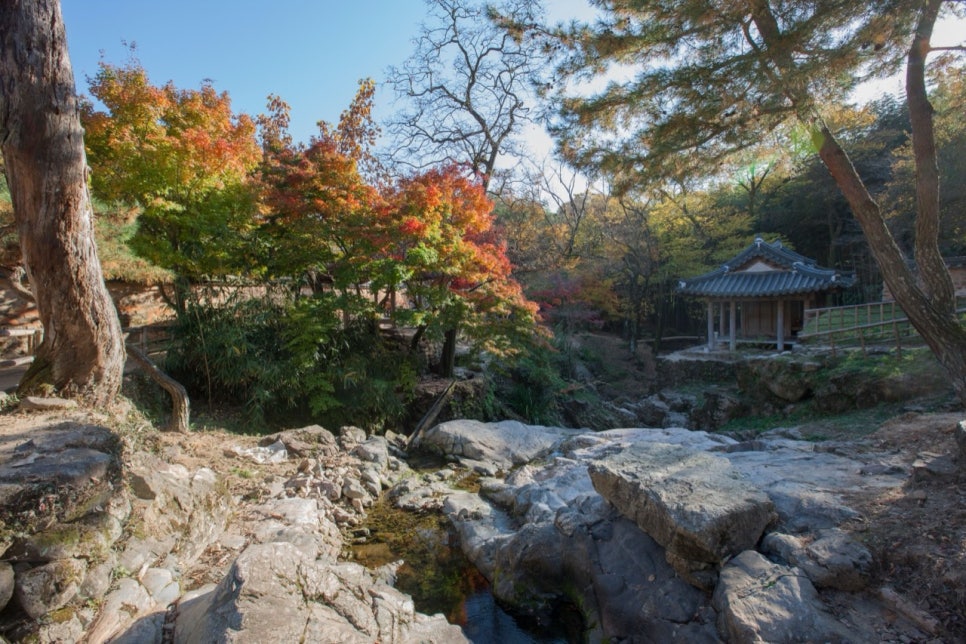
The Korea National Park Service's Mudeungsan Eco-Tourism Center is taking bookings for 'Mudeungsan Pungnyu Giheng' (風流, roughly 'a journey of refined leisure'), a two-day, one-night programme for late autumn. In a press release on 22 October the park service described it as eco-tourism that joins Mudeungsan's nature to the pavilion and garden culture around the mountain. You meet at the centre in the afternoon, walk towards the pavilions where Joseon scholars once gathered, shape clay in the evening, and walk Soswaewon Garden the next morning. Places are few and each session has its own deadline, so choose your date first and then open the booking page.
What happens over the two days?
The listing on the booking site gives the schedule in three parts. Participants meet at the Mudeungsan Eco-Tourism Center, 20 Deogui-gil, Buk-gu, Gwangju, and the programme starts at 14:00 on the first day.
Mudeungsan Pungnyu Giheng schedule (from the booking-site listing)
- Day one, afternoon
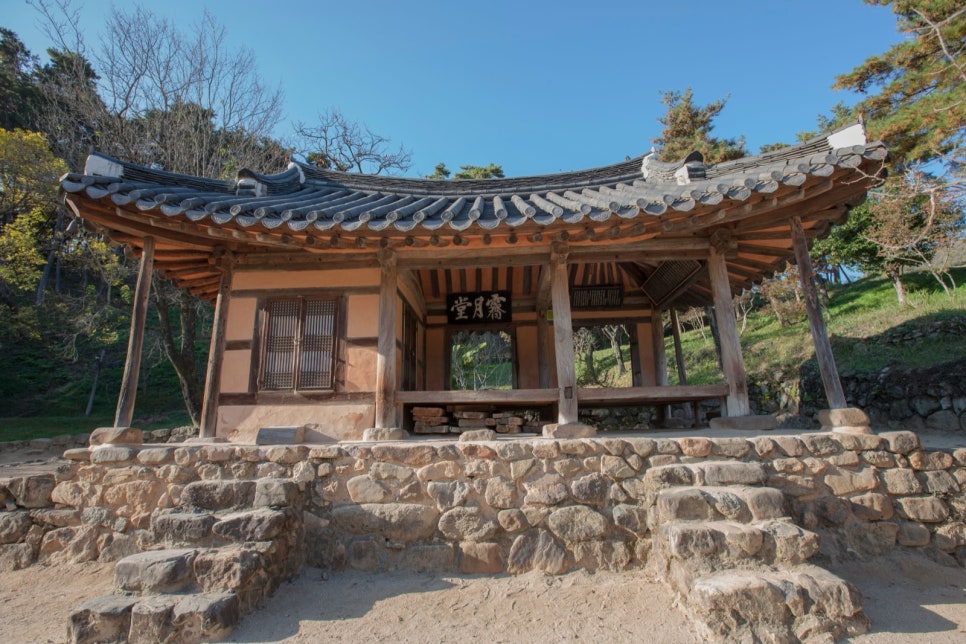
- Mudeungsan pungnyu walk — an easy walk around pavilions such as Hwanbyeokdang and Pungamjeong
- Day one, evening
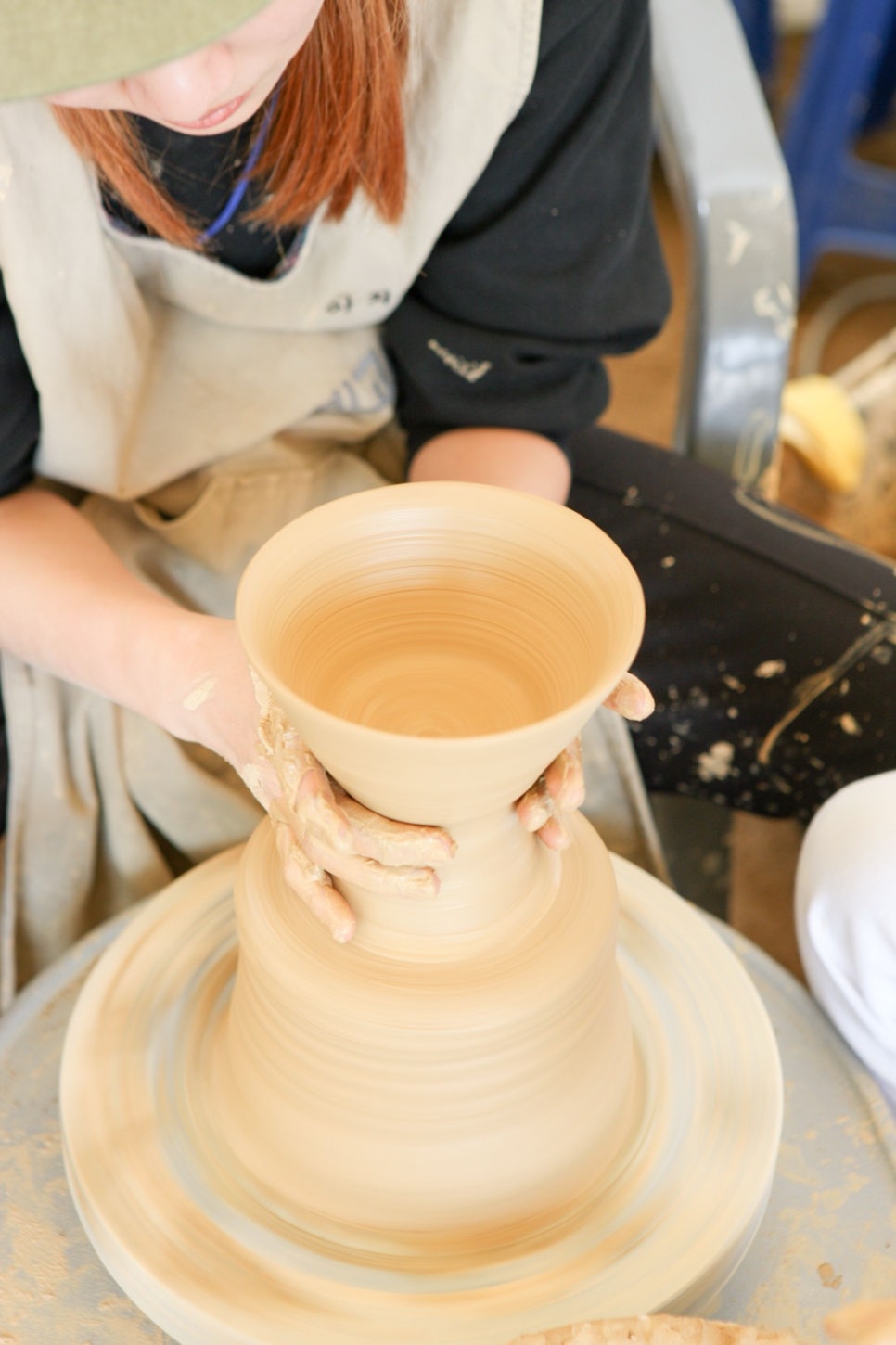
- Pungnyu pottery — shaping a bowl from Mudeungsan clay and coating it with white slip, buncheong style
- Day two, morning
- A morning walk in Soswaewon Garden, then making a 'Mudeungsan Pungnyujeop' album of the trip
The poster only says the walk covers 'Hwanbyeokdang, Pungamjeong and others', so its exact length and difficulty have not been published. If your knees are a concern or you are bringing children, ask the centre (+82 62-263-1187, Korean) beforehand.
Some stops are outside the national park
Soswaewon (Damyang, South Jeolla), visited on day two, and Hwanbyeokdang (Buk-gu, Gwangju), on the day-one walk, are heritage sites outside the boundary of Mudeungsan National Park. The programme deliberately ties a national park visit to the pavilion culture around it.
What does Mudeungsan look like in November?
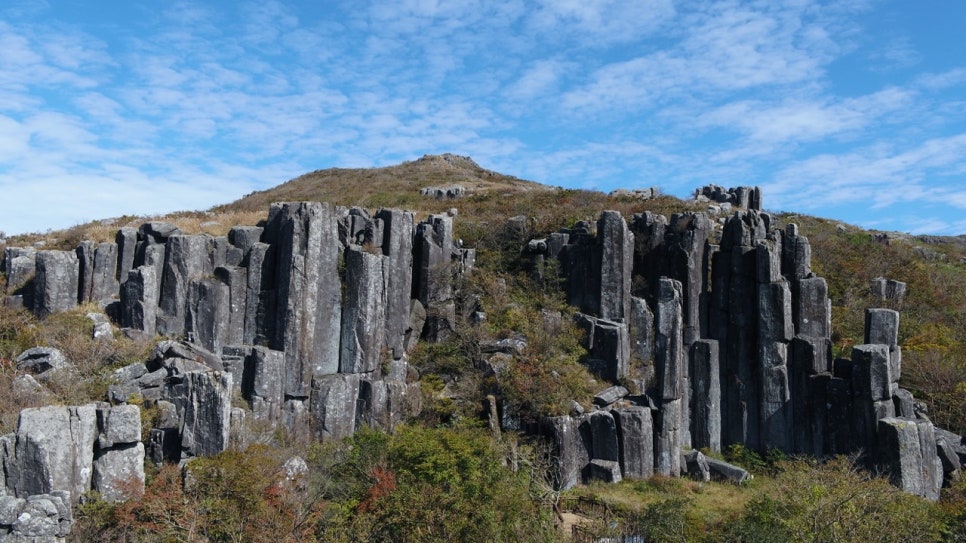
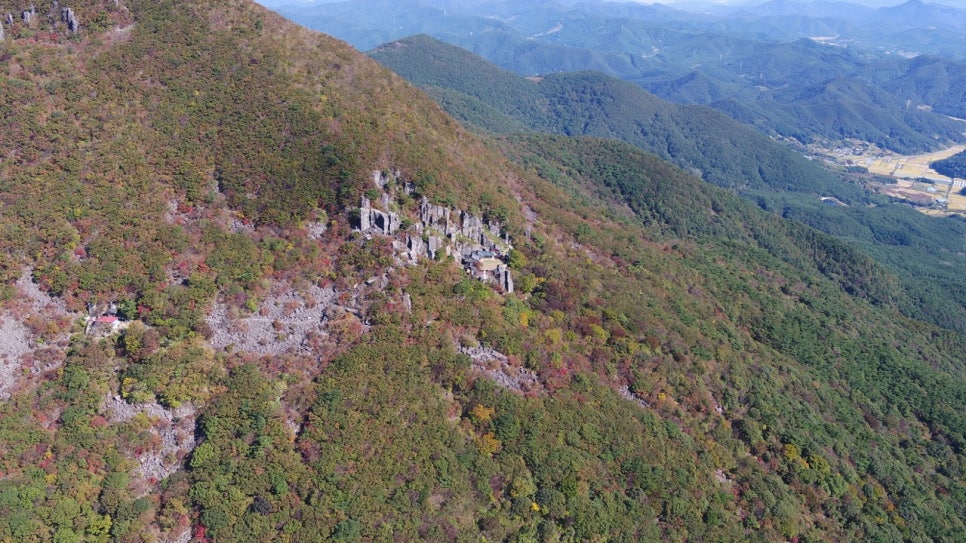
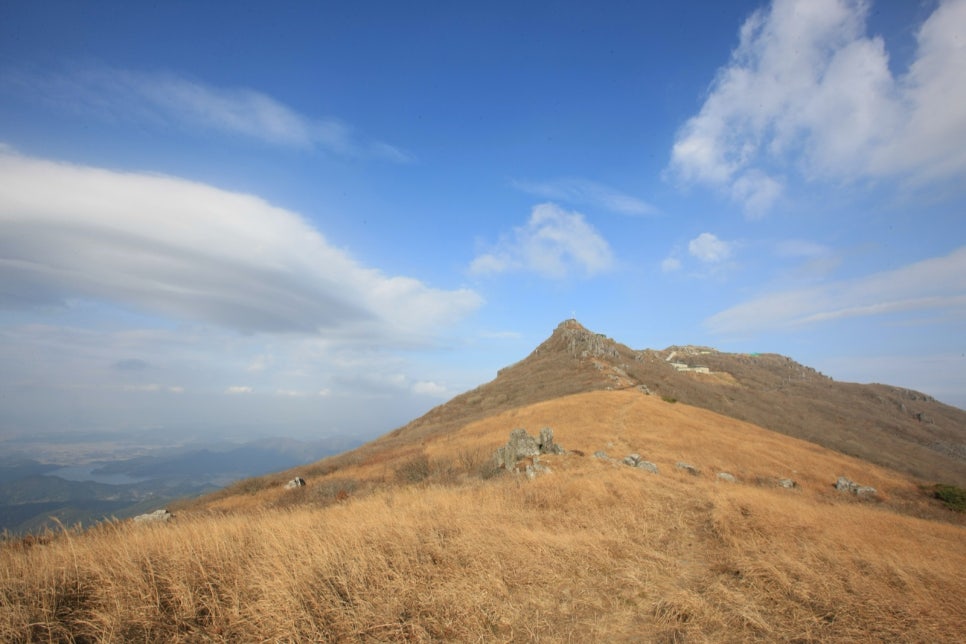
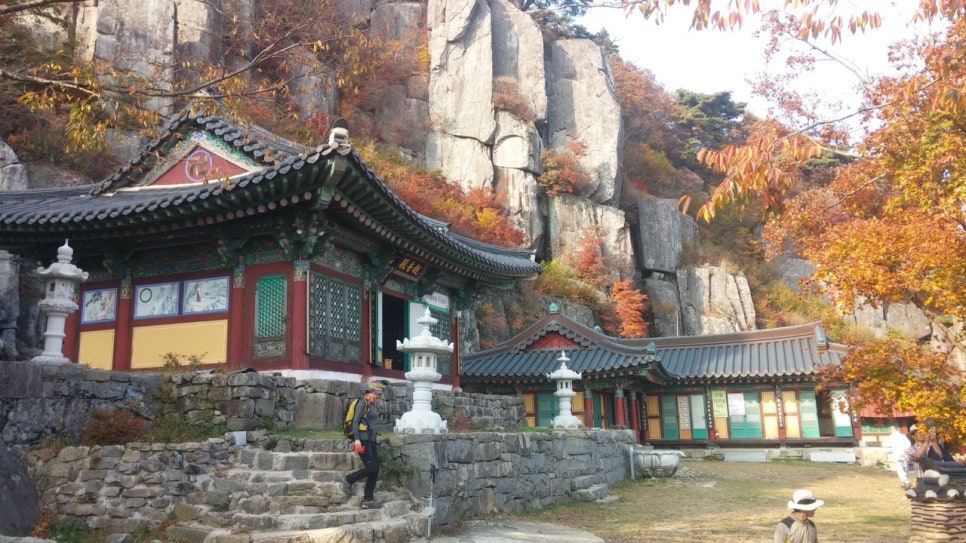
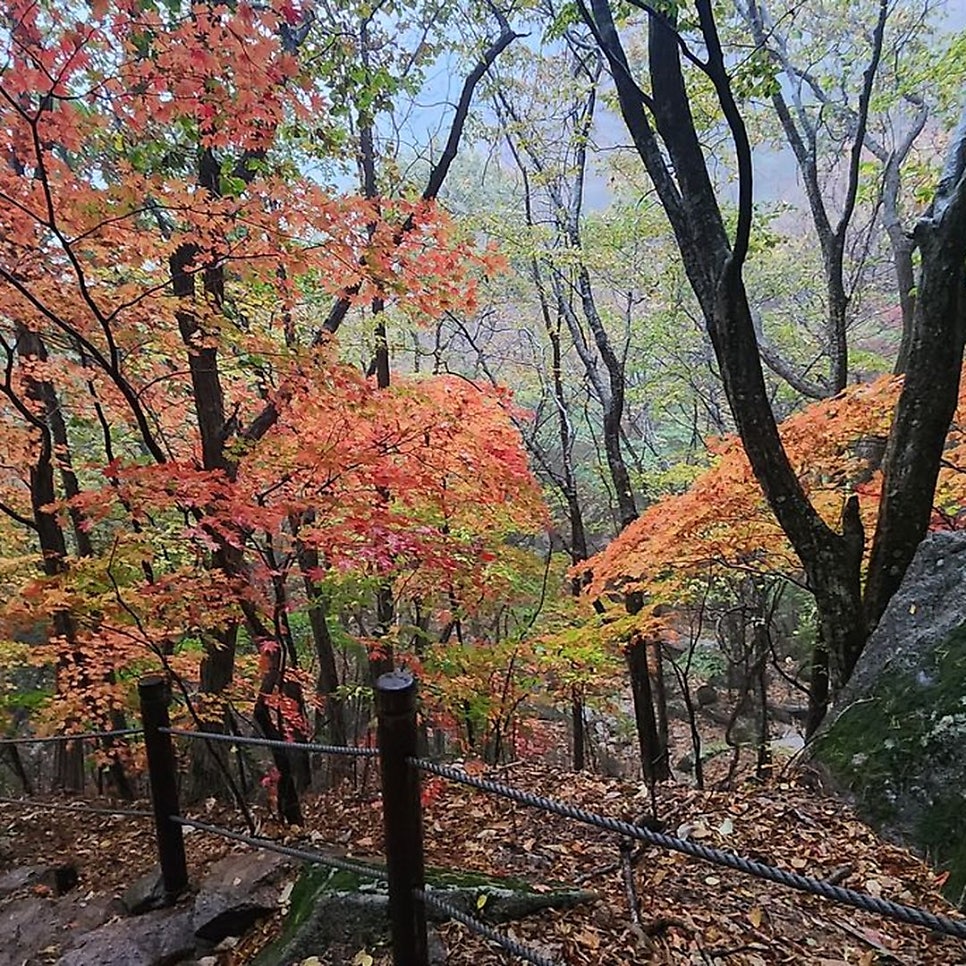
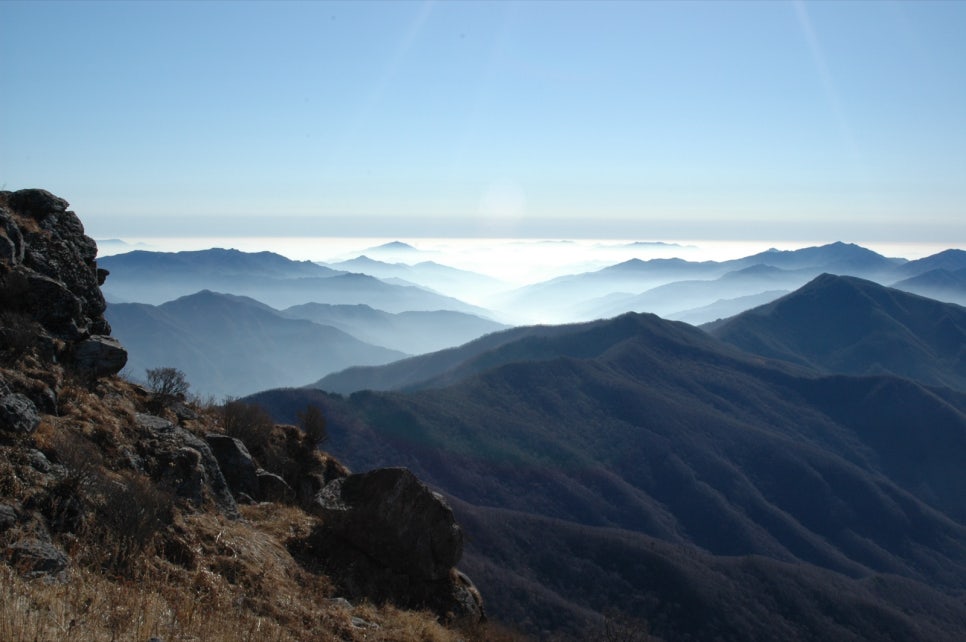
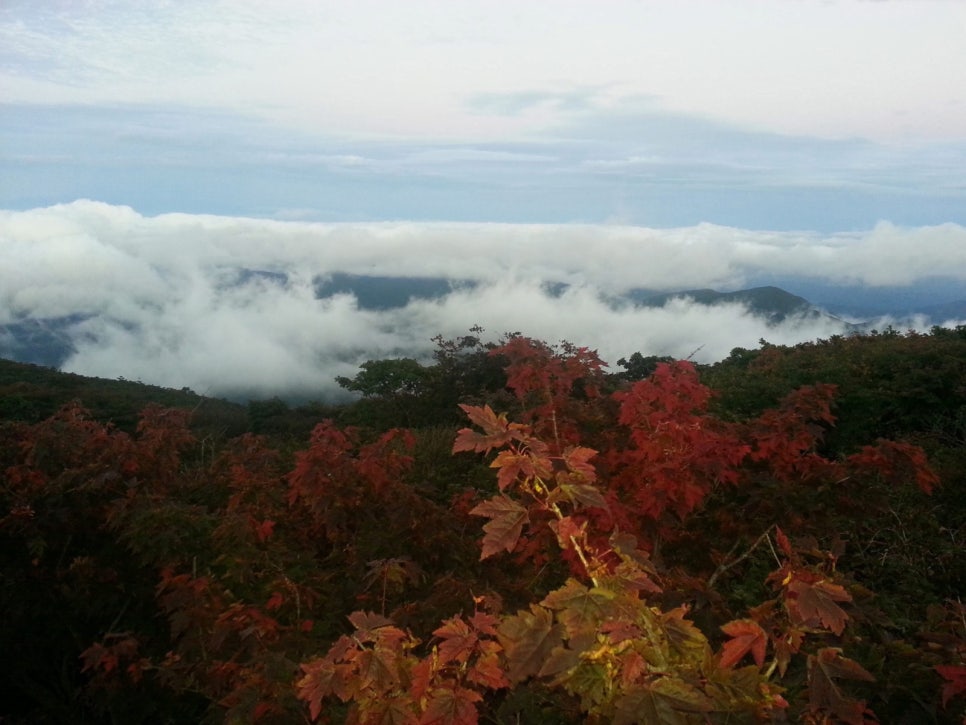
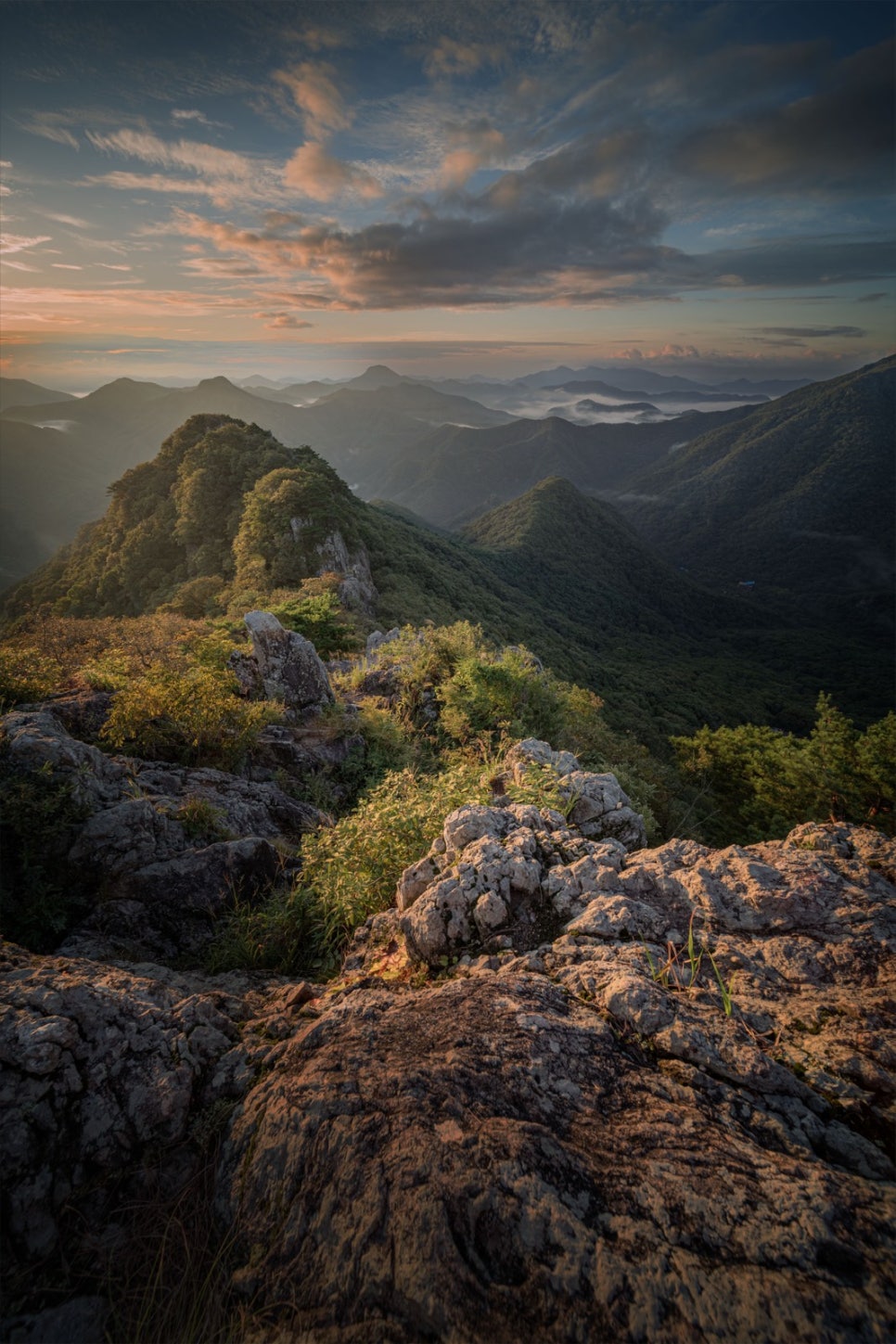
Early to mid November, when the programme runs, is the tail end of Mudeungsan's autumn colour, when the grass on the summit ridges turns silver. The photographs below are autumn stock images of Mudeungsan National Park, not of the walking route around Hwanbyeokdang and Pungamjeong.
What is the buncheong pottery class?
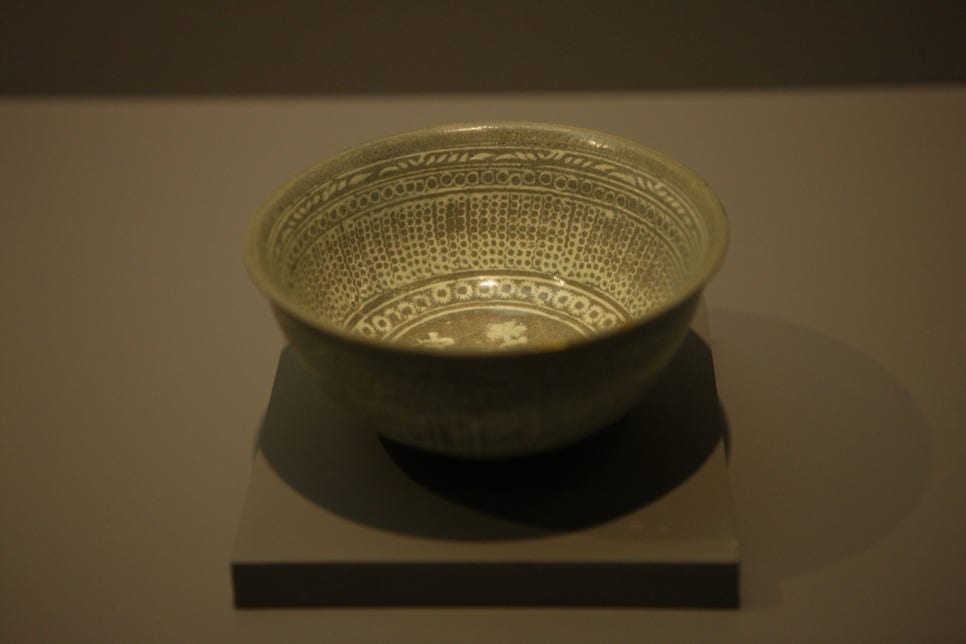
The first evening is given to pottery. Buncheong is early Joseon stoneware: a grey clay body brushed or inlaid with white slip, and the foothills of Mudeungsan in Gwangju still have buncheong kiln sites. The class follows the same method — shaping a vessel from Mudeungsan clay and finishing it with white slip. The KRW 30,000 materials fee is already included in the programme price, so there is nothing more to pay on the night.
The second morning at Soswaewon
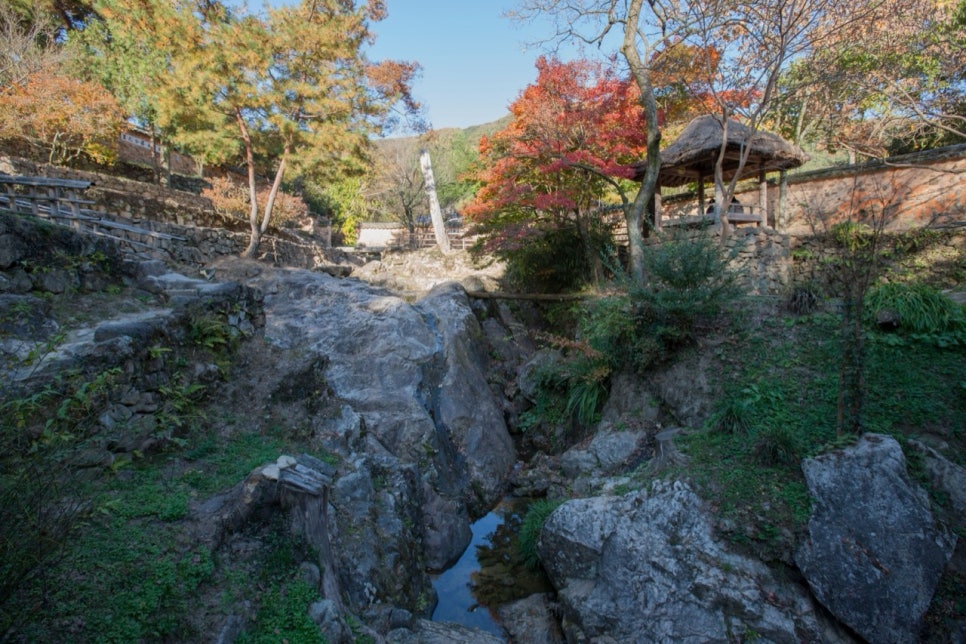
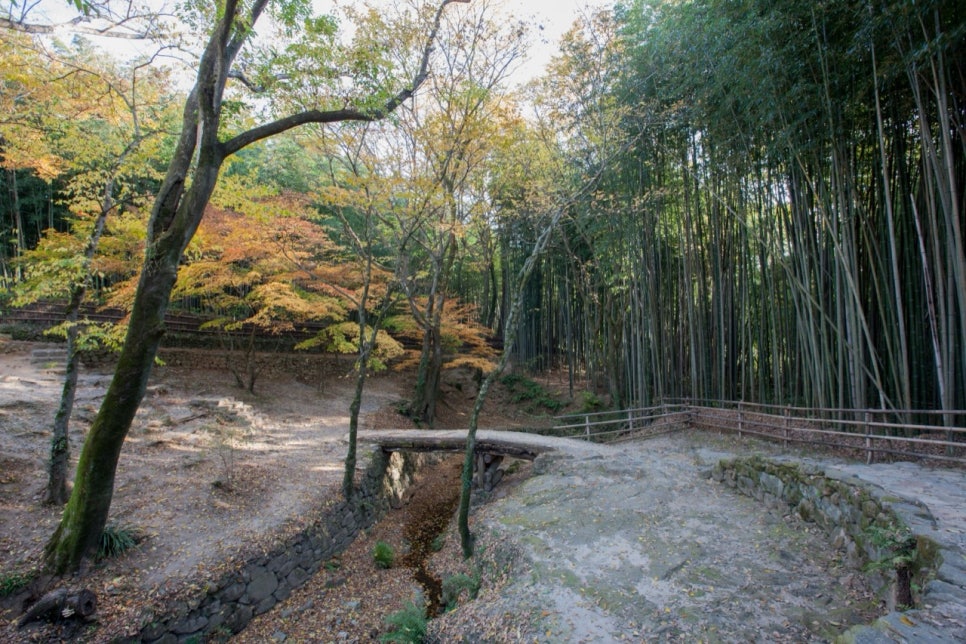
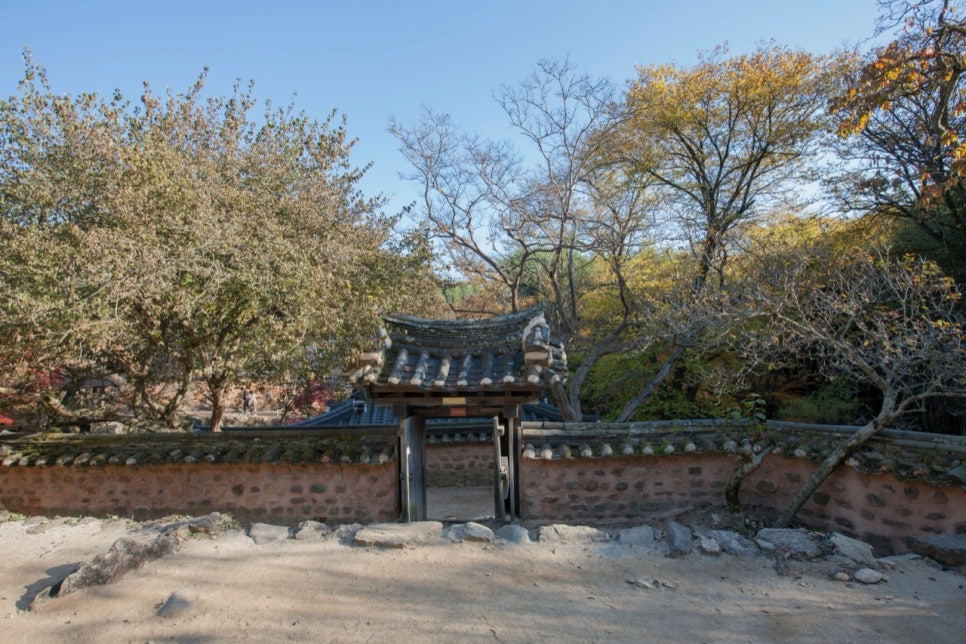
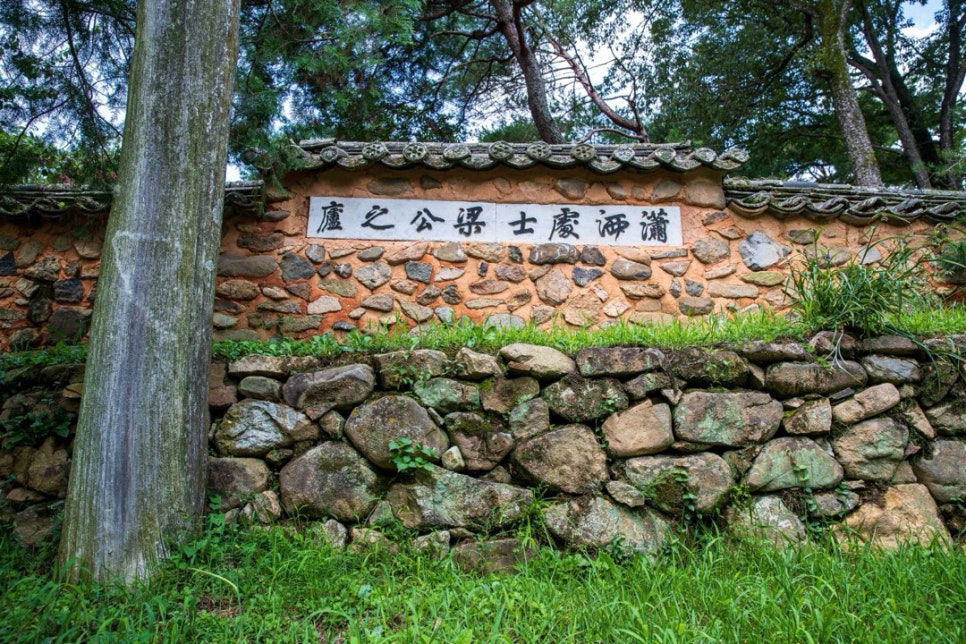
Day two begins with a walk in Soswaewon in Damyang. Soswaewon is a mid-Joseon retreat garden of pavilions, earth-and-stone walls and bamboo laid out on both banks of a stream, and is a designated Scenic Site. Walking it in the morning, before the crowds arrive, is the point of this part of the schedule; afterwards you gather the two days' photos and notes into a small album called the 'Mudeungsan Pungnyujeop'.
When are the sessions, and when do they close?
Every session closes at 3pm seven days before it starts. These are the three sessions listed on the booking site when we checked on 27 October; each takes a minimum of 2 and a maximum of 20 people.
Mudeungsan Pungnyu Giheng sessions (Korea National Park Service reservation site)
- 2nd session
- Friday 6 – Saturday 7 November · closes Friday 30 October, 15:00
- 3rd session
- Saturday 7 – Sunday 8 November · closes Saturday 31 October, 15:00
- 4th session
- Friday 13 – Saturday 14 November · closes Friday 6 November, 15:00
The 1st session is not listed
The press release says four weekend sessions in November, but the booking site lists only the 2nd to 4th. We could not confirm from official sources whether the 1st has already closed or moved. Note too that the 2nd and 4th sessions start on a Friday — do not assume 'weekend' means a Saturday start.
How much is it, and how do I book?
The press release gives no prices. The amounts below are the options shown on the Korea National Park Service reservation site, where both the room and the programme are marked as required. The four-person room is priced per room, so a smaller group pays more per head.
Mudeungsan Pungnyu Giheng fees (reservation site)
- Dormitory room (type A), four-person
- KRW 80,000
- Programme (overnight), adult
- KRW 51,500 — includes KRW 30,000 pottery fee
- Programme (overnight), youth
- KRW 45,500 — includes KRW 30,000 pottery fee
- Discounts
- None — this is a special programme, so the usual fee reductions do not apply
- Log in to the Korea National Park Service reservation site (reservation.knps.or.kr).
- Go to Reserve → Eco-Tourism Centers → Special Programmes → Mudeungsan.
- Choose your session, add the room and the programme (adults and youths) together, and pay.
Read the cancellation terms before you pay. According to the booking site, cancelling within seven days of the start costs 30% of the payment. If fewer than two people have booked a session seven days before it starts, it is cancelled automatically with a full refund. Bring a water bottle, toiletries, any medicines you need and an umbrella.
Getting there, and booking without a Korean phone number
Be clear about the barrier first. The park service's reservation site needs an account verified by Korean real-name check — a Korean mobile number or an I-PIN — and the programme listing, the notice and the 062-263-1187 enquiry line are all in Korean. A foreign resident with a Korean phone can book it like anyone else; a short-stay traveller usually cannot finish the booking alone and would need a Korean friend to book for them. The sessions themselves are guided in Korean throughout, though a walk, a pottery class and a garden at dawn are easy to follow by watching. Gwangju is about two hours from Seoul by KTX from Yongsan to Gwangju Songjeong Station; from there a taxi to the Mudeungsan Eco-Tourism Center on Deogui-gil in Buk-gu is the simplest way to make the 14:00 start. The programme moves the group between Hwanbyeokdang, the centre and Soswaewon in Damyang.
Frequently asked questions
- Q. Where do I book Mudeungsan Pungnyu Giheng?
- On the Korea National Park Service reservation site (reservation.knps.or.kr): Reserve → Eco-Tourism Centers → Special Programmes → Mudeungsan, first come, first served. The room and the programme must be booked together, and the site needs an account verified with a Korean mobile number or I-PIN.
- Q. How much does Mudeungsan Pungnyu Giheng cost?
- According to the reservation site, a four-person dormitory room (type A) is KRW 80,000, plus a programme fee of KRW 51,500 per adult or KRW 45,500 per youth. The programme fee includes the KRW 30,000 pottery class; the only meal is a light breakfast on day two, and no discounts apply.
- Q. When does booking close for Mudeungsan Pungnyu Giheng?
- At 3pm seven days before each session: 30 October for the 2nd session (6–7 November), 31 October for the 3rd (7–8 November) and 6 November for the 4th (13–14 November).
- Q. What do you do on Mudeungsan Pungnyu Giheng?
- An afternoon walk around the Hwanbyeokdang and Pungamjeong pavilions, buncheong pottery in the evening, then a morning walk in Soswaewon Garden in Damyang and making a keepsake album the next day.
- Q. Is Soswaewon inside Mudeungsan National Park?
- No. Soswaewon is a Scenic Site in Damyang County, South Jeolla, outside the national park boundary. The programme is designed to take in the pavilion and garden culture around the park as well.
- Q. Is it worth going if I do not read Korean?
- Only if you live in Korea or are travelling with a Korean speaker. Everything is guided in Korean, and booking needs Korean identity verification. The activities themselves — an easy walk, a hands-on pottery class and an early-morning garden — are easy to follow without the commentary, so a foreign resident with some patience for Korean will get a good night out of it; a short-stay visitor alone is better off visiting Soswaewon independently.
Editor's note · Kang Shin-wook
For foreign residents of Korea, or visitors travelling with Korean friends, who want a slow late-autumn night near Gwangju and Damyang. The park service's booking rules and other eco-centres are covered in our national parks guide, and everything currently open for sign-up is on the booking page.
Sources
- Official notice (Korean)
- Korea National Park Service reservation site — Mudeungsan Eco-Tourism Center special programmes (Korean)
Written in our own words from the sources above, never copied from them, and every date and price checked against at least two pages. The originals are in Korean. Spotted a mistake? Ask for a correction.
Latest from Korea National Park Service
 Korea National Park ServiceNotice3 November 2026Korea's national parks in autumn: live cameras, crowds and entry times — what to check before you go
 Korea National Park ServiceProgramme3 November 2026On nowJirisan's Cheoneunsa lakeside walk with a KakaoTalk chatbot guide
 Korea National Park ServiceNotice2 November 2026Korea national park trail closures — 15 Nov to 15 Dec 2026
 Korea National Park ServiceProgramme2 November 2026On nowKorea's national park eco-centres: overnight stays with a local gift — November 2026