Exhibition·National Palace Museum of KoreaIn 5 daysFree
Korea's six new 'pre-heritage' objects in photos — Palace Museum, 23 Nov – 6 Dec
Summary
The Korea Heritage Service has named six records of recent Korean history as 2026 'pre-heritage', among them an original 1979 protest declaration, cartoonist Lee Sang-mu's hand-drawn 'Chorus of Doves' pages and climbing gear made for mountaineer Kim Hong-bin after he lost his fingers. A free photo exhibition of the six runs from 23 November to 6 December 2026 at the National Palace Museum of Korea in Gyeongbokgung. The catch: it shows photographs rather than the objects, nothing in English has been announced, and the museum is closed on Monday 30 November.
Article
In short
- On 11 November 2026 the Korea Heritage Service named six records of recent Korean history as 'pre-heritage' (예비문화유산) — objects too young to be registered as cultural heritage but judged worth protecting now.
- A photo exhibition of the six, 'Records of Our Lives, Heritage of the Future', runs from Monday 23 November to Sunday 6 December 2026 at the National Palace Museum of Korea, inside the Gyeongbokgung grounds in Seoul.
- Admission is free and individual visitors need no booking. The museum stays open until 9:00 pm on Saturdays and on the last Wednesday of the month (25 November).
- The only closing day in the run is Monday 30 November (the museum shuts on the last Monday of each month).
- It shows photographs, not the objects themselves, and no English material has been announced — the panels are likely to be in Korean only.
Can something less than fifty years old be heritage? The Korea Heritage Service says yes. A protest declaration handed out at Pusan National University in 1979, a cartoonist's hand-drawn pages from an era when originals were thrown away after printing, and climbing gear a friend built for a mountaineer who had lost his fingers are now on its pre-heritage list. The selection is not staying in a press release: for two weeks from 23 November it goes on show as a photo exhibition at the National Palace Museum, inside Gyeongbokgung.
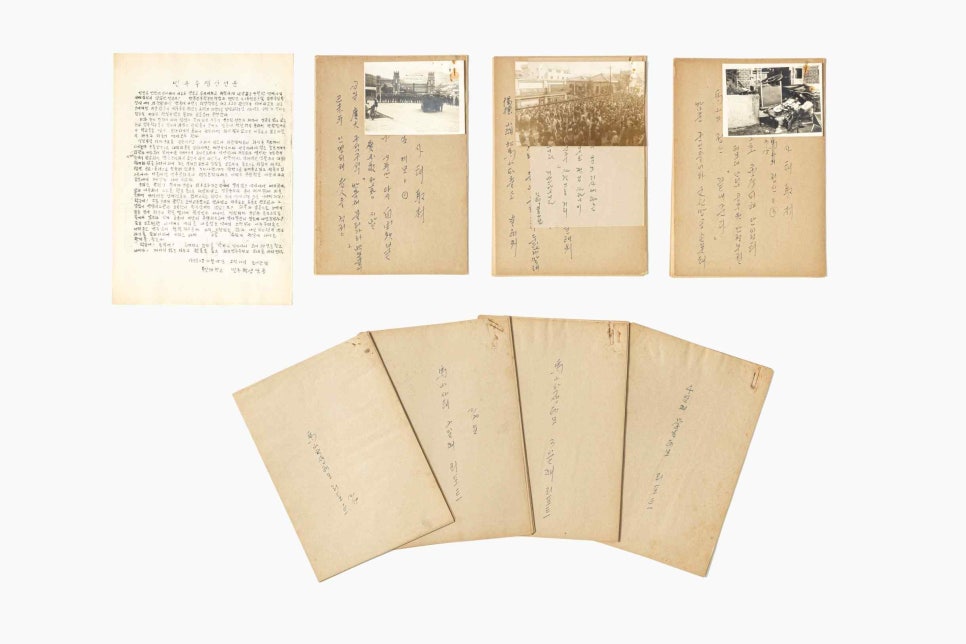
Reporter Kim Taek-yong's notes from the Bu-Ma uprising, with their envelope.
Photo: Korea Heritage Service · KOGL Type 1 · Original
Below: why the scheme exists, what each of the six objects is, and the hours and closing day to know before you go. Facts were checked against the Korea Heritage Service press release of 11 November 2026 and the museum's own visitor page.
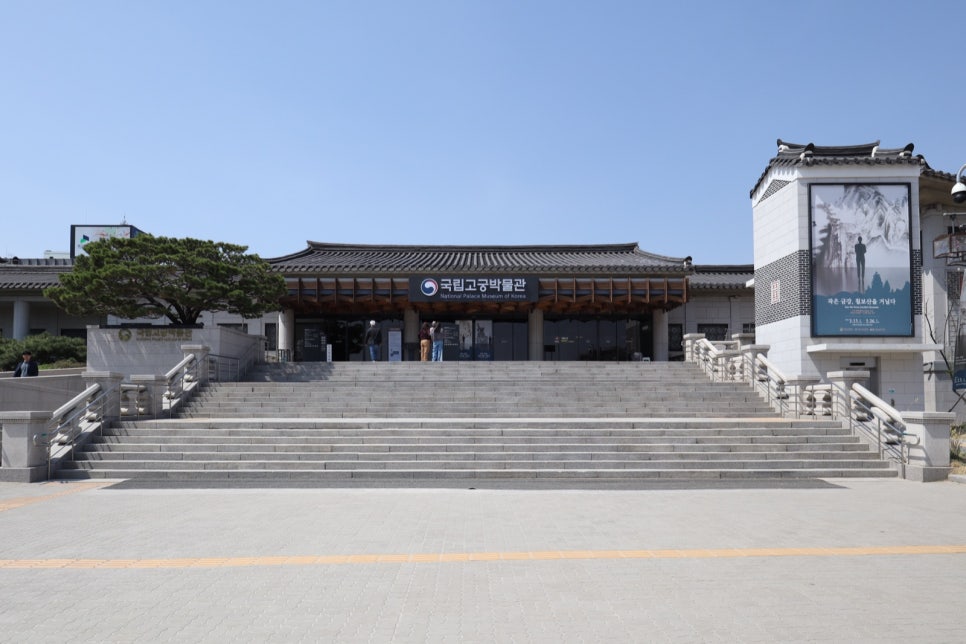
The front of the National Palace Museum (April 2024). Not a photo of this exhibition; the poster on the pillar is for an earlier show.
Photo: Mobius6 / Wikimedia Commons · CC BY
What is pre-heritage?
In Korea an object normally has to be fifty years old before it can be registered as cultural heritage. The trouble is that originals get thrown away or scattered while that half-century passes. Pre-heritage was introduced to close the gap: modern items that have not reached the age limit but look likely to be registered one day are named early, so they are not lost and can become a cultural resource for their communities.
The first list came out in November 2025, with ten items including the 'Papillon chair' the monk Beopjeong made and used, and the hoop rolled across the stadium at the opening of the 1988 Seoul Olympics. The six named in 2026 are the second list.
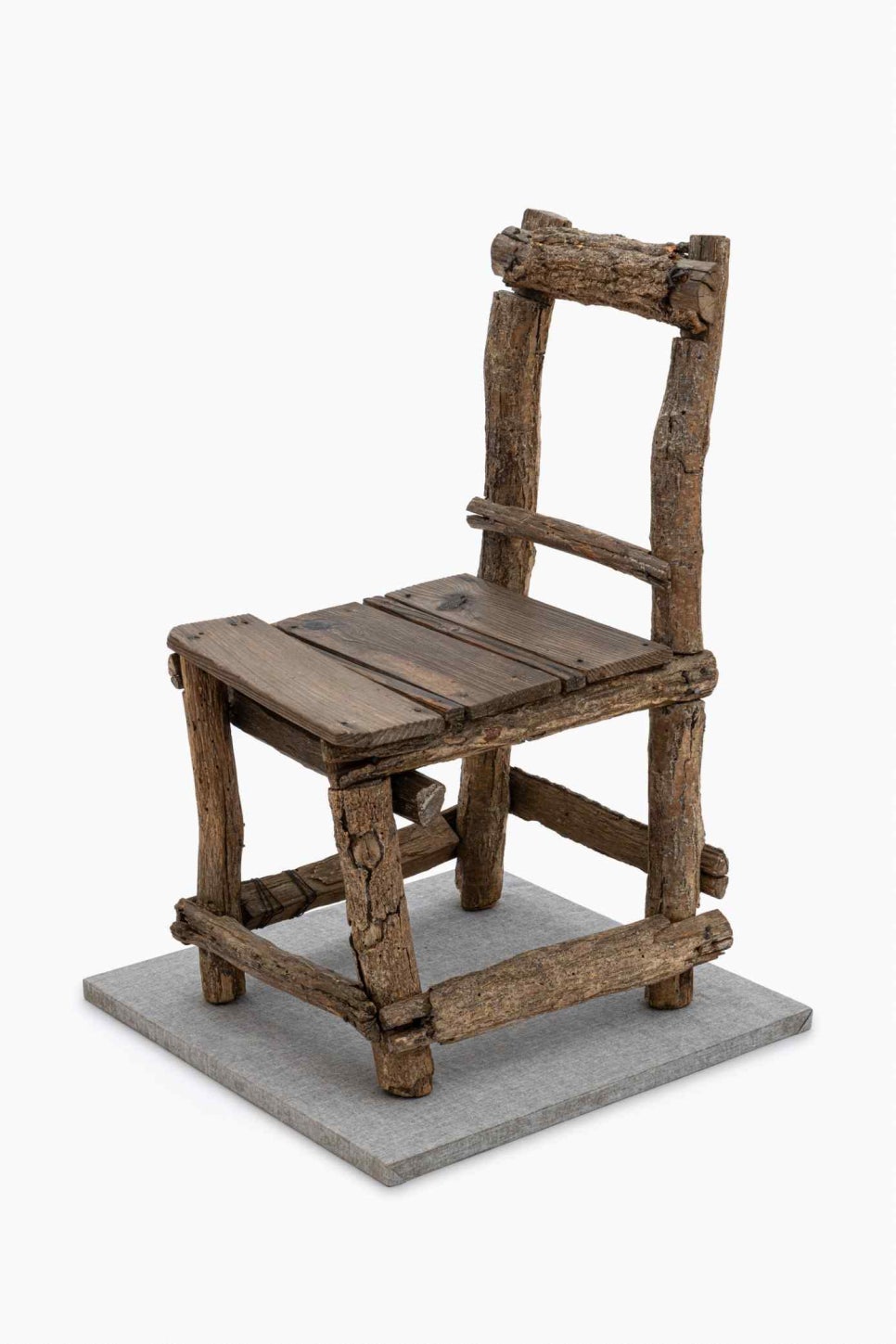
The monk Beopjeong's 'Papillon chair', on the first pre-heritage list in 2025.
Photo: Korea Heritage Service · KOGL Type 1 · Original
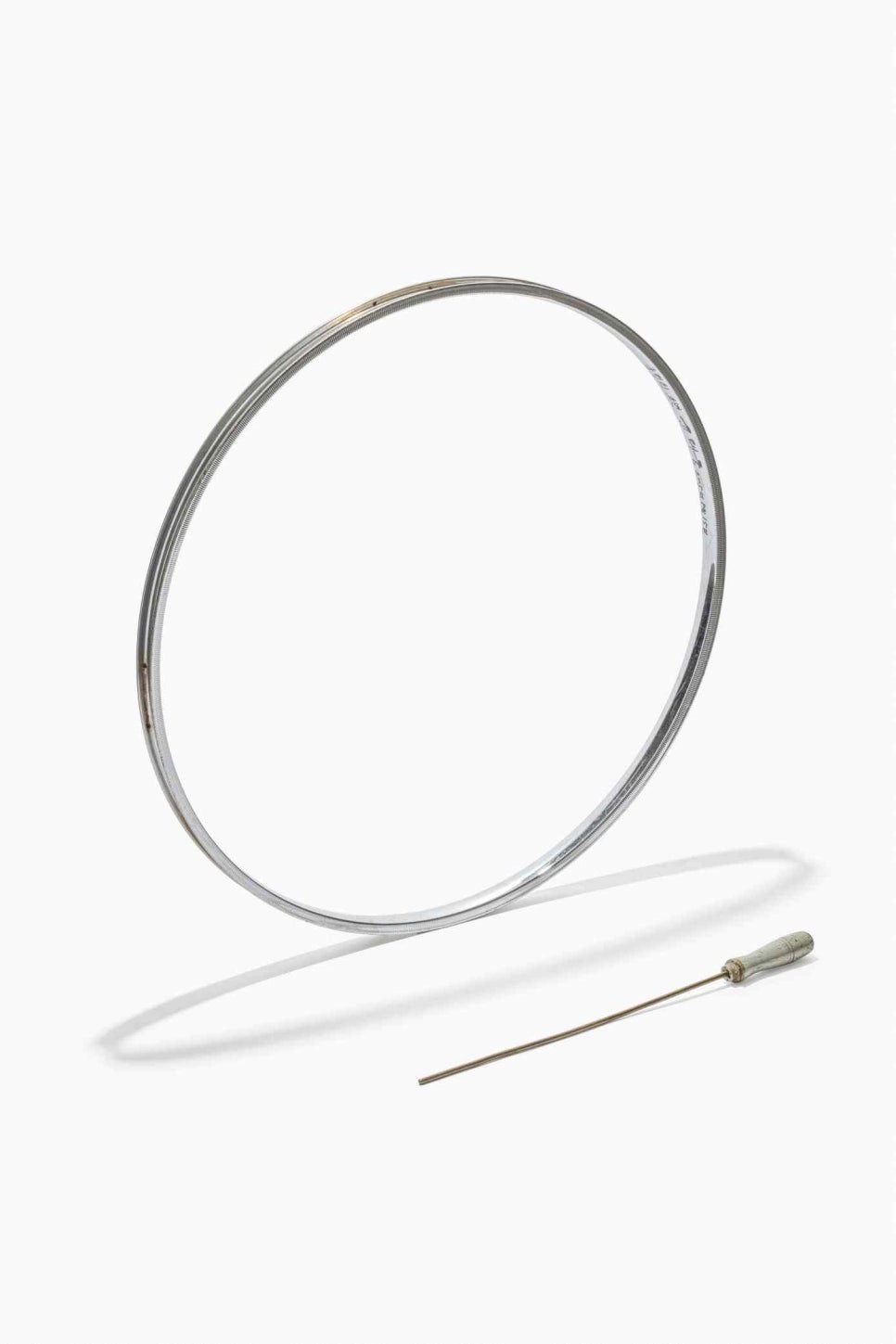
The hoop from the 1988 Seoul Olympics opening ceremony, on the first pre-heritage list in 2025.
Photo: Korea Heritage Service · KOGL Type 1 · Original
What are the six chosen in 2026?
The six are a mixed group — protest records, comics, climbing gear, art and a sports memento — but each bears witness to a moment in Korean life from the late 1970s on. Dates, quantities and owners are as given in the press release.
The six 2026 pre-heritage items (Korea Heritage Service press release)
- Bu-Ma Democratic Uprising: the Declaration of Democratic Struggle
- 1979 · 1 item · Busan-Masan Democratic Protests Memorial Foundation
- Bu-Ma Democratic Uprising: reporter Kim Taek-yong's notes
- 1979–1980 · 113 pieces · Busan-Masan Democratic Protests Memorial Foundation
- Lee Sang-mu's 'Chorus of Doves' comic originals and TV animation scripts
- 1978–1979 and 1987 · 602 pieces in 2 sets · Korea Manhwa Contents Agency
- Mountaineer Kim Hong-bin's climbing gear and records
- 1990s–2000s · 44 pieces in 8 sets · Kim Hong-bin memorial association and the Eastern Regional Office of Forest Service
- Lee Ungno's 'People' series and personal effects
- 1980s · 113 pieces in 20 sets · Daejeon Goam Art and Culture Foundation
- Mementos of the unified Korean team, 41st World Table Tennis Championships, Chiba
- 1991 · 5 pieces in 4 sets · Seoul Olympic Sports Promotion Foundation
Why do the two Bu-Ma uprising records matter?
One is the original Declaration of Democratic Struggle, written and handed out at Pusan National University on 15 October 1979 to call students to protest. It is a copy distributed at the time, kept ever since by its author, Shin Jae-sik.
The other is 113 pages of notes by Kim Taek-yong, the Masan correspondent of the Busan Ilbo newspaper, who followed the protests in Masan from 18 to 21 October. Far fewer records of the uprising survive from Masan than from Busan, which is why the Korea Heritage Service rates these highly. The photograph at the top of this page shows the notes and their envelope.
Why did the 'Chorus of Doves' originals survive?
Lee Sang-mu's 'Chorus of Doves' (1978–1979) is counted among the defining Korean comics of the 1970s, catching the mood of a country going through fast industrialisation and urbanisation. At the time, originals were usually discarded once a book was printed, so a complete set of the artist's hand-drawn pages is rare in itself. The script for the 1987 TV cartoon was chosen with it; it still carries the author's own corrections.
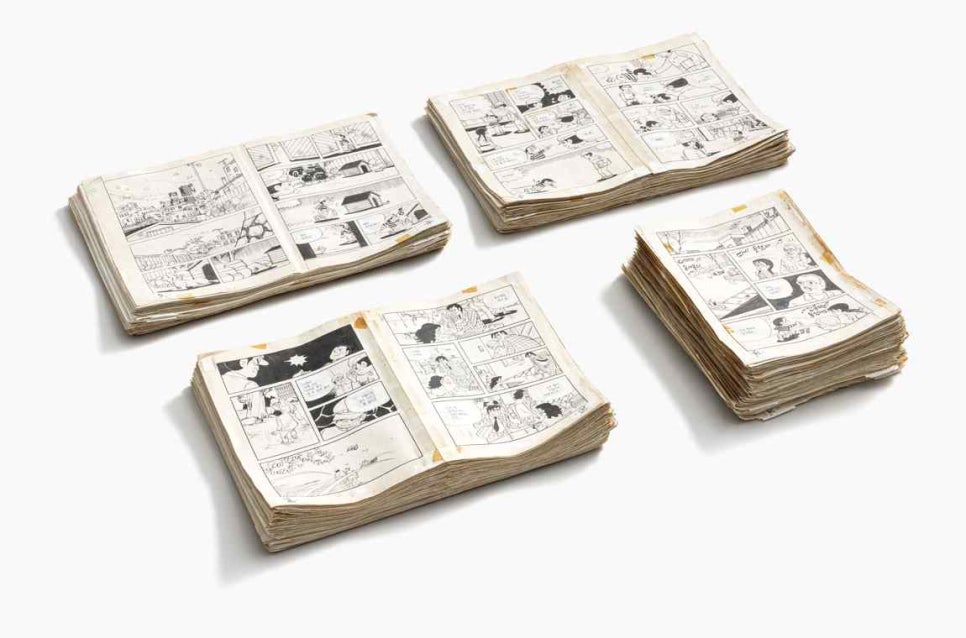
Lee Sang-mu's hand-drawn pages for 'Chorus of Doves'.
Photo: Korea Heritage Service · KOGL Type 1 · Original
What makes Kim Hong-bin's gear special?
Kim Hong-bin was the first disabled climber in the world to summit all fourteen 8,000-metre peaks of the Himalaya and the highest peak on every continent. The items chosen include an ascender connector, ice axes and his climbing logs. The ascender connector and the ice axes were made specially by his fellow climber Jo Byeok-rae after Kim lost his fingers in a 1991 accident — a record of one man's persistence and of the friends who backed him.
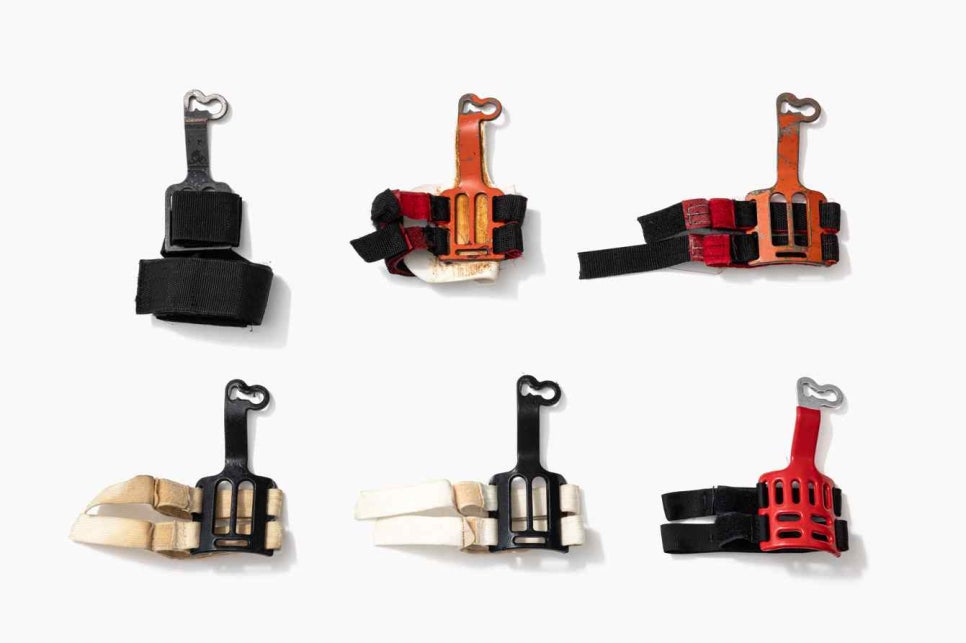
Kim Hong-bin's ascender connector.
Photo: Korea Heritage Service · KOGL Type 1 · Original
Lee Ungno's 'People' and his studio things
After witnessing the May 1980 Gwangju Democratic Uprising, the painter Lee Ungno turned to his 'People' series, crowds of figures tangled together in motion, in painting and sculpture. The 113 pieces chosen include the works themselves along with his tools, the vest he wore while working, sketchbooks and printing blocks, so you can follow how the works were made.
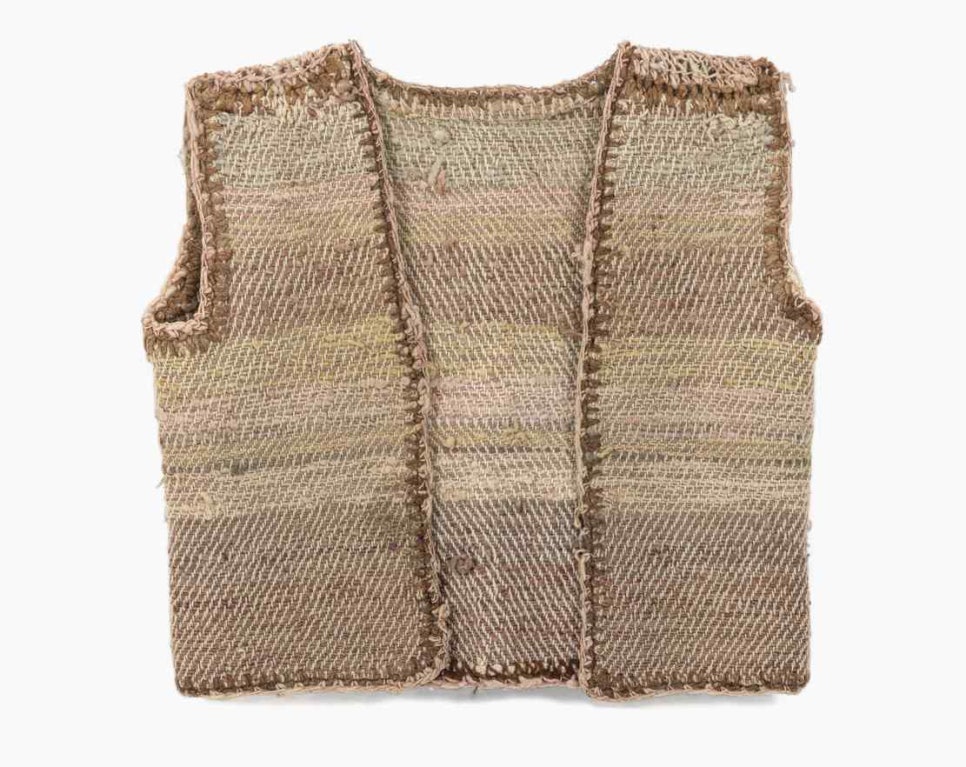
The vest Lee Ungno wore while working.
Photo: Korea Heritage Service · KOGL Type 1 · Original
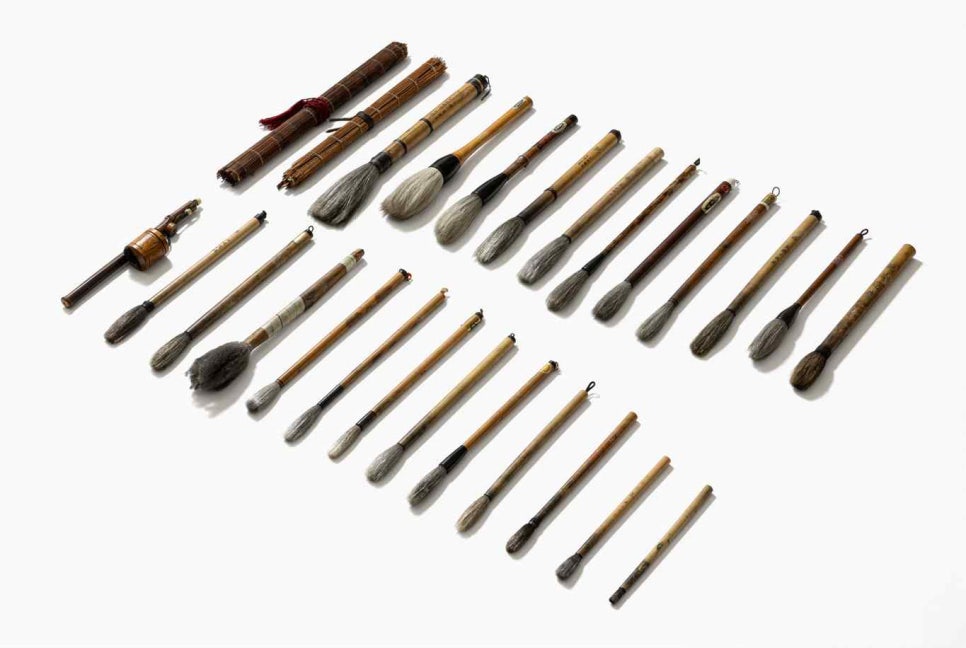
Lee Ungno's tools.
Photo: Korea Heritage Service · KOGL Type 1 · Original
The 1991 unified Korean table tennis team
At the 1991 World Table Tennis Championships in Chiba, Japan, South and North Korea fielded a single team for the first time and won the women's team title. Added this year are the gold medal of the South's Hong Cha-ok and a bat on which the North's Yu Sun-bok wrote a message, among five pieces. They join the signed bat and pennant from the same team already chosen under the same name in 2025.
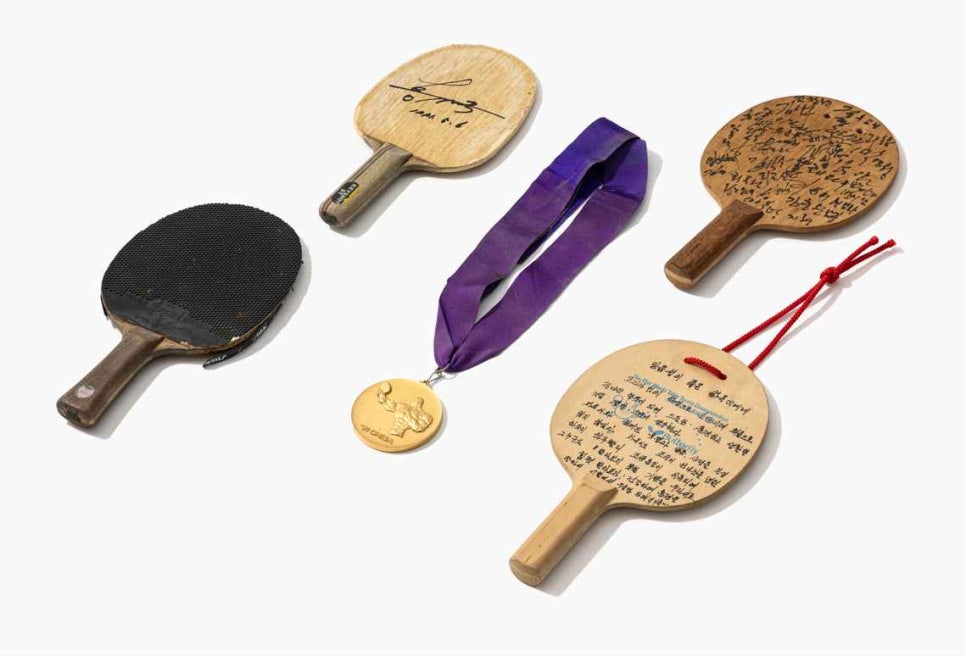
Mementos of the unified Korean team at the 1991 Chiba championships.
Photo: Korea Heritage Service · KOGL Type 1 · Original
When can you see it?
National Palace Museum hours during the exhibition (museum visitor page)
- Monday–Friday and Sunday
- 9:30 am – 5:30 pm (last entry 5:00 pm)
- Saturday
- 9:30 am – 9:00 pm (last entry 8:30 pm)
- Wednesday 25 November
- Late opening on the last Wednesday of the month — 9:30 am – 9:00 pm
- Monday 30 November
- Closed (last Monday of the month)
- Admission
- Free; no booking for individual visitors
Not announced yet
The press release says only that the exhibition is at the National Palace Museum. Which gallery, whether it has its own hours, and whether there are any events alongside it had not been announced as of 13 November 2026. The closing day and late opening come from the museum's standing rules applied to the exhibition dates. The quantities and owners of the six items were confirmed in the Korea Heritage Service press release only.
Getting there and what to expect
Take Line 3 to Gyeongbokgung Station: Exit 5 leads straight to the museum, and you do not need a Gyeongbokgung ticket to enter it. The museum's permanent galleries of Joseon royal objects are labelled in English, but this photo exhibition was announced only in Korean and no English panels or guide have been mentioned, so expect a short visit built around the photographs and the object names. It pairs well with the palace itself (KRW 3,000 for adults, free in hanbok), or with a Saturday evening, when the museum stays open until 9:00 pm.
Frequently asked questions
- Q. What is 'pre-heritage' in Korea?
- It is a Korea Heritage Service scheme for modern objects that are under fifty years old, and so cannot yet be registered as cultural heritage, but are judged worth protecting early. Ten items were named in 2025 and six more in November 2026.
- Q. Which six items were named pre-heritage in 2026?
- The Bu-Ma uprising's Declaration of Democratic Struggle, reporter Kim Taek-yong's notes from the uprising, Lee Sang-mu's 'Chorus of Doves' comic originals and TV scripts, mountaineer Kim Hong-bin's climbing gear and records, Lee Ungno's 'People' series and personal effects, and mementos of the 1991 unified Korean table tennis team.
- Q. When and where is the pre-heritage photo exhibition?
- 'Records of Our Lives, Heritage of the Future' runs from 23 November to 6 December 2026 at the National Palace Museum of Korea, inside Gyeongbokgung in Jongno-gu, Seoul, next to Exit 5 of Gyeongbokgung Station on Line 3.
- Q. Does it cost anything, and do I need to book?
- No. The National Palace Museum is free, individual visitors need no booking and no Gyeongbokgung ticket. Groups book through the museum website.
- Q. Are the real objects on display?
- No. It is a photo exhibition of the six items; the originals stay with their owners.
- Q. Is it worth going if I do not read Korean?
- As a short add-on to Gyeongbokgung, yes; as a trip on its own, probably not. The exhibition has been announced only in Korean and is made of photographs, so without Korean you will get the images and object names but little of the story — this page is the English context.
Editor's note · Kang Shin-wook
For visitors interested in modern Korean history, comics, mountaineering or sport, and for anyone adding a short free stop to a Gyeongbokgung visit. Hours and the permanent galleries are in our National Palace Museum guide; the palace next door is in the guide to Seoul's palaces and royal tombs.
Sources
- Official notice (Korean)
- National Palace Museum visitor information: hours and closing days (Korean)
- Korea Heritage Service press release on the first ten pre-heritage items (12 Nov 2025, Korean)
Written in our own words from the sources above, never copied from them, and every date and price checked against at least two pages. The originals are in Korean. Spotted a mistake? Ask for a correction.
Latest from National Palace Museum of Korea
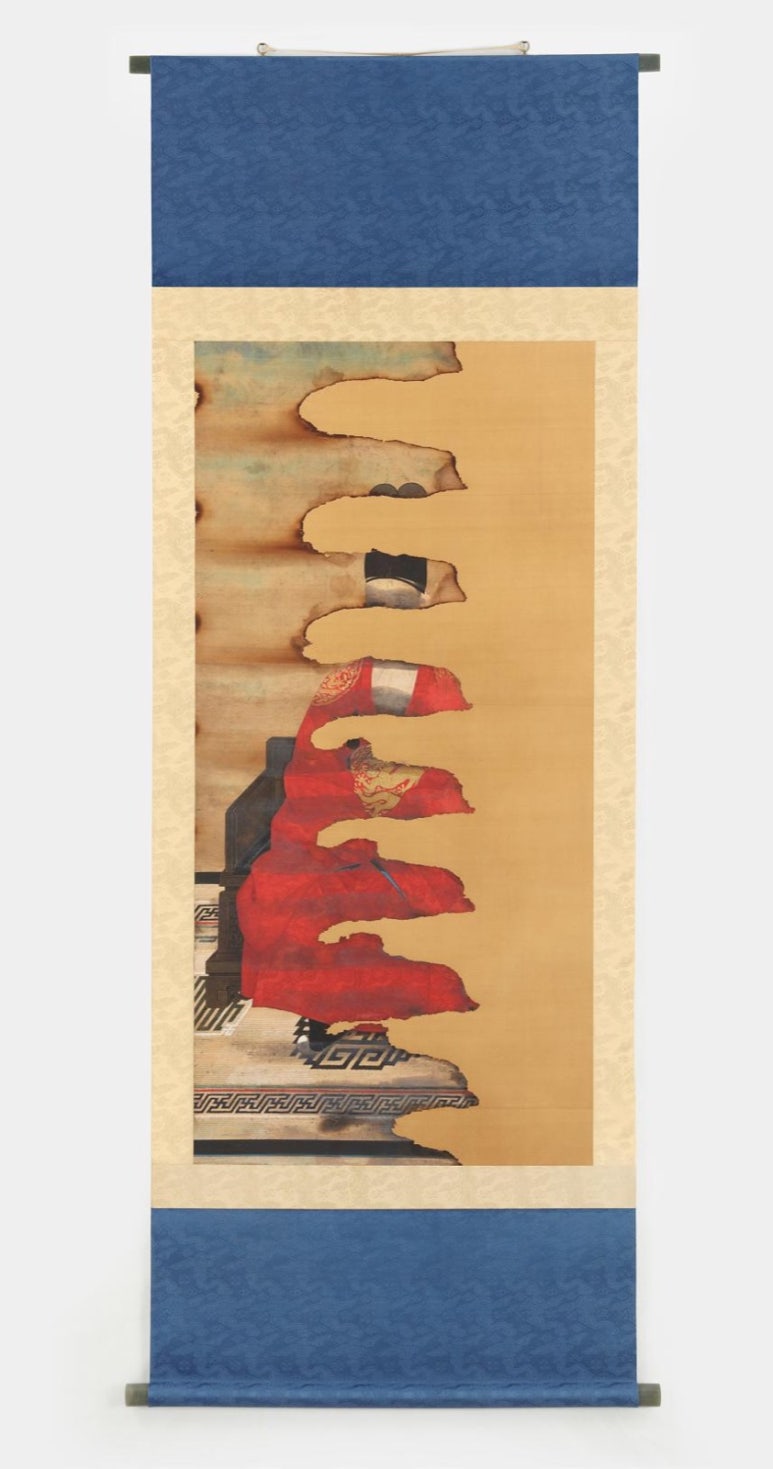 National Palace Museum of KoreaExhibition16 November 2026On nowFreeEmperor Sunjong's fire-damaged portraits on show — National Palace Museum, free
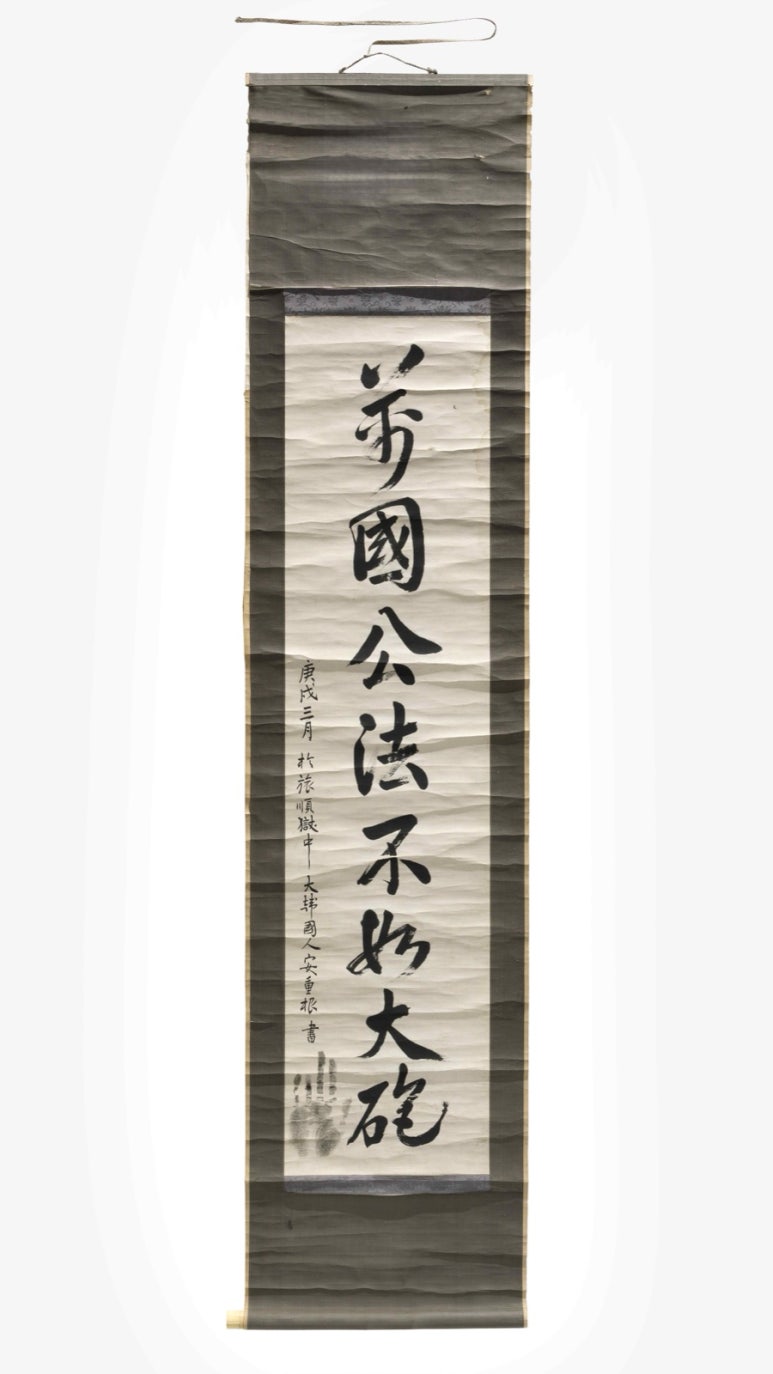 National Palace Museum of KoreaExhibition28 October 2026On nowFreeAhn Jung-geun's 'cannon' calligraphy at the Palace Museum — free to 27 Dec
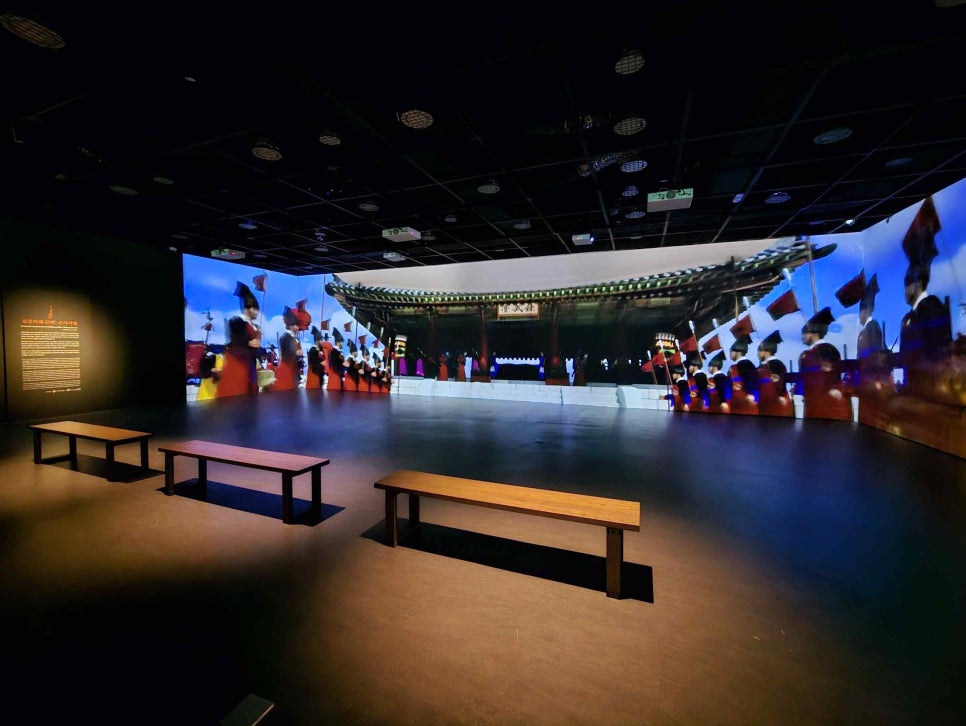 National Palace Museum of KoreaExhibition13 October 2026On nowFreeOdaesan's Annals Museum revives King Jeongjo's army in light — free until 13 December
 National Palace Museum of KoreaExhibition29 September 2026On nowA Joseon royal book screen in Paris — Musée Guimet, until 4 January 2027