The twin-lion stone lantern is going back to Yeoju — but not yet
Summary
The National Museum of Korea, the Korea Heritage Service and Yeoju City announced on 9 September that the Goryeo-era twin-lion stone lantern from the Godalsa temple site will be returned to the ruins it came from. No date has been set: conservation work, a final excavation report and site preparation all come first. For now it stands where it has for decades, in the museum's outdoor stone garden in Seoul — which is free to walk into.
Article
In short
- On 9 September 2026 the museum, the Korea Heritage Service and Yeoju City agreed that the lantern will return to the Godalsa temple site it came from.
- No transfer date has been fixed. Conservation treatment, publication of the final excavation report and site preparation all have to happen first.
- Until then it stays in the National Museum of Korea's outdoor stone garden in Seoul, which is free and open 7:00am to 10:00pm daily.
- That garden is open long after the galleries close, so the lantern can be seen on an evening when the museum itself is shut.
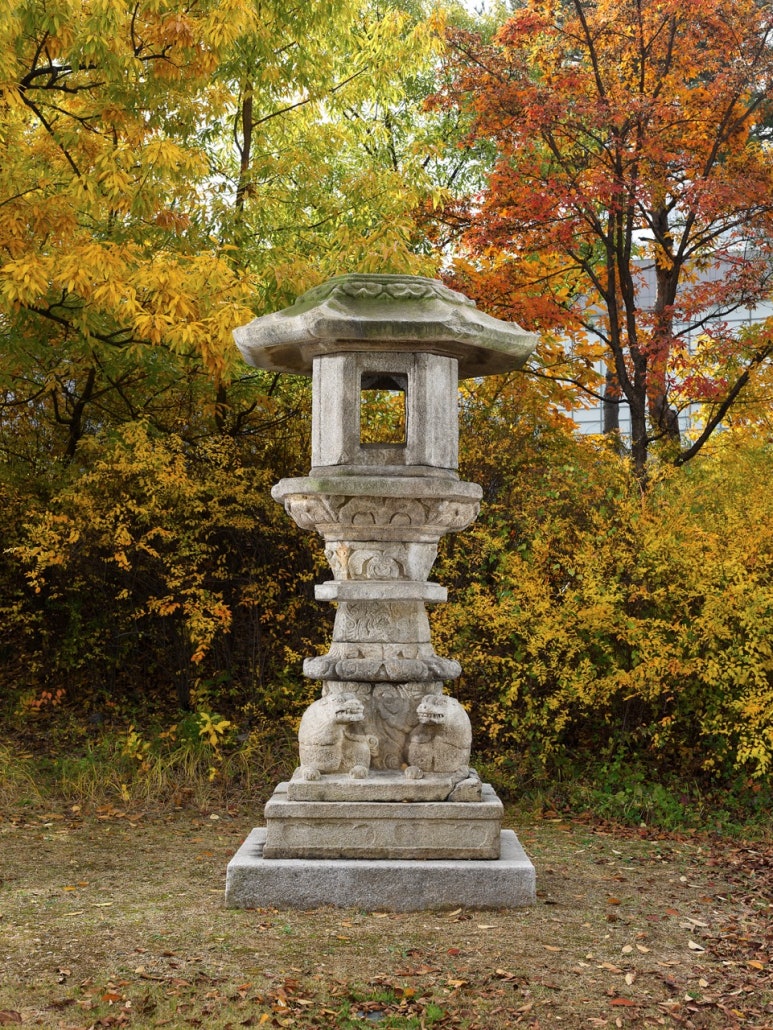
Korea spent much of the twentieth century moving its stone monuments into museums, for reasons that ranged from protection to convenience to colonial appropriation. The twin-lion stone lantern from Godalsa, a Goryeo-era temple site at Yeoju, has stood in Seoul for decades. It has now been agreed that it will go back, and the announcement is worth knowing about for a simple practical reason: if you want to see it in Seoul, the window is open but finite.
What the object is
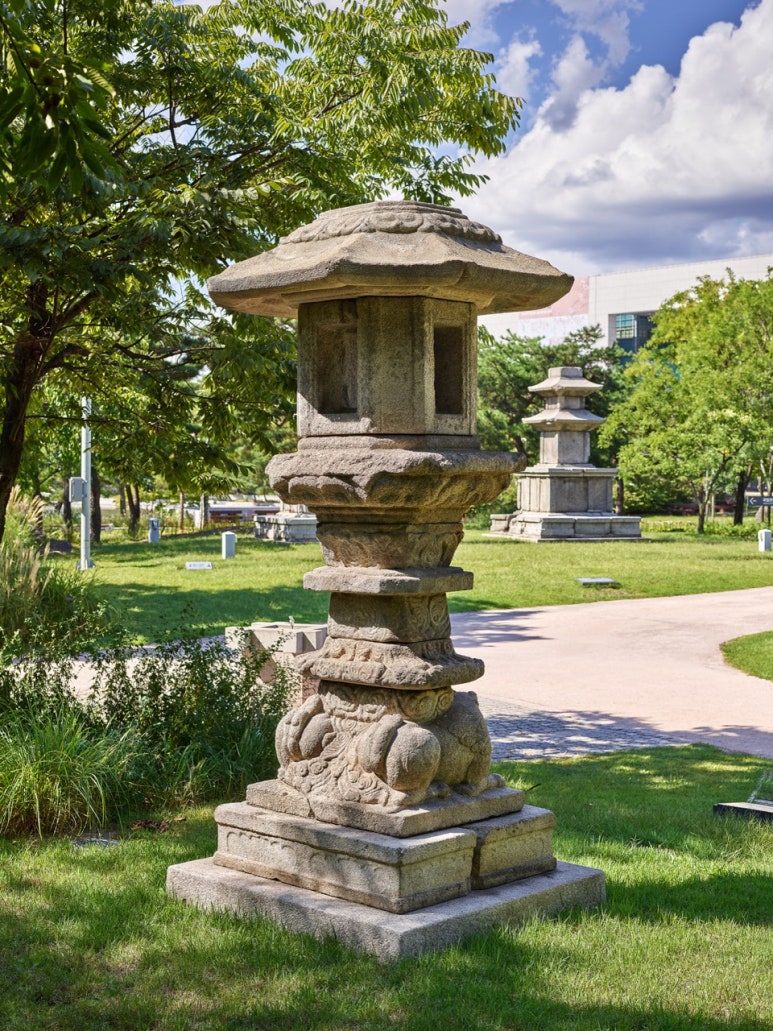
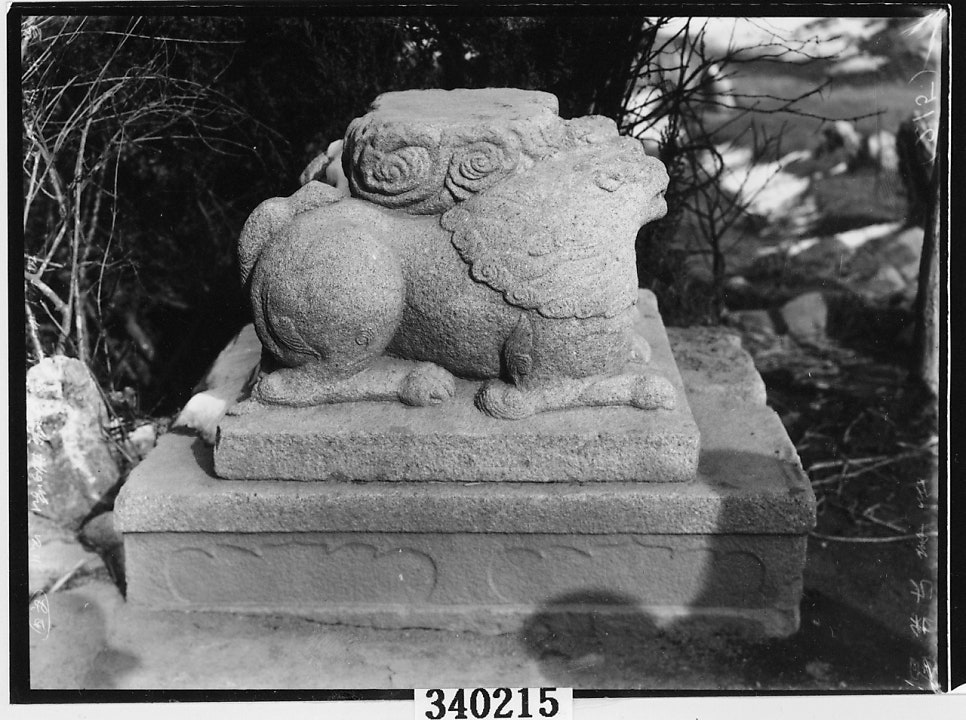
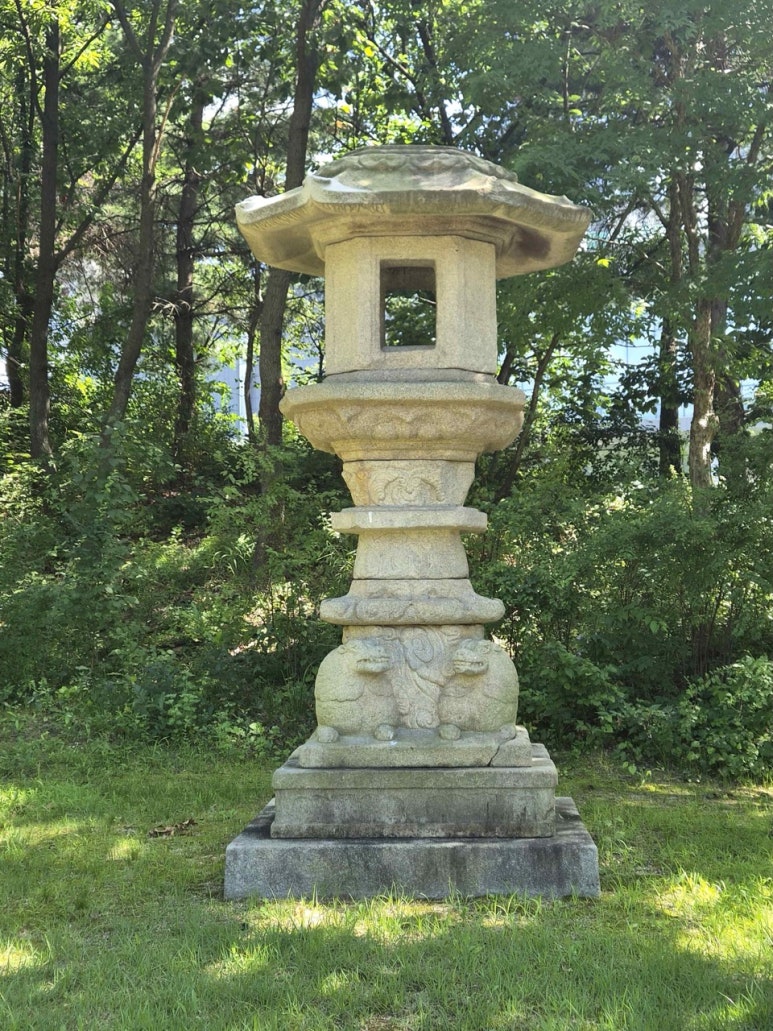
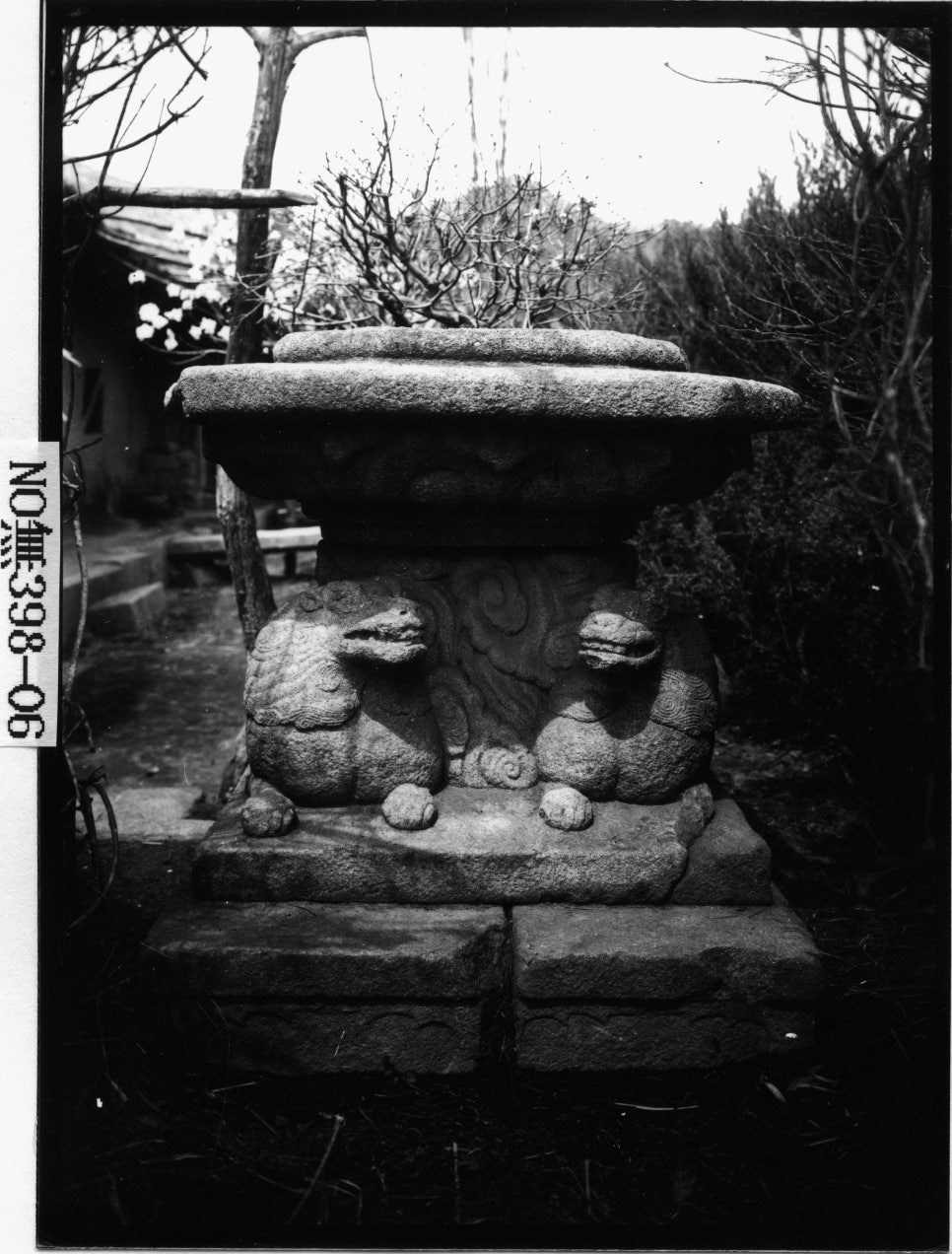
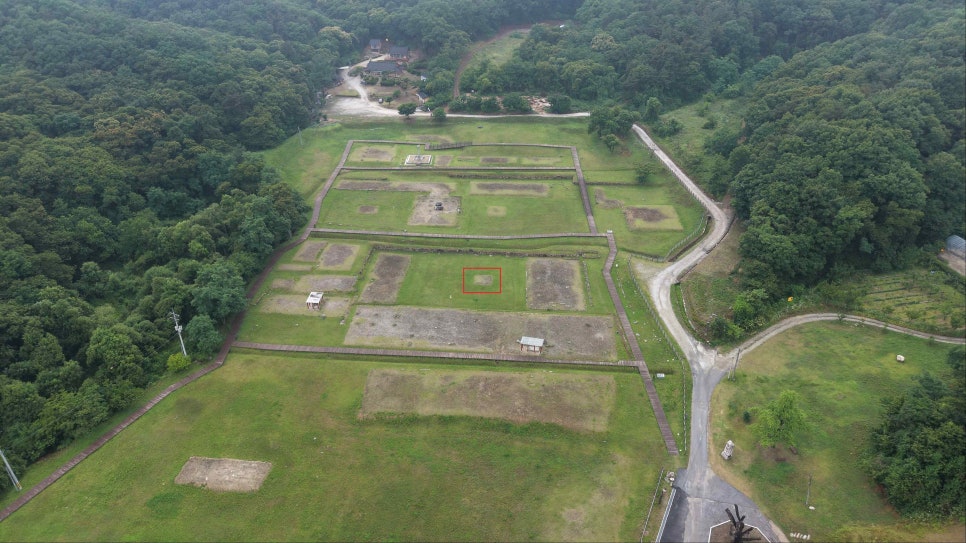
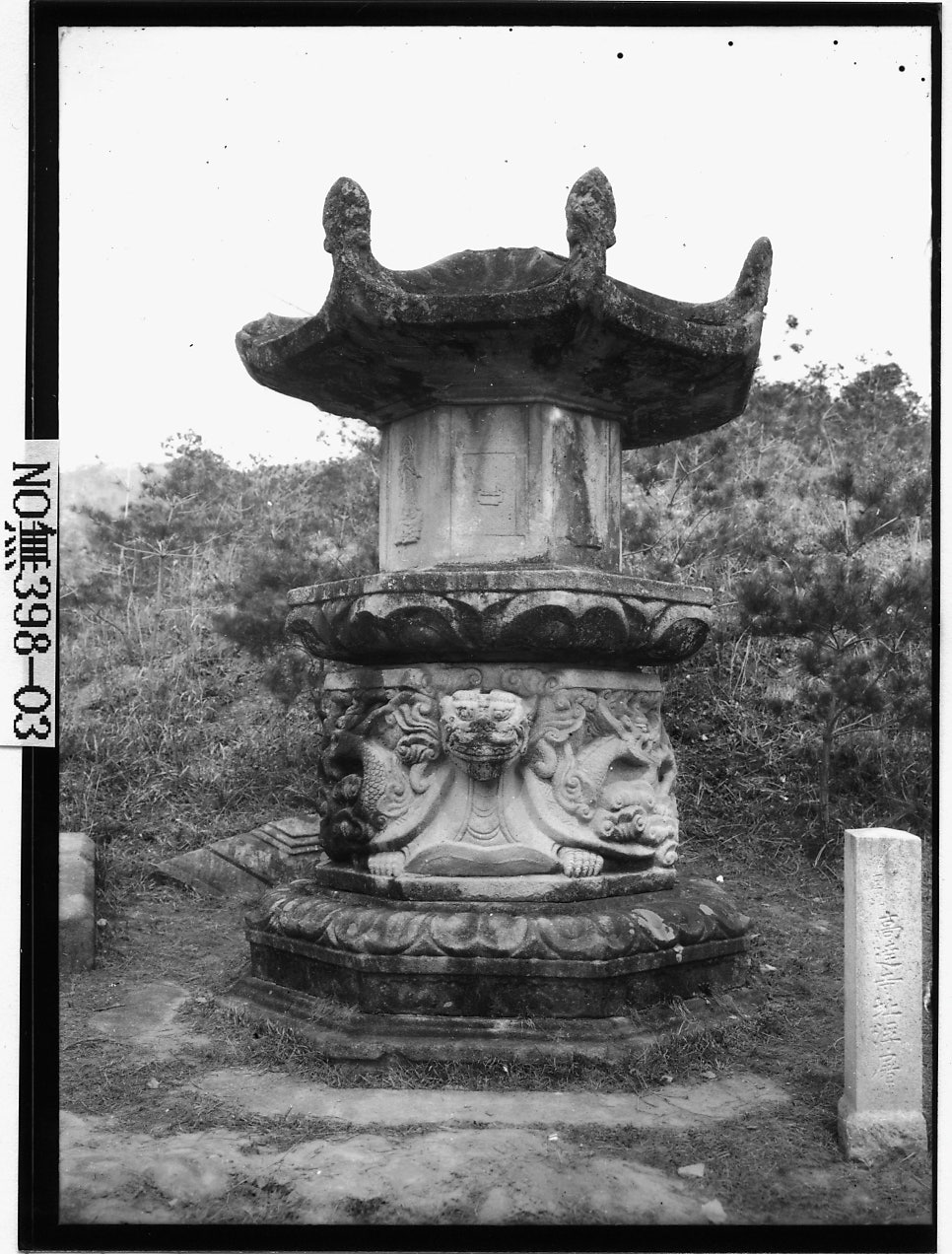
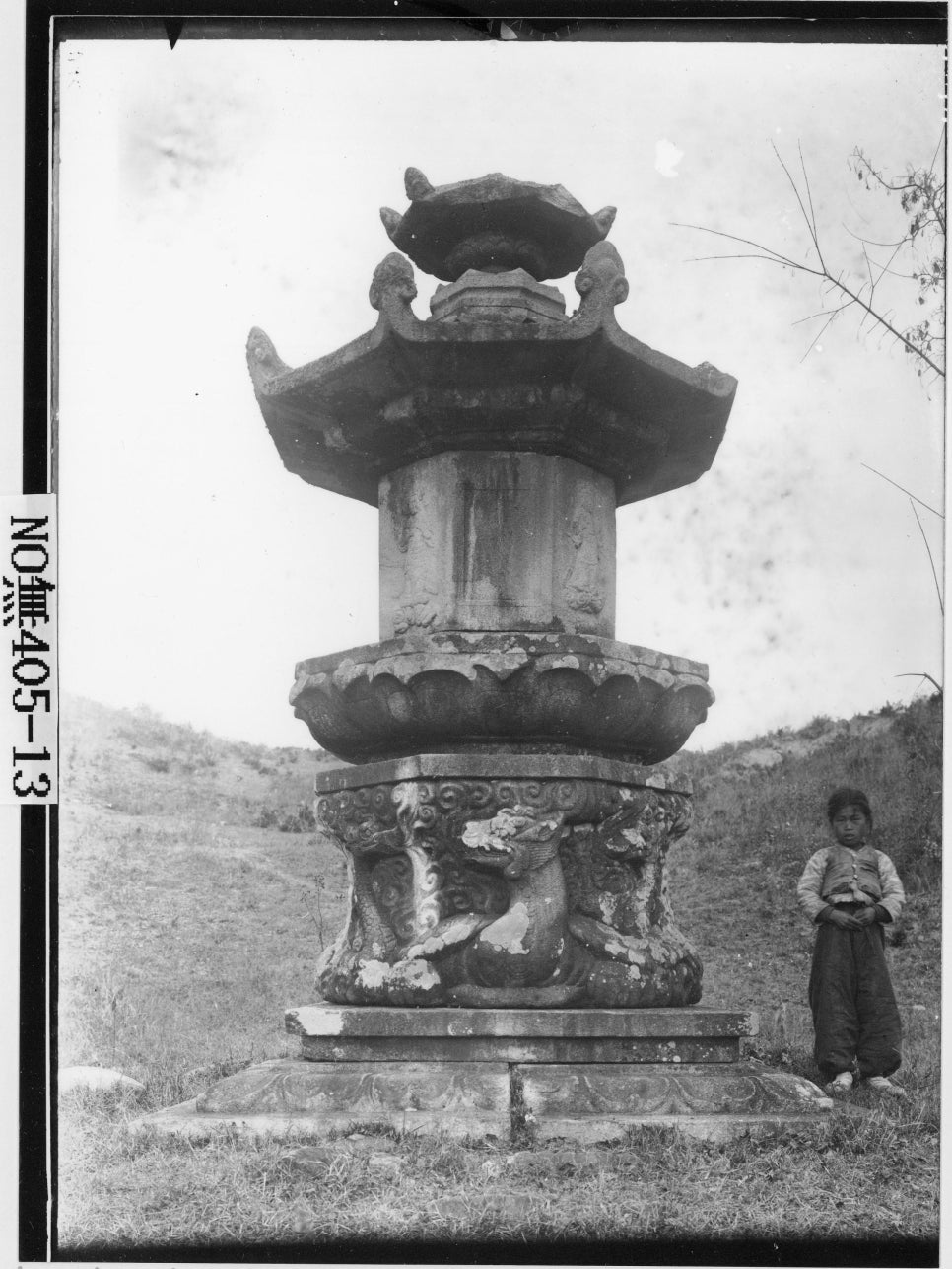
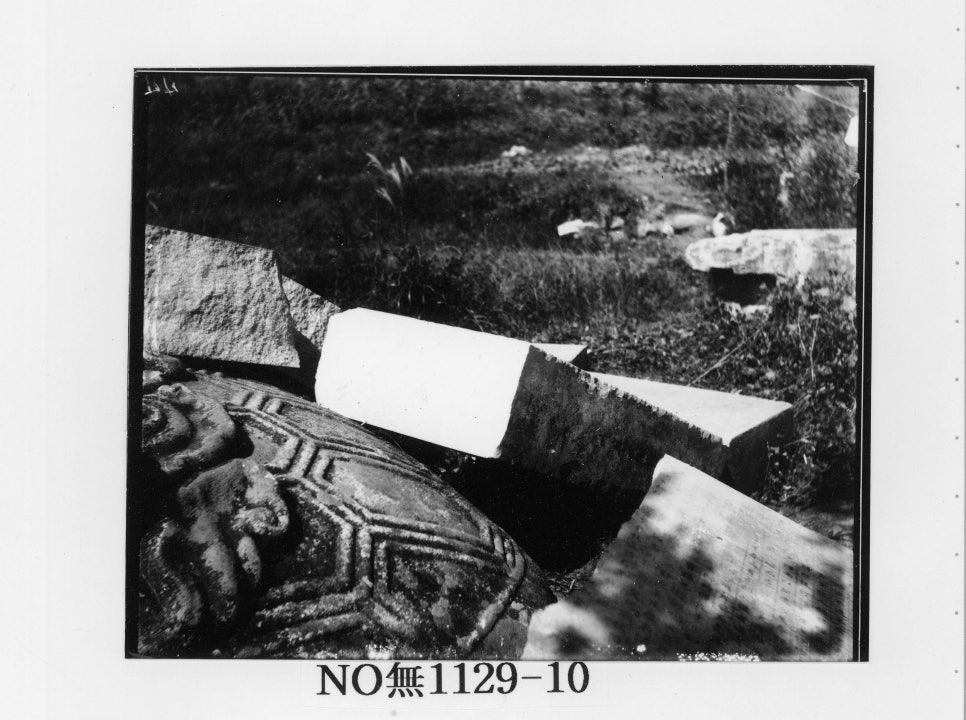
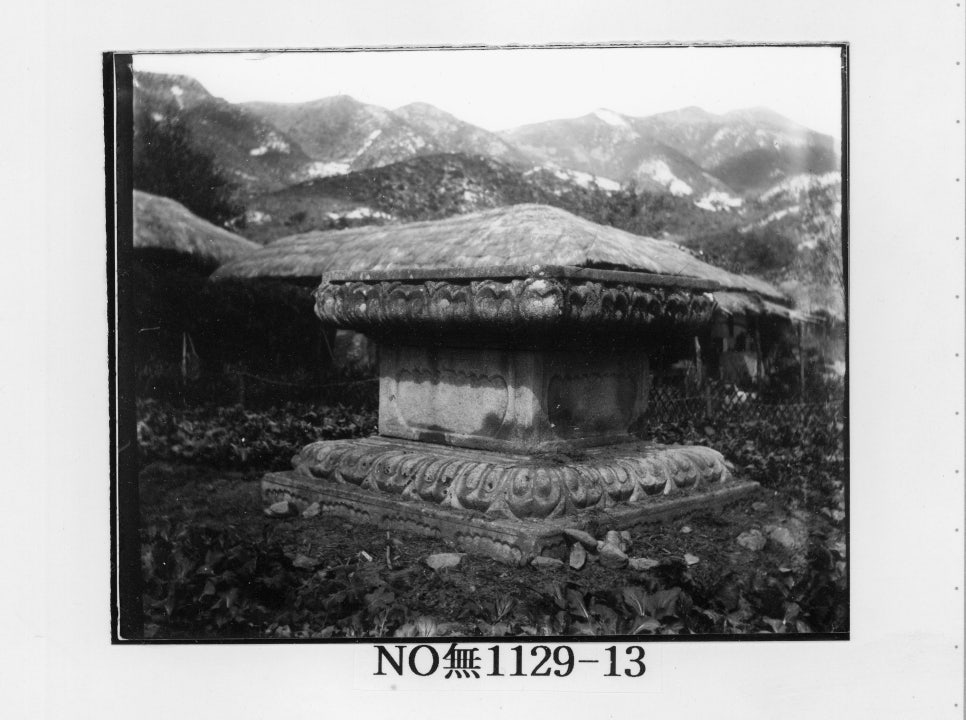
A stone lantern of this kind stood in front of a temple hall and held a light as an offering. This one is distinguished by the two lions that support its fire chamber, carved crouching and facing outward — an unusual and confident piece of Goryeo stonework, and the reason it carries Treasure designation. Godalsa itself is now a ruin, a designated historic site of foundations and scattered stonework in the hills near Yeoju.
Why it is not moving yet
What has to happen before the transfer
- Conservation treatment
- A stone monument that has stood outdoors for decades is assessed and stabilised before it is moved
- The final excavation report
- The site's comprehensive report has to be published, which fixes what is known about where the lantern stood
- Site preparation
- Godalsa needs the setting, protection and interpretation in place to receive it
- Then a date
- Only after those three is a transfer date set. None has been announced
Seeing it now, in the free part of the museum
The stone garden sits outside the main building, among a reflecting pool and a path of pagodas and lanterns brought in from sites around the country. It costs nothing, needs no ticket, and is open from 7:00am to 10:00pm — far longer than the galleries, which close at 5:30pm on most days. If you arrive in Yongsan in the evening and find the museum shut, the stone garden is still open, and this is one of the things in it.
The wider argument this is part of
Returning an object to its original site changes what a visitor can understand from it. In a museum garden the lantern is an example of Goryeo carving; standing among the foundations at Godalsa, it is part of a plan you can walk around. The trade-off is exposure and access — Yeoju is a good deal further from Seoul than Ichon Station is. That tension is why these decisions take years rather than months.
Frequently asked questions
- Q. Can I still see the lantern in Seoul?
- Yes. No transfer date has been set, and conservation treatment, the final excavation report and site preparation at Godalsa all have to be completed first. It remains in the National Museum of Korea's outdoor stone garden in the meantime.
- Q. Does it cost anything to see?
- No. The outdoor stone garden is free and open to anyone, with no ticket issued — as are the museum's permanent galleries. Only separately ticketed special exhibitions charge.
- Q. When is the stone garden open?
- From 7:00am to 10:00pm every day, which is much longer than the galleries. That makes it a reliable option in the evening, when the indoor exhibition halls have closed at 5:30pm on most days of the week.
- Q. Where is Godalsa, and can I visit it?
- It is a designated historic site near Yeoju in Gyeonggi-do, east of Seoul — the remains of a Goryeo temple rather than a standing building. It is open ground that can be visited, though the lantern is not there yet.
Sources
Written in our own words from the sources above, never copied from them, and every date and price checked against at least two pages. The originals are in Korean. Spotted a mistake? Ask for a correction.
Latest from National Museum of Korea
 National Museum of KoreaExhibition14 October 2026In 40 daysKunsthaus Zürich masterpieces at the National Museum of Korea — KRW 12,000 early bird until 17 Dec
 National Museum of KoreaNews10 October 2026MU:DS Regional Heritage Collection — 100 museum goods from 13 national museums
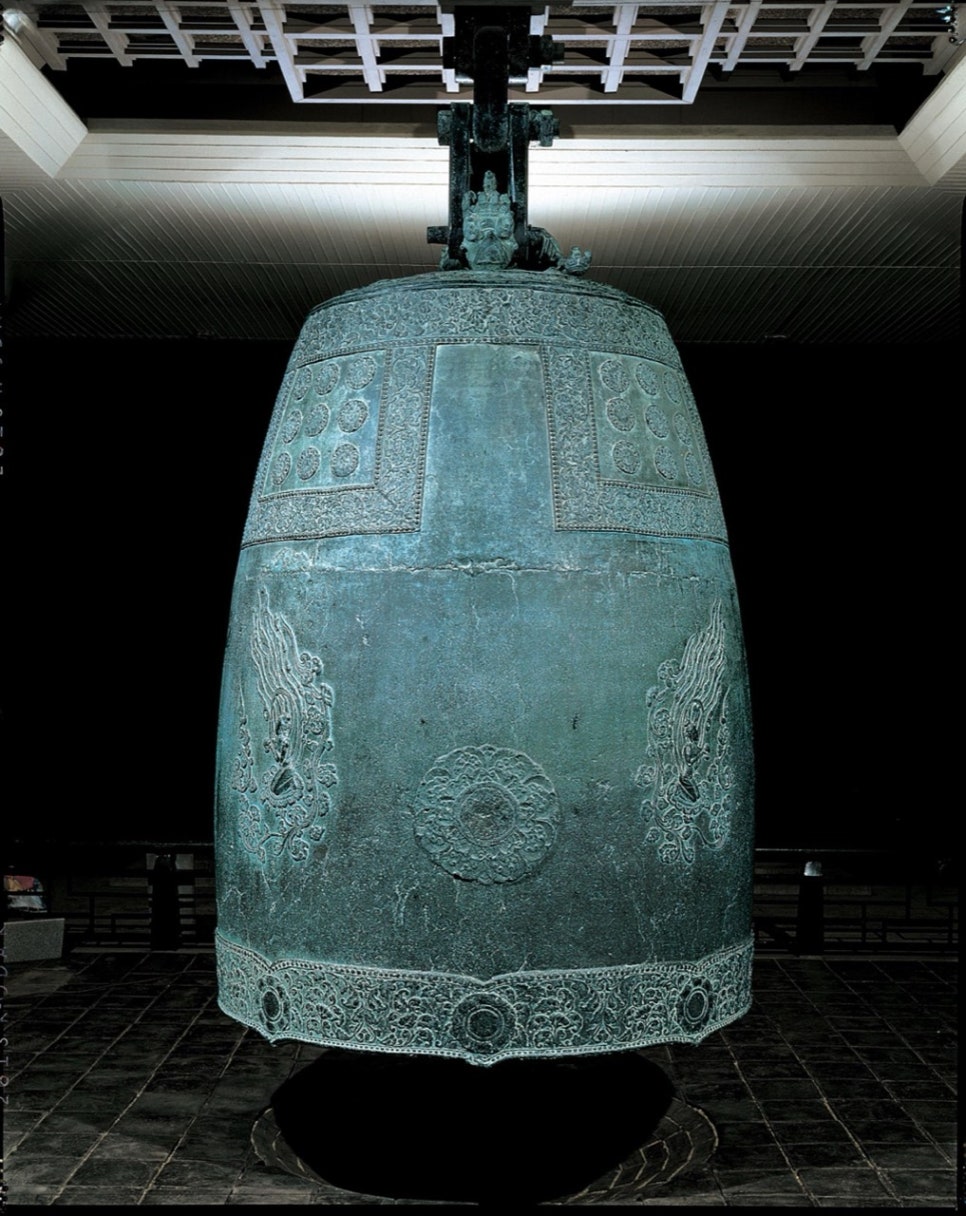 National Museum of KoreaEvent10 October 2026In 13 daysSori: the Seongdeok Bell in concert at the National Museum of Korea — 31 Oct & 1 Nov
 National Museum of KoreaExhibition6 October 2026In 61 daysMarie Antoinette Style at Seoul’s National Museum — from 18 Dec