Notice·National Museum of Korea
A Silla tomb dug in 1909 and never properly reported is being excavated again
Summary
Gyeongju National Museum announced on 10 September 2026 that it will re-excavate Seokchimchong, a Silla chamber tomb opened by Japanese colonial-era surveyors in 1909 who left no formal excavation report. The new work will analyse the chamber floor soil, the lime on the walls and the stone itself, and pursue research on the objects taken in 1909, which are held at the University of Tokyo. No start date has been announced and there is nothing on site to visit.
Article
In short
- Gyeongju National Museum announced on 10 September 2026 that it will re-excavate the Silla chamber tomb known as Seokchimchong.
- No start date, duration or site-opening arrangement has been announced. There is nothing to go and see.
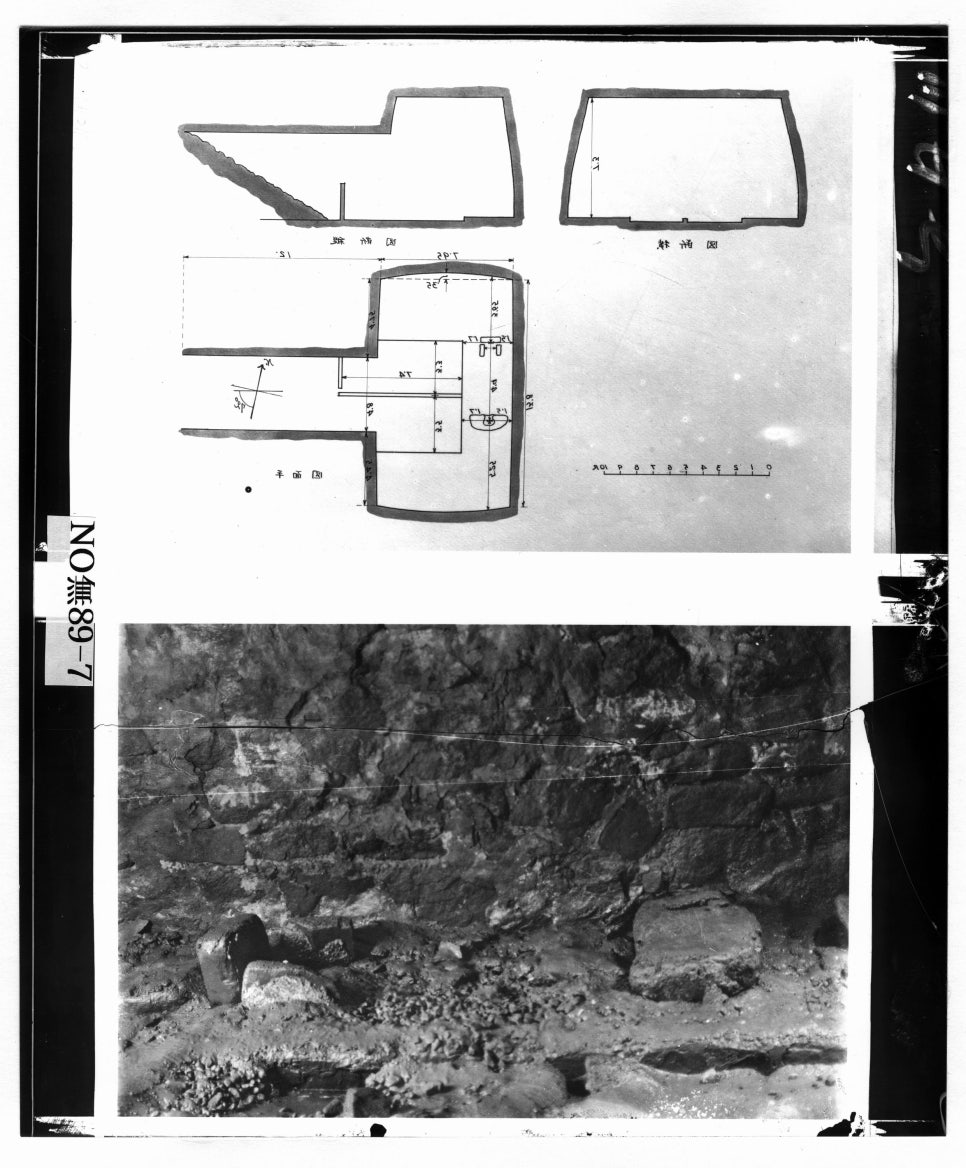
- The 1909 survey by Sekino Tadashi and Yatsui Seiichi left no formal excavation report — only some drawings, photographs and a brief account.
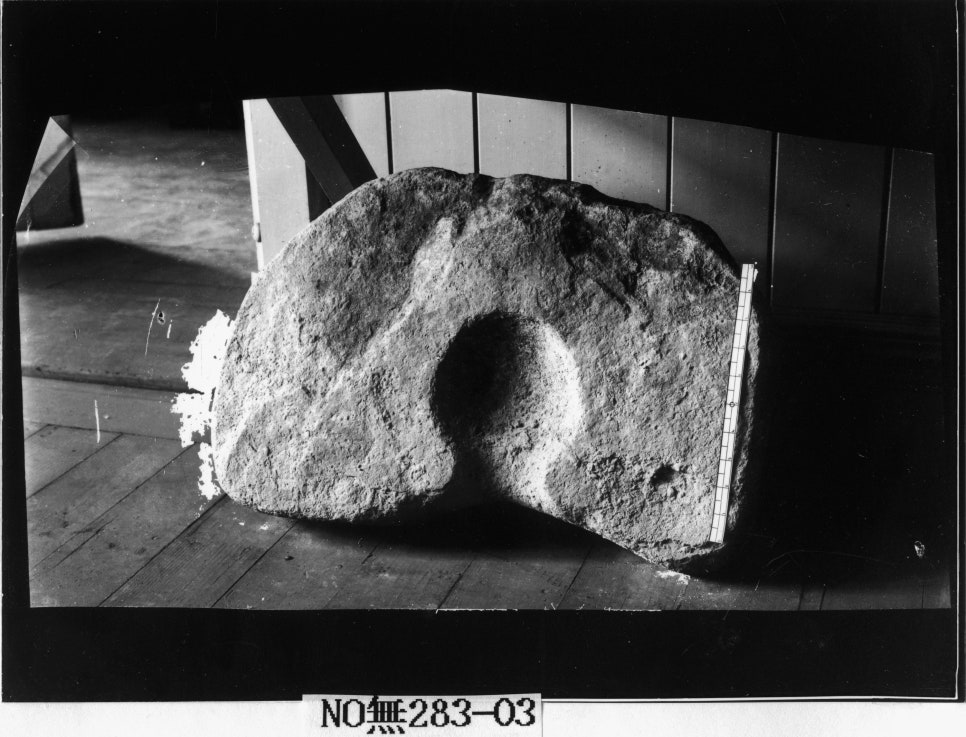
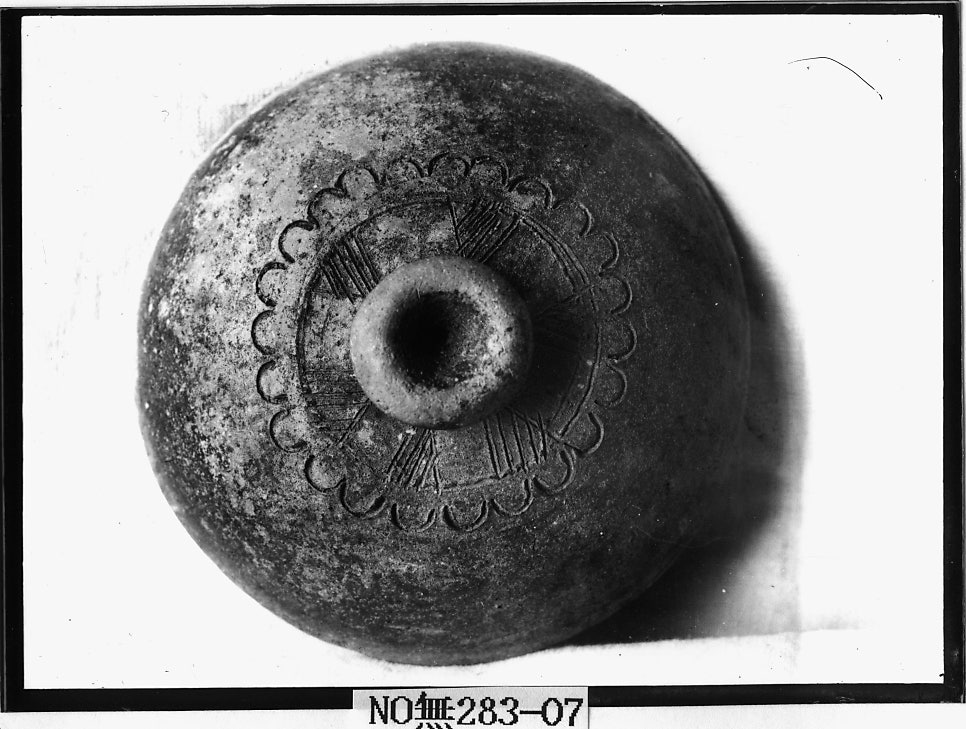
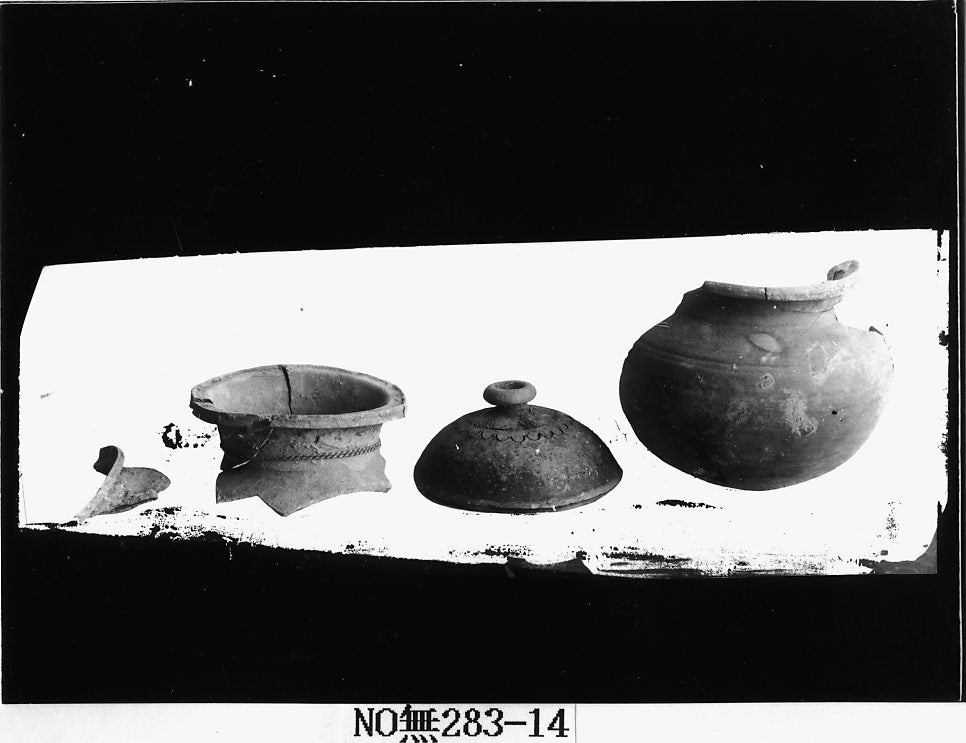
- The objects taken in 1909, including the stone pillow the tomb is named after, are held at the University of Tokyo, and research on them is part of the plan.
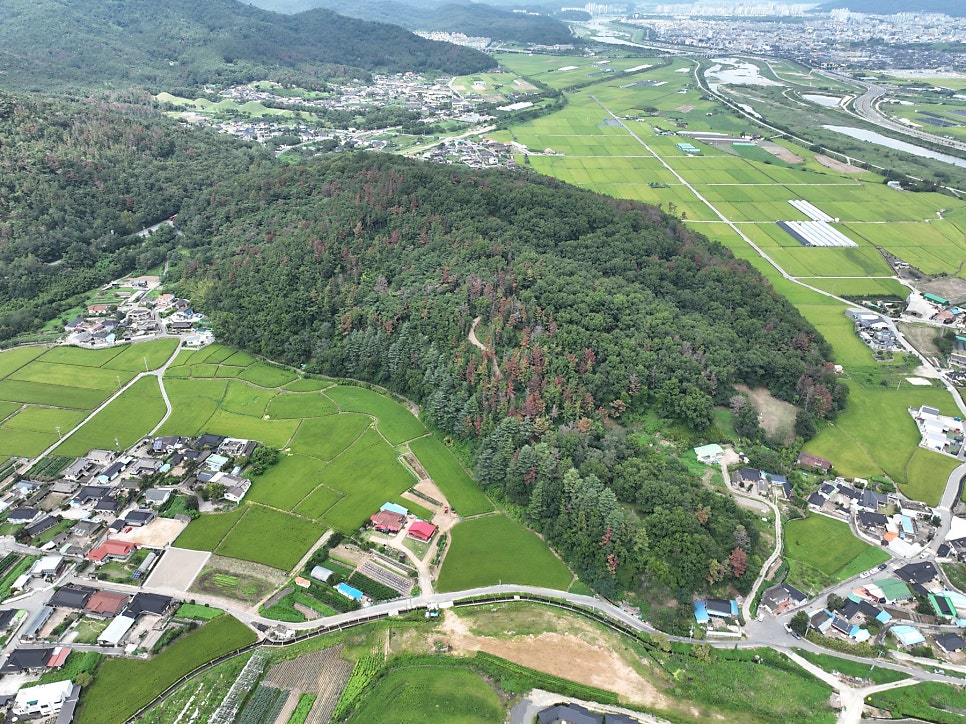
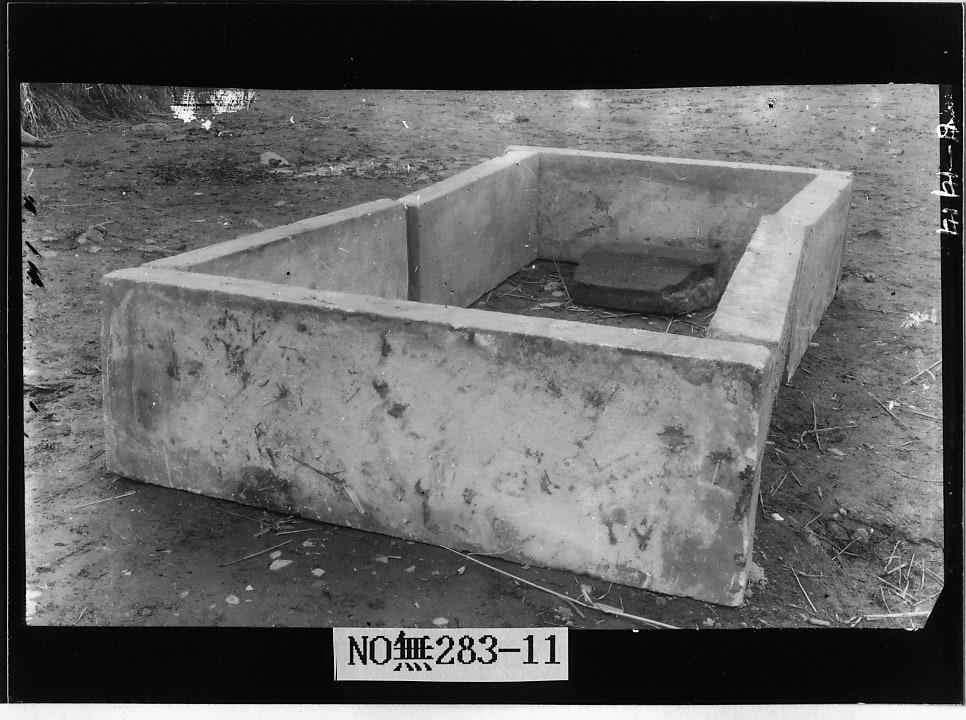
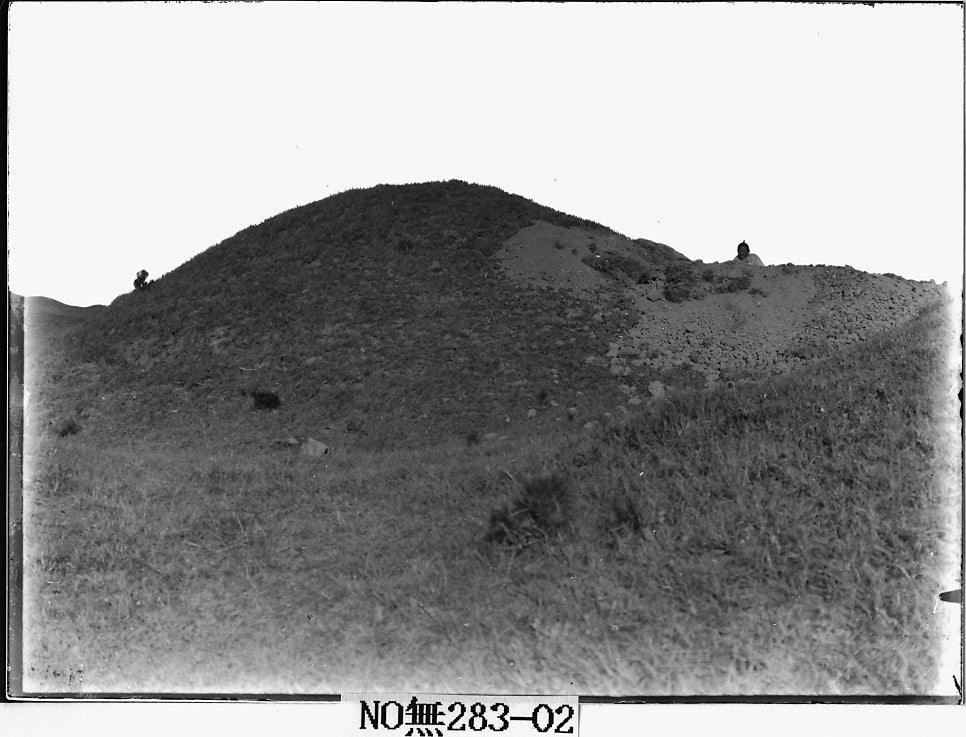
Re-excavating a tomb somebody else already dug sounds like an odd use of resources until you look at what the first excavation left behind. Seokchimchong was opened in 1909 by two Japanese surveyors working in Korea in the years around annexation, and the record they produced was a handful of drawings, some photographs and a short account — not an excavation report in any sense a modern archaeologist would accept.
The stone pillow, and where it is
The tomb takes its name from a seokchim, a carved stone pillow placed under the head of the person buried there. That object, and the rest of what came out in 1909, is in Tokyo. The museum's announcement pairs the new fieldwork with research on that dispersed material, which is a quietly significant part of the plan: the tomb and its contents have been on separate continents for over a century.
What 1909 could not see
Then and now
- 1909
- Opening, recording by drawing and photograph, removal of the contents. No stratigraphic record and no formal report
- 2026
- Conventional excavation plus laboratory analysis of the chamber floor soil, the lime applied to the walls, and the stone the chamber is built from
- What that adds
- Construction sequence, use and reuse, and the sourcing of materials — none of it visible to the naked eye
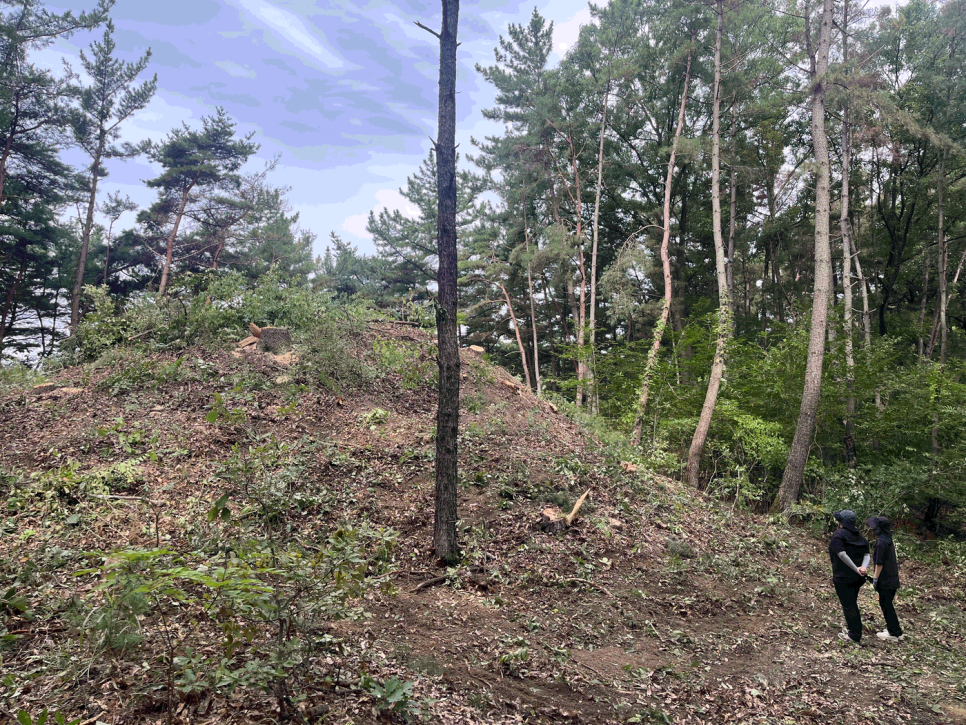
Lime on a chamber wall can indicate finishing technique and, sometimes, date. Soil from a chamber floor can carry evidence of what was placed on it and what happened afterwards. Neither was collectable in 1909, because neither was understood to be evidence.

Where it sits
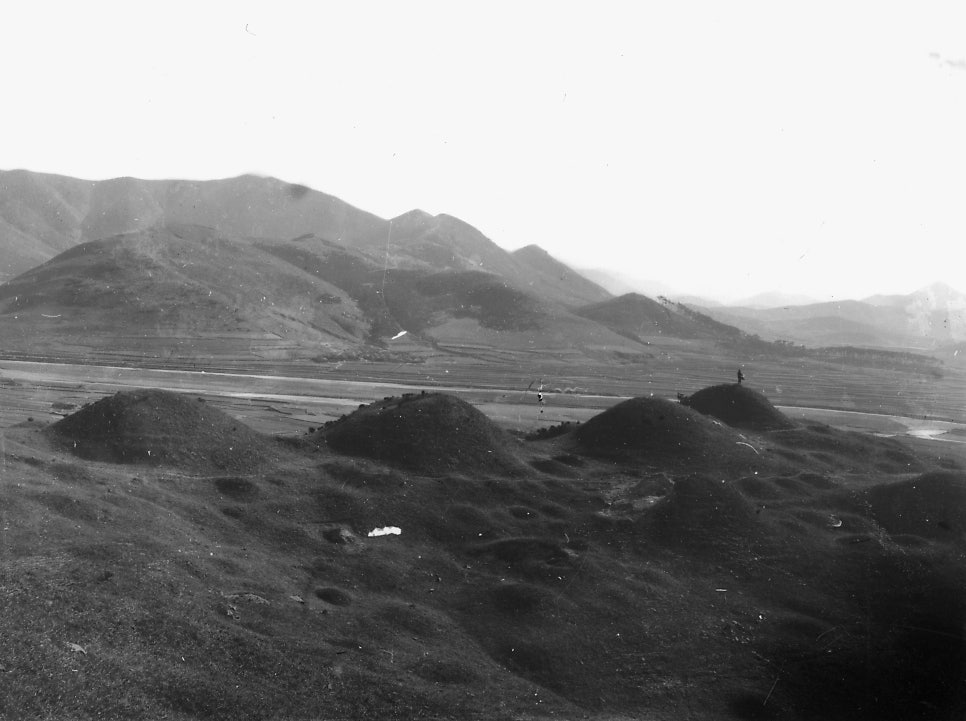
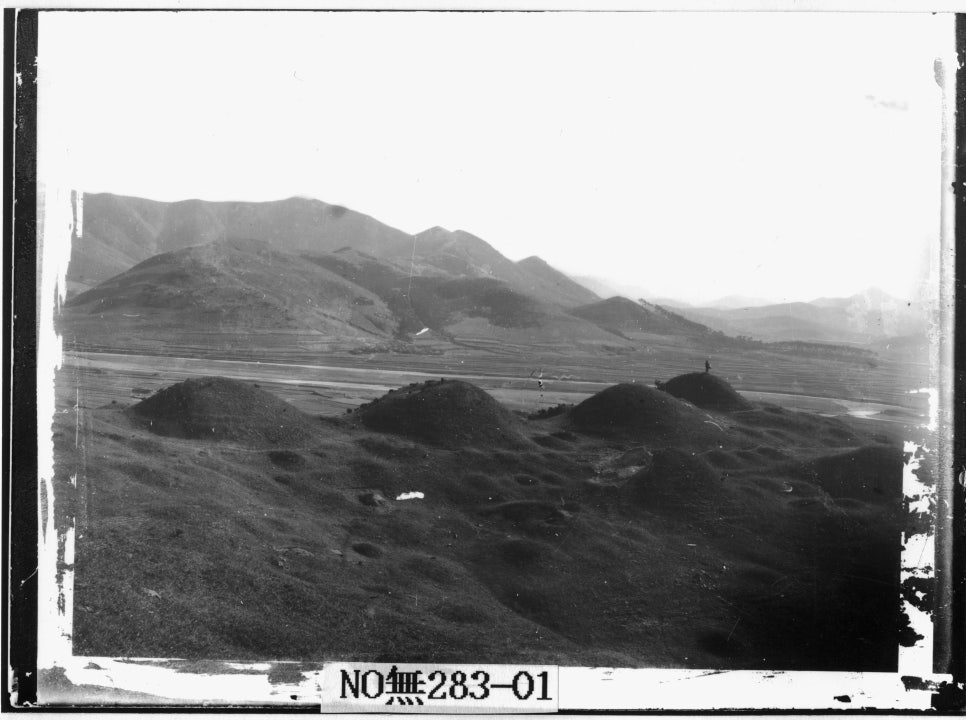
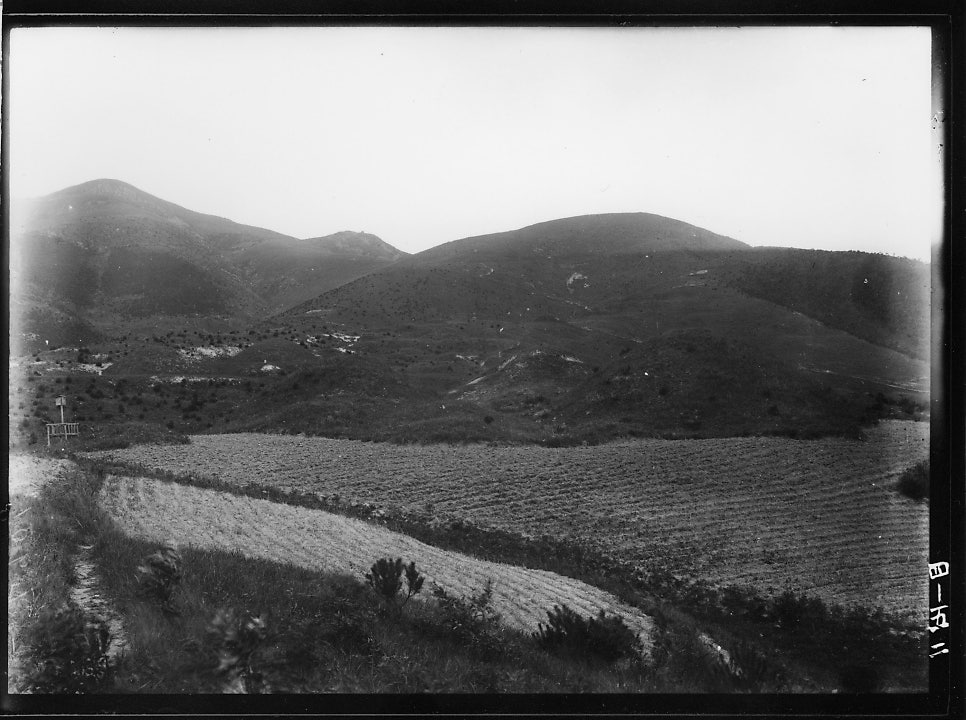
Seoak-dong lies on the western side of Gyeongju, near the tomb of King Muyeol, who made the alliance that brought about Silla's unification of the peninsula. It is one of the quieter parts of a city where the archaeology is everywhere, and a good deal less visited than the Daereungwon mounds in the centre.
Nothing to visit yet
- No start date, duration or public-opening arrangement has been published.
- There is no excavation to see on the ground at present.
- Gyeongju National Museum, which holds the material from the city's tombs, is free and open daily except Mondays in March, June, September and December.
- The Seoak-dong area itself is open ground and can be walked at any time.
Frequently asked questions
- Q. When does the re-excavation start?
- Unannounced. The museum's statement gives no start date, no duration and no indication of whether the site will be open to the public, so there is currently nothing to visit.
- Q. Where is Seokchimchong?
- In Seoak-dong on the western side of Gyeongju, within the designated Seoak-dong tomb group, near the tomb of King Muyeol. It is a quieter part of the city than the central Daereungwon mounds.
- Q. Why dig a tomb that has already been excavated?
- Because the 1909 work left no proper record. There is no stratigraphy and no formal report, only drawings, photographs and a short account. Modern analysis of the floor soil, the wall lime and the chamber stone can recover construction and use evidence that was not collectable then.
- Q. Where are the objects found in 1909?
- At the University of Tokyo, including the carved stone pillow that gives the tomb its name. Research on that material is part of the announced plan alongside the fieldwork itself.
Sources
- Official notice (Korean)
- Official page (Korean)
- Official page (Korean)
- Official page (Korean)
- Official page (Korean)
Written in our own words from the sources above, never copied from them, and every date and price checked against at least two pages. The originals are in Korean. Spotted a mistake? Ask for a correction.
Latest from National Museum of Korea
 National Museum of KoreaExhibition17 October 2026In 5 daysFreeDunhuang sutras on show for the first time at the National Museum of Korea — free until 24 Jan
 National Museum of KoreaExhibition14 October 2026In 40 daysKunsthaus Zürich masterpieces at the National Museum of Korea — KRW 12,000 early bird until 17 Dec
 National Museum of KoreaNews10 October 2026MU:DS Regional Heritage Collection — 100 museum goods from 13 national museums
 National Museum of KoreaEvent10 October 2026In 13 daysSori: the Seongdeok Bell in concert at the National Museum of Korea — 31 Oct & 1 Nov